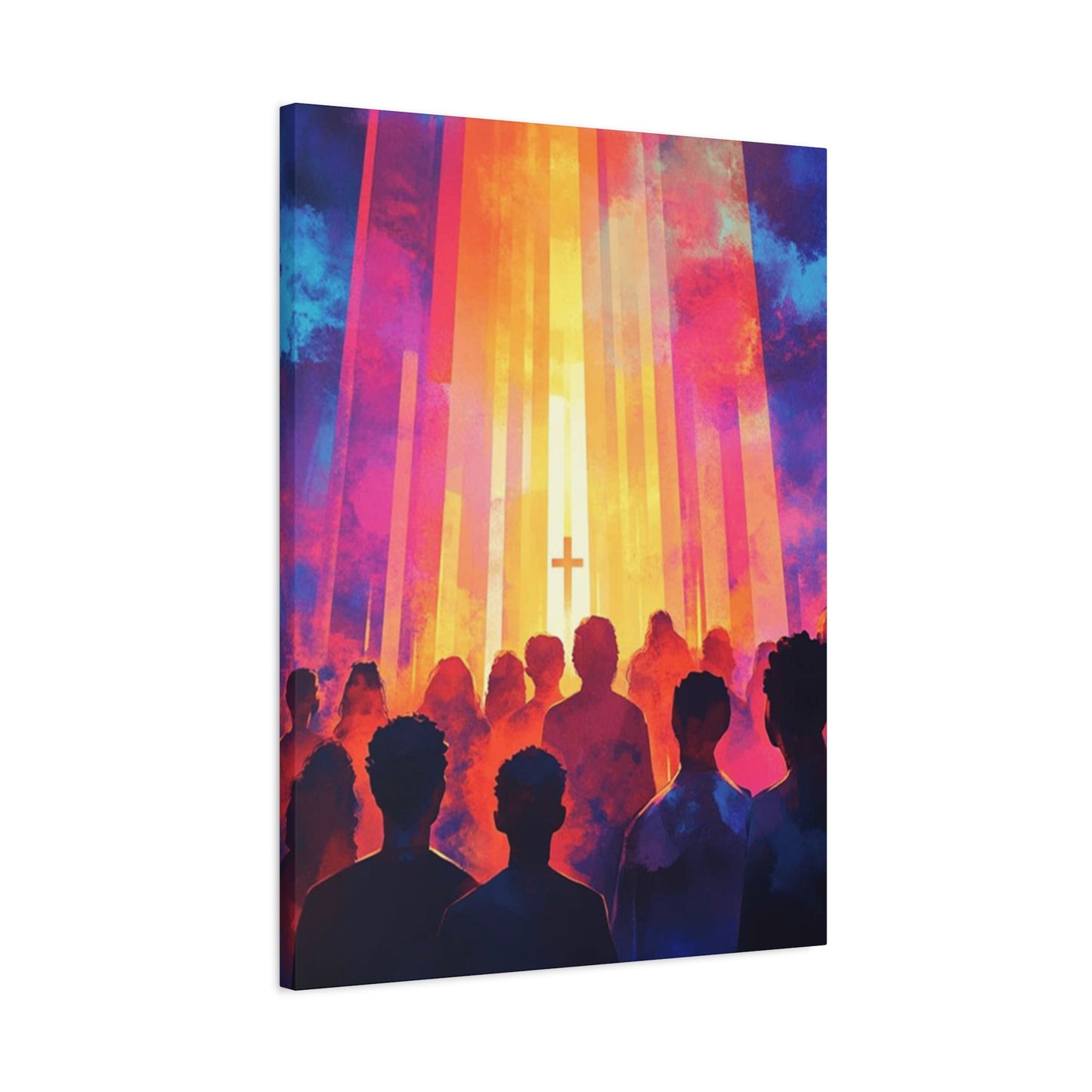
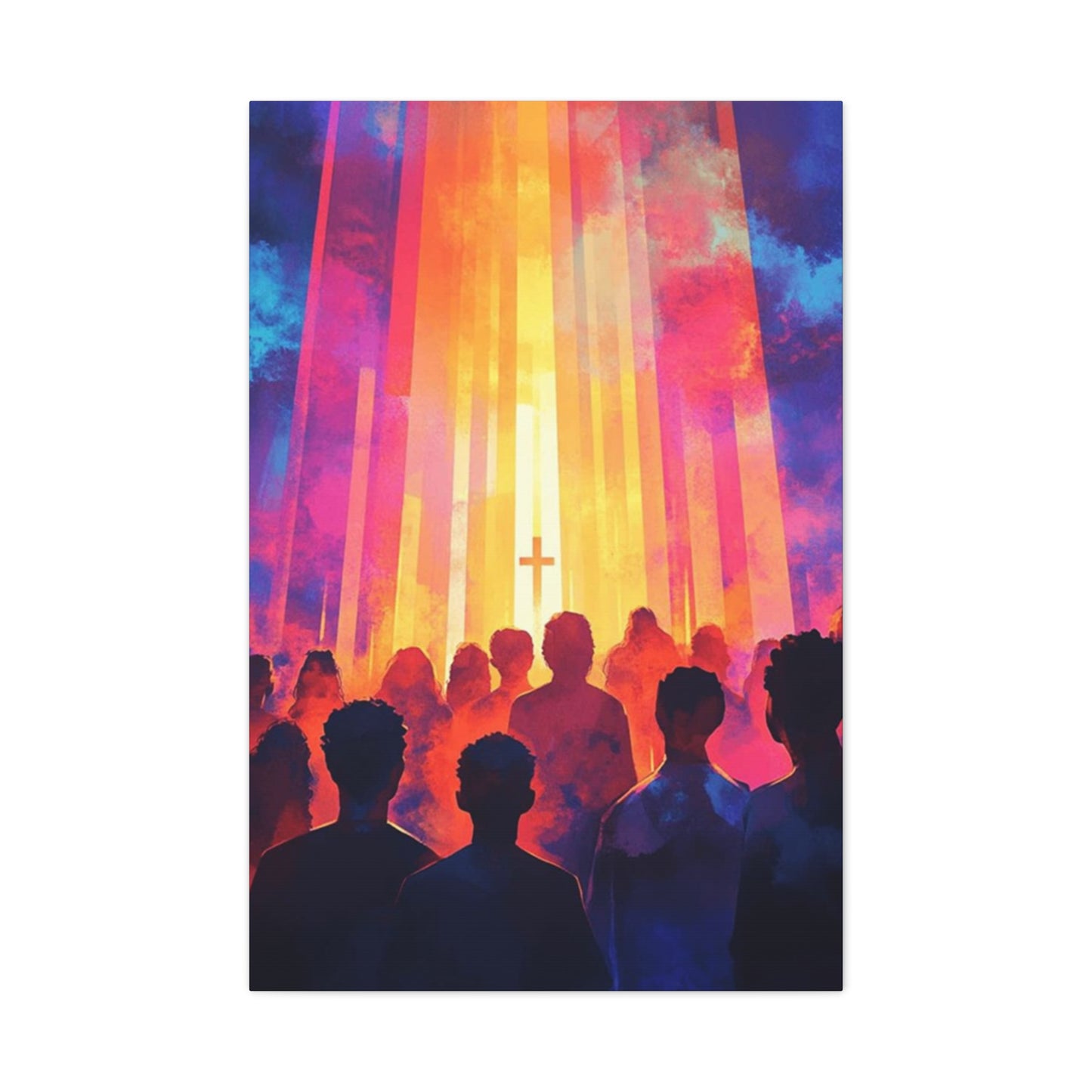
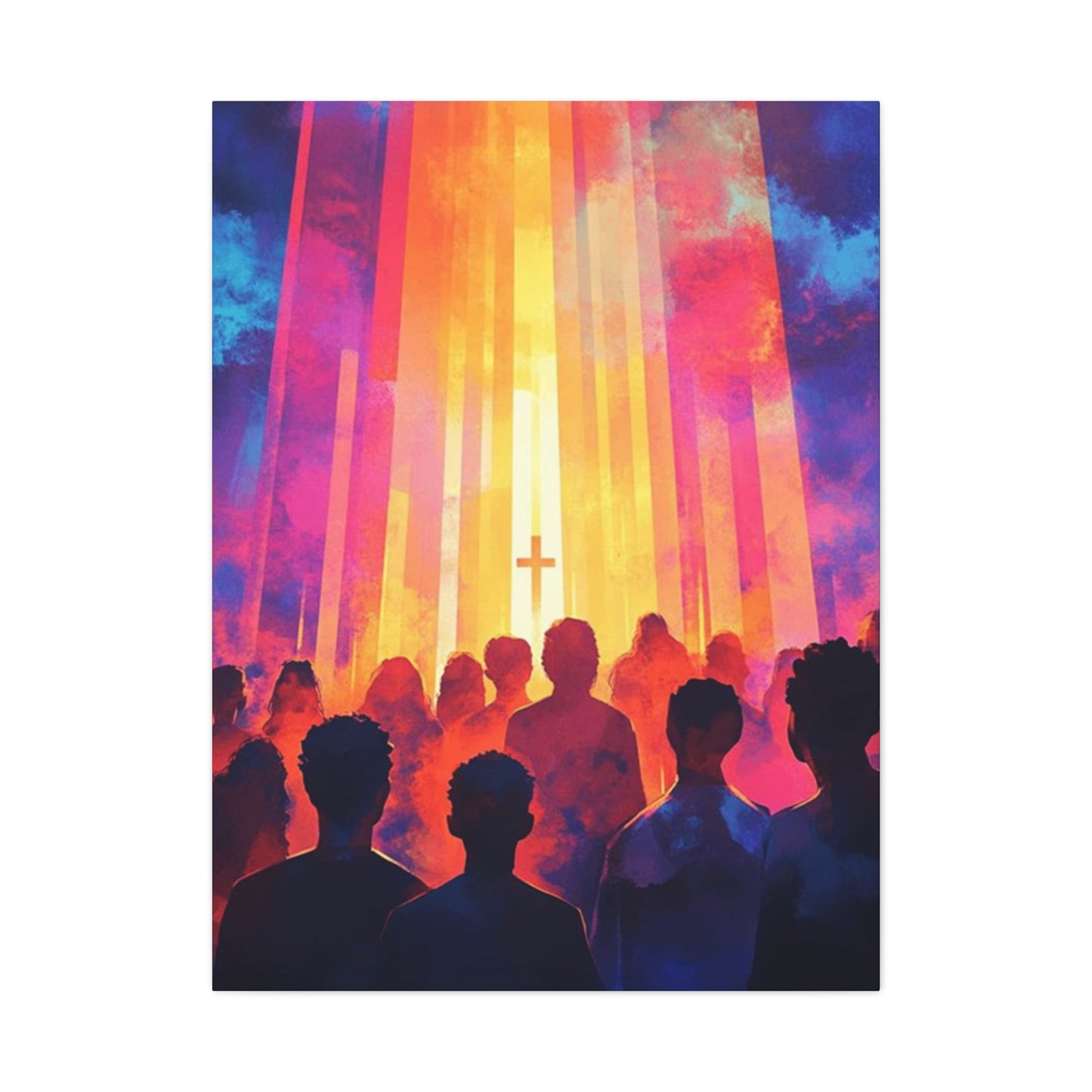
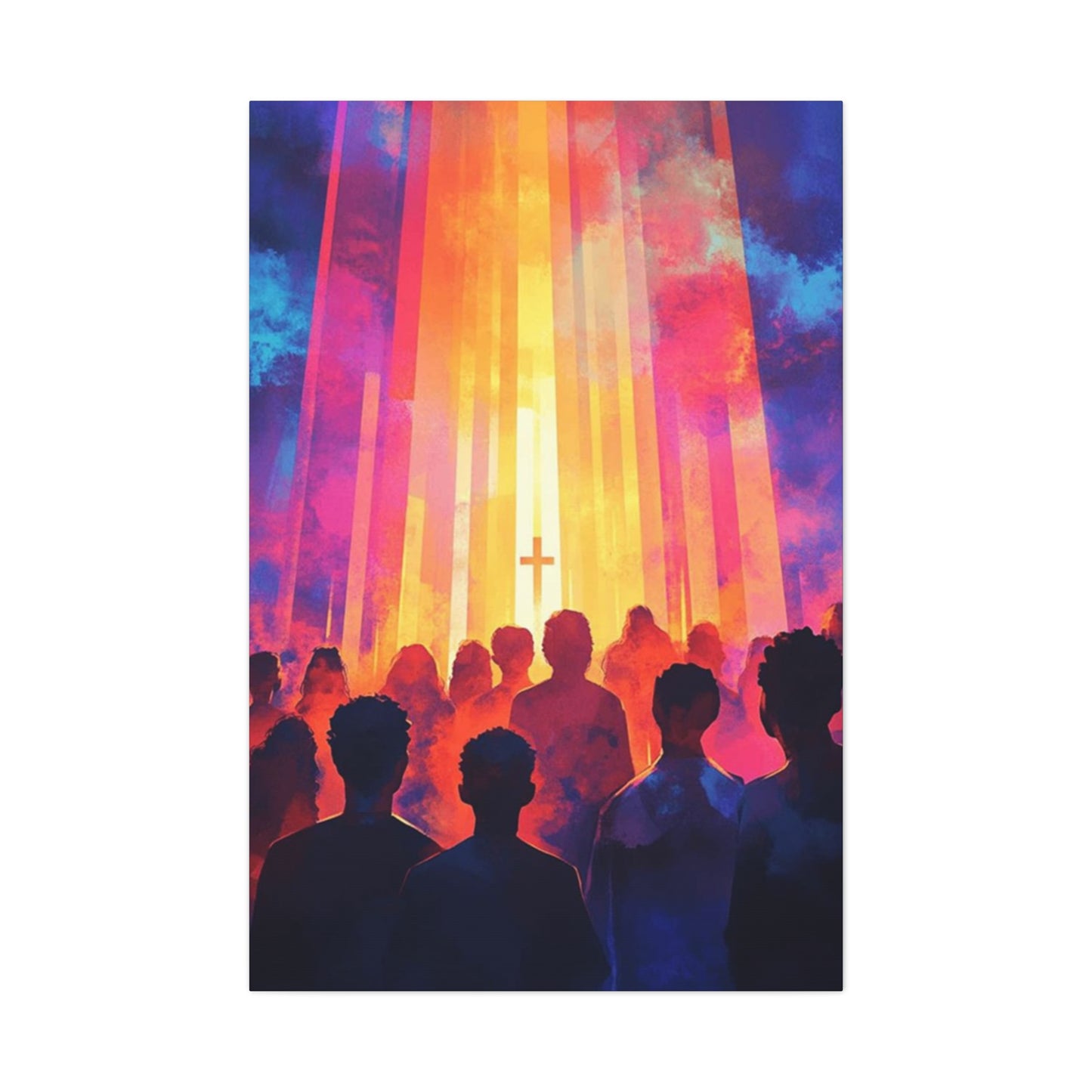
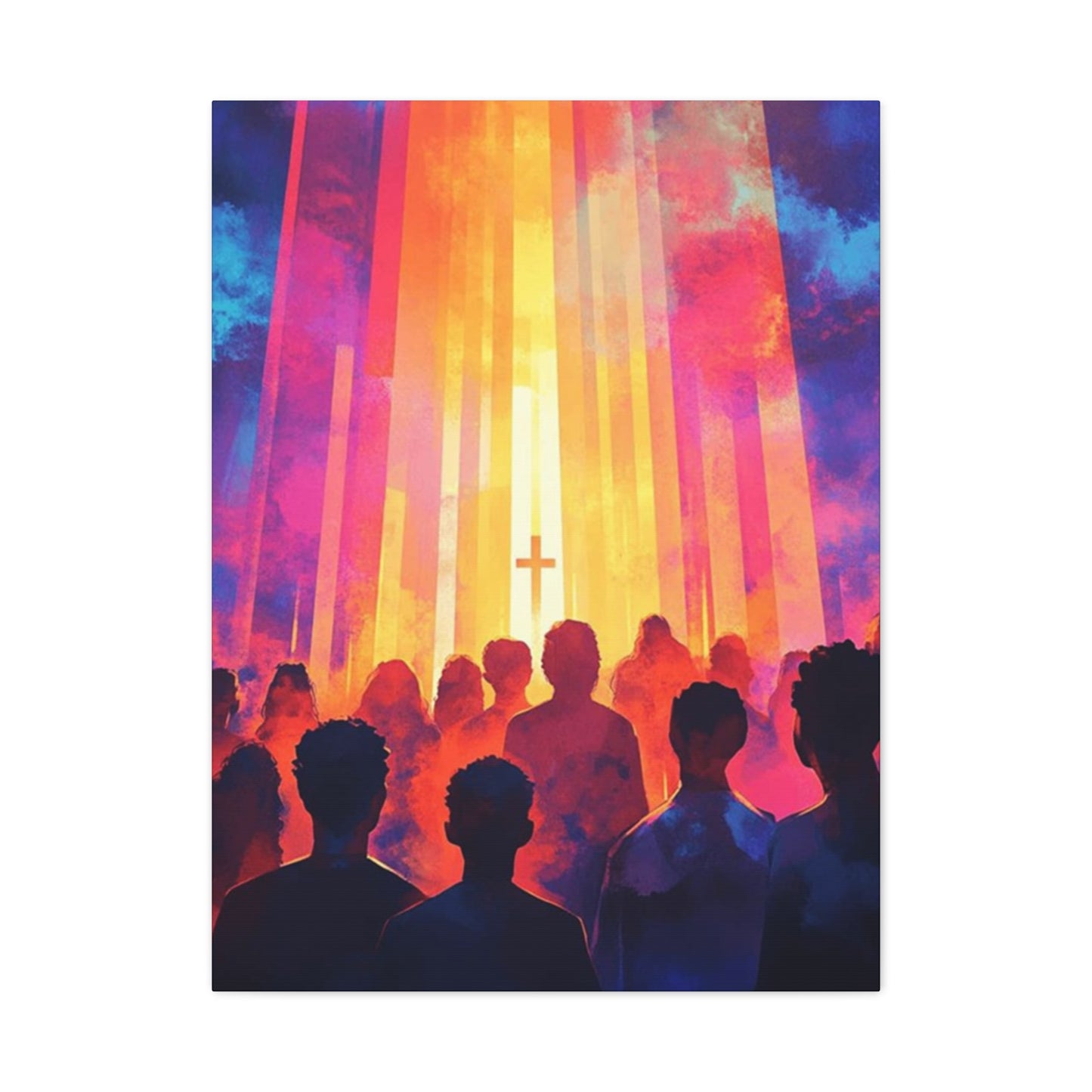
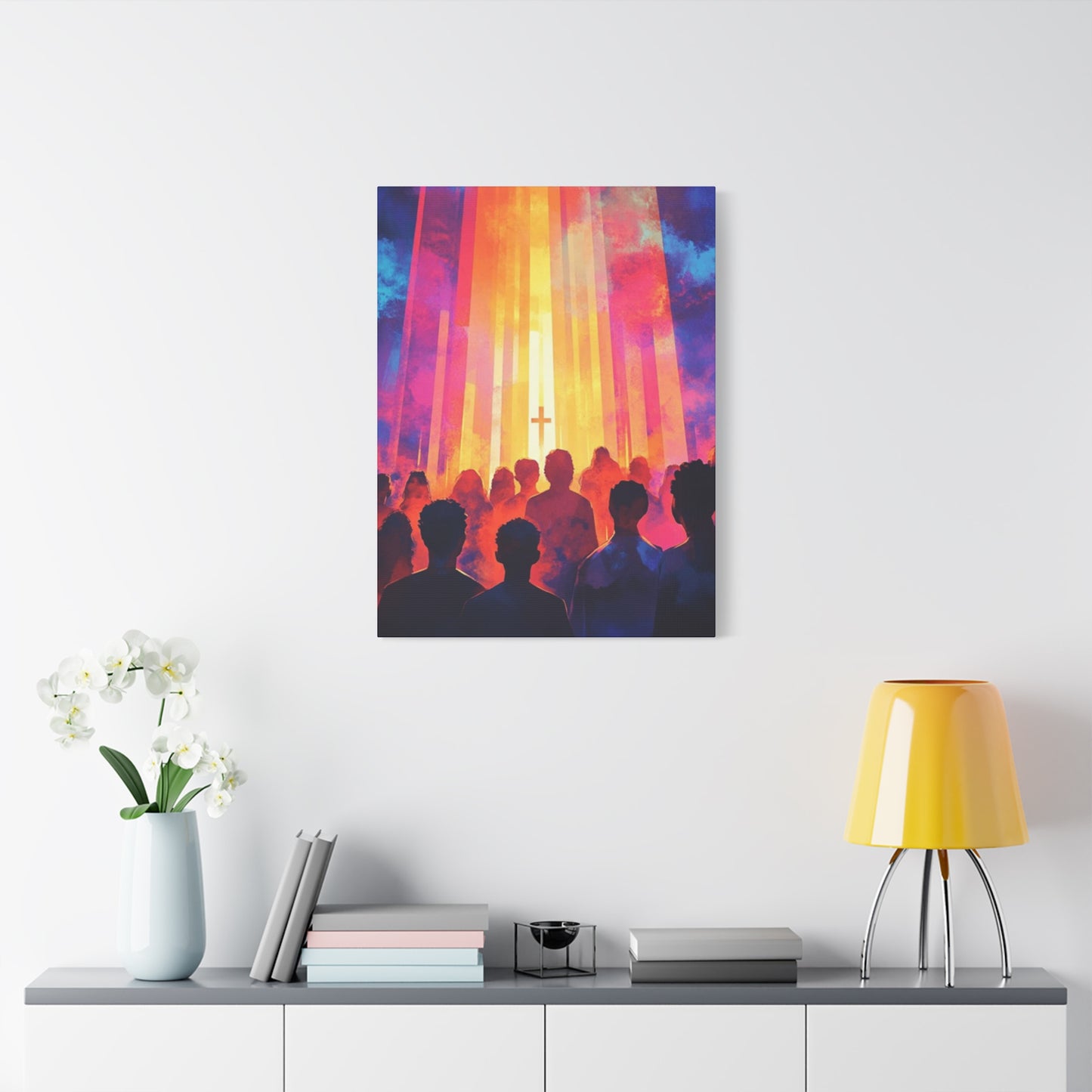
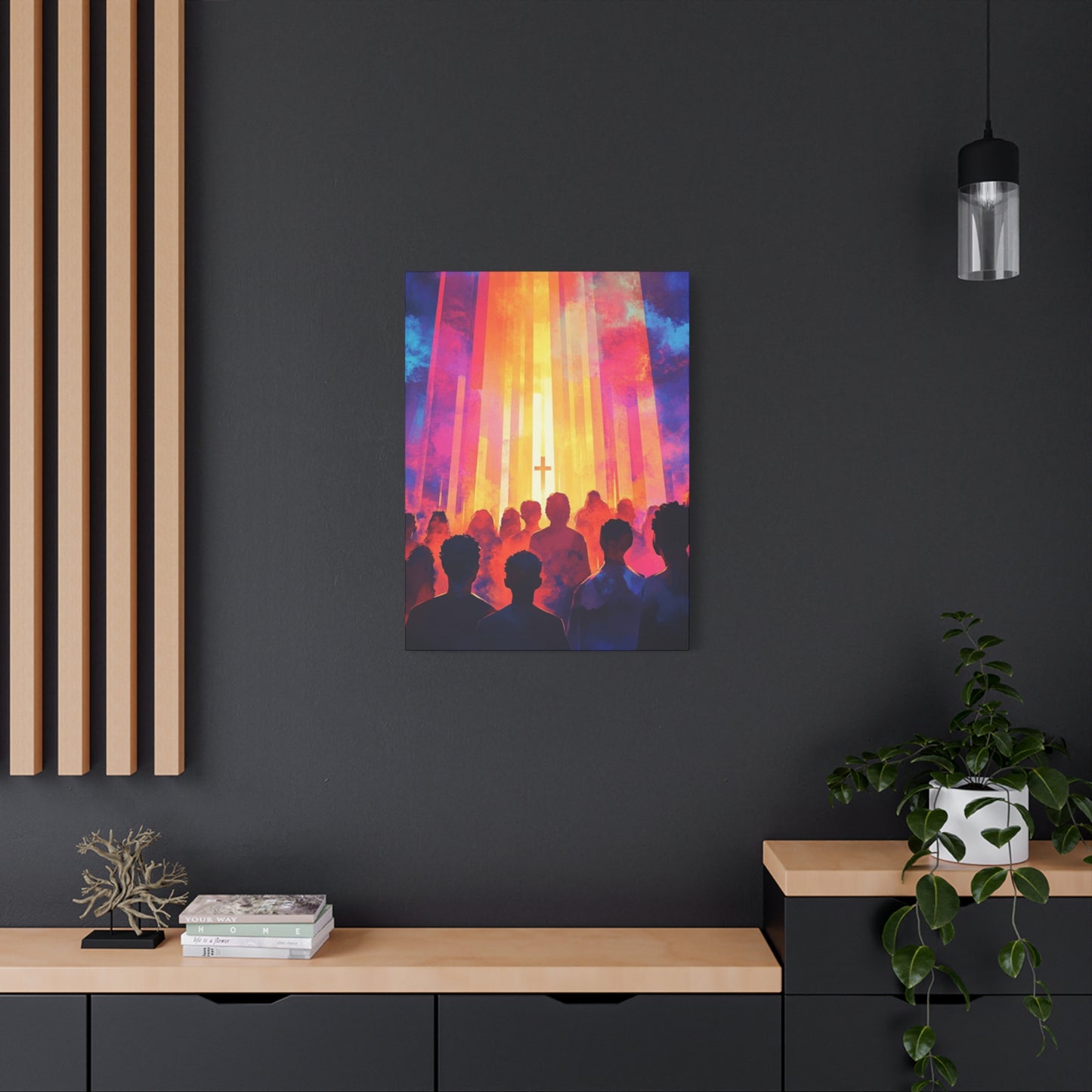
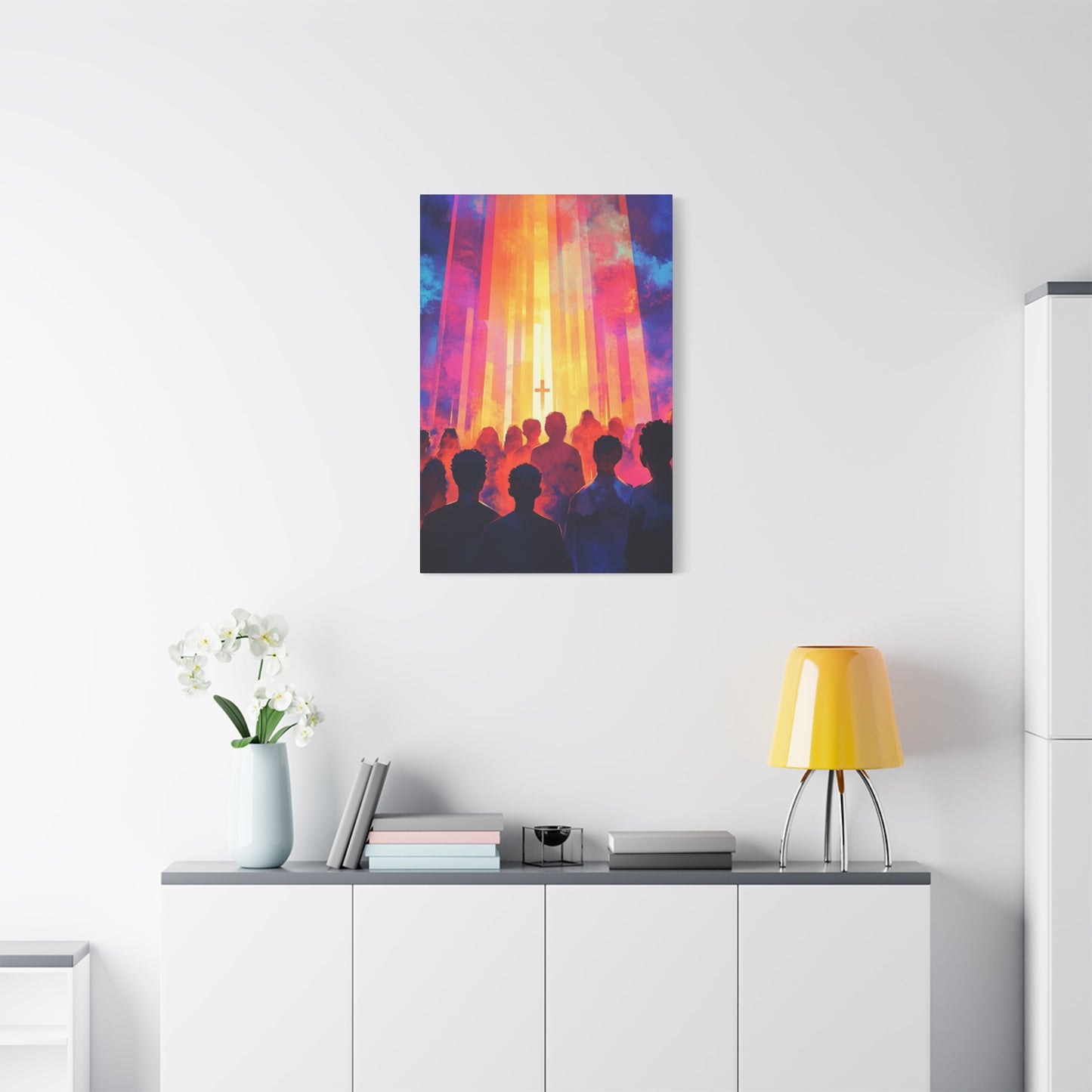
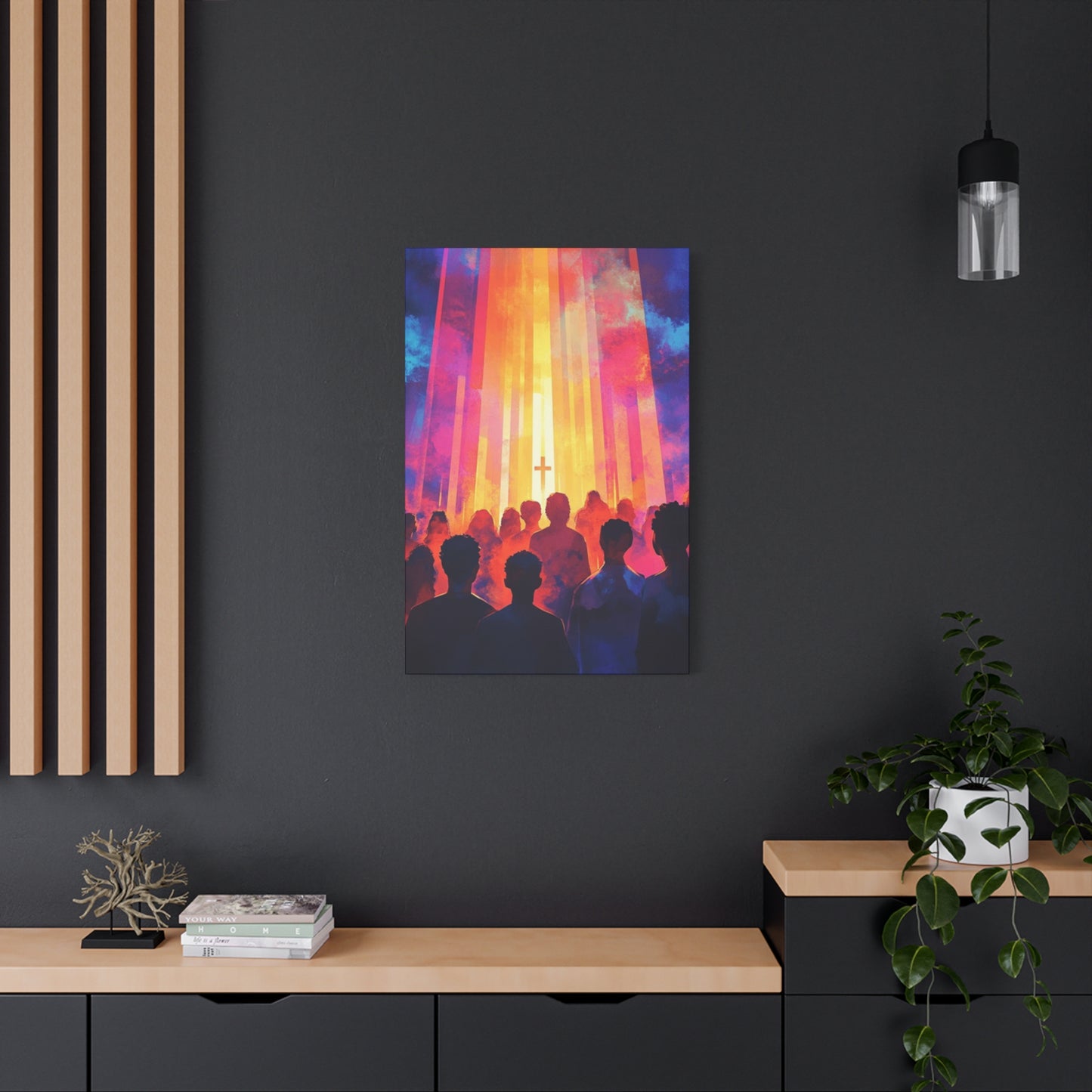
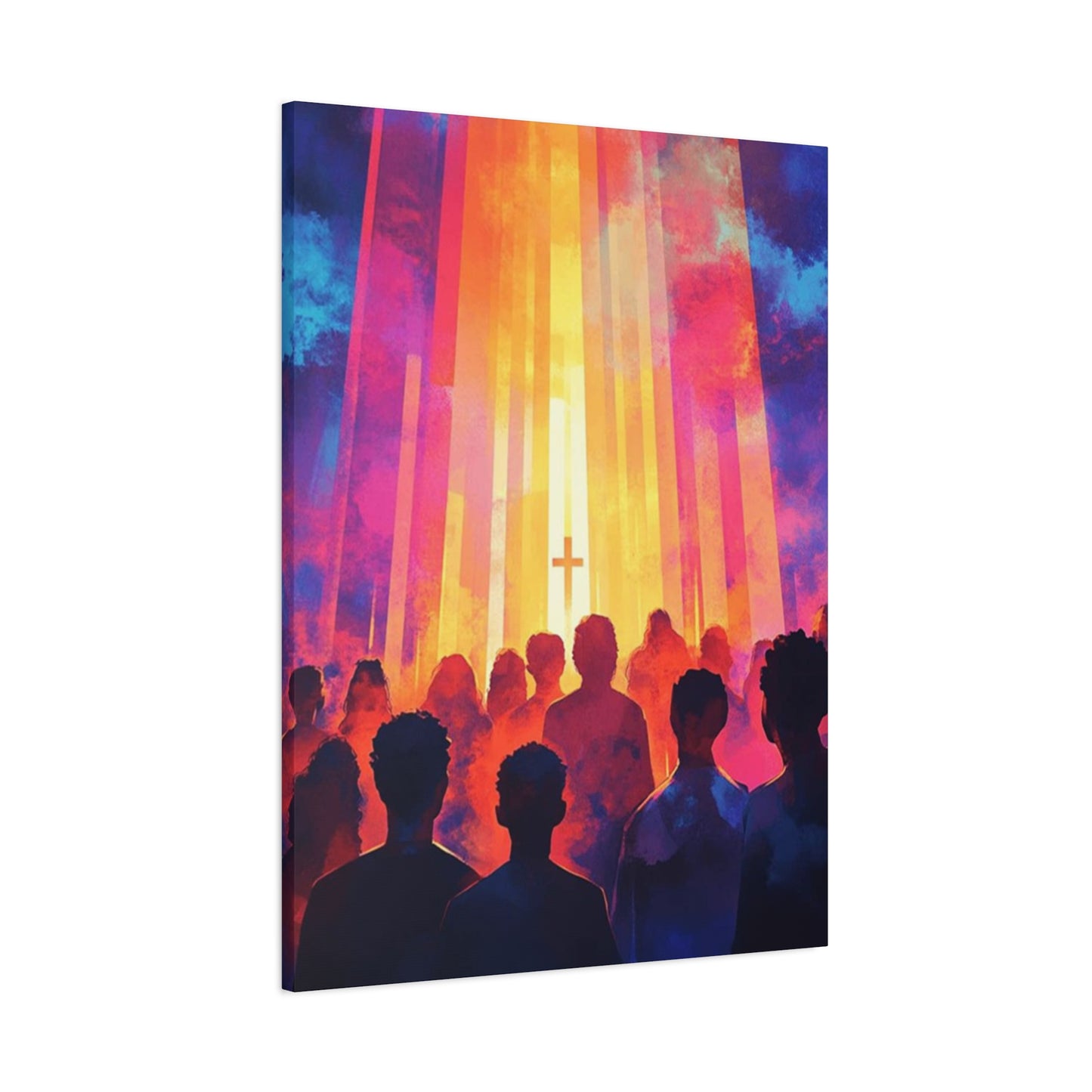
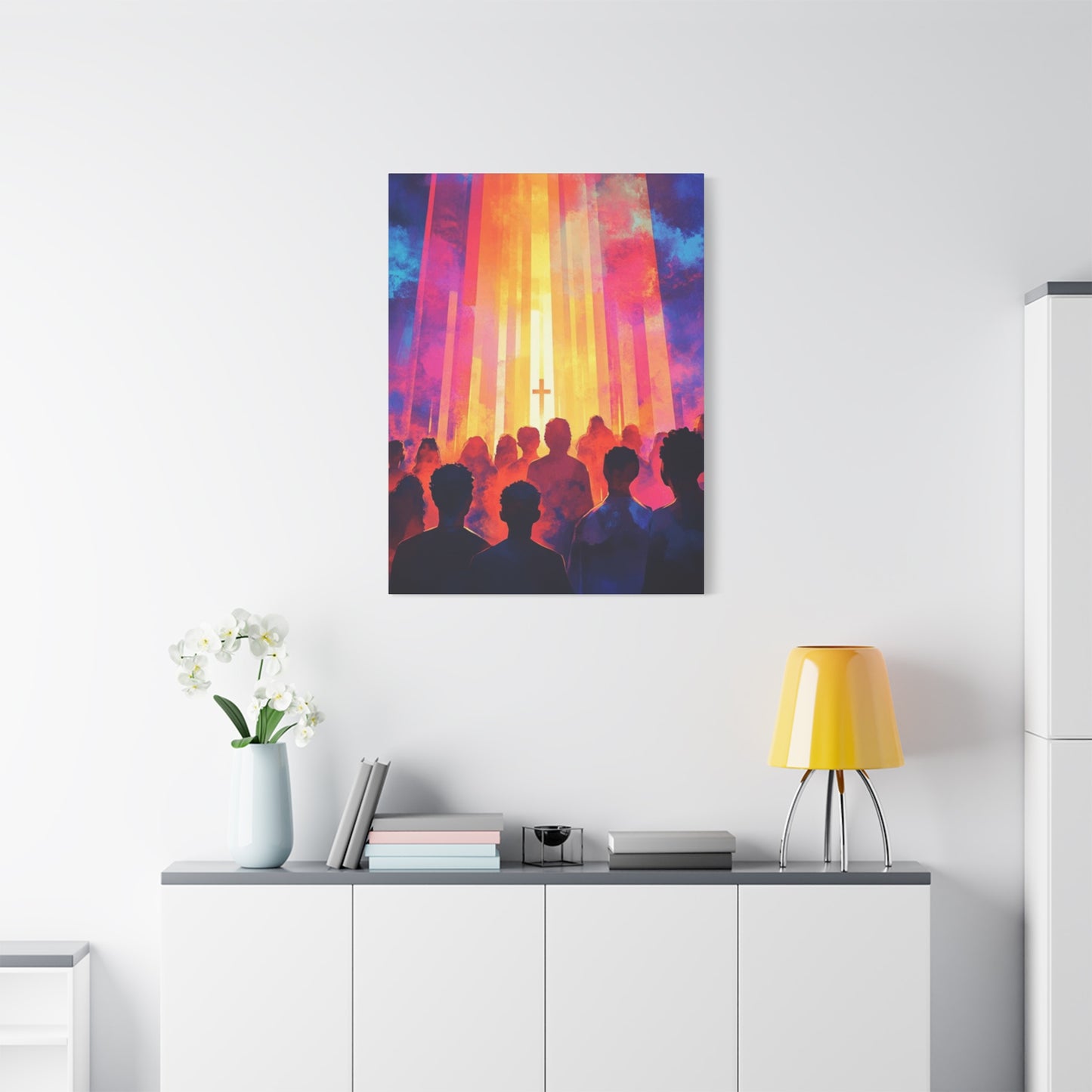
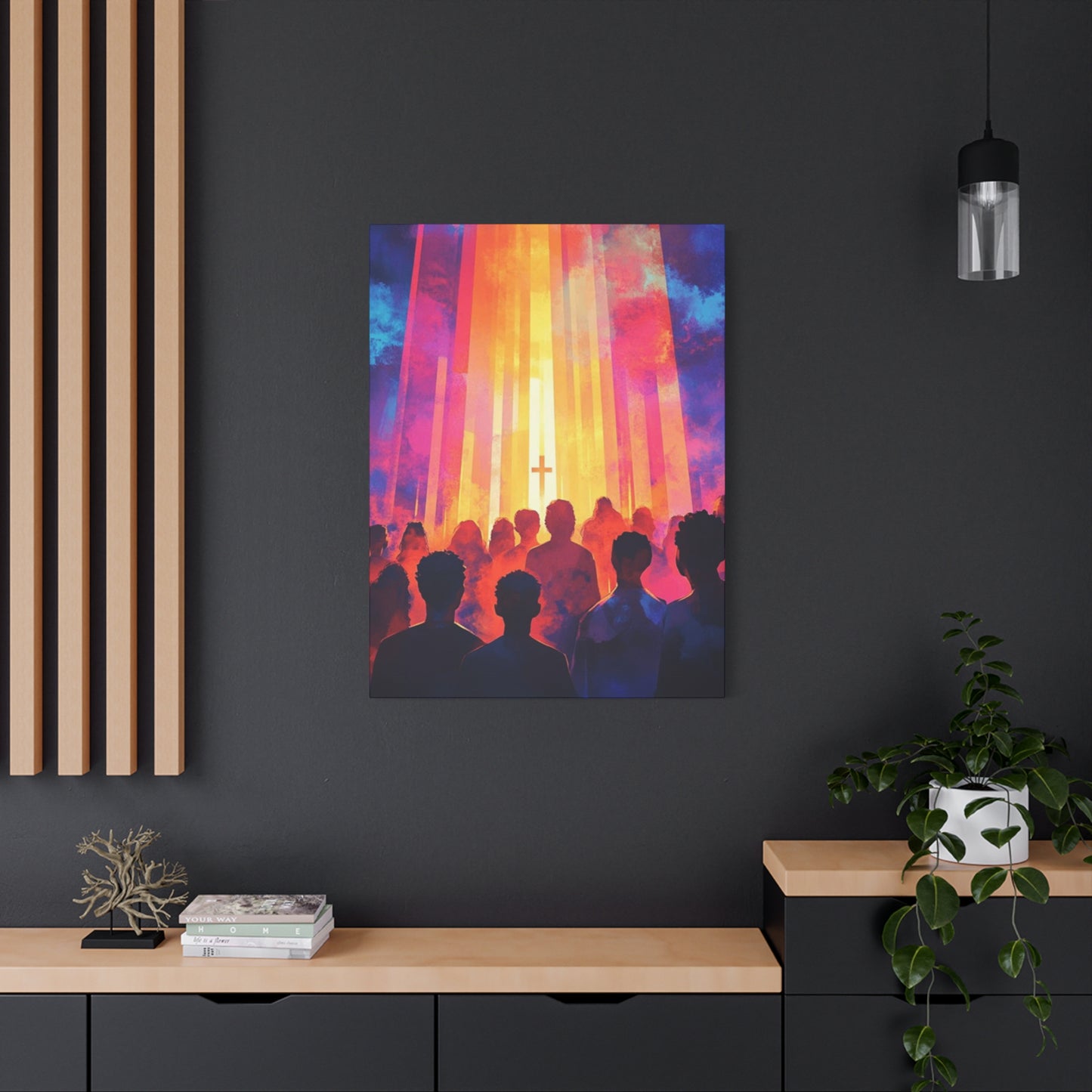
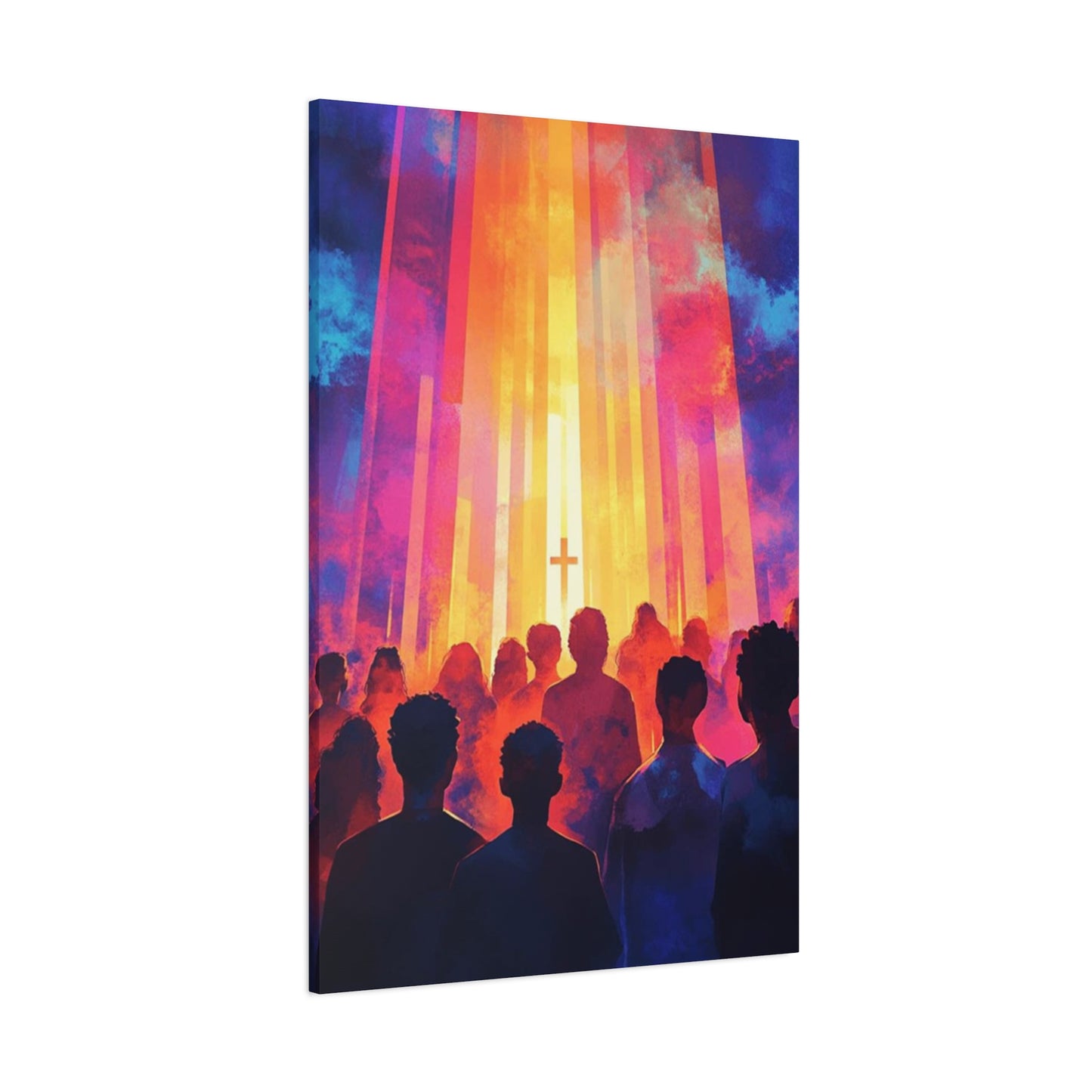
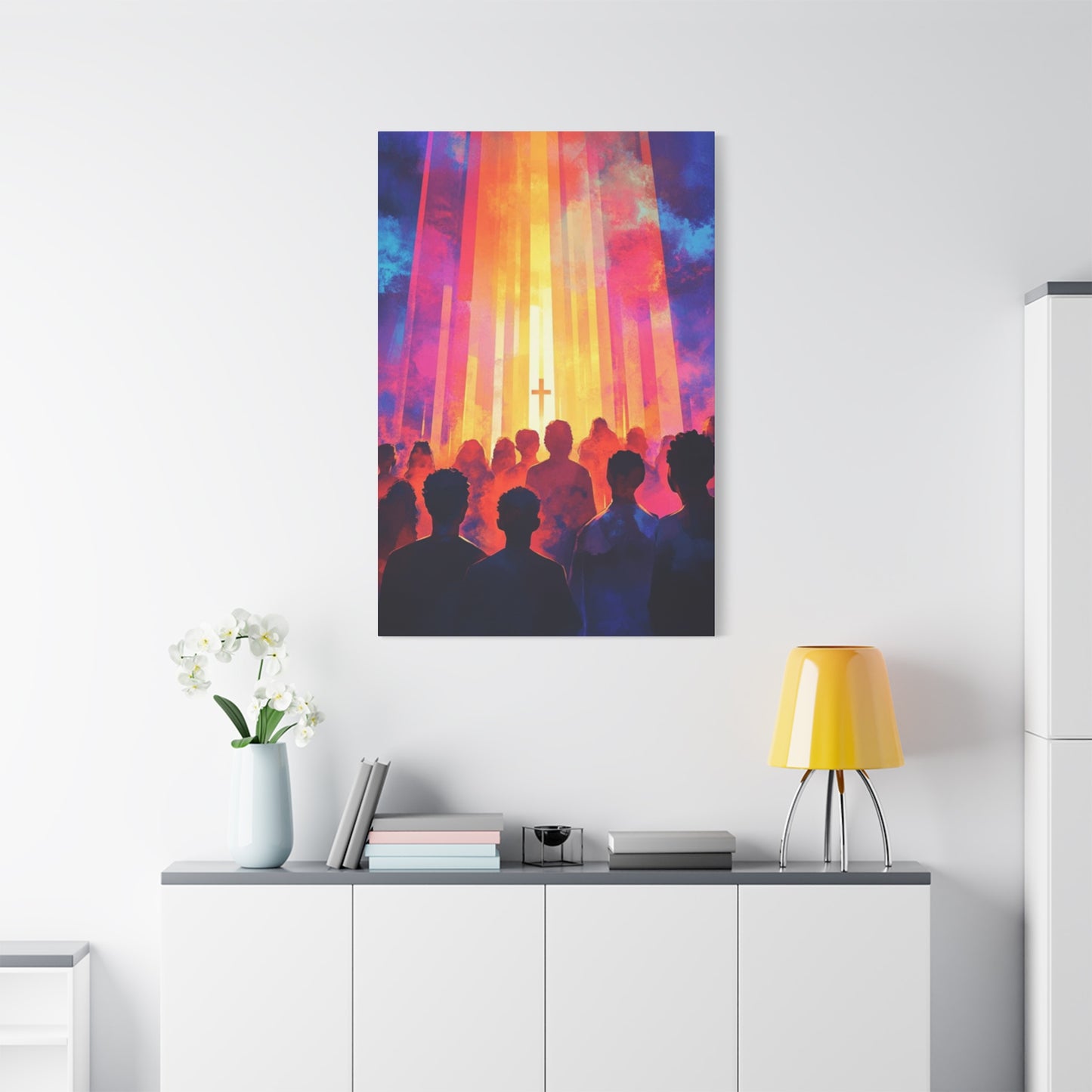
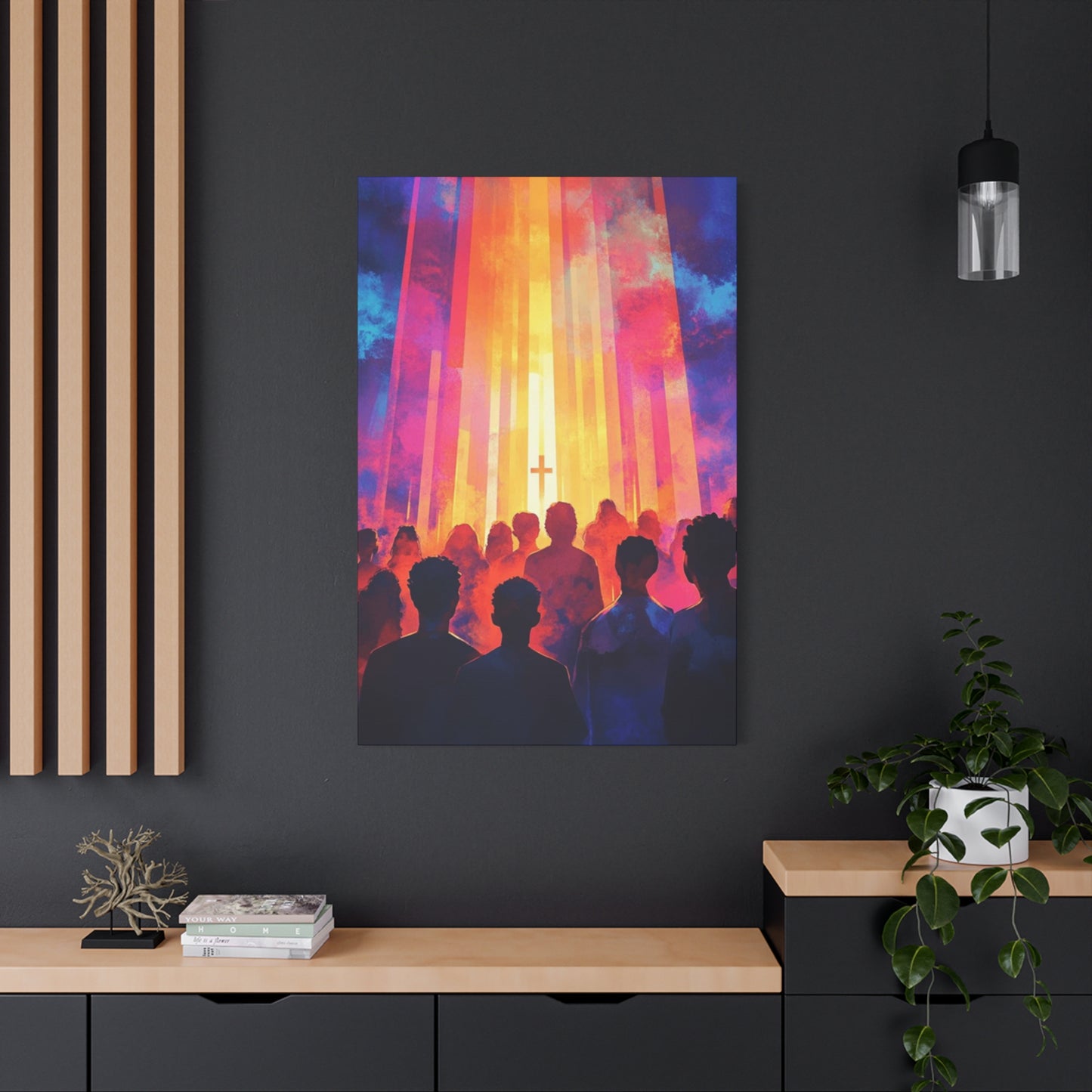
Abstract Spiritual Christianity Wall Art & Canvas Prints
Abstract Spiritual Christianity Wall Art & Canvas Prints
Couldn't load pickup availability
Decorating Sacred Spaces with Abstract Spiritual Christianity Wall Art: A Comprehensive Exploration
Abstract spiritual Christianity wall art represents an extraordinary intersection where divine inspiration meets contemporary artistic expression, creating powerful visual narratives that transcend conventional religious imagery. This remarkable form of sacred decoration has evolved significantly over recent decades, moving beyond traditional iconography to embrace fluid forms, symbolic color palettes, and ethereal compositions that speak directly to the soul. The essence of this artistic movement lies in its ability to communicate profound theological concepts through non-representational forms, allowing believers to connect with their faith on a deeply personal and contemplative level.
The journey of incorporating abstract elements into Christian visual worship began as artists sought new ways to express timeless spiritual truths in a language that resonated with modern sensibilities. Unlike conventional religious artwork that relies heavily on literal depictions of biblical scenes or figures, abstract interpretations offer viewers the freedom to discover their own spiritual meanings within the composition. This approach acknowledges that divine presence cannot always be contained within representational boundaries, instead flourishing in the realm of suggestion, emotion, and intuitive understanding.
Contemporary believers increasingly gravitate toward these non-traditional forms of sacred decoration because they provide a fresh perspective on ancient truths. The abstract nature of these pieces invites prolonged contemplation, encouraging viewers to spend time in quiet reflection as they discover new layers of meaning with each observation. This meditative quality aligns perfectly with contemplative prayer practices, transforming ordinary living spaces into sanctuaries conducive to spiritual growth and divine communion.
The color choices in abstract spiritual Christianity wall art often carry profound symbolic significance rooted in centuries of Christian tradition. Deep blues evoke the infinite nature of heaven and divine mystery, while radiant golds symbolize divine light and glory. Crimson reds represent the sacrifice of Christ and the transformative power of divine love, whereas pristine whites communicate purity, holiness, and resurrection hope. Artists carefully select and blend these hues to create visual symphonies that resonate with the spiritual frequencies of faith, hope, and love.
Texture plays an equally vital role in these compositions, with many contemporary pieces incorporating dimensional elements that add physical depth to spiritual concepts. Layered paint applications, mixed media components, and experimental techniques create surfaces that catch light in dynamic ways, symbolizing how divine truth illuminates different aspects of our understanding depending on our perspective and circumstances. This interplay between light and texture serves as a powerful metaphor for spiritual revelation, reminding viewers that God reveals wisdom progressively as we grow in faith and maturity.
The scale of abstract spiritual Christianity wall art significantly impacts its ability to transform a space and influence the atmosphere of prayer and worship. Large-format pieces command attention and create focal points for meditation, while smaller works offer intimate moments of connection with the divine. Many collectors curate entire galleries within their homes, arranging multiple pieces to create visual conversations that explore different facets of their faith journey. This approach to sacred decoration acknowledges that spiritual life encompasses varied experiences, from mountaintop moments of transcendent joy to valley seasons of searching and questioning.
Symbolic Language and Hidden Meanings Within Non-Representational Sacred Compositions
The vocabulary of abstract spiritual Christianity wall art extends far beyond what immediately meets the eye, incorporating a rich lexicon of symbols, patterns, and visual metaphors that communicate theological truths in subtle yet powerful ways. Artists working in this genre draw upon centuries of Christian symbolism while simultaneously developing new visual languages that speak to contemporary spiritual experiences. Understanding these symbolic elements enriches the viewing experience, transforming casual observation into profound encounters with sacred mystery.
Geometric patterns frequently appear in abstract Christian artwork, with circles representing eternity and the infinite nature of God's love. Triangles symbolize the Trinity, depicting the threefold nature of the divine through their three distinct points united in one shape. Spirals evoke spiritual journeys, illustrating the path of sanctification as believers circle ever closer to the heart of God while ascending toward heavenly realities. These geometric forms often overlap and intersect within compositions, suggesting the interconnectedness of all spiritual truths and the way different aspects of faith complement and illuminate one another.
Lines carry tremendous symbolic weight in abstract spiritual Christianity wall art, with vertical elements pointing toward heaven and humanity's aspiration for divine connection. Horizontal lines suggest peace, rest, and the grounding presence of God's faithfulness. Diagonal movements create dynamic tension, representing the active nature of faith and the Holy Spirit's energizing presence in believers' lives. Curved lines flow with grace and gentleness, evoking divine mercy and the tender care with which God shepherds His people through life's varied landscapes.
The negative space within abstract compositions deserves particular attention, as these empty areas often carry profound meaning. In Christian theology, the concept of kenosis describes how Christ emptied Himself to take on human form, and artists echo this principle by allowing emptiness to speak as eloquently as filled spaces. These voids invite contemplation, suggesting the mystery of God's otherness and the humble recognition that human understanding cannot fully comprehend divine nature. Viewers find themselves drawn into these quiet spaces, discovering that silence and absence can communicate truths that words and images cannot capture.
Layering techniques in abstract spiritual Christianity wall art mirror the multi-dimensional nature of scriptural interpretation and theological understanding. Just as biblical texts contain literal, allegorical, moral, and anagogical meanings, layered artwork invites viewers to peel back surface appearances and discover deeper significance beneath. Artists achieve this effect through various methods, including transparent washes that allow underlying colors to show through, physical layering of different materials, and optical effects that create the illusion of depth and dimension.
Color gradations and transitions within these pieces often represent spiritual themes of transformation, growth, and progressive revelation. Gentle shifts from darkness to light illustrate the journey from spiritual blindness to enlightenment, from sin to redemption, from death to resurrection life. More dramatic color changes might symbolize conversion experiences or dramatic interventions of divine grace. These chromatic narratives allow viewers to see their own spiritual stories reflected in the artwork, creating personal connections that deepen over time.
Movement and flow characterize many abstract spiritual Christianity wall art pieces, with gestural brushwork and dynamic compositions suggesting the active, living nature of faith. Unlike static religious imagery that freezes moments in time, abstract works pulse with energy and vitality, reminding viewers that relationship with the divine involves ongoing dialogue, growth, and transformation. This sense of movement also evokes the wind of the Spirit, that unpredictable yet purposeful force that animates authentic Christian experience.
Creating Contemplative Environments Through Strategic Placement and Thoughtful Curation
The strategic positioning of abstract spiritual Christianity wall art within living spaces dramatically influences its capacity to foster prayerful atmospheres and facilitate spiritual encounters. Thoughtful placement considers not only aesthetic principles but also the practical realities of how people move through and use different areas of their homes. The goal extends beyond mere decoration to the intentional creation of environments that support and nurture spiritual disciplines, making every glance at the artwork an invitation to redirect attention toward divine realities.
Entryways and foyers present prime opportunities for establishing spiritual intention from the moment someone crosses the threshold. Placing abstract spiritual Christianity wall art in these transitional spaces serves as a visual reminder to enter with mindfulness and reverence, leaving behind worldly concerns and opening one's heart to sacred possibilities. These pieces function as gatekeepers of sorts, marking the boundary between public and private space while inviting both residents and guests to recognize the home as a place where divine presence dwells.
Living rooms and common areas benefit from larger, more dramatic pieces that serve as natural conversation starters and focal points for family gatherings. When abstract spiritual Christianity wall art occupies prominent positions in shared spaces, it normalizes spiritual conversation and creates opportunities for intergenerational discussions about faith, meaning, and divine mystery. These pieces become part of the family story, witnessing celebrations and comforting during trials, their constant presence offering stability and reminding household members of unchanging spiritual truths amidst life's constant changes.
Bedrooms require gentler, more intimate expressions of abstract spiritual Christianity wall art that promote peace and rest while encouraging morning and evening devotions. The last image viewed before sleep and the first upon waking exerts subtle but significant influence on the mind and spirit. Artwork featuring calming color palettes and flowing forms supports restful sleep while providing focal points for beginning and ending each day with prayerful reflection. Many believers find that placing sacred artwork where they can view it from their beds enriches their prayer lives and helps them maintain awareness of divine presence throughout both waking and sleeping hours.
Home offices and workspaces particularly benefit from abstract spiritual Christianity wall art that reinforces the sacred nature of all vocations and reminds believers that work itself can constitute a form of worship. Pieces emphasizing themes of purpose, calling, and divine partnership help combat the tendency to compartmentalize faith, instead integrating spiritual awareness into professional life. The presence of sacred artwork in work environments serves as an anchor during stressful moments and a reminder that ultimate meaning and value derive from divine rather than worldly sources.
Dedicated prayer rooms or meditation spaces allow for the most intentional curation of abstract spiritual Christianity wall art, with multiple pieces carefully selected to create cohesive environments specifically designed for encounter with the divine. These sacred corners or entire rooms might feature complementary works that explore related themes or present different facets of a single spiritual concept. The artwork in these spaces works synergistically with other elements such as comfortable seating, appropriate lighting, and meaningful objects to create comprehensive environments that support extended periods of prayer, contemplation, and spiritual reading.
Lighting considerations profoundly affect how abstract spiritual Christianity wall art communicates its intended meanings and creates desired atmospheres. Natural light changes throughout the day, causing artwork to appear different at various times and in different seasons, symbolizing how spiritual understanding evolves and matures. Artificial lighting should be carefully planned to enhance rather than detract from the artwork's impact, with options for varying intensity to support different moods and activities. Some collectors install picture lights or track lighting that specifically highlights their sacred artwork, while others prefer more ambient illumination that allows pieces to emerge naturally from their surroundings.
The relationship between abstract spiritual Christianity wall art and surrounding furnishings and decor elements requires careful consideration to ensure harmony and prevent visual competition. Sacred artwork should complement rather than clash with the overall aesthetic of a space, though this doesn't require bland uniformity. Instead, thoughtful curation creates visual dialogue between different elements, with furniture, textiles, and accessories supporting and enhancing the spiritual themes expressed in the artwork. This holistic approach to sacred interior design acknowledges that every element within a space contributes to its overall atmosphere and spiritual resonance.
Color Psychology and Spiritual Significance in Contemporary Sacred Visual Works
The chromatic choices within abstract spiritual Christianity wall art operate on multiple levels simultaneously, engaging viewers through both psychological responses hardwired into human perception and culturally constructed symbolic systems that have evolved throughout Christian history. This dual operation makes color one of the most powerful tools available to artists seeking to create works that impact viewers emotionally, intellectually, and spiritually. Understanding these color dynamics enables collectors to select pieces that align with their devotional goals and personal spiritual needs.
Blue tones dominate many abstract spiritual Christianity wall art pieces, ranging from pale celestial shades reminiscent of dawn skies to deep navy hues that evoke the profound mystery of God's nature. Psychologically, blue promotes calmness, contemplation, and mental clarity, making it ideal for artwork intended to support prayer and meditation. Theologically, blue connects to heaven, infinity, and the transcendent aspects of divinity that exceed human comprehension. The Virgin Mary's traditional association with blue robes has further cemented this color's connection to purity, faithfulness, and devotion within Christian iconographic tradition.
Gold and yellow hues bring warmth, energy, and divine radiance to abstract spiritual Christianity wall art, evoking the glory of God's presence and the light of revelation that illuminates spiritual understanding. These colors psychologically stimulate optimism and joy while their metallic variants create literal reflection of light, turning artwork into active rather than passive objects that interact with their environment. Gold's historical use in Byzantine mosaics and illuminated manuscripts connects contemporary abstract works to centuries of Christian artistic tradition, creating continuity between ancient and modern expressions of faith.
Red appears in abstract spiritual Christianity wall art with profound symbolic weight, representing both the blood of Christ shed for humanity's redemption and the fire of the Holy Spirit that purifies and empowers believers. Psychologically, red stimulates emotional intensity and passion, making it particularly effective in artwork designed to stir devotion and inspire active faith. Artists employ red strategically, sometimes using it sparingly as a powerful accent and other times allowing it to dominate compositions, creating works that pulse with spiritual energy and urgency.
Purple combines red's passion with blue's contemplative qualities, resulting in a hue traditionally associated with royalty, sovereignty, and penitence. In abstract spiritual Christianity wall art, purple evokes Christ's kingship and divine authority while also connecting to liturgical seasons of preparation and reflection. This complex color invites viewers into deeper examination of their spiritual lives, supporting practices of confession, repentance, and realignment with divine purposes. The psychological effect of purple promotes introspection and serious consideration, making it ideal for artwork intended to provoke spiritual self-examination.
White and cream tones create visual breathing room within abstract spiritual Christianity wall art, representing purity, holiness, resurrection, and the righteousness believers receive through Christ. These light values also serve practical compositional purposes, providing contrast that makes other colors more vibrant and creating pathways for the eye to travel through complex pieces. Psychologically, white promotes clarity and sense of spaciousness, helping viewers feel spiritually refreshed and renewed. The interplay between white spaces and more saturated colors often symbolizes the relationship between divine holiness and human experience.
Green shades connect abstract spiritual Christianity wall art to themes of life, growth, renewal, and hope. This color bridges earthly and heavenly realities, grounding spiritual truths in creation's testimony to divine creativity and sustaining power. Psychologically, green promotes balance, harmony, and restoration, making it particularly appropriate for spaces dedicated to rest, healing, and recuperation. Artists often employ green to suggest the fruit of the Spirit growing in believers' lives and the promise of eternal life represented by ever-living vegetation.
Black and dark values within abstract spiritual Christianity wall art carry complex meanings, simultaneously representing sin, death, and spiritual darkness while also evoking the fertile void from which creation emerged and the cloud of unknowing through which believers approach divine mystery. Rather than merely negative space, intentional darkness creates drama through contrast and invites viewers to recognize that not all spiritual truths operate in clear light. Some understanding requires venturing into mystery, trusting divine guidance through uncertain terrain. Psychologically, black adds gravity and depth, preventing compositions from becoming saccharine or superficial.
Color harmonies and contrasts within individual pieces create visual rhythm and theological dialogue. Complementary color schemes generate dynamic tension that can represent spiritual struggles or the paradoxes inherent in Christian theology. Analogous color progressions create gentle, harmonious effects suited to contemplative moods. Triadic color relationships suggest the Trinity through their three-point balance. Artists manipulate these color relationships with great intentionality, understanding that viewers subconsciously respond to chromatic interactions in ways that can support or undermine the spiritual messages they hope to communicate.
Material Choices and Artistic Methods That Enhance Spiritual Communication
The physical materials and techniques employed in creating abstract spiritual Christianity wall art significantly influence both the aesthetic qualities and spiritual resonance of finished pieces. Contemporary artists draw upon an expansive palette of media, from traditional oil and acrylic paints to experimental combinations incorporating fabric, metal, wood, resin, and found objects. These material choices aren't merely technical decisions but theological statements about the nature of creation, the incarnational principle of spirit taking physical form, and the sacramental understanding that material reality can convey spiritual truth.
Canvas remains the most popular substrate for abstract spiritual Christianity wall art, offering versatility, portability, and a surface that accepts various media. The woven texture of canvas can be incorporated into the artistic effect, with some creators leaving portions of raw canvas visible to suggest the fundamental ground upon which divine work builds. Stretched canvas on wooden frames provides a traditional presentation, while canvas panels offer lighter weight alternatives. Gallery-wrapped canvases, where the image continues around the edges, create contemporary, frame-free presentations that emphasize the artwork as object rather than window.
Wood panels provide an alternative substrate that connects abstract spiritual Christianity wall art to ancient icon painting traditions. The solid, substantial nature of wood adds gravitas to spiritual artwork while offering a smooth surface that supports fine detail and precise mark-making. Some artists intentionally allow wood grain to show through their compositions, celebrating the organic beauty of natural materials and suggesting connections between creation and creator. Reclaimed wood introduces additional layers of meaning, with the material's history and character contributing to the artwork's narrative.
Mixed media approaches expand the expressive possibilities of abstract spiritual Christianity wall art by combining different materials within single compositions. Artists might incorporate collaged elements such as text fragments from sacred writings, pressed botanicals symbolizing creation, metallic leaf suggesting divine glory, or translucent layers creating depth and mystery. These assemblages operate as visual poems, with each component contributing meaning to the overall composition. The act of bringing together diverse materials echoes the biblical vision of unity in diversity and the gathering of all things under Christ's lordship.
Acrylic paints dominate contemporary abstract spiritual Christianity wall art due to their versatility, quick drying time, and ability to be manipulated in countless ways. Artists can apply acrylics in thin, watercolor-like washes or thick, textured impasto. These paints mix readily with various mediums that alter their properties, creating effects ranging from high gloss to matte, transparent to opaque. The fast-drying nature of acrylics allows for rapid layering and spontaneous working methods that some artists find conducive to creating work that feels spiritually inspired rather than laboriously constructed.
Oil paints offer different qualities that some creators prefer for abstract spiritual Christianity wall art, particularly the rich color saturation and extended working time that allows for subtle blending and gradual development of compositions. The luminous quality of oil paint, resulting from how pigments suspend in oil binders, creates depth and glow that many artists find appropriate for sacred subject matter. The slower drying time supports contemplative working methods, with pieces developing gradually over weeks or months in ways that parallel spiritual formation's gradual work.
Texture mediums and dimensional techniques add tactile interest to abstract spiritual Christianity wall art, creating surfaces that engage touch as well as sight. Thick applications of paint, added texture mediums, or collaged elements produce relief surfaces that cast shadows and catch light dynamically. This dimensionality serves as metaphor for how spiritual truths have substance and impact beyond merely intellectual concepts. Some viewers find that textured artwork enhances their prayer experience, as the physical presence of dimensional surfaces reinforces the reality of spiritual realities being encountered.
Printing technologies increasingly enable the reproduction of original abstract spiritual Christianity wall art, making pieces accessible to wider audiences at various price points. High-quality giclée prints on canvas or fine art paper capture remarkable detail and color fidelity, allowing collectors to acquire faithful reproductions of significant works. Some artists create digital artwork specifically for print production, using software tools to generate compositions that exist first as digital files. While debates continue about whether prints qualify as authentic art, many believers find that well-produced reproductions effectively support their devotional lives and provide meaningful decoration for their sacred spaces.
Alternative materials continue to push boundaries in abstract spiritual Christianity wall art, with artists experimenting with everything from concrete and plaster to glass and ceramics. Three-dimensional pieces blur the line between painting and sculpture, while installations transform entire rooms into immersive spiritual environments. These experimental approaches attract artists who feel called to explore new territories in sacred art, believing that the Spirit continues to inspire fresh expressions that speak to contemporary hearts while honoring timeless truths.
Theological Themes Expressed Through Non-Literal Visual Interpretation
Abstract spiritual Christianity wall art excels at communicating complex theological concepts that resist literal representation, giving visual form to ideas that exist primarily in the realm of spirit and contemplation. This capacity to express the inexpressible makes abstract approaches particularly suitable for exploring the deepest mysteries of Christian faith. Artists working in this mode serve as visual theologians, translating doctrinal truths into experiential encounters that engage viewers holistically rather than merely intellectually.
The Trinity presents unique challenges for visual representation, as this central Christian doctrine describes God as simultaneously one essence and three persons. Abstract spiritual Christianity wall art addresses this mystery through various approaches, including interlocking geometric forms suggesting distinct yet inseparable persons, three distinct color areas unified within a single composition, or dynamic movements suggesting the eternal mutual indwelling of Father, Son, and Spirit. These abstract explorations often communicate the Trinity's mystery more effectively than literal attempts to depict three separate figures.
Incarnation themes appear in abstract spiritual Christianity wall art through juxtapositions of contrasting elements that suggest how divine and human natures united in Christ. Artists might combine ethereal, luminous areas with grounded, earthy sections, or pair geometric precision with organic fluidity. These visual strategies express the paradox of God entering creation, spirit taking flesh, infinite condensing into finite without losing infinity. The resulting compositions invite meditation on the profound implications of incarnation for understanding both divine nature and human potential.
Redemption narratives find powerful expression through color progressions and compositional movements that suggest journey from darkness to light, bondage to freedom, death to life. Abstract spiritual Christianity wall art can trace this transformative arc through the spatial organization of elements, drawing viewers' eyes from left to right or bottom to top in ways that mirror the spiritual journey from sin to salvation. The very structure of these compositions embodies redemption's narrative shape, making the artwork itself a testament to transformative grace.
The concept of divine presence permeating all reality translates into abstract spiritual Christianity wall art through compositions that suggest infinite expansion beyond the picture plane, or through techniques that create the impression of light emanating from within the artwork itself. These pieces remind viewers that God isn't confined to specific locations or times but fills all things while remaining distinct from creation. The artwork becomes a window or portal, not depicting God directly but creating openings through which divine presence might be sensed.
Resurrection hope animates abstract spiritual Christianity wall art through upward movements, explosive energy radiating from central points, and triumphant color combinations that burst with vitality. Artists express resurrection not as historical event alone but as ongoing reality and future promise, creating works that pulse with life overcoming death. The physical presence of these pieces in believers' homes serves as constant reminder that Christian faith rests on the historical fact and continuing power of Christ's resurrection.
Spiritual warfare themes emerge in abstract spiritual Christianity wall art through dynamic tensions between contrasting elements, suggesting the reality of cosmic conflict between good and evil, light and darkness. These pieces avoid simplistic dualism, instead showing struggle within contexts of assured victory, darkness yielding to advancing light. The compositions often include areas of conflict and resolution, acknowledging present battles while pointing toward ultimate peace.
Sanctification's gradual work appears through layered compositions suggesting progressive transformation, or through subtle variations that invite extended viewing to discover changes and developments. Abstract spiritual Christianity wall art exploring this theme often rewards repeated contemplation, revealing new aspects over time much as spiritual growth unfolds gradually through sustained relationship with God. These pieces encourage patience with the sanctification process in viewers' own lives.
Divine mystery receives appropriate treatment in abstract spiritual Christianity wall art that deliberately maintains ambiguity, refusing easy interpretation or complete comprehension. These works celebrate the vastness of God's nature that exceeds human understanding, creating visual experiences of approaching without grasping, sensing without fully seeing. The artwork's resistance to complete explanation mirrors theology's acknowledgment that divine nature ultimately transcends human categories and language.
Personal Devotion Enhancement Through Strategic Sacred Artwork Selection
Selecting abstract spiritual Christianity wall art for personal spaces involves more than aesthetic preference, requiring prayerful discernment about which pieces will genuinely support individual spiritual journeys and strengthen devotional practices. Believers approach this selection process from various angles, some beginning with specific theological themes they wish to contemplate, others drawn to particular artistic styles or color palettes. The most meaningful acquisitions typically result from patient seeking and openness to unexpected connections, as the right piece often announces itself through an almost palpable sense of recognition.
Individual spiritual seasons influence what types of abstract spiritual Christianity wall art resonate most deeply at particular times. Someone walking through grief might gravitate toward pieces emphasizing comfort and divine presence in darkness, while another celebrating answered prayer may seek artwork radiating with joy and thanksgiving. Recognizing that different pieces serve different purposes allows believers to thoughtfully curate collections that meet evolving spiritual needs, sometimes rotating artwork between prominent and storage locations as circumstances change.
Scripture passages that hold personal significance often guide selection of abstract spiritual Christianity wall art, with believers seeking visual interpretations of beloved verses. While abstract pieces don't illustrate passages literally, they can evoke the emotional and spiritual essence of scriptural truths in powerful ways. A piece suggesting vast expanses might accompany meditation on God's immeasurable love, while one featuring anchor imagery could support contemplation of hope that steadies the soul.
Personality factors legitimately influence preferences in abstract spiritual Christianity wall art, with contemplative individuals often preferring subtle, understated pieces that support quiet reflection, while more exuberant personalities might choose bold, dynamic works celebrating God's power and majesty. Rather than considering these differences problematic, believers can embrace how God created diverse temperaments that connect with Him through varied pathways. The artwork that effectively supports one person's prayer life might distract another, making it essential to trust personal leading rather than defaulting to others' recommendations.
Life circumstances and current challenges sometimes direct attention toward particular abstract spiritual Christianity wall art themes. Someone facing uncertainty might seek pieces suggesting divine guidance and providence, while another dealing with relationship conflicts could benefit from artwork exploring themes of reconciliation and peace. This responsive approach to sacred art collection acknowledges that spiritual resources serve practical purposes in navigating real-life situations, not merely decorating walls.
Budget considerations affect how believers acquire abstract spiritual Christianity wall art, with options ranging from expensive original pieces to affordable prints. Rather than viewing budget limitations as purely restrictive, many collectors find that working within financial constraints encourages more thoughtful, intentional selections. Less expensive pieces may prove equally meaningful as costly acquisitions when chosen prayerfully, and the practice of saving toward a desired work can itself become a spiritual discipline of patience and delayed gratification.
Collaboration with artists who create abstract spiritual Christianity wall art opens possibilities for commissioned pieces tailored to individual spiritual needs and aesthetic preferences. These collaborations begin with conversations about the collector's faith journey, meaningful scriptures, color preferences, and intended placement. Artists then create custom works responding specifically to these parameters, resulting in pieces that carry unique personal significance. While commissioned artwork requires larger investments of both money and time, many believers treasure these custom pieces as tangible expressions of their spiritual narratives.
Gift-giving practices incorporate abstract spiritual Christianity wall art as believers mark significant spiritual milestones in others' lives. Baptisms, confirmations, ordinations, anniversaries, and milestone birthdays all present opportunities to give sacred artwork that commemorates occasions while providing ongoing spiritual support. Selecting pieces for others requires sensitivity to recipients' aesthetic sensibilities and spiritual maturity, avoiding presumption while still choosing meaningfully. Well-chosen sacred artwork often becomes treasured possession that recipients associate with the giver's love and spiritual investment in their lives.
Cultural Contexts and Diverse Expressions Across Global Christian Communities
Abstract spiritual Christianity wall art manifests differently across various cultural contexts, as artists from diverse backgrounds bring their unique perspectives, aesthetic traditions, and spiritual experiences to creating sacred visual expressions. This cultural diversity enriches the global church's artistic heritage while raising important questions about contextualization, authenticity, and the relationship between particular cultural expressions and universal spiritual truths. Believers increasingly recognize that Christian faith expresses itself legitimately through countless cultural forms, each contributing insights that others miss.
Western abstract spiritual Christianity wall art often emphasizes individualism and personal spiritual experience, reflecting broader cultural values that prioritize individual relationship with God. These pieces frequently feature solitary figures or suggest intimate, one-on-one divine encounters. Color palettes tend toward sophisticated, sometimes muted tones, while compositional approaches favor balance and harmony. Western artists working in this genre often engage with art historical movements like Abstract Expressionism and Color Field painting, bringing these secular artistic developments into sacred service.
African Christian artists creating abstract spiritual Christianity wall art frequently incorporate bold colors, dynamic patterns, and references to traditional textile designs and body decoration. These pieces pulse with communal energy, reflecting cultural values that emphasize collective rather than purely individual spirituality. African abstract sacred art often features circular compositions suggesting community gathering and shared celebration. The joyful exuberance characterizing much African Christian worship finds visual expression in artwork that celebrates rather than solemnly contemplates divine reality.
Asian abstract spiritual Christianity wall art draws upon aesthetic principles from calligraphy, ink painting, and contemplative traditions that have shaped artistic expression throughout the continent. These pieces often feature masterful use of negative space, minimalist compositions, and subtle color harmonies that invite meditation. Asian Christian artists bring sensibilities shaped by cultures valuing restraint, symbolic suggestion, and the space between things. The resulting artwork tends toward quiet, contemplative qualities well-suited to prayer and spiritual reflection.
Latin American abstract spiritual Christianity wall art often incorporates vibrant color combinations reflecting the region's visual culture, from bright murals to festive religious celebrations. These pieces frequently suggest movement and rhythm, connecting to musical traditions and the bodily expression characterizing much Latin American worship. Artists from these contexts often work large, creating bold statements that transform environments dramatically. Their artwork celebrates the sensory, embodied nature of spirituality, rejecting false divisions between physical and spiritual realities.
Indigenous Christian artists worldwide create abstract spiritual Christianity wall art that honors both their cultural heritage and Christian faith, synthesizing traditional symbols and aesthetic approaches with biblical themes. These pieces often carry layered meanings, readable both within indigenous symbolic systems and Christian theological frameworks. The artwork resulting from this cross-cultural synthesis enriches global Christianity by demonstrating faith's ability to take root in any cultural soil while retaining its essential character.
Middle Eastern Christian communities, particularly ancient churches with unbroken histories extending to Christianity's earliest centuries, maintain artistic traditions that influence contemporary abstract spiritual Christianity wall art. Artists from these contexts draw upon deep iconographic traditions while experimenting with non-representational approaches. Their work often features geometric patterns reflecting Islamic artistic influence in the region, while maintaining distinctly Christian theological content. These pieces testify to Christianity's Middle Eastern origins and ongoing presence despite contemporary challenges.
Urban and rural contexts shape abstract spiritual Christianity wall art differently, with urban pieces often reflecting cosmopolitan sophistication and exposure to diverse artistic influences, while rural artwork may connect more directly to natural world and agricultural rhythms. Urban abstract sacred art might engage with contemporary social issues and cultural critique, while rural pieces often celebrate creation's testimony to divine creativity. Both contexts produce valuable expressions, with neither inherently superior to the other.
Generational differences influence abstract spiritual Christianity wall art preferences and creation methods, with younger artists often incorporating digital tools and street art influences, while older creators may work primarily with traditional media and techniques. Younger believers sometimes prefer bolder, more experimental sacred artwork that challenges conventions, while older Christians may gravitate toward pieces displaying mastery of classical approaches. Intergenerational dialogue around sacred art preferences offers opportunities for mutual enrichment as different age groups share their perspectives and learn from one another.
Sizing Considerations and Proportional Relationships in Sacred Space Design
The physical dimensions of abstract spiritual Christianity wall art dramatically affect its impact and appropriateness for various settings, with scale functioning as a crucial element in how pieces communicate their intended meanings and influence surrounding environments. Understanding principles of proportion and spatial relationship enables believers to select and position artwork effectively, creating balanced, harmonious interiors that support spiritual purposes without overwhelming occupants or appearing insignificant.
Large-format abstract spiritual Christianity wall art, typically measuring four feet or more in any direction, commands immediate attention and establishes dominant presence within rooms. These substantial pieces work best in generous spaces with high ceilings and adequate viewing distance, where their full impact can be appreciated without overwhelming viewers. Large artwork often serves as room's focal point around which other design elements organize, creating clear visual hierarchy that directs attention and establishes priorities within the space.
Medium-sized pieces, generally ranging from two to four feet in their longest dimension, offer versatility for most residential settings. Abstract spiritual Christianity wall art at this scale provides significant presence without dominating environments, working well above furniture, in hallways, or as part of gallery wall arrangements. These moderately sized pieces allow comfortable viewing from typical furniture seating distances, making them practical for living rooms, bedrooms, and offices where people spend extended time.
Small-scale abstract spiritual Christianity wall art, measuring under two feet in any direction, provides intimate viewing experiences suitable for close contemplation. These pieces work beautifully in personal spaces like bedside tables, prayer corners, or home office desks where viewers naturally sit or stand near them. Small artwork also functions well in groupings, with multiple pieces arranged to create larger visual statements while maintaining individual character.
Proportional relationships between artwork and wall space require careful consideration to avoid pieces appearing lost on expansive walls or cramped on smaller ones. General guidelines suggest artwork should occupy roughly two-thirds to three-quarters the width of furniture placed below it, creating visual connection between pieces and their architectural context. However, these guidelines allow flexibility based on specific circumstances, artistic statement being made, and desired atmospheric effect.
Ceiling height influences appropriate artwork size, with taller rooms accommodating and even requiring larger pieces to maintain proper proportion. In rooms with eight-foot ceilings, artwork typically shouldn't exceed six feet in height, while spaces with ten or twelve-foot ceilings can handle much taller pieces. Vertical or horizontal orientation should align with room proportions, with wide pieces suiting wide walls and tall artwork complementing vertical architectural elements.
The relationship between abstract spiritual Christianity wall art size and viewing distance affects both aesthetic appreciation and spiritual impact. Artwork intended for contemplation from seated positions can feature more intricate detail than pieces designed for viewing across rooms. Understanding typical viewing distances for each location helps determine appropriate scale and complexity, ensuring artwork communicates effectively from its installed position.
Multiple pieces of varying sizes can be combined to create dynamic wall compositions, with larger works anchoring arrangements and smaller pieces providing supporting elements. These gallery wall approaches allow believers to explore themes through multiple related works, creating visual conversations between pieces. Successful multi-piece installations require careful planning of spacing, alignment, and visual weight distribution to achieve cohesive rather than chaotic results.
Architectural features like fireplaces, windows, doorways, and built-in shelving influence appropriate artwork sizing and placement. Abstract spiritual Christianity wall art should respond to these features rather than competing with them, either complementing their proportions or deliberately contrasting to create specific effects. Artwork placed above fireplaces, for instance, should relate proportionally to both the mantel width and the overall chimney breast height.
Framing Options and Presentation Methods That Honor Sacred Content
The presentation of abstract spiritual Christianity wall art significantly impacts how pieces integrate into spaces and communicate their spiritual content, with framing choices serving both practical and aesthetic purposes. Thoughtful framing protects artwork while enhancing its visual impact, creating transitions between pieces and surrounding environments, and sometimes adding theological layers through frame design and material choices. Understanding various framing approaches enables collectors to select options that honor both artwork and sacred purpose.
Traditional frames with ornate molding and rich finishes suit abstract spiritual Christianity wall art that connects to historical Christian artistic traditions or occupies formal, traditionally decorated spaces. These frames add gravitas and formality, signaling that artwork merits serious attention and consideration. Gold and silver leaf frames particularly enhance pieces incorporating these metallic tones, creating continuity between artwork and presentation. The additional visual weight of substantial frames helps smaller pieces hold their own on large walls.
Contemporary frame styles featuring clean lines and minimal ornamentation allow abstract spiritual Christianity wall art to speak with less interference from presentation elements. Simple wood frames in natural finishes suit pieces emphasizing organic qualities and creation themes. Metal frames in brushed finishes provide modern, refined presentations appropriate for artwork occupying contemporary interiors. These understated framing choices direct attention to artwork itself rather than surrounding elements.
Floating frames, which suspend artwork slightly in front of backing material, create dimensional effects that enhance abstract spiritual Christianity wall art's three-dimensional qualities. This presentation method particularly suits pieces with textured surfaces or dimensional elements, as the floating mount allows side-viewing that reveals surface qualities. The subtle shadow between artwork and backing adds visual interest while symbolically suggesting how spiritual realities hover between earthly and heavenly dimensions.
Gallery wraps, where canvas extends around stretcher bars with image continuing around sides, eliminate framing needs while creating contemporary, streamlined presentations. Abstract spiritual Christianity wall art prepared this way displays ready to hang, with no visual barrier between artwork and environment. This presentation method emphasizes artwork as object rather than window, celebrating the physical presence of pieces as material expressions of spiritual truths.
Final Thoughts
Decorating sacred spaces with abstract spiritual Christianity wall art offers a profound and contemporary way to deepen the spiritual atmosphere of your home. The intersection of faith and modern art creates a powerful avenue for self-expression, reflection, and connection with the divine. In sacred spaces—whether it's a prayer room, a dedicated corner for contemplation, or simply a part of your living room—abstract Christian art invites the viewer to engage with spirituality in a unique, personal way. Through colors, shapes, and forms that transcend traditional representations of religious imagery, abstract Christian art can create an environment that fosters prayer, meditation, and a deeper connection with Christ.
At the heart of abstract spiritual Christian wall art is the freedom to interpret religious symbols, figures, and concepts beyond traditional iconography. By moving away from literal depictions, abstract art allows for an exploration of the essence of Christianity—the love, grace, sacrifice, and divine presence that underpin the faith. An abstract piece featuring the cross, the Holy Spirit, or Christ’s image may not aim to depict these symbols realistically, but instead seeks to convey their spiritual significance through visual language. The flowing lines, sweeping curves, or bold splashes of color are metaphors for the deep, complex emotions and ideas associated with Christian spirituality, inviting viewers to connect with their faith on a more intimate, reflective level.
What makes abstract spiritual Christianity wall art particularly compelling in sacred spaces is its ability to transcend cultural and personal boundaries. Traditional religious art often draws from centuries-old iconography, which can sometimes be limiting or inaccessible to contemporary viewers. Abstract Christian art, however, is open to interpretation, offering a space for viewers to bring their own experiences and understanding of Christianity into the artwork. Each piece speaks to the viewer in a way that feels relevant to their personal spiritual journey, making it a powerful addition to a sacred space.
These abstract works also have the ability to enhance the ambiance of a room, transforming a simple space into a place of spiritual nourishment. The calming colors of blues, purples, and golds, or the intense energy of reds and oranges, can create an environment that supports prayer and reflection. A serene abstract piece may bring a sense of peace and contemplation, ideal for quiet moments of devotion, while a more dynamic artwork might inspire a sense of joy, gratitude, or reverence. The use of light, shadow, and color dynamics in abstract spiritual Christian art further enhances the spiritual experience, offering a visual focus that encourages deep thought and connection with the divine.
Another key benefit of decorating with abstract spiritual Christian art is its versatility in a variety of sacred spaces. Whether you have a designated prayer room or are incorporating spiritual elements into a broader living area, abstract Christian art can complement any interior design. For minimalist settings, a simple, monochromatic depiction of the cross or a subtle swirl of light can provide a quiet yet powerful focal point. In more eclectic or vibrant spaces, a bold piece of abstract Christian art with striking colors and shapes can become the room's centerpiece, sparking conversation and contemplation. The versatility of these works ensures they can enhance any type of sacred space, creating an atmosphere that aligns with both your personal faith and your design aesthetic.
Moreover, abstract spiritual art has the potential to transform a room into a more intentional space, helping to set the tone for prayer, reflection, and spiritual practice. By incorporating religious art into your sacred spaces, you not only create a visually appealing environment but also cultivate a space that feels imbued with divine presence. These works act as a visual cue, reminding you of God’s love, Christ’s sacrifice, and the presence of the Holy Spirit as you move through your daily life. In this way, the art becomes not just decoration, but a catalyst for a deeper connection with your faith.
In conclusion, decorating sacred spaces with abstract spiritual Christianity wall art offers a meaningful and modern way to engage with Christianity in a visually dynamic way. The freedom of abstraction allows for a broader, more personal interpretation of spiritual themes, while the power of color, form, and symbolism creates an environment conducive to reflection, prayer, and worship. Whether you choose a subtle, minimalistic piece or a bold, expressive artwork, abstract Christian art has the ability to deepen your spiritual practice and enhance your connection with the divine. As you decorate your sacred spaces with these unique pieces, you invite both beauty and meaning into your home, creating a sanctuary that nurtures your faith and reflects the living power of God in the modern world.
Share