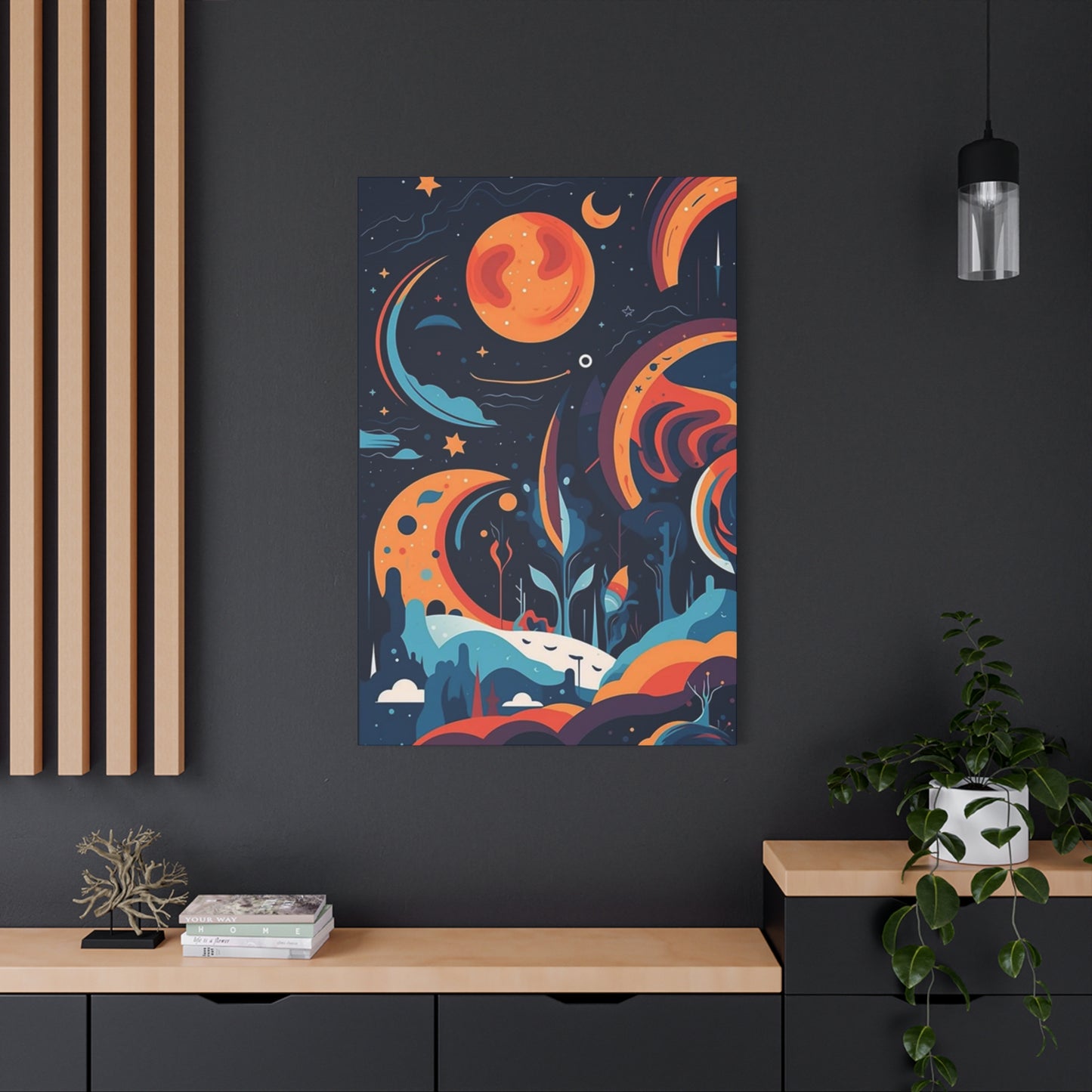


Abstract Moon & Space Poster Wall Art & Canvas Prints
Abstract Moon & Space Poster Wall Art & Canvas Prints
Couldn't load pickup availability
Celestial Dreamscapes: Creating Stunning Abstract Moon & Space Poster Wall Art for Your Living Spaces
The fascination with celestial bodies has captivated human imagination since the dawn of civilization. When we gaze upward at the night sky, we're drawn into a world of mystery, wonder, and infinite possibility. This profound connection to the cosmos has inspired countless individuals to bring elements of the universe into their personal spaces through carefully curated visual displays. Abstract Moon & Space Poster Wall Art represents more than mere decoration; it embodies our eternal quest to understand our place in the vast expanse of existence and serves as a daily reminder of the beauty that surrounds our planet.
The incorporation of lunar and cosmic imagery into interior environments has evolved dramatically over recent decades. What once consisted of simple photographic reproductions has transformed into a sophisticated art form that blends scientific accuracy with creative interpretation. Modern celestial artwork captures the imagination through innovative design approaches, unique color palettes, and thought-provoking compositions that challenge our perceptions of reality and fantasy.
Creating a captivating display with Abstract Moon & Space Poster Wall Art requires understanding numerous factors, from aesthetic principles to practical considerations. The journey toward achieving the perfect celestial sanctuary involves careful planning, creative vision, and attention to detail. Whether you're transforming a bedroom into a tranquil retreat, designing an inspiring workspace, or curating a conversation-starting gallery wall, the possibilities are limitless.
Exploring the Multifaceted Appeal of Lunar and Cosmic Imagery
The human psyche harbors an intrinsic attraction to celestial phenomena that transcends cultural boundaries and temporal limitations. This universal appeal stems from various sources, each contributing to our collective fascination with the heavens above. The moon, in particular, occupies a special place in human consciousness, serving as both a scientific marvel and a symbol of mystery, romance, and transformation throughout different cultures and eras.
Scientific curiosity drives much of our interest in lunar and cosmic subjects. The moon's influence on Earth's tides, its role in stabilizing our planet's axial tilt, and its potential as a stepping stone for further space exploration make it a subject of endless fascination. When we display Abstract Moon & Space Poster Wall Art in our homes, we're not merely decorating; we're celebrating humanity's quest for knowledge and our achievements in understanding the universe.
Emotional resonance represents another crucial aspect of celestial imagery's appeal. The moon cycles through phases that have been associated with human emotions, agricultural practices, and spiritual beliefs across millennia. Many individuals report feeling a deep, almost primal connection when viewing representations of the moon and stars. This emotional dimension transforms simple wall decorations into meaningful personal statements that reflect individual values, aspirations, and philosophical outlooks.
The aesthetic versatility of cosmic themes allows them to complement virtually any interior design scheme. Whether your preference leans toward minimalist modernism, rustic warmth, industrial edginess, or eclectic bohemian styling, celestial artwork can be adapted to suit your vision. The inherent drama of space imagery—with its stark contrasts, ethereal glows, and sense of infinite depth—adds visual interest without overwhelming other design elements.
Symbolic significance further enhances the appeal of lunar and cosmic art. Throughout history, celestial bodies have represented concepts such as femininity, intuition, cycles of renewal, navigation, enlightenment, and the passage of time. By incorporating Abstract Moon & Space Poster Wall Art into living spaces, individuals can subtly communicate their personal philosophies or create environments that support specific intentions, whether that's promoting restful sleep, inspiring creativity, or encouraging contemplation.
Navigating the Diverse Landscape of Celestial Artistic Styles
The world of cosmic artwork encompasses an extraordinary range of artistic approaches, each offering unique visual experiences and emotional impacts. Understanding these varied styles helps in selecting pieces that resonate with personal taste while fulfilling specific design objectives within a space.
Photorealistic depictions represent one end of the artistic spectrum, offering viewers detailed representations of lunar surfaces, planetary landscapes, and deep-space phenomena as captured by powerful telescopes and spacecraft. These pieces appeal to those who appreciate scientific accuracy and wish to bring a sense of authenticity to their displays. The intricate details visible in high-quality photorealistic Abstract Moon & Space Poster Wall Art can inspire awe and contemplation, serving as windows into worlds we may never physically visit.
Abstract interpretations take creative liberties with celestial subjects, reimagining them through the lens of artistic expression rather than documentary precision. These pieces might feature exaggerated colors, distorted proportions, or surreal compositions that evoke emotional responses rather than providing literal representations. Abstract cosmic art invites viewers to engage their imagination, projecting personal meanings onto shapes and patterns that suggest rather than dictate interpretations.
Minimalist approaches distill cosmic themes to their essential elements, often featuring clean lines, limited color palettes, and generous negative space. A minimalist lunar artwork might consist of a simple crescent shape against a monochromatic background, allowing the power of suggestion to create impact. This style works exceptionally well in contemporary spaces where visual restraint and intentional simplicity are prized design principles.
Vintage-inspired designs tap into nostalgia for mid-century space exploration aesthetics, often incorporating retro color schemes, aged textures, and design elements reminiscent of early astronomical charts or science fiction poster art from the golden age of space travel. These pieces bridge past and present, honoring the pioneers who first ventured beyond Earth's atmosphere while maintaining relevance in modern interiors.
Watercolor interpretations bring a soft, dreamlike quality to cosmic subjects, with colors bleeding and blending in ways that suggest the fluidity and mystery of the universe. The gentle transitions and organic irregularities inherent in watercolor techniques create pieces that feel both accessible and enchanting, perfect for spaces intended to promote relaxation and peaceful contemplation.
Geometric renderings impose mathematical precision onto celestial subjects, breaking lunar surfaces or planetary forms into angular facets, tessellations, or sacred geometry patterns. This approach appeals to those who appreciate the underlying mathematical principles governing celestial mechanics and find beauty in the intersection of art and science.
Collage and mixed-media works combine multiple artistic techniques, materials, or imagery sources to create layered, complex compositions. These pieces might integrate vintage astronomical diagrams with contemporary photography, hand-drawn elements with digital manipulation, or textural physical materials with printed imagery. The resulting depth and complexity reward extended viewing, revealing new details with each observation.
Illustrative styles ranging from whimsical to dramatic offer yet another approach to cosmic subjects. Hand-drawn or digitally illustrated Abstract Moon & Space Poster Wall Art can incorporate imaginative elements—perhaps adding fantastical creatures, architectural structures, or symbolic objects to lunar landscapes. These pieces often tell stories or convey specific moods, making them excellent conversation starters and focal points.
Selecting the Perfect Pieces for Your Unique Environment
Choosing celestial artwork that enhances rather than overwhelms a space requires thoughtful consideration of multiple factors. The decision-making process involves balancing personal preferences with practical design principles to achieve harmonious results.
Scale considerations rank among the most critical factors when selecting Abstract Moon & Space Poster Wall Art. A piece that's too small for a wall will appear insignificant and lost, failing to make the intended impact. Conversely, artwork that's excessively large can dominate a space uncomfortably, making rooms feel smaller or unbalanced. A useful guideline suggests that artwork should occupy approximately sixty to seventy-five percent of the available wall space for optimal visual weight. However, this rule can be adjusted based on other factors such as furniture arrangement, ceiling height, and the presence of other decorative elements.
Color harmony plays a crucial role in creating cohesive interior environments. When selecting cosmic artwork, consider how the piece's color palette relates to existing furnishings, wall colors, and accent elements within the space. Complementary color schemes can create dynamic energy, while analogous palettes promote visual calm. Some designers prefer artwork that introduces new accent colors, using the piece as an opportunity to expand the room's palette, while others seek artwork that reinforces existing color themes.
The intended mood of a space should guide artwork selection. Bedrooms benefit from calming, contemplative pieces that promote restfulness—perhaps serene lunar landscapes bathed in cool blues and silvers. Workspaces might call for more energizing compositions featuring vibrant nebulae or dramatic planetary vistas that stimulate creativity and focus. Common areas where socializing occurs could showcase conversation-starting pieces with unusual perspectives or intriguing details that invite discussion.
Existing architectural features influence how artwork will be perceived. Rooms with significant natural light require different considerations than dimly lit spaces. Artwork with metallic elements or glossy finishes can create beautiful reflections in well-lit areas but might produce distracting glare. Matte finishes work well in most lighting conditions. Consider how the Abstract Moon & Space Poster Wall Art will appear at different times of day as natural light shifts and evening artificial lighting takes over.
Personal resonance matters more than following design trends. The artwork you live with should speak to you personally, evoking positive emotions or inspiring particular thoughts each time you encounter it. Trust your instincts about which pieces genuinely appeal to you rather than selecting based solely on what's currently fashionable or what others might prefer.
The intended longevity of the display factors into selection decisions. If you enjoy frequently refreshing your decor, you might choose less expensive options that can be rotated seasonally. For permanent installations, invest in higher-quality pieces with timeless appeal that will remain satisfying for years.
Mastering Arrangement Principles for Maximum Impact
Once you've selected celestial artwork, the arrangement process determines how effectively the pieces communicate your vision. Thoughtful composition transforms individual artworks into cohesive displays that enhance entire spaces.
Gallery wall configurations offer dynamic possibilities for showcasing multiple pieces. This approach works particularly well with Abstract Moon & Space Poster Wall Art because cosmic themes naturally suggest expansiveness and multiplicity. A successful gallery wall balances variety with unity—pieces should relate to each other through shared elements such as color palette, frame style, or thematic content while maintaining sufficient diversity to keep the display interesting.
Grid arrangements impose geometric order on multiple artworks, creating clean, contemporary presentations. This approach suits spaces with modern aesthetics and works especially well when displaying pieces of identical or similar sizes. The regularity of grid layouts creates visual calm and allows viewers to compare and contrast individual pieces easily. When arranging cosmic artwork in grids, consider alternating orientation (portrait and landscape) or varying the specific subjects while maintaining consistent scale.
Salon-style arrangements embrace asymmetry and organic growth patterns, creating displays that appear to have evolved naturally over time. This approach accommodates pieces of various sizes and shapes, offering flexibility as collections expand. Begin by positioning the largest or most visually dominant piece, then build around it, maintaining relatively consistent spacing between frames. Step back frequently during the arrangement process to assess overall balance and make adjustments before committing to final placement.
Linear horizontal arrangements work beautifully in spaces with limited vertical wall space or above long furniture pieces like sofas, consoles, or beds. This configuration typically features pieces aligned along a central horizontal axis, creating visual movement that draws the eye across the wall. Varying the heights slightly can add interest while maintaining the overall horizontal emphasis.
Vertical stacking creates dramatic visual impact in spaces with ample ceiling height, drawing the eye upward and emphasizing room proportions. This arrangement works particularly well in narrow spaces or alongside staircases. When vertically arranging Abstract Moon & Space Poster Wall Art, consider creating narrative progression—perhaps showing lunar phases in sequence or progressing from Earth-view perspectives to deep-space vistas.
Corner configurations take advantage of often-underutilized wall spaces where two walls meet. This approach can create intimate vignettes that draw people into specific areas. Corner arrangements work well with smaller pieces or those featuring quieter compositions that reward close viewing.
Focal point positioning designates one piece as the clear star of the display, with other elements supporting rather than competing with it. This approach suits spaces where you want to highlight a particularly impressive or meaningful piece. The focal artwork is typically larger, more visually complex, or positioned at eye level in a prominent location, with complementary pieces arranged around it.
Framing Choices That Enhance Celestial Artwork
The frames surrounding your Abstract Moon & Space Poster Wall Art significantly influence how pieces are perceived and how well they harmonize with surrounding decor. Framing decisions deserve careful attention to maximize the impact of celestial displays.
Frame color dramatically affects how artwork relates to its environment. Black frames create strong, definitive borders that work well with bold, high-contrast cosmic imagery. The darkness of black frames can mirror the void of space itself, making them a natural choice for celestial subjects. White or light-colored frames offer clean, modern aesthetics that allow artwork to feel integrated with light-colored walls while maintaining clear definition. Natural wood tones bring warmth and organic texture that can soften the sometimes stark nature of space imagery, creating inviting, approachable displays.
Metallic frames—particularly in silver, gold, or bronze tones—complement the celestial theme inherently, echoing the shimmer of stars and the gleam of astronomical equipment. Metallic finishes add a subtle luxury and can beautifully reflect light, adding dimension to displays. When selecting metallic frames, consider whether you want high polish or brushed finishes, as this affects how the frames interact with lighting.
Frame width and profile influence visual weight and style. Thin, minimal frames create clean, unobtrusive borders that keep focus on the artwork itself—ideal for modern, minimalist spaces or when displaying multiple pieces together. Wider frames make stronger statements and can add gravitas to pieces, making them feel more substantial and important. Profile refers to the frame's cross-sectional shape; flat profiles maintain contemporary aesthetics, while deeper, more ornate profiles can add traditional elegance.
Matting decisions significantly impact how artwork is perceived. Mats create visual breathing room between artwork and frame, preventing pieces from feeling cramped or overwhelmed by borders. White or off-white mats suit most cosmic artwork, providing clean, neutral separation. Colored mats can be used to pull out specific accent colors from the artwork, though this approach requires careful matching. Double matting—using two mat layers in different colors—adds depth and sophistication, particularly effective with valuable or particularly meaningful pieces.
Frameless or float mounting presents alternatives to traditional framing. Frameless mounting uses clear acrylic or glass to hold prints, creating sleek, contemporary presentations with minimal visual borders. Float mounting suspends artwork slightly away from backing materials, creating subtle shadows that add dimension. These approaches work wonderfully with minimalist spaces and help celestial imagery feel particularly expansive and unconfined.
Matching versus mixing frame styles represents an important decision when displaying multiple pieces. Identical frames create cohesion and visual order, making disparate subjects feel unified. Mixed frames introduce variety and can prevent displays from feeling overly rigid or formal, though successful mixing requires maintaining some unifying element—perhaps consistent color families or material types—to prevent chaos.
Creating Ambient Environments Through Strategic Lighting
Proper illumination transforms Abstract Moon & Space Poster Wall Art from simple wall hangings into captivating focal points that enhance entire spaces. Thoughtful lighting design considers both artwork presentation and overall room ambiance.
Picture lights mounted directly to frames or walls above artwork provide focused illumination that highlights pieces while adding architectural interest. These dedicated fixtures work particularly well for showcasing prized pieces you wish to emphasize. LED picture lights offer energy efficiency and minimal heat output, protecting artwork from damage while providing consistent, adjustable illumination.
Track lighting systems offer flexibility for illuminating multiple pieces or adjusting as displays change. Adjustable heads allow you to direct light precisely where needed, accommodating pieces of various sizes and positions. When lighting cosmic artwork with track systems, position fixtures to minimize glare on glass or acrylic glazing while ensuring even illumination across entire pieces.
Recessed can lights provide ambient illumination while avoiding the visual presence of fixtures. When positioned appropriately, recessed lighting can wash walls with gentle illumination that makes artwork visible without creating harsh shadows or hotspots. Adjustable trim options allow some directional control even with recessed fixtures.
Natural light represents a double-edged sword for displaying artwork. While daylight beautifully illuminates spaces and allows colors to appear vibrant and true, it also contains ultraviolet radiation that can fade or damage artwork over time. Position Abstract Moon & Space Poster Wall Art away from direct sunlight, or use UV-filtering glazing and window treatments to protect pieces while maintaining daylight's benefits.
Accent lighting through floor or table lamps can supplement primary lighting sources, creating layered illumination that adds depth and dimension to spaces. Positioning lamps to cast light across walls where artwork hangs contributes to overall visibility while creating warm, inviting atmospheres.
Color temperature considerations affect how artwork appears. Warm lighting (2700-3000K) creates cozy, intimate environments but can shift color perception, making blues appear less vibrant. Cool lighting (4000-5000K) more closely approximates daylight and typically renders colors more accurately, though it can feel harsh in residential spaces. Many contemporary fixtures offer adjustable color temperatures, allowing customization based on time of day or specific needs.
Dimmers provide valuable control over lighting intensity, allowing adjustments for different activities and times of day. The ability to lower lighting levels in evening hours creates restful environments conducive to relaxation, while brighter settings support activity and energy during daytime hours.
Smart lighting systems take control further, enabling programming of lighting scenes, schedules, and automated adjustments based on natural light levels. These systems can ensure artwork is consistently well-lit when spaces are occupied while conserving energy when areas are unused.
Complementary Decor Elements That Enhance Celestial Themes
Abstract Moon & Space Poster Wall Art creates stunning focal points, but supporting decor elements can reinforce themes and create fully realized cosmic environments that feel intentional and cohesive.
Textile selections significantly impact how celestial artwork relates to overall room design. Bedding, curtains, throw pillows, and rugs in colors that echo or complement artwork hues create visual connections throughout spaces. Consider incorporating subtle celestial motifs in textiles—perhaps constellation patterns on throw pillows or gradient fabrics that suggest twilight skies. Textures matter too; plush velvets can evoke the richness of night skies, while crisp linens maintain fresh, contemporary feels.
Furniture choices either support or compete with celestial displays. For artwork to remain focal, furniture should generally maintain more neutral profiles unless you specifically want contrast. Sleek, modern furnishings complement contemporary cosmic art, while more traditional pieces can create interesting juxtapositions when paired with abstract lunar imagery. Consider how furniture arrangement directs attention—positioning seating to face walls where artwork hangs encourages viewing and appreciation.
Sculptural objects bring three-dimensional elements to cosmic themes. Globe collections, armillary spheres, meteorite specimens, or telescope models extend celestial interests beyond wall surfaces. These objects work best when displayed with restraint; a few carefully chosen pieces make stronger impressions than crowded collections. Consider dedicating a small display shelf or console table to curated cosmic objects that complement wall artwork.
Botanical elements provide organic contrast to the stark environments depicted in space imagery. Plants bring life and warmth to spaces dominated by cosmic themes, preventing environments from feeling cold or sterile. Consider species with silvery foliage that echoes moonlight, or dramatic architectural plants that create interesting silhouettes against walls displaying Abstract Moon & Space Poster Wall Art.
Mirrors strategically positioned can amplify the impact of celestial displays by reflecting artwork or creating illusions of expanded space that echo the vastness of the cosmos. Round mirrors particularly complement lunar themes, and antique or oxidized mirrors can add character and depth to rooms featuring cosmic artwork.
Decorative lighting beyond basic illumination contributes to atmospheric effects. String lights, LED strips, or specialty lamps with dimming capabilities can create moods that enhance celestial themes during evening hours. Himalayan salt lamps or other warm-glowing light sources add gentle ambient light that complements cosmic artwork without overwhelming it.
Color accent pieces in metallics—particularly silver, gold, copper, or bronze—create subtle thematic connections to space exploration and astronomical observation. These might include candleholders, vases, frames, or small decorative objects strategically placed to catch light and add sparkle reminiscent of stars.
Exploring Thematic Variations Within Cosmic Design
While lunar subjects dominate many celestial displays, the broader universe offers endless inspiration for creating diverse and engaging thematic experiences through Abstract Moon & Space Poster Wall Art.
Planetary portraits bring the solar system's diverse worlds into living spaces. Mars with its rusty deserts, Jupiter with its swirling storms, Saturn with its magnificent rings, and Neptune's deep azure mysteries each offer distinct visual characteristics. Creating displays featuring multiple planets can educate while decorating, particularly appealing in spaces used by curious young people or science enthusiasts.
Nebulae representations showcase the universe's most visually spectacular phenomena. These stellar nurseries where new stars form display impossible colors—vivid pinks, electric blues, and deep crimsons created by glowing gases. Nebula artwork works particularly well in spaces where you want dramatic impact and vibrant color. The organic, flowing forms of nebulae contrast beautifully with structured modern furnishings.
Constellation mapping has decorated human spaces for centuries, and contemporary versions offer fresh approaches to these ancient patterns. Modern constellation artwork might feature minimalist line drawings, watercolor interpretations, or vintage-inspired celestial charts. Displaying artwork featuring personally meaningful constellations—perhaps zodiac signs of family members or constellations visible during significant life events—adds personal significance to decorative choices.
Galaxy depictions, from our own Milky Way to distant spiral and elliptical galaxies, provide incredible visual depth. The sense of countless stars swirling in organized chaos captures imagination and suggests the incomprehensible scale of the universe. Galaxy artwork often features stunning color work and intricate detail that rewards close examination.
Eclipse phenomena—both solar and lunar—represent dramatic celestial events that have captivated humans throughout history. Artwork depicting eclipse phases, the diamond ring effect, or the corona visible during totality brings these rare occurrences into daily life. Eclipse imagery carries powerful symbolic associations with transformation, revelation, and the interplay of light and darkness.
Astronaut perspectives offer human elements within cosmic contexts. Imagery showing Earth from space, astronauts floating against star fields, or views from spacecraft windows reminds us of human achievement and our species' exploratory nature. These pieces can inspire ambition and perspective, making them excellent choices for workspaces or areas dedicated to goal-setting and planning.
Meteorological phenomena from space perspectives—aurora displays, atmospheric light effects, or Earth's weather systems viewed from orbit—bridge terrestrial and cosmic themes. These subjects work particularly well when you want celestial artwork that still maintains strong connections to Earth and natural processes.
Seasonal and Occasional Display Strategies
While much Abstract Moon & Space Poster Wall Art works year-round, some collectors enjoy refreshing displays seasonally or for special occasions, keeping spaces feeling dynamic and responsive to changing contexts.
Seasonal rotation maintains visual interest while allowing larger collections to be enjoyed fully. Winter displays might emphasize cool tones—icy blues, deep purples, and silver—reflecting the season's longer nights and potential for stellar observation. Spring rotations could introduce warmer tones and perhaps imagery suggesting renewal and awakening. Summer displays might feature vibrant nebulae or bright planetary imagery reflecting the season's energy. Autumn arrangements could embrace deeper, richer colors and perhaps vintage-inspired pieces that evoke nostalgia.
Celestial event commemoration offers opportunities for timely displays. During meteor showers, lunar eclipses, planetary alignments, or space mission milestones, rotating relevant artwork into displays connects home environments with current cosmic happenings. This approach appeals particularly to dedicated astronomy enthusiasts who enjoy marking significant celestial occasions.
Holiday considerations allow cosmic themes to participate in seasonal celebrations. Winter solstice observances naturally complement lunar and stellar artwork. Some collectors incorporate celestial pieces into winter holiday displays, finding that cosmic themes align with many traditions' emphasis on light during dark seasons. New Year celebrations can feature cosmic imagery symbolizing new beginnings and infinite possibilities.
Personal milestone marking through artwork rotation creates meaningful connections between life events and celestial themes. Displaying moon phase artwork showing the phase visible during births, weddings, or other significant dates adds personal significance. Some enthusiasts mark anniversaries by rotating specific pieces that commemorate the celestial conditions of special occasions.
Temporary feature walls allow experimentation without long-term commitment. Creating a temporary celestial display for a special event, gathering, or simply to test arrangement ideas before permanent installation can be achieved using removable adhesive strips or hanging systems. This approach lets you explore different compositions and combinations before committing to holes in walls or final arrangements.
Sourcing Quality Celestial Artwork
Finding excellent Abstract Moon & Space Poster Wall Art requires knowing where to look and how to evaluate quality, authenticity, and value.
Artist-direct purchasing supports creators while often providing the highest quality and best value. Many contemporary artists working in cosmic themes maintain websites or online shops where their work can be purchased directly. This approach typically offers better prices than retail markups while ensuring artists receive fair compensation. Direct purchases also often allow commission work or customization requests.
Online marketplaces dedicated to art and prints host vast selections from independent artists and established publishers. These platforms aggregate works from numerous creators, making it easy to compare styles, prices, and options. Read seller reviews, check return policies, and verify print specifications before purchasing. Many platforms offer satisfaction guarantees that protect buyers.
Specialized retailers focusing on astronomical or science-themed products often curate selections of cosmic artwork alongside related items. These shops may offer unique perspectives or access to officially licensed imagery from space agencies or astronomical organizations. The expertise of specialized retailers can guide selections, particularly for those new to collecting celestial artwork.
Local art fairs and markets provide opportunities to see pieces in person before purchasing, allowing accurate assessment of colors, printing quality, and scale. Meeting artists directly at such events often reveals interesting information about creative processes and inspiration. Local sourcing also supports community artists and eliminates shipping costs and delays.
Print-on-demand services offer access to vast libraries of images that can be printed in custom sizes on various materials. While this approach provides tremendous flexibility and often reasonable prices, quality varies significantly between providers. Research printing methods, paper or canvas quality, and read reviews before ordering. Request samples when possible to verify quality before committing to large or expensive prints.
Estate sales, vintage shops, and second-hand markets occasionally yield unexpected treasures, particularly vintage astronomical charts, prints, or unique pieces from earlier eras. These sources require patience and willingness to hunt, but discoveries can include one-of-a-kind items impossible to find elsewhere. Vintage pieces often bring character and history that new works cannot replicate.
Space agency resources sometimes offer access to stunning imagery captured by missions and telescopes. While such imagery falls under public domain in some regions, others maintain restrictions. Always verify usage rights before incorporating such imagery into personal displays or commercial projects. Some agencies offer official print programs where high-quality reproductions of space imagery can be purchased.
Ensuring Longevity Through Proper Care
Protecting your investment in Abstract Moon & Space Poster Wall Art requires understanding preservation principles and implementing simple protective practices.
Environmental conditions significantly impact artwork longevity. Temperature fluctuations cause expansion and contraction that can damage papers, separate adhesives, or crack protective glazing. Maintain stable temperatures in rooms displaying artwork, avoiding placement near heating vents, fireplaces, or air conditioning units that create localized temperature extremes. Humidity similarly affects paper-based artwork; excessive moisture encourages mold growth and warping, while overly dry conditions make papers brittle. Aim for relative humidity between forty and fifty percent for ideal preservation.
Light exposure represents the primary threat to printed artwork, causing fading and discoloration over time. Ultraviolet radiation is particularly damaging, breaking down pigments and papers. Never hang valuable artwork in direct sunlight. For pieces in naturally bright spaces, use UV-filtering glazing on frames or apply UV-protective window films to reduce exposure while maintaining visibility. Consider that even artificial light contains some UV radiation; LED lighting produces less UV than incandescent or fluorescent sources.
Dust accumulation seems benign but can scratch surfaces during cleaning or create conditions that attract moisture and pests. Regularly dust frames and glazing using soft, clean microfiber cloths. For unframed pieces or those behind glass, very gently dust with soft brushes designed for artwork. Never use chemical cleaners, sprays, or rough materials on artwork or frames, as these can cause permanent damage.
Handling practices prevent accidental damage. Always hold framed pieces by frames rather than touching glazing or artwork itself. When moving unframed pieces, handle by edges only, preferably while wearing clean cotton gloves to prevent oil transfer from skin. Never roll posters or prints with the printed side facing inward, as this can crack inks or cause permanent creasing.
Hanging methods should distribute weight properly while minimizing wall damage. Use appropriate hardware for piece weight—picture wire and D-rings work well for most framed artwork, while lightweight unframed pieces can use adhesive strips or removable hooks. Ensure hangers penetrate studs or use proper anchors for drywall. Level pieces carefully during installation, as even slight tilting becomes increasingly noticeable over time.
Periodic inspection helps catch problems early. Quarterly, examine displayed artwork for signs of fading, discoloration, pest activity, or frame deterioration. Catching issues early allows corrective action before damage becomes severe. If you notice significant problems, consult with professional conservators who can assess and potentially remedy damage.
Storage of unused pieces requires protection from light, dust, moisture, and physical damage. Store prints flat when possible, separating multiple pieces with acid-free tissue paper. If rolling is necessary, roll with printed side facing outward around tubes at least four inches in diameter. Store in dark, climate-controlled spaces, never in attics, basements, or garages where temperature and humidity fluctuate drastically.
Addressing Common Challenges in Celestial Displays
Even carefully planned displays sometimes encounter issues that affect appearance or enjoyment. Understanding common problems and their solutions helps maintain beautiful celestial environments.
Color discrepancies between expected and actual appearance often result from lighting conditions or monitor calibration differences. What appears vibrant on a screen may look muted in person, or vice versa. When possible, request physical samples or view in-person before purchasing. Accept that some variation is inevitable, and assess artwork in the actual lighting conditions where it will hang rather than judging solely by first impressions in different lighting.
Scale misjudgments represent frequent mistakes, with pieces proving too large or small for intended spaces. Before purchasing, create templates matching artwork dimensions using paper or cardboard and temporarily hang these to visualize actual scale. Measure multiple times and account for frame dimensions if pieces will be framed. Remember that small pieces often disappoint in large spaces, while oversized artwork can overwhelm modest rooms.
Hanging height confusion leads to awkwardly positioned artwork that's uncomfortable to view. The standard guideline suggests center points at approximately fifty-seven to sixty inches from floor level, corresponding to average eye height. Adjust based on ceiling height and furniture arrangement. Artwork above sofas should hang six to eight inches above furniture, while pieces in dining areas might hang lower to be appreciated while seated.
Arrangement indecision paralyzes many who struggle to commit to specific layouts. Overcome this by arranging pieces on floors in desired configurations, then photographing results. Live with photographs posted on walls briefly to determine which arrangement appeals most consistently. Alternatively, create paper templates and temporarily adhere these to walls using low-tack tape, adjusting positions until satisfied before committing to permanent hanging.
Glare from glazing obscures artwork visibility from certain angles. Museum glass with anti-reflective coatings largely eliminates this problem but adds significant expense. More affordable solutions include adjusting lighting angles to redirect reflections, positioning artwork where glare is less problematic, or switching to matte-finish glazing or unglazed displays for less valuable pieces.
Incompatibility with existing decor sometimes becomes apparent only after installation. If Abstract Moon & Space Poster Wall Art clashes with surroundings, consider whether adjusting other elements might create harmony. Sometimes swapping throw pillow covers, adding complementary accents, or adjusting lighting can bridge gaps between artwork and existing design. If conflicts persist, relocate pieces to different spaces where they integrate more successfully.
Commitment anxiety about permanent installation prevents some from hanging artwork at all. Remember that nail holes can be easily filled and painted over; perfectionism shouldn't prevent enjoying your artwork. Start with less prominent spaces if concerned about mistakes. Removable hanging systems offer alternatives for those particularly concerned about wall damage, though these sometimes limit weight capacity.
Celestial Themes in Specific Room Applications
Different spaces within homes present unique opportunities and considerations for displaying Abstract Moon & Space Poster Wall Art, with each room type benefiting from tailored approaches.
Bedroom applications make cosmic artwork particularly popular, as these private retreats benefit from the calming, contemplative qualities lunar and stellar imagery naturally evokes. In bedrooms, prioritize pieces with soothing color palettes—soft blues, silvers, gentle purples, and muted earth tones promote restfulness. Position artwork where it's visible from the bed, creating a focal point that contributes to pre-sleep relaxation. Avoid overly stimulating or dramatic pieces that might interfere with sleep quality. Consider lunar phase imagery above headboards or paired pieces flanking beds to create balanced, symmetrical arrangements.
Living areas accommodate more dramatic or conversation-starting cosmic displays. These social spaces can handle bolder colors, larger scales, and more complex compositions than private spaces. Consider gallery walls that combine multiple pieces, creating dynamic displays that offer visual interest and discussion points. Living rooms often benefit from statement pieces that command attention and establish room character. Ensure artwork relates to seating arrangements—pieces should be visible from primary seating areas and scaled appropriately for viewing distances.
Home offices and workspaces benefit from inspirational cosmic imagery that encourages creativity, focus, and ambitious thinking. Deep space images, planetary landscapes, or astronaut perspectives remind us of human achievement and possibility, making them excellent choices for spaces dedicated to productivity and goal pursuit. Avoid overly calming pieces that might reduce energy levels; instead, select artwork with enough visual interest to stimulate without distracting. Position pieces where they're visible during work breaks, offering mental refreshment without constant distraction.
Dining spaces accommodate cosmic artwork that contributes to ambiance without demanding constant attention. Since diners spend significant time seated, consider artwork positioning and scale from seated perspectives. Celestial themes work particularly well in dining areas, creating sophisticated atmospheres conducive to conversation and relaxation. Artwork above sideboards or buffets fills vertical space elegantly, while gallery walls in dining spaces become appreciated focal points during meals.
Bathrooms present unique challenges due to humidity and temperature fluctuations but can successfully display cosmic artwork with proper precautions. Choose well-sealed frames or consider humidity-resistant mounting options. Keep artwork away from direct water spray and ensure adequate ventilation. Bathrooms often accommodate smaller pieces that might get lost in larger spaces, making them ideal for those expanding collections gradually.
Children's spaces offer wonderful opportunities for cosmic themes that inspire curiosity and imagination. Select age-appropriate imagery—whimsical illustrated pieces for young children, more realistic representations for older youth. Involve children in selection processes to ensure personal connection with displayed artwork. Children's rooms can handle more playful, colorful interpretations of cosmic themes than adult spaces might accommodate.
Hallways and transitional spaces often get overlooked but provide excellent opportunities for displaying Abstract Moon & Space Poster Wall Art. These spaces can accommodate linear arrangements or gallery walls that create visual journeys. Hallway lighting often differs from room lighting, so consider this when selecting pieces and hanging positions. Narrow hallways benefit from vertical arrangements or smaller pieces that don't overwhelm limited space.
Understanding Print Quality and Materials
The physical attributes of Abstract Moon & Space Poster Wall Art significantly impact appearance, longevity, and value. Understanding materials and production methods enables informed purchasing decisions.
Paper quality fundamentally affects how printed imagery appears and endures. Acid-free papers prevent yellowing and deterioration that occurs with wood-pulp papers over time. Archival-quality papers designed for longevity use pH-neutral materials that resist degradation. Weight, measured in pounds or grams per square meter, indicates thickness and substance—heavier papers generally feel more substantial and resist warping better than lightweight alternatives. Common weights range from sixty pounds for economy prints to three hundred pounds for premium thick stock.
Paper finish significantly influences visual presentation. Matte finishes reduce glare and reflections, making artwork easily visible from any angle. Matte papers generally render subtle tonal gradations beautifully, making them excellent choices for photorealistic cosmic imagery with complex shading. Glossy finishes produce vibrant colors with pronounced contrast and deep blacks, creating dramatic impact that suits bold, graphic cosmic artwork. Semi-gloss or satin finishes compromise between matte and glossy characteristics, offering moderate vibrancy while maintaining decent visibility without excessive glare.
Final Thoughts
Celestial Dreamscapes offer a mesmerizing way to bring the vastness and beauty of the cosmos into your home, transforming your living space into an ethereal realm where the boundaries between earth and sky blur. The lunar and cosmic imagery found in these pieces of wall art invite reflection, wonder, and a sense of mystery, creating an atmosphere that connects the viewer to the universe beyond. Whether inspired by the glow of the moon, the twinkling stars, or distant galaxies, these celestial artworks evoke feelings of awe and reverence, making them the perfect choice for anyone seeking to infuse their space with beauty, serenity, and a touch of the infinite.
At the core of celestial dreamscapes is the ability to evoke a sense of connection to something much larger than ourselves. The moon, stars, and cosmic landscapes have long been symbols of mystery, spirituality, and the unknown. These celestial bodies hold a timeless appeal, stirring emotions and curiosity about the vastness of the universe and our place within it. By bringing these expansive elements into your living space through art, you not only add a stunning visual element to your home but also create a space that invites contemplation and wonder. Whether it’s the quiet stillness of a full moon or the dynamic swirl of nebulae and galaxies, these artworks provide an emotional and intellectual connection to the cosmos.
Celestial Dreamscapes are particularly powerful in their ability to set the tone for a room. The calming blues, purples, and silvers of lunar art can bring a peaceful ambiance to a bedroom or meditation space, while the energetic and vibrant hues of cosmic art can add an exciting burst of color to a living room or office. The play of light and shadow in these works creates a sense of depth and dimension, making them more than just decorative pieces—they become windows into a world beyond our own. These celestial landscapes invite the viewer to dream, explore, and escape into the cosmos, fostering a sense of tranquility and mystery within the home.
One of the most appealing aspects of celestial dreamscapes is their versatility. Whether your interior design leans towards minimalist, bohemian, or contemporary styles, lunar and cosmic wall art can easily complement a variety of decor themes. In a minimalist space, a simple moon phase print or a starry sky in monochrome tones can provide an elegant focal point without overwhelming the room. For a more boho or eclectic feel, vibrant, dreamlike depictions of galaxies and constellations can infuse energy and creativity into the space, making it feel alive with cosmic energy. Whether you prefer subtle or bold imagery, these celestial pieces offer a flexible way to enhance the atmosphere and style of any room.
Celestial art also lends itself well to creating focal points or gallery walls. A large, captivating moon or nebula piece can serve as the center of attention in a living room or hallway, while smaller prints of constellations, planets, or distant stars can be grouped together for a stunning celestial display. This approach creates a dynamic visual experience, transforming an ordinary wall into a celestial sky, inviting the viewer’s eyes to travel across the different stars and nebulae, each piece telling a different story. By choosing a cohesive color palette or theme, you can create a unified, harmonious look that ties your entire room together.
Additionally, celestial dreamscapes are not just for the aesthetics—they also have the power to inspire. The expansive nature of the cosmos can evoke a sense of wonder, motivating you to think about the limitless possibilities of your own life and ambitions. A room adorned with cosmic art serves as a constant reminder of the vast universe, sparking creativity, curiosity, and an appreciation for the infinite. This sense of wonder can be particularly powerful in spaces where you want to promote reflection, inspiration, or relaxation, such as a study, home office, or meditation room.
In conclusion, Celestial Dreamscapes offer an enchanting way to incorporate the beauty and mystery of the cosmos into your living space. These stunning lunar and cosmic displays evoke a sense of awe and wonder, creating an atmosphere that feels connected to something greater than ourselves. The versatility of celestial art makes it suitable for a variety of interior styles and spaces, whether you’re looking to add a calming, tranquil vibe or a burst of energy and creativity. Through the use of vibrant colors, soft glows, and intricate details, these artworks capture the boundless beauty of the night sky, transforming any room into a sanctuary of celestial wonder. As you explore the vastness of the universe through these pieces, your home becomes a place where the infinite is always within reach, inviting you to dream, reflect, and connect with the cosmos every day.
Share