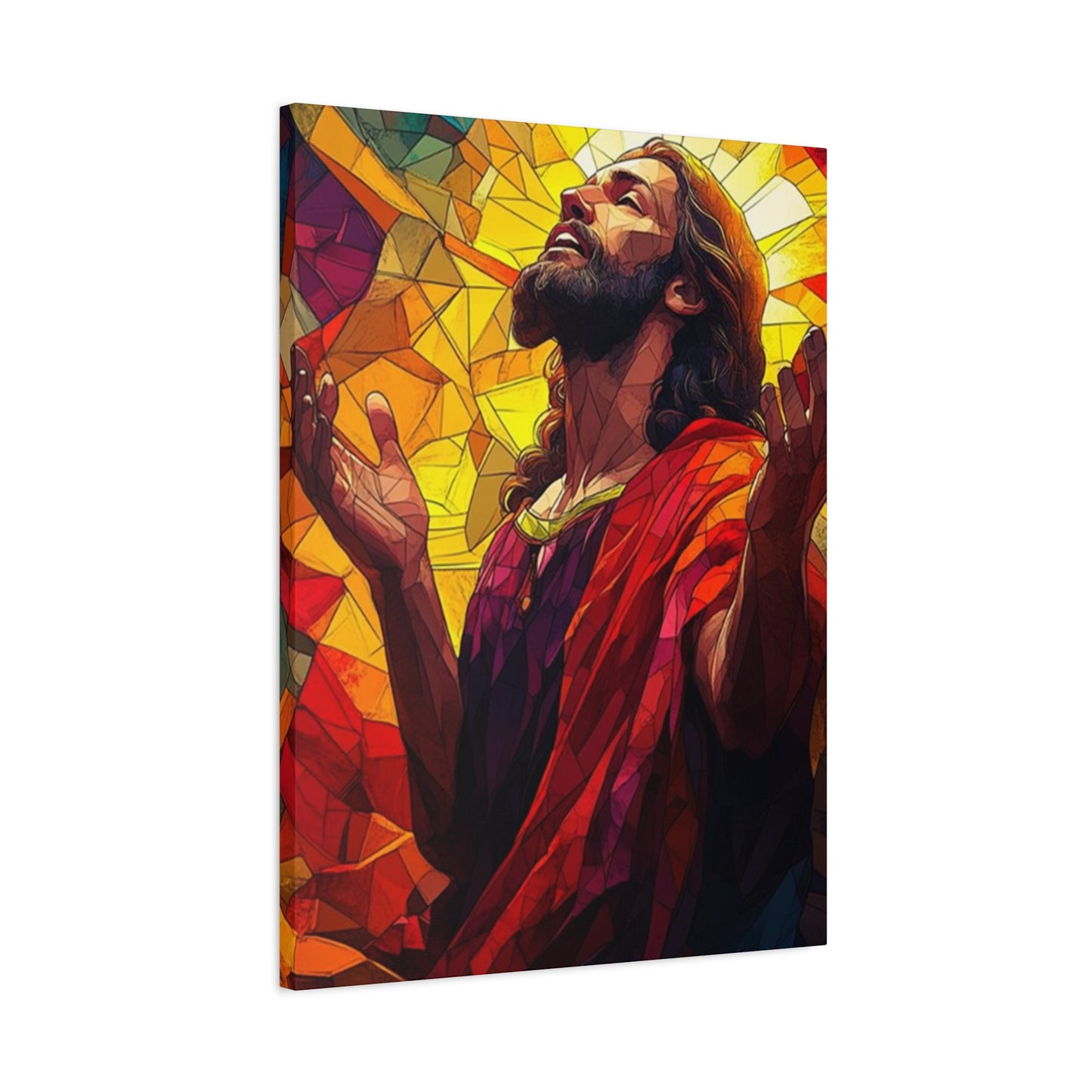
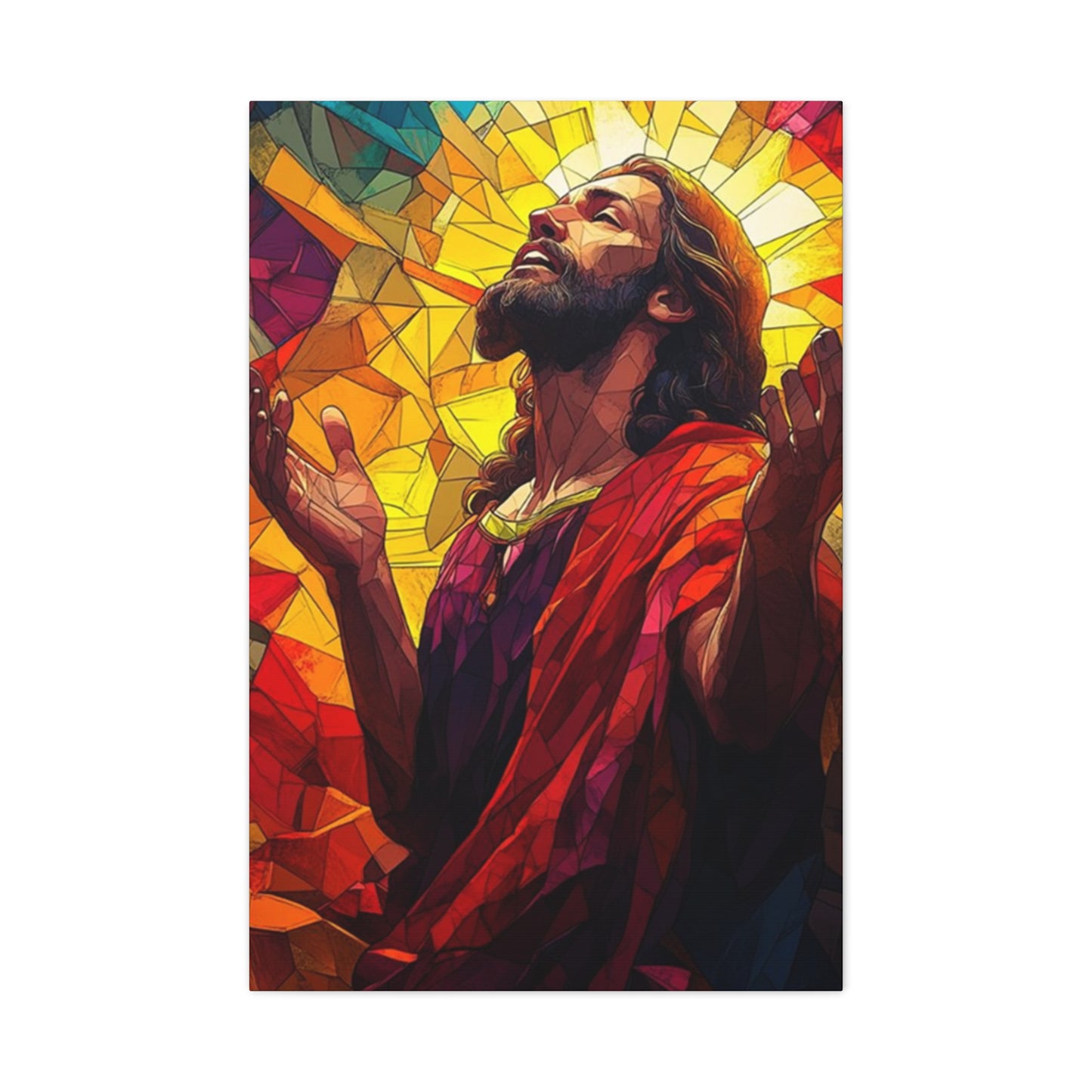
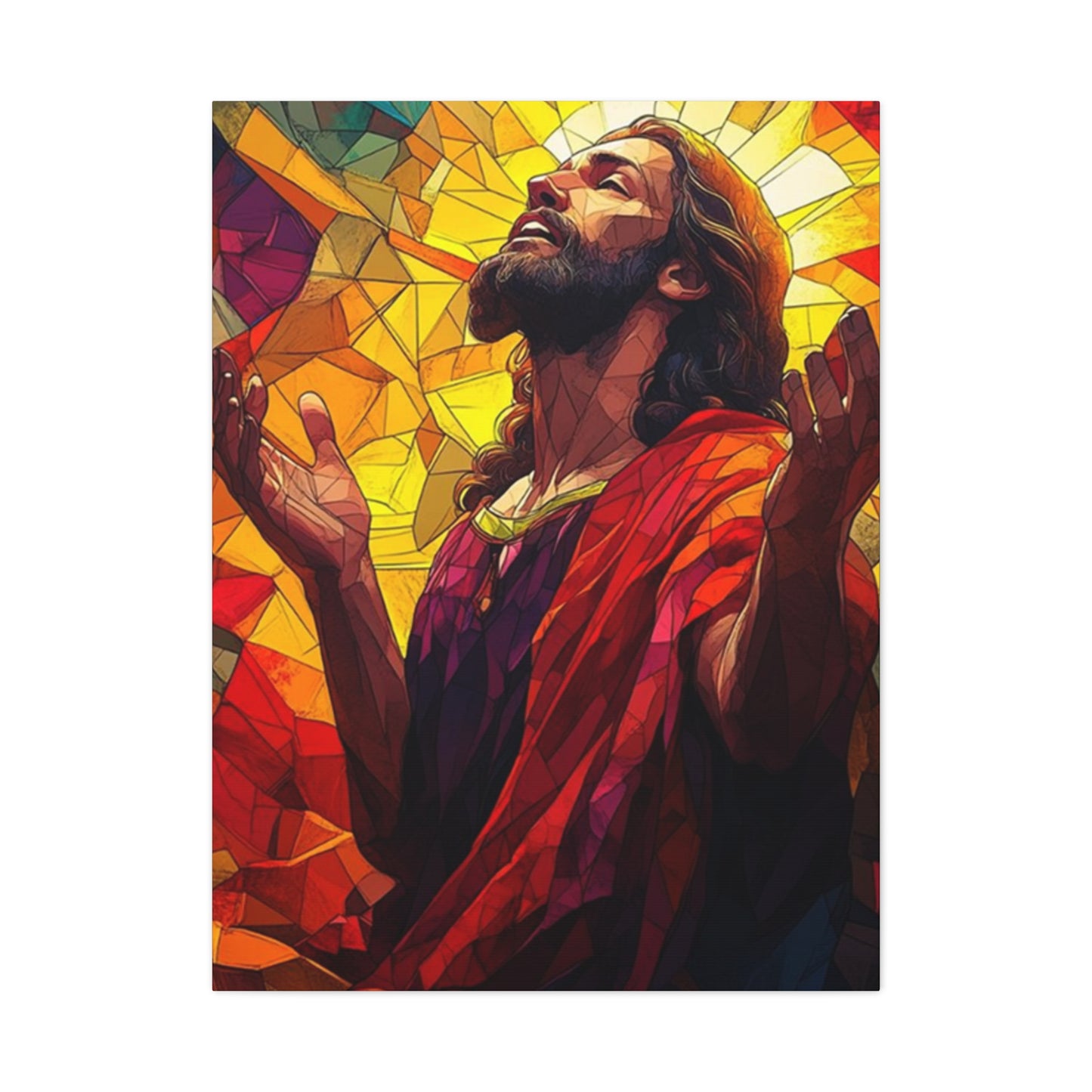
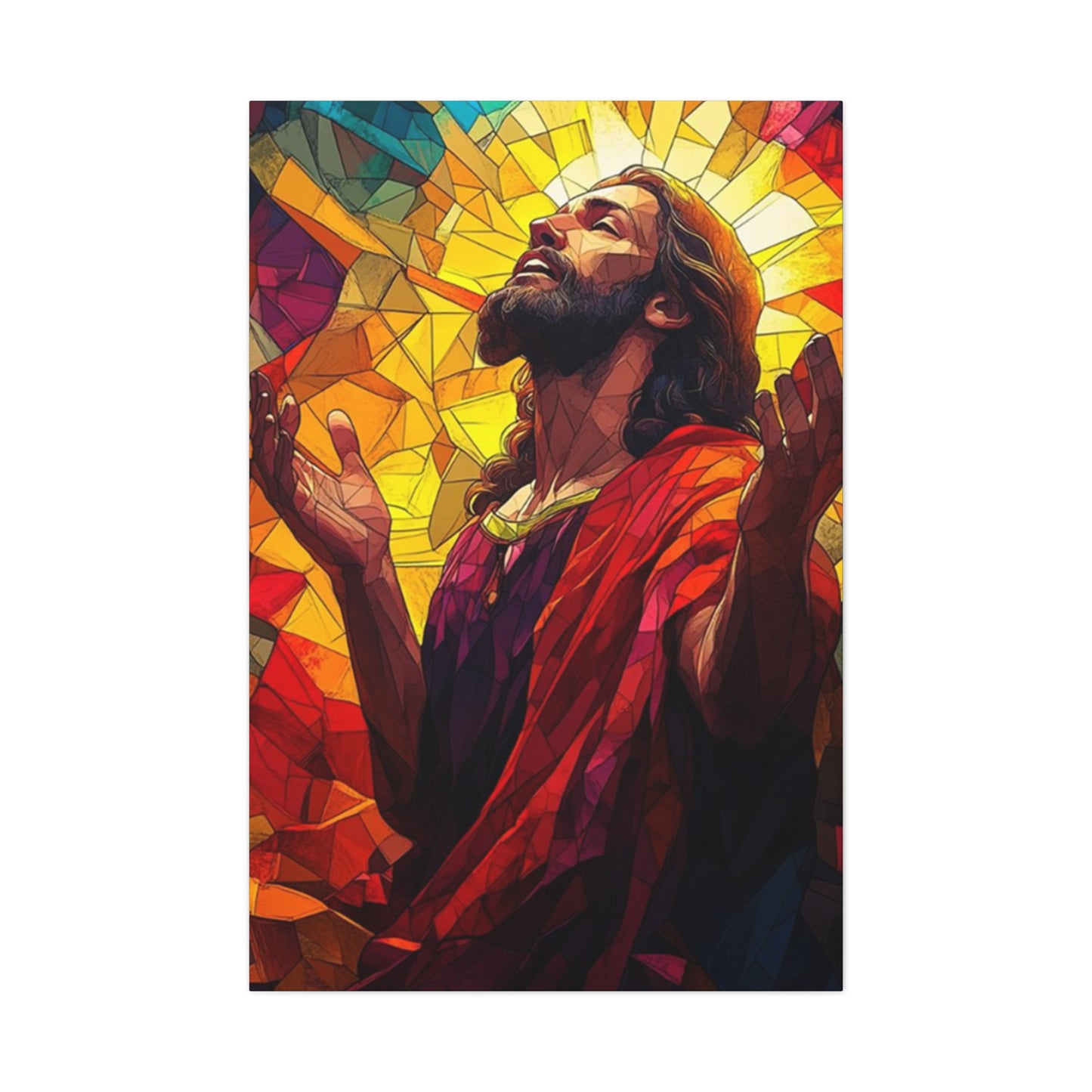
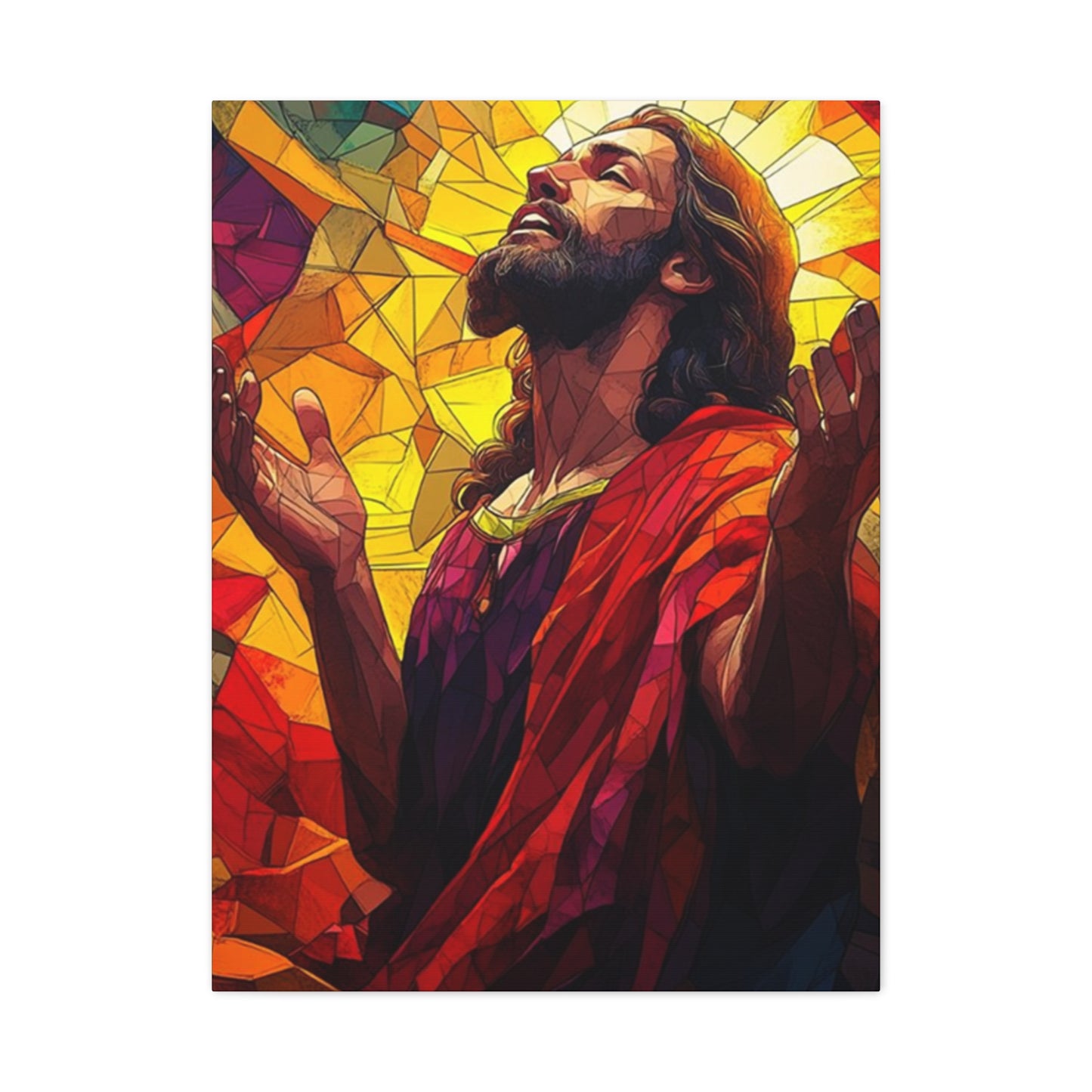
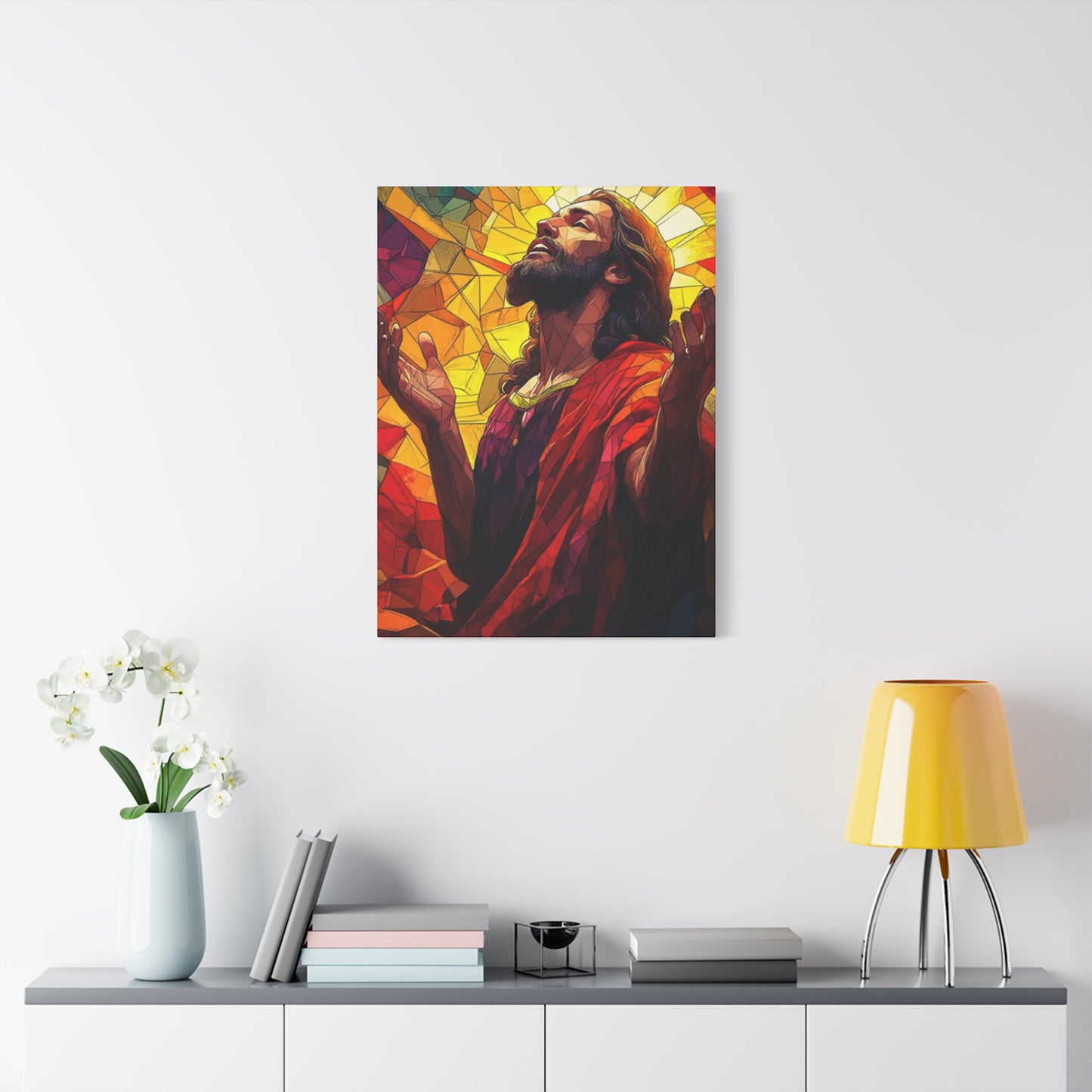
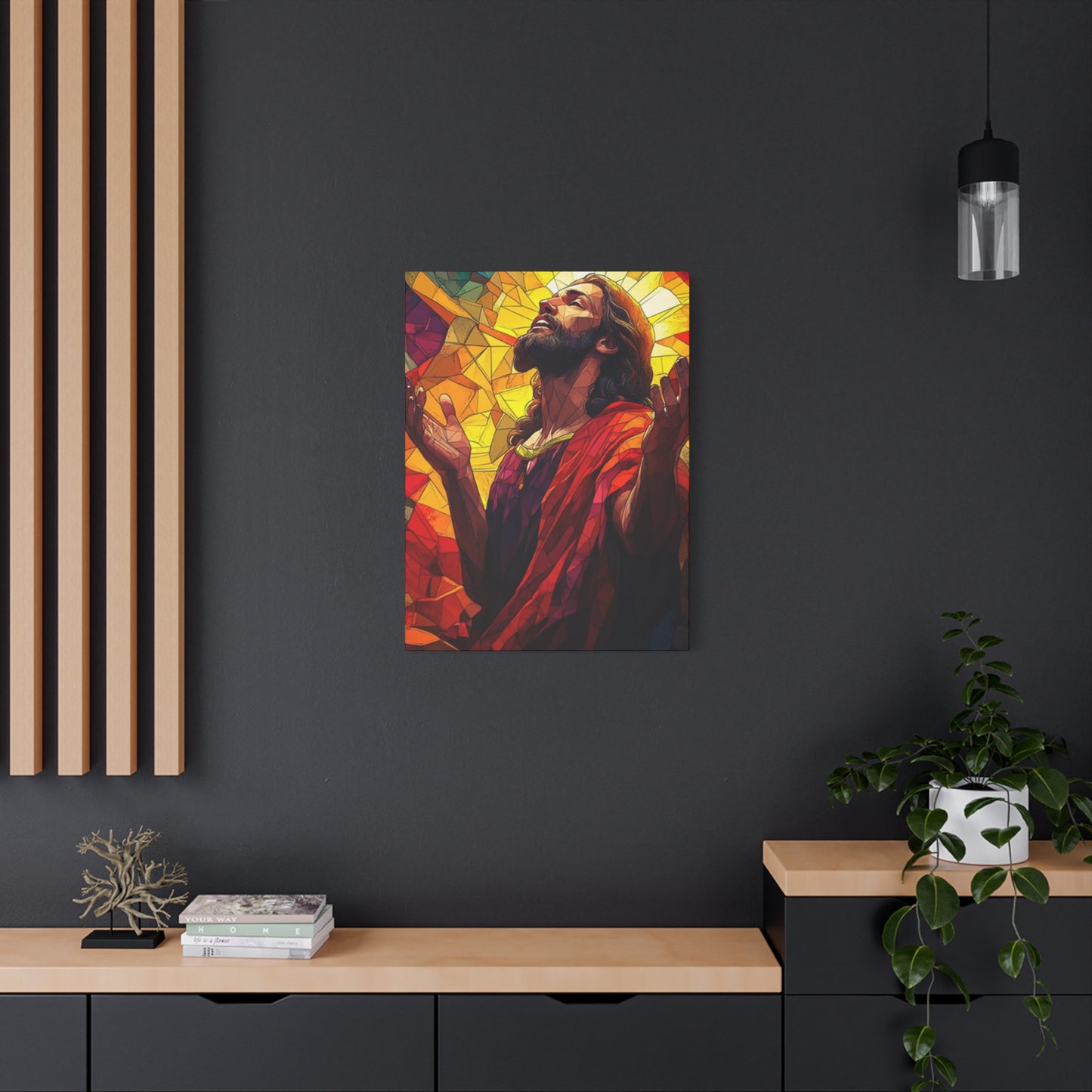
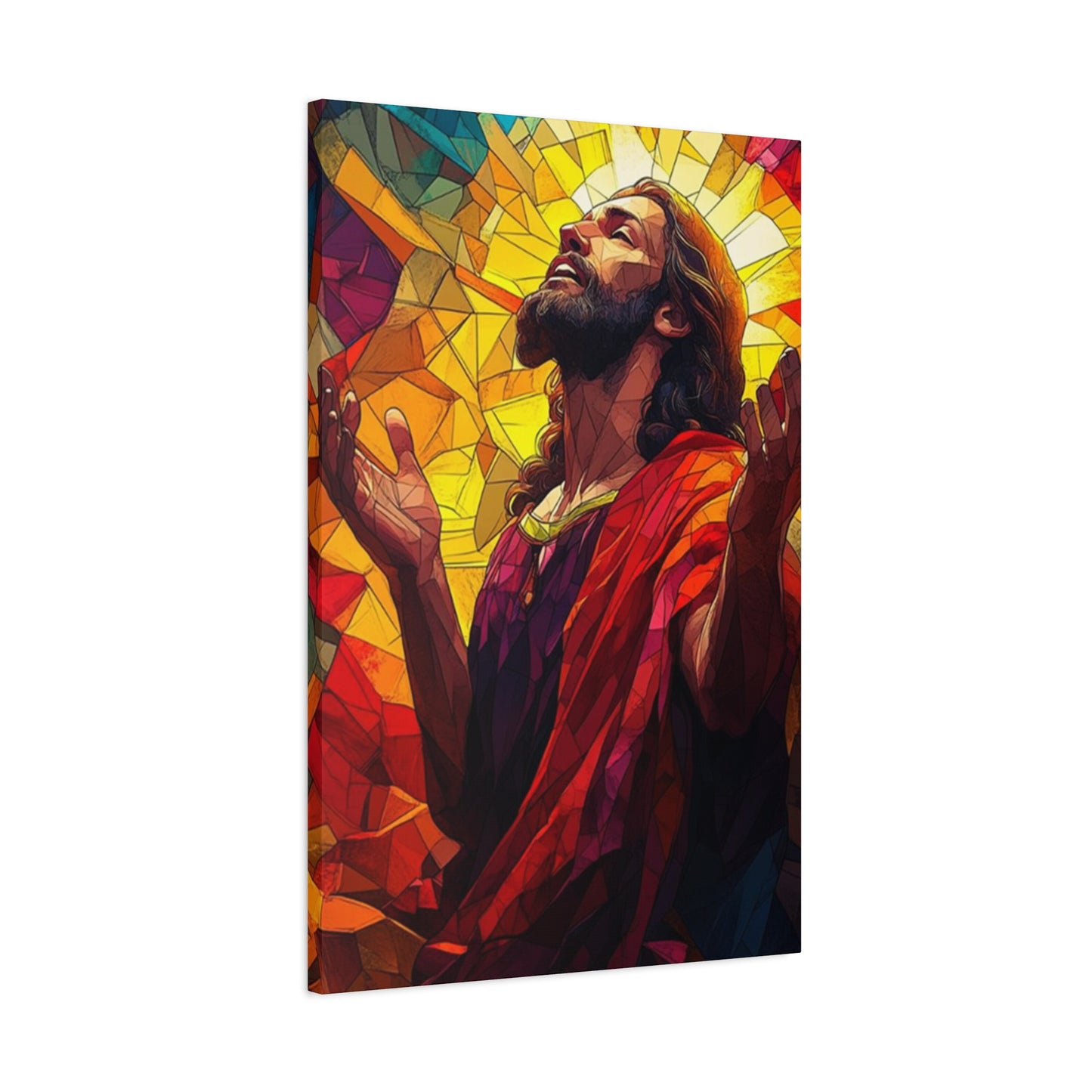
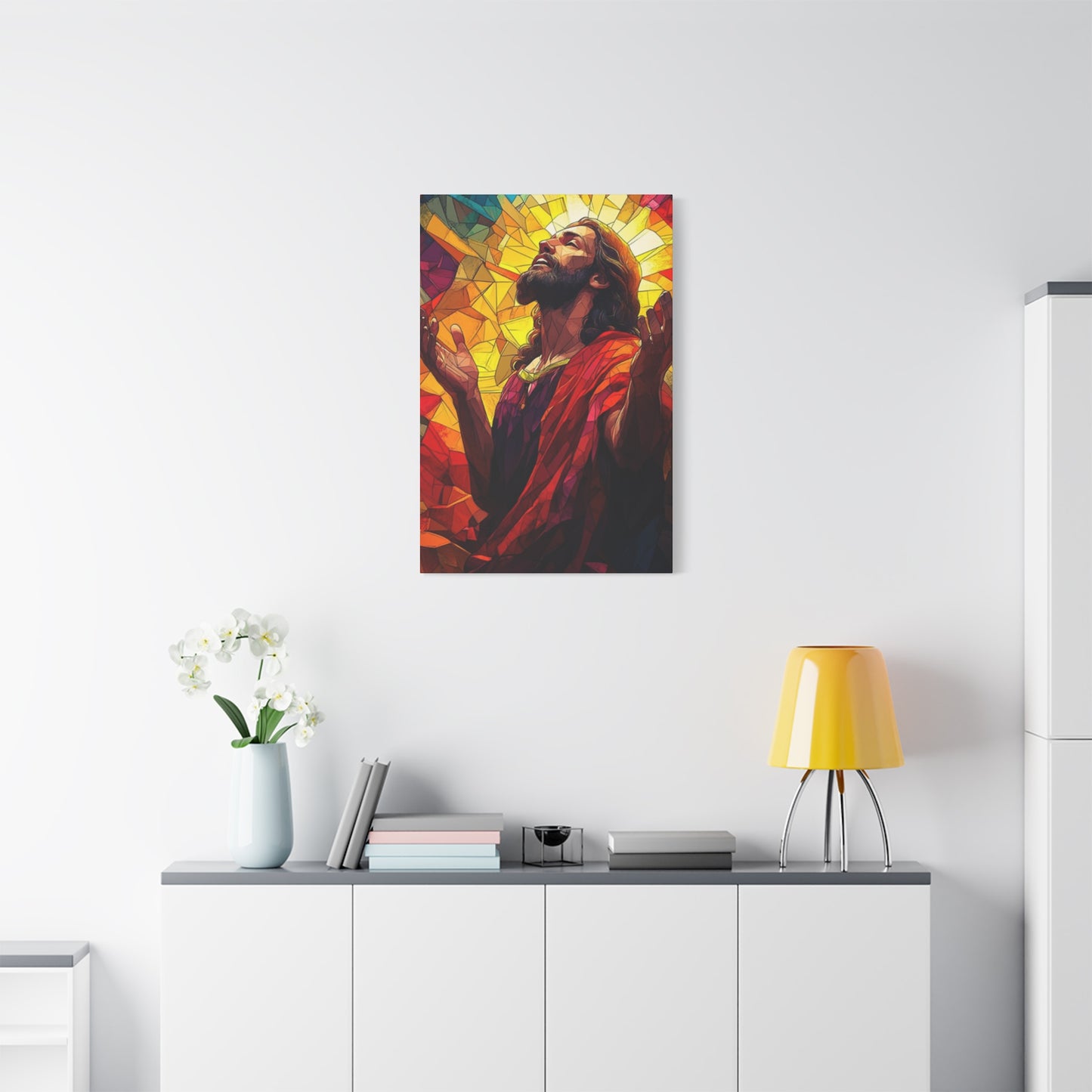
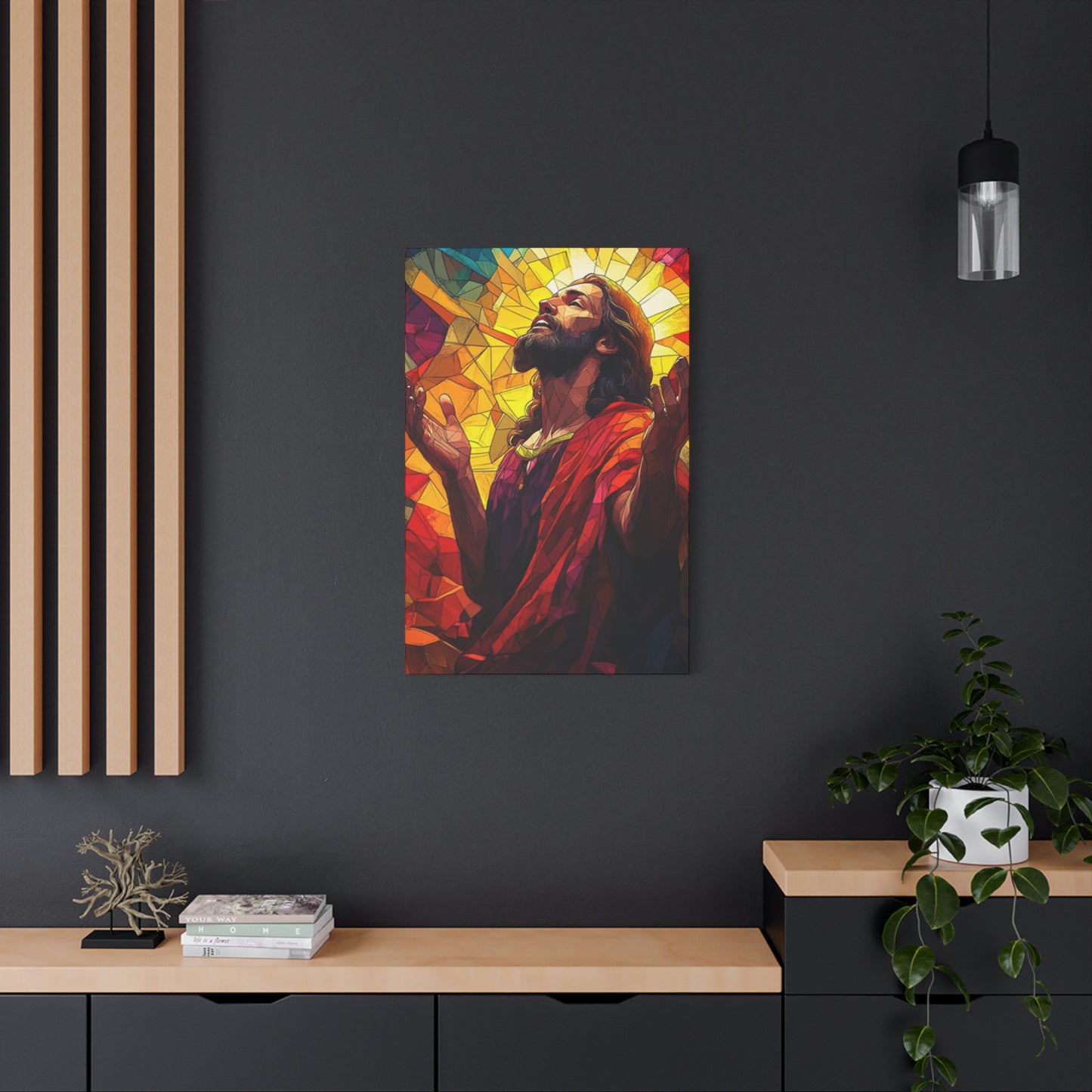
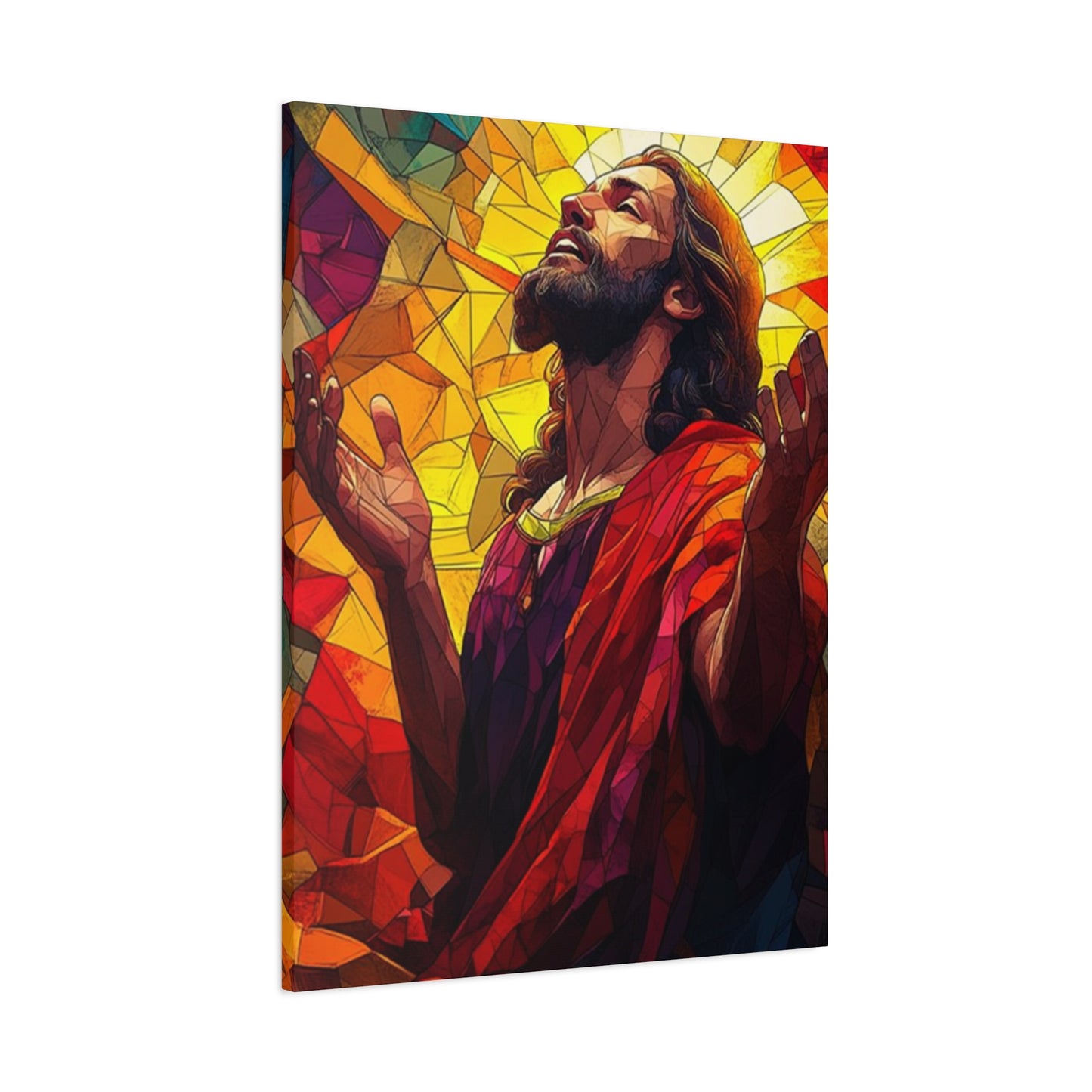
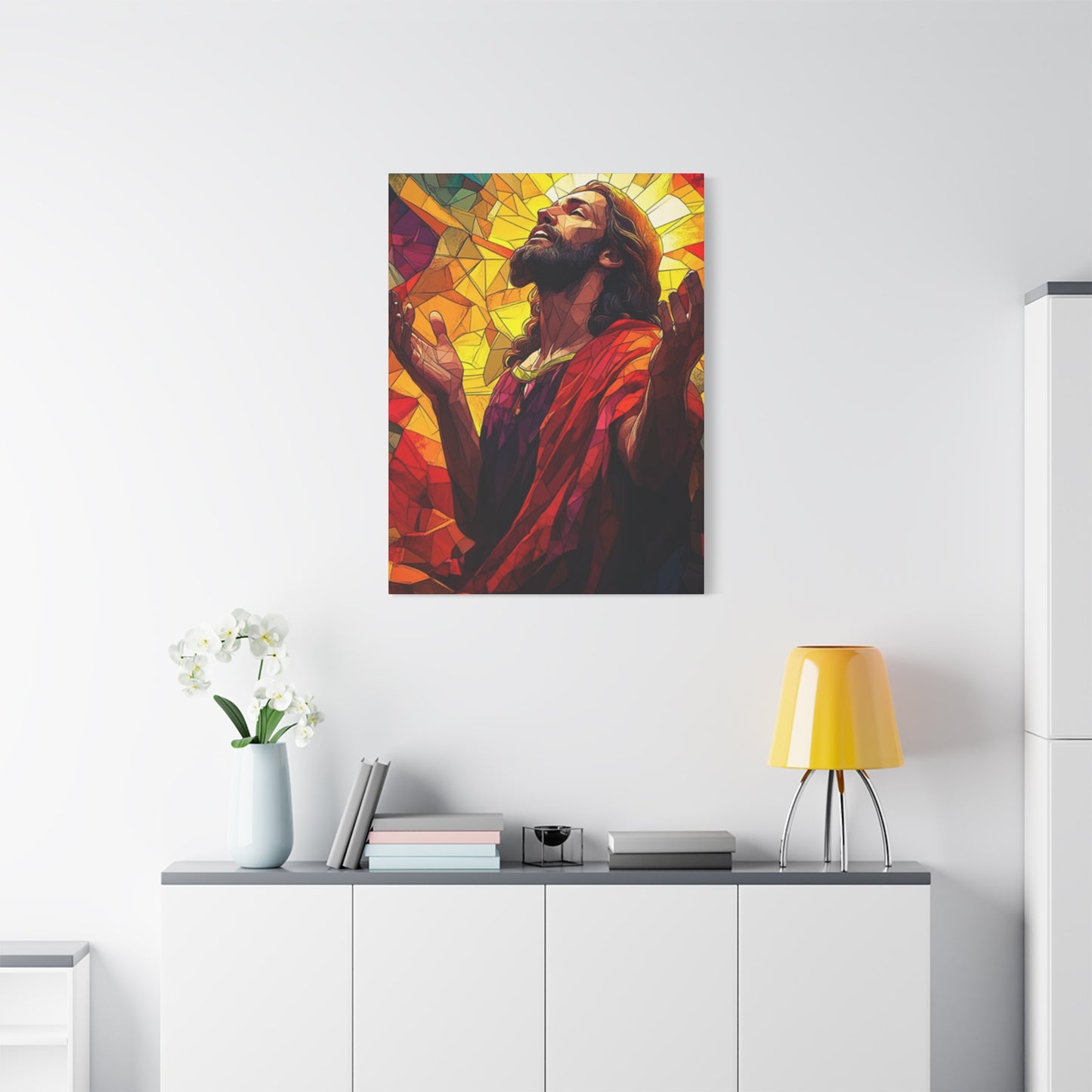
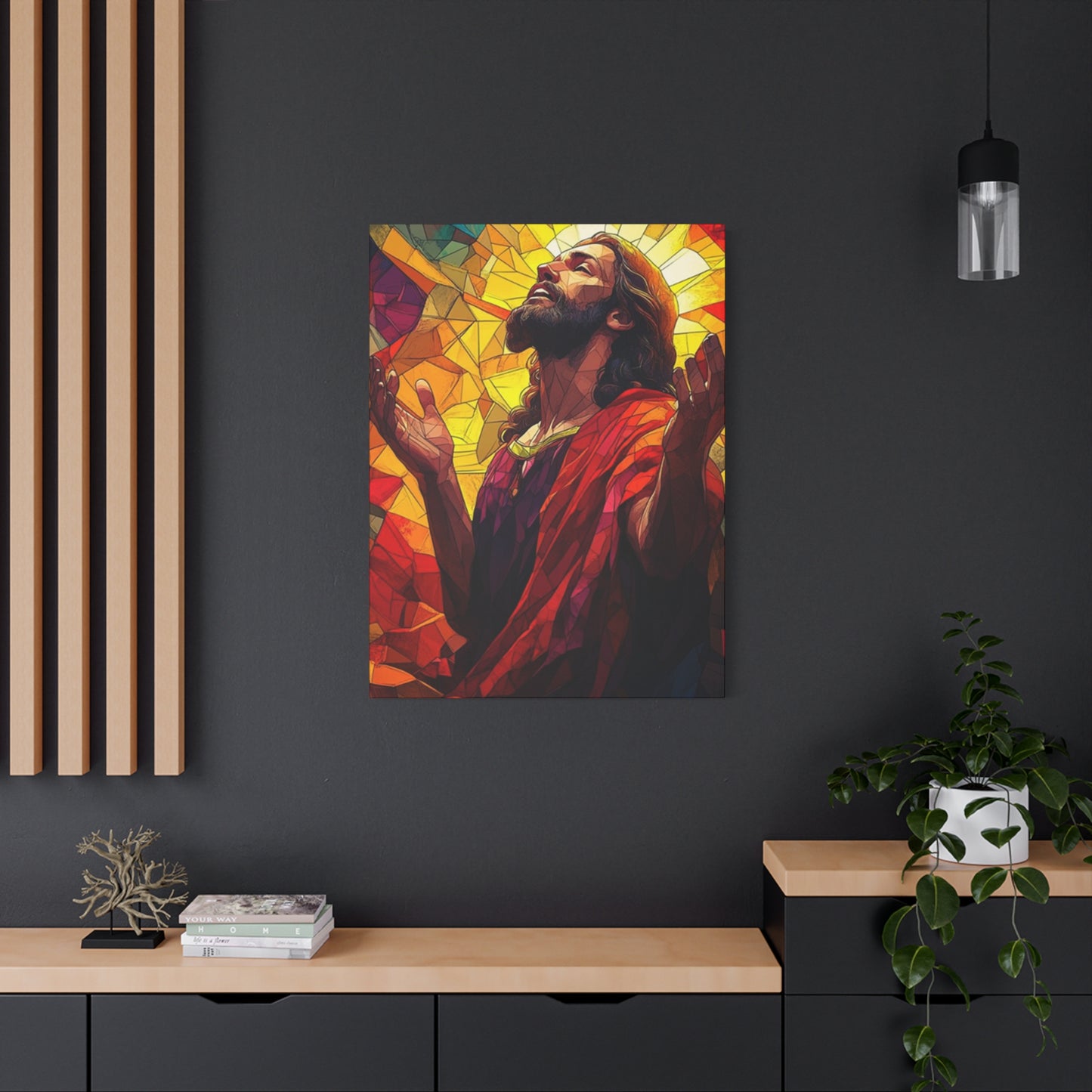
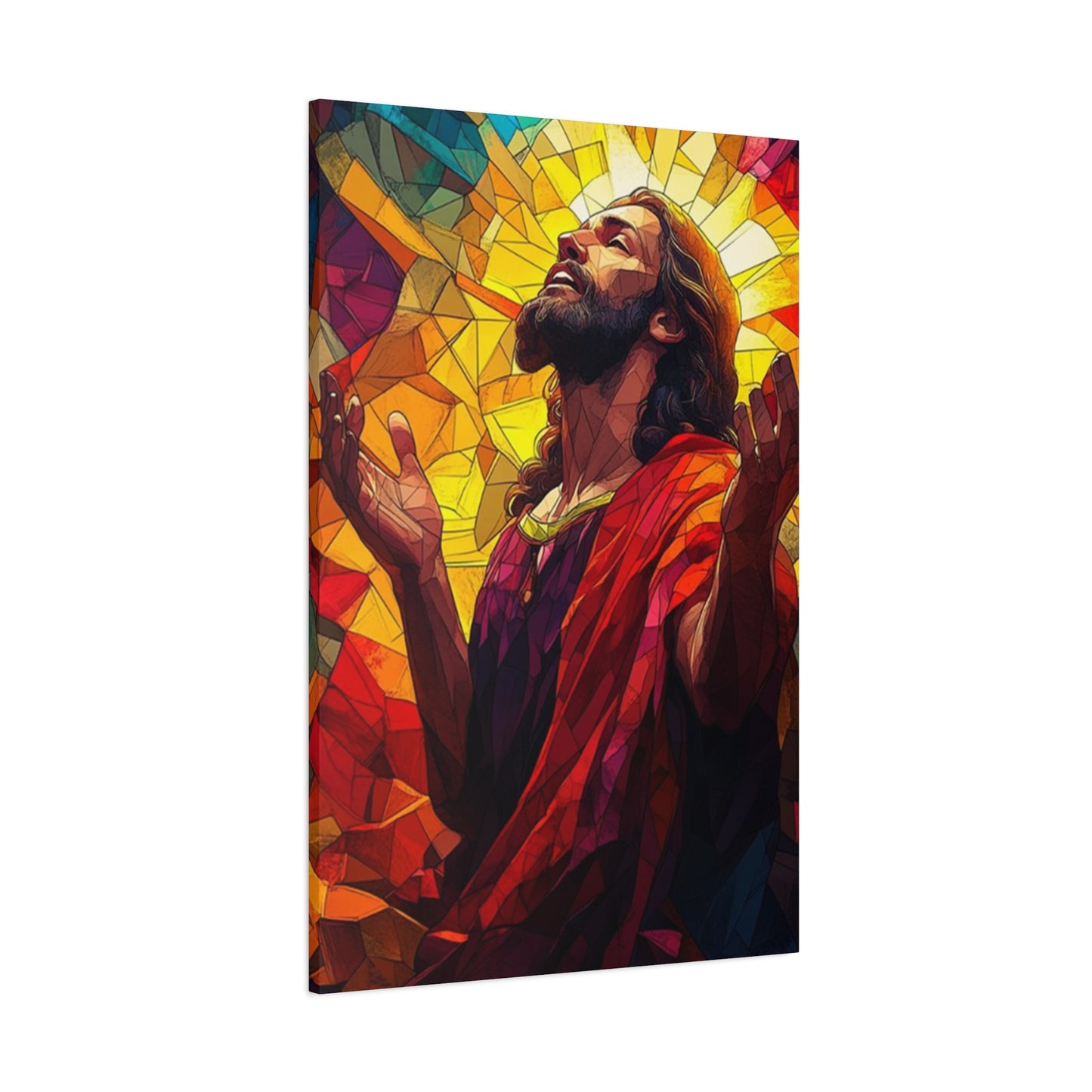
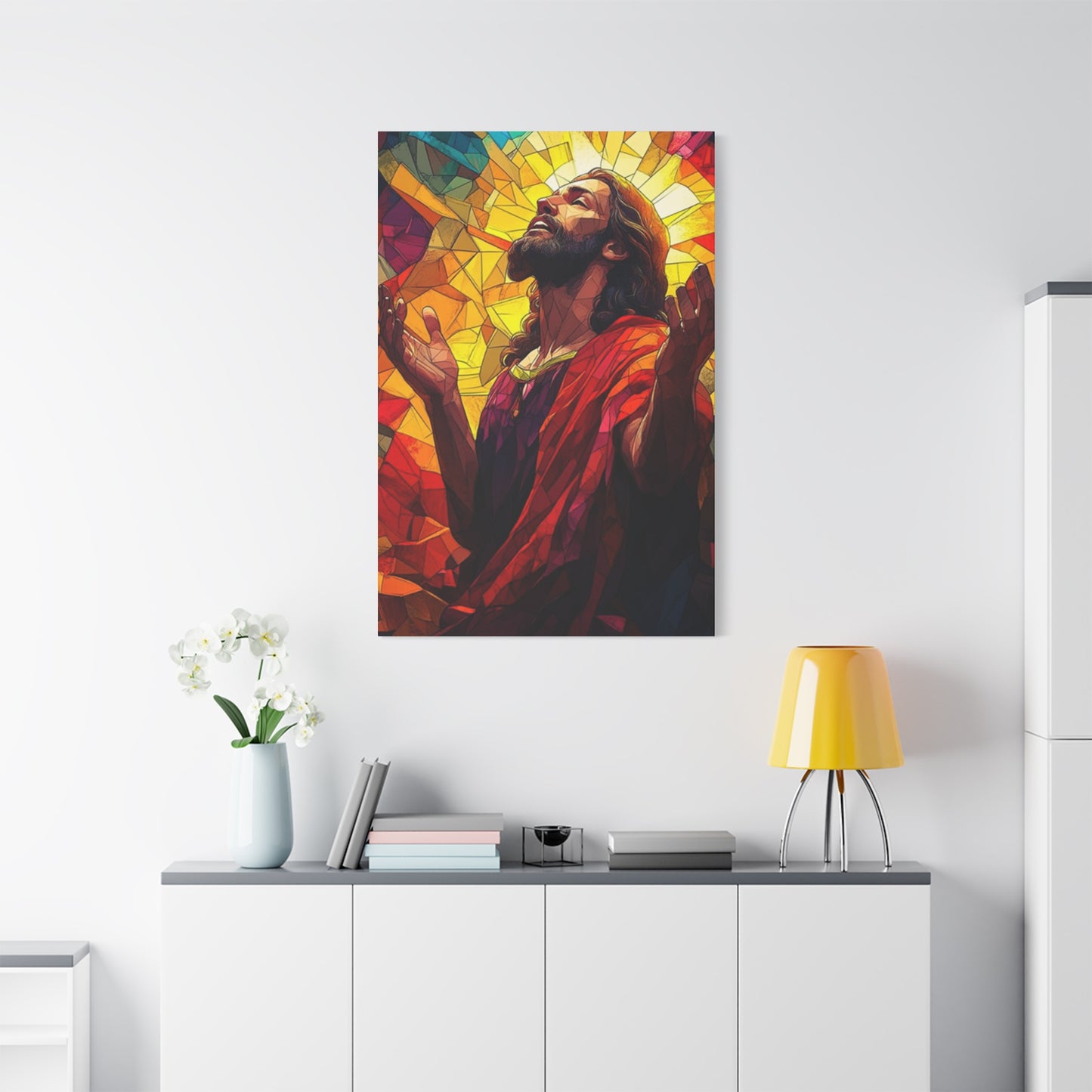
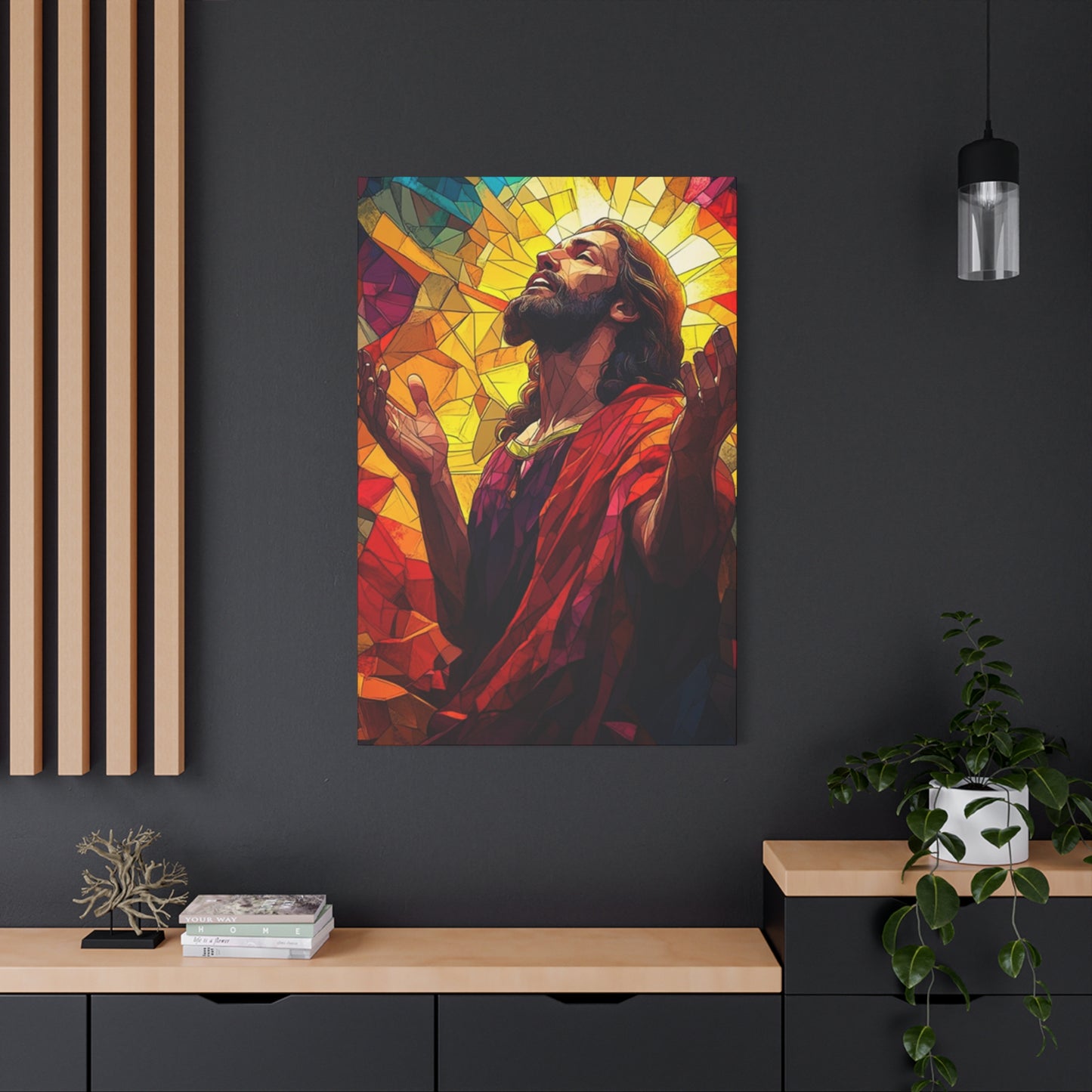
Abstract Jesus Spiritual Christianity Wall Art & Canvas Prints
Abstract Jesus Spiritual Christianity Wall Art & Canvas Prints
Couldn't load pickup availability
Abstract Jesus Spiritual Christianity Wall Art: Sacred Imagery for Modern Christian Homes
The realm of sacred Christian imagery has evolved remarkably, blending traditional reverence with contemporary artistic expression. Abstract Jesus spiritual Christianity wall art represents a profound intersection where faith meets modern aesthetics, offering believers fresh perspectives on divine representation within their living spaces. This form of artistic expression transcends conventional depictions, inviting contemplation and spiritual connection through innovative visual language.
Sacred abstract imagery within Christianity offers believers an alternative pathway to spiritual contemplation. Rather than adhering strictly to literal representations, these artistic works employ symbolism, color theory, and geometric patterns to evoke emotional and spiritual responses. The abstract Jesus spiritual Christianity wall art movement embraces ambiguity and interpretation, allowing each viewer to forge personal connections with divine themes.
Throughout centuries, Christian art has served as a vehicle for worship, meditation, and religious instruction. Abstract interpretations challenge traditional boundaries while maintaining deep respect for sacred subject matter. These pieces often incorporate symbolic elements like crosses, doves, light rays, or crown motifs, reimagined through contemporary artistic lenses. The beauty lies in their ability to communicate profound spiritual truths without relying on photographic accuracy.
Many believers find that abstract representations encourage deeper meditation. When faces and forms become suggested rather than explicitly rendered, the mind engages differently with the artwork. This engagement often leads to prolonged contemplation, personal revelation, and strengthened faith connections. The abstract Jesus spiritual Christianity wall art genre particularly excels at creating spaces for individual spiritual interpretation.
Color plays a pivotal role in these works. Deep blues might evoke heavenly realms, while golden hues suggest divine glory. Crimson tones reference sacrifice and redemption, while whites symbolize purity and resurrection. Artists deliberately choose color palettes to trigger emotional and spiritual associations deeply embedded in Christian consciousness. These chromatic choices transform simple wall decorations into powerful devotional tools.
Transformative Power of Modern Sacred Artwork
Modern sacred artwork possesses remarkable transformative qualities for residential and worship environments. When believers install abstract Jesus spiritual Christianity wall art within their homes, they create dedicated spaces for reflection and prayer. These visual anchors serve as constant reminders of faith commitments and spiritual aspirations. The artwork becomes more than decoration—it evolves into a spiritual companion.
The psychological impact of surrounding oneself with faith-based imagery cannot be understated. Studies have demonstrated that visual environments significantly influence mood, mindset, and emotional wellbeing. For Christians, having abstract Jesus spiritual Christianity wall art prominently displayed reinforces identity and provides comfort during challenging times. The artwork acts as a silent witness to daily life, infusing ordinary moments with sacred significance.
Contemporary believers often struggle to balance modern aesthetics with traditional religious devotion. Abstract sacred art elegantly resolves this tension. These pieces complement minimalist, industrial, farmhouse, or eclectic design schemes while maintaining their spiritual integrity. Homeowners no longer need to choose between stylish interiors and visible expressions of faith—abstract representations honor both priorities.
Churches and worship centers increasingly embrace abstract interpretations for their ability to engage diverse congregations. Younger generations particularly appreciate fresh visual approaches that respect tradition while embracing contemporary artistic vocabularies. Abstract Jesus spiritual Christianity wall art in worship spaces creates environments that feel both timeless and relevant, ancient and immediate.
The transformative power extends beyond aesthetics into daily spiritual practice. Many believers report that specific pieces become focal points for morning prayers, evening meditations, or moments of gratitude throughout the day. The artwork establishes rhythms and routines, anchoring spiritual disciplines to physical spaces. This integration of art and devotion enriches both aspects, making faith more tangible and visible.
Symbolic Language in Contemporary Christian Art
Understanding the symbolic language embedded within contemporary Christian art enhances appreciation and spiritual engagement. Abstract Jesus spiritual Christianity wall art communicates through carefully chosen visual metaphors drawn from scriptural references, church traditions, and universal spiritual symbols. Artists working in this genre demonstrate sophisticated knowledge of Christian iconography while exercising creative freedom.
The cross remains the most recognizable Christian symbol, yet abstract interpretations reimagine this familiar form in countless ways. Some artists deconstruct the cross into geometric fragments, suggesting brokenness and restoration. Others integrate cross shapes subtly within larger compositions, rewarding careful observation. These varied approaches to such a fundamental symbol demonstrate how abstraction refreshes familiar imagery.
Light frequently appears as a central motif in abstract sacred art, directly referencing Christ as the light of the world. Artists employ various techniques to suggest illumination—gradients moving from darkness to radiance, strategic use of metallic paints, or geometric patterns radiating from central points. These visual strategies evoke scriptural passages about divine light dispelling darkness, truth overcoming deception, and hope illuminating despair.
Water imagery often features in abstract Jesus spiritual Christianity wall art, referencing baptism, spiritual cleansing, and living water themes found throughout scripture. Flowing forms, blue color fields, and undulating patterns suggest water's presence without literal representation. These visual references connect viewers to sacramental experiences and biblical narratives about transformation and renewal.
Crown motifs appear frequently, symbolizing Christ's kingship and sovereign authority. Abstract interpretations might suggest crowns through circular compositions, repeating angular patterns resembling jewels, or golden accents suggesting royalty. The crown of thorns receives particular attention, often reimagined through stark, angular forms that convey suffering while maintaining aesthetic beauty.
Dove representations symbolizing the Holy Spirit undergo fascinating transformations in abstract contexts. Rather than rendering realistic birds, artists suggest movement, flight, or spiritual presence through dynamic brushstrokes, sweeping curves, or strategic white spaces. These abstracted doves maintain their symbolic power while integrating seamlessly into contemporary design contexts.
Materials and Methods in Sacred Art Creation
The materials and methods employed in creating abstract Jesus spiritual Christianity wall art significantly impact the final works' visual and spiritual qualities. Artists select media based on desired effects, durability requirements, and personal creative processes. Understanding these choices enriches appreciation for the finished pieces.
Canvas remains the most popular substrate for abstract sacred paintings. High-quality cotton or linen canvases provide excellent surfaces for various paint applications. Gallery-wrapped canvases, where artwork extends around frame edges, create clean, contemporary presentations particularly suited to abstract compositions. Some artists prefer wood panels, which offer rigid, archival-quality surfaces ideal for detailed work.
Acrylic paints dominate contemporary sacred art creation due to their versatility, quick-drying properties, and vibrant color retention. Artists can apply acrylics in thin glazes or thick impasto layers, creating diverse textural effects. The medium's flexibility allows seamless transitions between detailed passages and broad, expressive gestures within single compositions. Archival-quality acrylics ensure color permanence, crucial for works meant to inspire for generations.
Oil paints continue attracting artists seeking traditional media's richness and blending capabilities. Oils provide unmatched depth, luminosity, and subtle color transitions. However, they require longer drying times and specific handling considerations. For abstract Jesus spiritual Christianity wall art intended as heirlooms, oils offer time-tested durability and classical artistic lineage.
Mixed media approaches combine various materials to achieve unique effects impossible with single media. Artists might incorporate metallic leafing, texture pastes, collage elements, or found materials alongside traditional paints. These combinations create visual interest and symbolic layering, with different materials carrying distinct meanings. Gold leaf, for instance, references Byzantine icon traditions while adding literal preciousness to sacred subjects.
Digital creation methods increasingly influence sacred art production. Some artists work entirely digitally, creating compositions on tablets or computers before printing on canvas or fine art papers. Digital workflows enable experimentation without material waste, precise color control, and easy scaling to various sizes. High-quality archival printing ensures digital abstract Jesus spiritual Christianity wall art maintains longevity comparable to traditional media.
Resin finishes have gained popularity for their glass-like surfaces and color-enhancing properties. Artists pour clear epoxy resin over completed paintings, creating luminous, protected surfaces that intensify underlying colors. This finishing method particularly suits abstract work, adding depth that metaphorically suggests spiritual dimensions beyond surface appearance.
Color Psychology in Devotional Artwork
Color psychology profoundly influences how abstract Jesus spiritual Christianity wall art communicates spiritual concepts and evokes emotional responses. Artists working within this genre demonstrate sophisticated understanding of color theory while remaining sensitive to specifically Christian color associations developed over centuries.
Blue hues carry rich significance in Christian contexts, traditionally associated with heavenly realms, divine truth, and the Virgin Mary. In abstract sacred art, deep ultramarine blues might suggest infinite divine mystery, while lighter cerulean shades evoke peace and tranquility. Artists layer various blue tones to create depth, suggesting spiritual dimensions beyond physical perception. These color choices resonate with viewers familiar with Christian color traditions while remaining accessible to broader audiences.
Red commands attention and carries multiple meanings within Christian symbolism. Crimson references Christ's sacrificial blood and redemptive suffering, while brighter reds suggest pentecostal fire and Holy Spirit power. In abstract compositions, red accents might punctuate otherwise calm color schemes, creating visual tension that mirrors theological concepts about sacrifice, passion, and divine love's intensity. Artists carefully balance red's dramatic impact with compositional harmony.
Gold represents divine glory, majesty, and heavenly illumination throughout Christian art history. Abstract Jesus spiritual Christianity wall art incorporating gold—whether through metallic paints, leaf application, or color choices—taps into this rich symbolic heritage. Gold passages might suggest divine presence illuminating earthly scenes or represent transformation from ordinary to sacred. The precious metal's literal value reinforces concepts about faith's infinite worth.
White symbolizes purity, holiness, and resurrection within Christian contexts. Abstract artists employ white in various ways—as background suggesting blank canvases awaiting divine inspiration, as bright accents representing revelation's clarity, or as dominant color fields evoking spiritual cleansing. White's challenge lies in preventing emptiness; successful abstract sacred art uses textured whites that reward close examination.
Purple carries regal and penitential associations, traditionally connected with Lent, royalty, and spiritual authority. Abstract compositions incorporating purple tones reference Christ's kingship while suggesting seasons of reflection and repentance. The color's relative rarity in nature historically made purple dyes expensive, reinforcing associations with royalty and special occasions.
Green symbolizes life, growth, and renewal—concepts central to Christian messages about regeneration and eternal life. In abstract Jesus spiritual Christianity wall art, green passages might suggest spiritual vitality, hope, or the promise of resurrection. Artists balance green's naturalistic associations with its symbolic meanings, creating compositions that feel both organic and transcendent.
Earth tones ground abstract sacred compositions, referencing humanity's physical nature and Christ's incarnation. Browns, ochres, and siennas create visual foundations, suggesting that divine truths manifest within material reality. These colors prevent compositions from becoming overly ethereal, maintaining connections to embodied spiritual experience.
Compositional Strategies for Spiritual Impact
Compositional strategies significantly determine abstract Jesus spiritual Christianity wall art's ability to engage viewers and facilitate spiritual reflection. Artists employ various structural approaches to guide visual movement, create focal points, and establish emotional tones that support devotional purposes.
Vertical compositions naturally suggest upward spiritual ascent, drawing eyes heavenward in visual movements that mirror prayer and worship. Many abstract sacred pieces emphasize vertical elements—rising forms, elongated shapes, or upward color progressions—that encourage viewers to lift their gaze metaphorically and literally. This compositional choice aligns with architectural strategies used in church design, where vertical emphasis directs attention toward transcendent realities.
Horizontal arrangements create contemplative calmness, suggesting peace, rest, and divine stability. Abstract Jesus spiritual Christianity wall art employing horizontal compositional strategies often features layered bands of color, elongated forms stretching across canvases, or horizon-like divisions between earth and heaven. These pieces invite meditation rather than dramatic responses, supporting quiet reflection and sustained engagement.
Radial compositions organize visual elements around central points, creating dynamic energy that draws viewers inward. This strategy works particularly well for representing concepts like divine light radiating outward, spiritual energy emanating from sacred centers, or converging pathways leading toward Christ. Radial organization creates natural focal points while suggesting movement and vitality.
Asymmetrical balance challenges traditional expectations while creating visual interest that sustains attention. Rather than mirroring elements across central axes, asymmetrical abstract sacred art distributes visual weight unevenly, creating tension and resolution that metaphorically suggests spiritual journeys. This approach feels contemporary while remaining capable of conveying profound spiritual content.
Negative space functions as compositional element equal in importance to painted areas. Sophisticated abstract Jesus spiritual Christianity wall art strategically employs empty spaces to suggest divine mystery, unseen spiritual realities, or the limitations of human expression when confronting infinite subjects. Negative space prevents visual clutter, allowing dominant elements greater impact while providing visual rest areas.
Layering techniques create depth within two-dimensional surfaces, suggesting multiple spiritual dimensions coexisting. Artists build up translucent glazes, allowing underlying layers to show through, or create distinct strata within compositions. This layering visually communicates theological concepts about surface appearances versus deeper spiritual truths, visible realms versus invisible realities.
Gestural mark-making introduces human presence into abstract compositions, reminding viewers that divine truths reach people through human vessels. Bold brushstrokes, drips, scrapes, and other process marks make creation visible, celebrating both divine inspiration and human cooperation in producing sacred art. These marks prevent sterile perfection, maintaining warmth and accessibility.
Placement Considerations for Maximum Spiritual Benefit
Strategic placement of abstract Jesus spiritual Christianity wall art maximizes both aesthetic impact and spiritual benefit within homes and worship spaces. Thoughtful positioning considers viewing angles, lighting conditions, surrounding decor, and intended devotional purposes.
Primary living areas benefit enormously from prominent sacred artwork placement. Family rooms, living rooms, and open-concept spaces where households gather become infused with spiritual atmosphere when quality Christian art occupies focal positions. Placing abstract Jesus spiritual Christianity wall art above mantels, behind seating areas, or on feature walls ensures regular viewing while anchoring spaces with faith-based visual statements.
Entryways establish tone for entire homes, making them ideal locations for spiritually significant artwork. Visitors and residents alike encounter these pieces immediately upon entering, receiving visual blessings and spiritual reminders. Abstract sacred art in entryways functions similarly to traditional mezuzahs or household shrines, marking thresholds between public and private, secular and sacred.
Bedrooms transformed into personal sanctuaries through careful artwork selection support morning devotions and evening prayers. Abstract Jesus spiritual Christianity wall art positioned opposite beds becomes the first sight upon waking and last before sleeping, bookending days with spiritual focus. Bedroom placement allows more intimate, personal pieces that might feel too vulnerable for public spaces.
Home offices and workspaces gain spiritual dimension through sacred artwork, reminding believers that all labor can glorify God. Abstract Christian art in professional environments maintains professionalism while providing spiritual anchoring during workday challenges. These pieces support prayer throughout busy schedules, offering visual prompts for brief devotional moments.
Dining areas naturally connect to Christian community and communion traditions. Abstract Jesus spiritual Christianity wall art in dining spaces enhances meal rituals, encouraging gratitude prayers and meaningful conversations. The artwork transforms ordinary dining into spiritually enriched experiences, reinforcing connections between physical sustenance and spiritual nourishment.
Prayer closets, meditation corners, or dedicated devotional spaces achieve their purposes more effectively when adorned with carefully selected sacred art. These intimate areas support concentrated spiritual practice, and abstract Christian artwork provides visual focuses for contemplation. Smaller spaces often benefit from simpler, more focused compositions that don't overwhelm limited square footage.
Lighting dramatically affects artwork perception and spiritual impact. Natural light reveals colors' full richness and creates changing appearances throughout days, reminding viewers of divine light's dynamic nature. Artificial lighting requires careful consideration—warm bulbs enhance earth tones and golden passages, while cooler lights intensify blues and whites. Adjustable lighting allows varying moods for different devotional practices.
Height placement influences engagement levels. Eye-level positioning—generally 57-60 inches from floors to artwork centers—ensures comfortable viewing without strain. However, placing abstract Jesus spiritual Christianity wall art slightly higher can enhance its presence and encourage upward gazing associated with worship. Extremely high placement risks disconnection, making art feel inaccessible.
Surrounding decor should complement rather than compete with sacred artwork. Minimalist surroundings allow abstract Christian pieces to command attention, while busier environments require larger-scale or more visually bold artworks to maintain presence. Color coordination between artwork and room palettes creates cohesion, though strategic contrast can make pieces pop dramatically.
Size Selection for Different Spaces
Selecting appropriately sized abstract Jesus spiritual Christianity wall art ensures proper visual impact and spatial harmony. Understanding how artwork dimensions relate to surrounding architecture and furniture guides effective size choices.
Large-scale pieces make bold statements suitable for spacious areas with substantial wall expanses. Artwork measuring 40x60 inches or larger commands attention in great rooms, open-concept living areas, or above king-sized beds. These substantial pieces anchor spaces visually while providing sufficient detail to reward close examination. Large abstract sacred art prevents walls from feeling empty while establishing clear focal points.
Medium-sized artwork ranging from 24x36 to 36x48 inches offers versatility for various spaces. These dimensions work well in standard bedrooms, dining areas, or office environments where wall space is moderate. Medium-scale abstract Jesus spiritual Christianity wall art provides significant presence without overwhelming rooms, balancing visibility with proportion.
Small-scale pieces under 24x24 inches suit intimate spaces, gallery wall arrangements, or accent placements. Despite compact dimensions, quality small-format sacred art delivers spiritual impact through concentrated visual power. These pieces excel in powder rooms, narrow hallways, bedside table settings, or prayer nooks where larger artwork would feel inappropriate.
Horizontal orientations suit wide wall spaces above sofas, beds, or console tables. Landscape-format abstract Christian art emphasizes breadth and expansiveness, creating calming horizontal lines that ground compositions. These formats work particularly well in rooms with low ceilings, where horizontal emphasis prevents spaces from feeling compressed.
Vertical orientations complement narrow wall spaces, tall architectural features, or areas where upward emphasis supports spiritual themes. Portrait-format abstract Jesus spiritual Christianity wall art draws eyes upward, naturally supporting devotional postures. These formats excel in entryways, beside doorways, or flanking windows where vertical proportions match architectural elements.
Square formats provide balanced compositions suitable for various placements. Their equal dimensions create stable, centered feelings that support meditation and focused contemplation. Square abstract sacred art works beautifully in grid arrangements, as standalone statements, or paired with other squares for symmetrical presentations.
Multi-panel installations—diptychs, triptychs, or larger panel series—create dramatic presentations that command attention across extensive wall areas. These arrangements allow visual storytelling across multiple surfaces, suggesting spiritual journeys or multifaceted theological truths. Abstract Jesus spiritual Christianity wall art as panel series provides flexibility, as panels can be grouped tightly or spaced apart based on available dimensions.
Scale relationships between artwork and furniture matter significantly. General guidelines suggest artwork spanning roughly two-thirds to three-quarters of furniture width below it. This proportion creates visual balance without artwork appearing either lost or overpowering. However, abstract sacred art sometimes benefits from breaking these rules for dramatic effect.
Ceiling heights influence appropriate artwork sizes and placements. Rooms with standard eight-foot ceilings accommodate most artwork sizes, though extremely tall pieces might feel cramped. Higher ceilings offer opportunities for larger-scale or vertically oriented abstract Christian art that exploits vertical space while maintaining comfortable viewing.
Caring for Your Sacred Artwork Investment
Proper care ensures abstract Jesus spiritual Christianity wall art maintains beauty and spiritual impact for generations. Understanding basic preservation principles protects these meaningful investments from common damage sources.
Dust accumulation dulls artwork surfaces and can become abrasive if not addressed regularly. Gentle dusting with clean, soft, dry cloths removes surface particles without scratching or smearing. Microfiber cloths work exceptionally well, capturing dust rather than redistributing it. For textured surfaces, soft-bristled brushes gently remove debris from crevices. Establishing monthly dusting routines prevents buildup that requires more aggressive cleaning.
Direct sunlight exposure poses the greatest threat to artwork longevity. Ultraviolet radiation causes paint fading, canvas degradation, and color shifts over time. Position abstract Jesus spiritual Christianity wall art away from windows receiving direct sun, or employ UV-filtering window films and curtains. If sunny placement is unavoidable, rotating artwork periodically distributes exposure, and UV-protective glass or acrylic glazing provides additional defense.
Humidity fluctuations damage canvas and paint layers through expansion and contraction cycles. Ideal relative humidity ranges between 40-50 percent. Extremely dry conditions cause canvas to become brittle and paint to crack, while excessive moisture encourages mold growth and paint softening. Maintain consistent humidity through HVAC systems, humidifiers, or dehumidifiers as needed. Avoid hanging abstract sacred art in bathrooms or directly above humidifiers.
Temperature stability preserves artwork integrity. Dramatic temperature swings stress materials, potentially causing cracking, warping, or delamination. Maintain comfortable room temperatures between 65-75 degrees Fahrenheit, avoiding placements near heat vents, radiators, fireplaces, or air conditioning units that blow directly onto artwork.
Smoke exposure from candles, fireplaces, or cooking gradually discolors artwork surfaces. While candles enhance devotional atmospheres, position them safely away from abstract Jesus spiritual Christianity wall art. If smoke exposure occurs, professional cleaning may be necessary to restore original appearance without causing damage.
Physical damage from impacts, scratches, or tears requires professional restoration. Never attempt amateur repairs on valuable or meaningful pieces. Qualified art conservators possess specialized knowledge and materials for invisible repairs that preserve artwork integrity and value. Document any damage immediately and consult professionals promptly.
Cleaning beyond routine dusting requires caution. Never apply water, commercial cleaners, or chemical solutions to artwork without professional guidance. Different media and finishes demand specific cleaning approaches. When professional cleaning becomes necessary, seek conservators experienced with contemporary abstract art on canvas.
Framing considerations affect preservation significantly. Quality frames with acid-free mats and backing boards protect edges and prevent contaminants from reaching artwork. Glazing—glass or acrylic covering—provides additional protection from dust, humidity, and physical contact. Museum-quality glazing includes UV protection, though it increases costs. Weigh protection benefits against budget constraints and specific environmental risks.
Transportation and moving require special precautions. Never grab canvas edges or apply pressure to painted surfaces. Wrap artwork in acid-free paper first, then bubble wrap with padding on both sides. Transport flat when possible, avoiding leaning against other objects that might dent or scratch surfaces. Professional art handlers should manage valuable or oversized pieces.
Gifting Sacred Art: Sharing Faith Through Beauty
Abstract Jesus spiritual Christianity wall art makes profoundly meaningful gifts for various occasions, communicating faith, love, and spiritual support through beautiful visual expressions. Understanding gifting considerations ensures these presents bless recipients appropriately.
Weddings represent ideal occasions for gifting sacred art that establishes spiritual foundations in newly formed households. Abstract Christian artwork celebrating covenant love, divine blessing, or marital unity provides lasting reminders of marriage's sacred nature. Select pieces featuring two united elements, harmonious color palettes suggesting partnership, or imagery related to biblical marriage passages.
Baptisms and christenings commemorate spiritual births and covenant entrances. Abstract Jesus spiritual Christianity wall art gifted for these occasions becomes cherished remembrances of significant spiritual milestones. Consider pieces with water imagery, dove symbolism, or light motifs representing Holy Spirit presence. Include dedication dates and names in accompanying cards for future reference.
Confirmations mark conscious faith commitments by maturing believers. Sacred artwork gifts acknowledge these important decisions while providing visual encouragement for continuing spiritual journeys. Select abstract Christian pieces reflecting recipient personalities, favorite colors, or specific spiritual emphases meaningful to their faith expressions.
Ordinations and ministry commissioning merit sacred art celebrating calling and service. Abstract imagery suggesting spiritual authority, divine equipping, or servant leadership appropriately honors these occasions. Consider larger statement pieces suitable for future ministry offices or church contexts where recipients will serve.
New home blessings traditionally include gifts establishing spiritual atmospheres in fresh spaces. Abstract Jesus spiritual Christianity wall art serves this purpose beautifully, visually proclaiming faith and inviting divine presence. Choose pieces matching known decor preferences while remaining spiritually significant. House blessings accompanied by sacred artwork create memorable, meaningful experiences.
Illness, loss, or hardship situations call for gifts offering comfort and hope. Abstract Christian artwork emphasizing divine presence during suffering, resurrection hope, or God's faithfulness through trials ministers to hurting souls. Pair artwork with personal notes expressing specific prayers and support.
Anniversaries—both wedding and spiritual milestones—deserve gifts commemorating endurance and continued growth. Select abstract sacred art reflecting maturity, depth, or themes resonating with recipient experiences. Anniversary gifts acknowledge journeys traveled while encouraging future faithfulness.
Gift presentation enhances meaning and impact. Include thoughtful cards explaining artwork symbolism, sharing why specific pieces were chosen, or offering prayers for recipients. Attractive wrapping respects both art and recipients, building anticipation for reveals. Consider presentation timing for maximum emotional impact.
Budget considerations shouldn't prevent sacred art gifting. Quality abstract Jesus spiritual Christianity wall art exists across price ranges. Smaller pieces, prints of original paintings, or works by emerging artists provide affordable options without sacrificing meaningfulness. Thoughtfulness matters more than price tags.
Personal taste variations require sensitivity when selecting artwork for others. When unsure about specific aesthetic preferences, choose versatile abstract pieces with universal appeal rather than highly stylized or controversial interpretations. Gift receipts enable exchanges without awkwardness, ensuring recipients obtain artwork truly meaningful to them.
Commissioning Custom Sacred Artwork
Commissioning custom abstract Jesus spiritual Christianity wall art creates deeply personal pieces perfectly suited to specific spaces, preferences, and spiritual emphases. Understanding the commissioning process ensures successful collaborations between artists and patrons.
Identifying qualified artists represents the crucial first step. Research artists whose existing portfolios demonstrate both technical skill and spiritual sensitivity. Review online galleries, visit art shows, or seek recommendations from church communities. Ensure prospective artists create in abstract styles aligned with your aesthetic preferences while maintaining respect for sacred subjects.
Initial consultations establish project parameters, expectations, and feasibility. Discuss space dimensions, color preferences, symbolic elements, theological themes, and timeline requirements. Share photographs of intended placement areas, existing decor, and inspirational images representing desired feelings or approaches. Honest communication during consultations prevents misunderstandings later.
Budget discussions should occur transparently early in commissioning processes. Custom abstract Jesus spiritual Christianity wall art pricing reflects artist experience, materials quality, time investment, and piece size. Establish clear budgets before artists begin work, understanding that quality custom art represents significant investment. Discuss payment schedules—typically deposits securing commissions with balance due upon completion.
Concept development allows artists to propose visual approaches translating discussed ideas into concrete compositions. Artists may provide sketches, color studies, or digital mockups for approval before proceeding. Review these proposals carefully, offering constructive feedback ensuring final pieces meet expectations. Remember that abstract art involves interpretation; excessive control may stifle creative processes that yield unexpected blessings.
Material selections affect both aesthetics and longevity. Discuss substrate options, paint media, finishing treatments, and framing considerations. Express any strong preferences while remaining open to artist recommendations based on their expertise. Quality materials increase costs but ensure commissioned pieces endure as lasting spiritual investments.
Timeline establishment manages expectations for completion. Custom artwork requires significant time for conception, execution, and drying or finishing processes. Rushed timelines compromise quality, while excessively long timeframes may indicate artist overcommitment. Typical custom pieces require 4-12 weeks depending on size and complexity. Build buffer time for potential delays or revision rounds.
Revision policies should be understood before commissions begin. Most artists include limited revision rounds within commissioning fees, charging additional amounts for extensive changes. Clarify what constitutes acceptable revision requests versus fundamental reconceptions requiring starting over. Balanced approaches respect both patron needs and artist creativity.
Progress updates maintain connection and excitement during creation processes. Arrange for periodic photographs showing work development, allowing you to witness abstract Jesus spiritual Christianity wall art emerging. These updates provide opportunities for minor course corrections before pieces near completion. However, avoid excessive hovering that disrupts artist flow.
Final approvals before delivery ensure satisfaction. Arrange in-person or virtual final reviews where lighting and presentation approximate intended installations. Address any concerns immediately before accepting delivery. Once approved and delivered, prompt final payment demonstrates professionalism and respect for artist labor.
Ongoing relationships with commissioned artists often develop into meaningful connections. Satisfied patrons frequently return for additional commissions as needs or spaces evolve. Maintain contact information and follow artists' continued development. Word-of-mouth recommendations support artist livelihoods while helping fellow believers discover talented creators.
Building Sacred Art Collections Over Time
Thoughtfully building abstract Jesus spiritual Christianity wall art collections enriches homes spiritually while developing aesthetically cohesive environments. Strategic collecting approaches create meaningful assemblages greater than individual pieces.
Collections begin with cornerstone pieces—significant artworks establishing stylistic directions, color palettes, or thematic emphases. These foundational works guide future acquisitions, ensuring cohesion while allowing variety. Cornerstone pieces often occupy prime placements in main living areas, setting spiritual and aesthetic tones for entire homes.
Thematic collecting focuses acquisitions around specific biblical narratives, theological concepts, or spiritual practices. Collections might explore Christ's life stages abstractly, represent Trinity persons through varied artistic approaches, or illustrate spiritual disciplines like prayer, worship, and meditation. Thematic unity creates visual conversations between pieces while deepening specific spiritual emphases.
Artist-focused collecting follows particular creators whose styles and spiritual expressions resonate deeply. Building collections featuring multiple works by favored artists develops expertise in their creative evolutions while supporting their ministries. Artist-focused collections benefit from consistent aesthetic vocabularies that naturally complement each other.
Color palette collecting ensures visual harmony across acquisitions. Establish predominant color families that appear throughout collections—perhaps blues and golds, earth tones and whites, or jewel tones. While allowing variations, maintaining loose color consistency helps disparate abstract Jesus spiritual Christianity wall art pieces feel related rather than randomly assembled.
Size variation creates visual interest within collections. Mix large statement pieces with medium-format works and small accent pieces. This variety prevents monotony while allowing flexible arrangement options as collections grow. Consider how different sizes interact on walls—graduated sizes create dynamic presentations, while uniform dimensions enable grid arrangements.
Style spectrum collections intentionally vary abstraction levels from nearly representational to completely non-objective. This range demonstrates abstraction's breadth while catering to diverse household members' preferences. Some viewers appreciate recognizable forms abstracted minimally, while others prefer pure color and shape explorations without obvious imagery.
Budget-conscious collecting spreads acquisitions over time rather than attempting instant, comprehensive collections. Prioritize quality over quantity, adding carefully selected pieces as budgets allow. Mix investment-level original paintings with more affordable limited-edition prints or works by emerging artists. Remember that meaningful collections develop organically over years rather than materializing instantly.
Gallery wall arrangements showcase collections effectively while allowing easy additions. Plan grid layouts featuring uniform-sized pieces, salon-style asymmetrical groupings mixing various dimensions, or linear arrangements along hallways. Leave spaces in gallery walls for future additions, preventing feelings of completion that might discourage continued collecting.
Documentation practices preserve collection information for insurance, estate planning, or simple enjoyment. Photograph all pieces, recording dimensions, artists, acquisition dates, and purchase prices. Note symbolic elements or personal significance. These records prove invaluable for future reference and help heirs understand collections' spiritual importance.
Abstract Sacred Art in Worship Environments
Abstract Jesus spiritual Christianity wall art increasingly appears in church sanctuaries, fellowship halls, and ministry spaces, offering congregations fresh visual expressions enhancing corporate worship experiences. Understanding considerations for worship environment art helps churches make effective selections.
Sanctuary placement requires careful theological and liturgical consideration. Abstract Christian artwork in worship spaces functions differently than home decor, serving entire congregations rather than individual households. Pieces must communicate clearly enough for diverse viewers while avoiding controversial interpretations that distract from worship. Select artwork supporting rather than dominating liturgical activities.
Denominational traditions influence appropriate abstract sacred art styles and placements. Liturgical traditions with rich visual histories may embrace abstract interpretations more readily than iconoclastic traditions historically suspicious of religious imagery. Understand denominational contexts and sensibilities before recommending or installing abstract Jesus spiritual Christianity wall art in worship spaces.
Scale considerations in worship environments differ dramatically from residential contexts. Church architecture typically features substantial wall expanses requiring much larger artwork than homes accommodate. Sanctuary pieces often measure six feet or larger to maintain visibility and impact across worship spaces. Undersized artwork disappears in expansive church interiors, failing to serve congregational purposes.
Corporate prayer focuses benefit from abstract sacred art establishing visual anchors without prescriptive literalism. When congregations pray together, abstract Christian imagery provides common visual references while allowing individual interpretation. This balance between shared symbols and personal meaning serves diverse congregations effectively.
Seasonal liturgical changes can incorporate rotating abstract Jesus spiritual Christianity wall art emphasizing different church calendar themes. Advent pieces might feature anticipatory darkness punctuated by coming light, while Easter artwork explodes with resurrection gold and white. Seasonal rotations keep worship environments fresh while teaching liturgical rhythms visually.
Children's ministry spaces benefit from approachable abstract sacred art introducing young believers to Christian symbols and stories. Select pieces with clear color contrasts, recognizable shapes, and engaging compositions that capture children's attention. Abstract interpretations allow age-appropriate discussions about faith without frightening imagery.
Youth spaces require culturally relevant abstract Christian art connecting with adolescent aesthetics. Contemporary styles, bold graphics, and unexpected color combinations appeal to younger demographics while communicating timeless spiritual truths. Youth ministry art demonstrates that Christianity remains relevant and engaging for emerging generations.
Fellowship halls and multipurpose spaces accommodate broader abstract sacred art ranges than sanctuaries, as these areas serve varied functions. Select durable pieces able to withstand higher traffic and more casual environments while maintaining spiritual significance. Fellowship hall art reminds congregants that faith extends beyond formal worship into community life.
Church offices and meeting rooms gain spiritual atmosphere through appropriate abstract Jesus spiritual Christianity wall art. These administrative spaces become ministry settings when adorned with sacred imagery reminding staff and visitors of their spiritual purposes. Office art should support focused work while providing occasional contemplative breaks.
Budget constraints challenge many congregations seeking quality sacred art. Consider commissioning works from congregation members with artistic gifts, creating meaningful pieces while building community. Explore emerging artists offering excellent work at accessible prices. Some artists offer special pricing for churches or donate pieces as ministry contributions.
Congregational input ensures broad acceptance of abstract sacred art installations. Form committees including diverse congregation members when selecting sanctuary artwork. Present options allowing feedback before final purchases. While impossible to please everyone, involving varied perspectives builds ownership and appreciation.
The Role of Scripture in Abstract Christian Art
Scripture deeply influences abstract Jesus spiritual Christianity wall art, providing thematic foundations, symbolic vocabularies, and spiritual purposes. Understanding these biblical connections enriches artwork appreciation and devotional usage.
Creation narratives inspire abstract imagery exploring divine creativity, order emerging from chaos, and human beings created in God's image. Artists might suggest creation through layered colors representing days, gestural marks suggesting divine breath, or progressive compositions moving from void to fullness. These abstract interpretations connect viewers with foundational biblical truths about origins and purpose.
Incarnation theology—God becoming human in Jesus Christ—challenges artists working abstractly with this profound mystery. Abstract Jesus spiritual Christianity wall art explores incarnation through contrasts between earthly and heavenly, human and divine, or material and spiritual. Visual tensions within compositions metaphorically represent Christ's dual nature and the mystery of Word made flesh.
Crucifixion imagery dominates Christian art across history, and abstract interpretations continue engaging this central event. Rather than depicting literal crucifixion scenes, abstract artists suggest sacrifice through color choices, wounded compositions, or cross motifs fragmenting across canvases. These approaches communicate crucifixion's emotional and spiritual realities without graphic suffering that some find disturbing.
Resurrection themes energize abstract sacred art with victory, transformation, and new life imagery. Bright, ascending compositions, explosive color combinations, or forms suggesting emergence communicate resurrection without literal tomb scenes. These abstract representations emphasize spiritual realities over historical details, focusing viewers on resurrection's ongoing significance rather than past events.
Pentecost and Holy Spirit imagery translate beautifully into abstract visual language. Tongues of fire become dynamic red and orange passages, rushing wind suggests through directional brushwork, and diverse languages appear in varied colors or marks. Abstract approaches capture Pentecost's energy and mystery while avoiding literal impossibilities of representing Spirit visually.
Parables provide rich material for abstract interpretations exploring spiritual truths through metaphorical imagery. Lost sheep, prodigal sons, mustard seeds, or pearl-seeking merchants inspire compositional strategies and symbolic elements. Abstract Jesus spiritual Christianity wall art based on parables invites viewers into interpretive processes mirroring how parables themselves communicate.
Prophetic visions recorded in Scripture—Isaiah's throne room, Ezekiel's wheels, or John's Revelation—feature surreal imagery naturally suited to abstract artistic expression. These biblical passages already employ symbolic, visionary language that abstract art extends visually. Artists draw from scriptural descriptions while exercising creative interpretation.
Final Thoughts
Abstract Jesus Spiritual Christianity Wall Art offers a profound and contemporary way to experience sacred imagery, seamlessly blending faith with modern visual design. The fusion of traditional Christian themes with the fluidity of abstraction provides a fresh perspective on spiritual representation, allowing believers to engage with familiar icons of Christianity in a new and meaningful way. This art style holds a unique place in the realm of religious art, offering both a connection to age-old traditions and an embrace of modernity, making it an ideal choice for Christian homes that seek to express their faith in a way that resonates with contemporary aesthetics.
At the heart of abstract representations of Jesus and Christian spirituality is the desire to capture the essence of Christ’s life, message, and divinity, rather than focusing on a literal depiction of His figure. Abstract art removes the constraints of realistic portrayal, allowing for a more symbolic or emotional interpretation of Christ's teachings, sacrifice, and love. The use of colors, shapes, and lines becomes a tool for conveying the deep spiritual significance of His presence, offering a more universal and introspective experience for viewers. These works invite reflection, contemplation, and connection with the sacred, without being confined by traditional iconography or realism.
The abstract nature of Jesus-inspired wall art can provide a sense of spiritual transcendence, allowing believers to focus not just on the physical likeness of Christ, but on His presence and power in a way that speaks to the heart. Whether it’s through bold, expressive strokes or more subtle, serene forms, the artwork invites the viewer to engage with the divine on a personal level. The abstraction leaves room for individual interpretation, allowing each person to connect with the image of Jesus in a way that reflects their unique relationship with their faith. For some, the swirling lines and rich colors may evoke feelings of grace, peace, or redemption, while for others, the shapes might represent the enduring love and sacrifice of Christ on the cross.
One of the significant benefits of abstract Jesus wall art is its ability to blend seamlessly with modern home decor. Contemporary Christian homes often seek art that speaks to both their faith and their style, and abstract spiritual artwork provides a perfect balance. These pieces can elevate the atmosphere of any room, from the living room to the bedroom, by adding a touch of sacred meaning without clashing with the overall design aesthetic. Whether you're creating a calming space for prayer or looking to incorporate spiritual elements into an open-plan living area, abstract Jesus wall art can serve as a focal point that enhances the spiritual energy of the home.
Moreover, abstract Jesus wall art can serve as a conversation starter. Its modern, sometimes unconventional portrayal of Christ can spark discussions about faith, spirituality, and the role of art in religious expression. This can be especially meaningful in a family setting, where the artwork becomes a bridge for conversations about the deeper aspects of Christianity and the personal connection to the divine. It encourages viewers to reflect on their spiritual beliefs, ask questions, and explore new interpretations of biblical teachings.
The beauty of abstract religious art, particularly when it comes to sacred imagery like Jesus, is that it transcends time and cultural barriers. While many traditional Christian artworks are steeped in historical symbolism, abstract art allows these age-old themes to take on new forms, making them relevant for today's world. It invites both believers and non-believers alike to appreciate the emotional and spiritual depth of the subject matter, while providing a contemporary visual language that appeals to a diverse audience.
In conclusion, Abstract Jesus Spiritual Christianity Wall Art offers an innovative way to incorporate sacred imagery into modern Christian homes. Its abstract nature allows for a deeply personal and spiritual experience, inviting reflection on the life, teachings, and divinity of Jesus Christ in a contemporary context. Whether it’s to complement a minimalist interior or add spiritual depth to a more eclectic space, this type of wall art provides a meaningful and visually striking representation of faith that resonates with modern sensibilities. By embracing abstraction, these pieces offer a fresh, dynamic, and introspective way to bring Christ’s presence into the home, making faith an integral part of daily life and spiritual practice.
Share