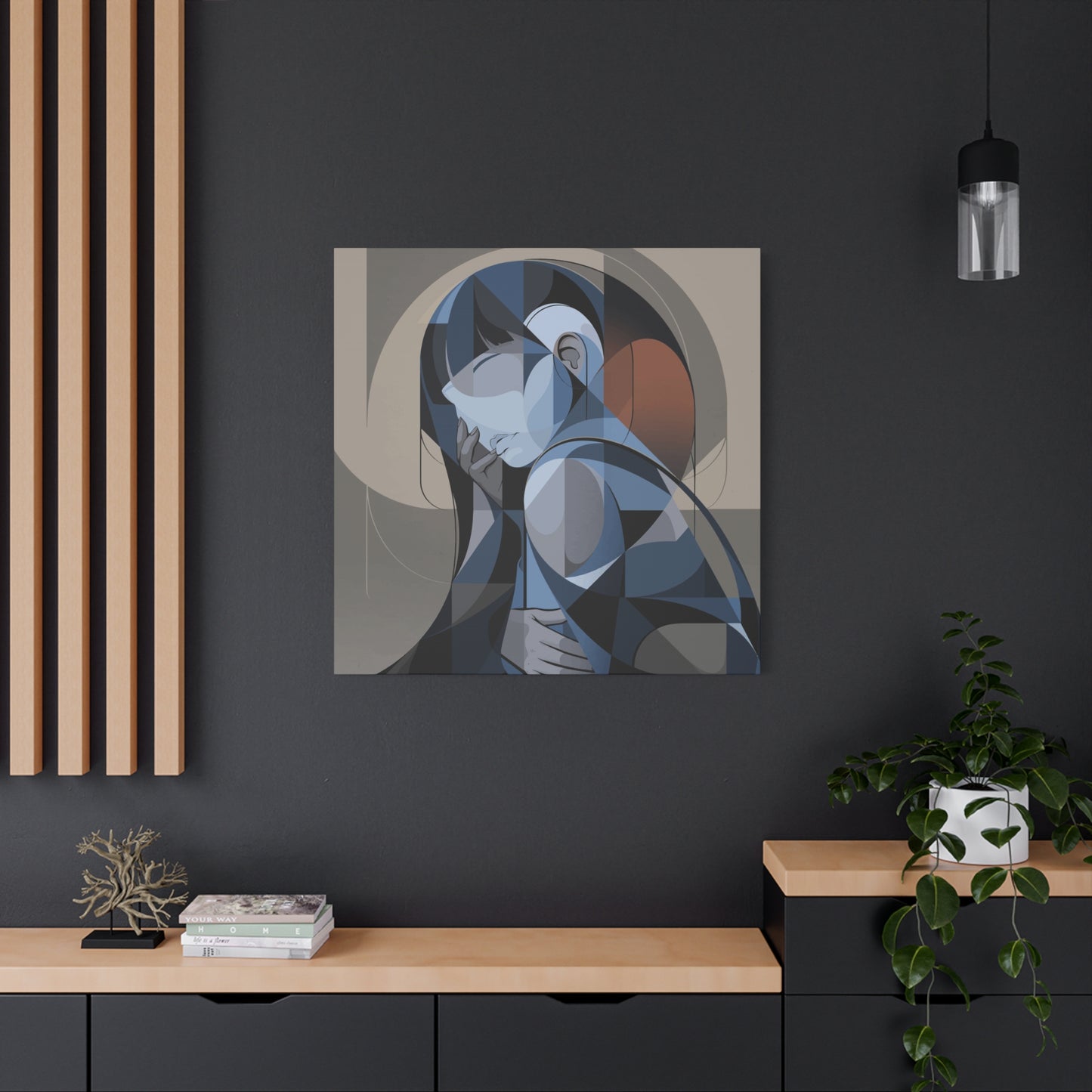
Abstract Wall Art & Canvas Prints
Abstract Wall Art & Canvas Prints
Couldn't load pickup availability
Creative Expression Through Modern Visual Design- Abstract Wall Art
Abstract wall art represents one of the most captivating forms of contemporary visual expression that transforms ordinary spaces into extraordinary environments. This comprehensive exploration delves into every aspect of abstract wall artwork, from its fundamental principles to practical considerations for selecting, displaying, and appreciating these remarkable pieces.
Non-representational artwork challenges traditional notions of what constitutes meaningful visual expression. Unlike conventional paintings that depict recognizable subjects, abstract pieces communicate through pure visual elements such as color, form, texture, and composition. This artistic approach liberates both creator and viewer from the constraints of literal interpretation, opening doors to limitless possibilities of personal connection and emotional resonance.
The power of abstract wall art lies in its ambiguity and openness to interpretation. Each observer brings their own experiences, emotions, and perspectives to the viewing experience, creating a unique dialogue between artwork and audience. This subjective nature makes abstract pieces particularly versatile, capable of complementing diverse interior styles while maintaining their distinctive presence.
Abstract compositions operate on multiple sensory levels simultaneously. The interplay of colors can evoke specific moods—warm hues generating energy and excitement, while cool tones promote tranquility and contemplation. Geometric patterns might suggest order and rationality, whereas organic forms convey natural rhythms and spontaneity. Textural variations add tactile dimension, inviting viewers to imagine the physical sensation of touching the surface, even from a distance.
Various Manifestations of Non-Literal Artistic Expression
The realm of abstract wall art encompasses numerous stylistic approaches, each with distinct characteristics and visual vocabularies. Geometric abstraction emphasizes precise shapes, clean lines, and mathematical relationships between forms. These works often feature circles, squares, triangles, and other polygons arranged in deliberate compositions that create visual harmony through balance and proportion.
Expressionistic abstraction prioritizes emotional content and gestural mark-making. Artists working in this mode apply paint with vigorous, spontaneous movements, creating dynamic surfaces that capture the energy and intensity of the creative moment. Brushstrokes, drips, and splashes become the primary vocabulary, communicating feeling rather than form.
Color field paintings present expansive areas of unmodulated or subtly varied hues that envelop viewers in chromatic environments. These works operate through scale and color relationships, creating immersive experiences that transcend traditional picture-making conventions. The emphasis falls on the sensory and emotional impact of pure color rather than compositional complexity.
Minimalist approaches reduce visual elements to their essential components. These spare, restrained works employ limited palettes, simple forms, and austere compositions that direct attention to fundamental relationships between elements. The resulting pieces possess a meditative quality that encourages sustained contemplation and quiet reflection.
Mixed media abstractions combine multiple materials and techniques, incorporating collage elements, found objects, textural additives, and unconventional application methods. These hybrid works expand the definition of painting, blurring boundaries between two-dimensional and three-dimensional art forms while offering rich, complex surfaces that reward close examination.
Chromatic Principles in Non-Representational Artwork
Color functions as the primary communicative tool in abstract wall art, operating according to established principles that govern visual perception and emotional response. The color wheel organizes hues in a circular arrangement that reveals relationships between primary, secondary, and tertiary colors. Complementary colors—those positioned opposite each other on the wheel—create maximum contrast and visual vibration when placed in proximity.
Analogous color schemes employ hues that sit adjacent on the wheel, producing harmonious combinations that flow naturally from one to another. These schemes create cohesive, unified compositions with subtle variations that maintain visual interest without jarring contrasts. Triadic color schemes select three hues equally spaced around the wheel, offering balanced diversity and dynamic energy.
Temperature plays a crucial role in color perception and emotional impact. Warm colors—reds, oranges, yellows—advance visually, appearing to come forward in space while generating feelings of warmth, energy, and excitement. Cool colors—blues, greens, purples—recede spatially, creating depth while promoting calmness, serenity, and contemplation. Strategic deployment of warm and cool hues can manipulate spatial perception and emotional atmosphere within abstract compositions.
Saturation and value provide additional dimensions of chromatic variation. Highly saturated colors appear pure and intense, commanding attention and asserting presence. Desaturated or muted tones create subtlety and sophistication, allowing for nuanced relationships between hues. Value refers to the relative lightness or darkness of colors, with high-contrast value relationships producing bold, dramatic effects, while close values generate gentle, understated moods.
Compositional Strategies in Abstract Visual Design
Successful abstract wall art relies on carefully considered compositional structures that organize visual elements into coherent, engaging arrangements. Balance—whether symmetrical, asymmetrical, or radial—distributes visual weight across the picture plane, creating stability or dynamic tension depending on the artist's intent. Symmetrical balance produces formal, orderly compositions, while asymmetrical arrangements generate movement and energy through unequal distribution of elements.
Focal points direct viewer attention to specific areas within the composition, creating hierarchy and visual pathways through the work. Artists establish focal points through contrast, scale, color intensity, or placement, guiding the eye through intended viewing sequences. Multiple focal points of varying strength can create complex visual narratives that unfold gradually during extended observation.
Rhythm and repetition introduce temporal elements into static images. Repeated forms, colors, or patterns create visual beats that move viewers through compositions, much as musical rhythms propel listeners through sonic landscapes. Variations in repetitive elements prevent monotony while maintaining underlying structural coherence.
Negative space—areas without active visual incident—serves essential compositional functions in abstract works. These "breathing spaces" provide relief from visual complexity, allow featured elements to assert themselves more forcefully, and contribute to overall compositional balance. Skillful manipulation of positive and negative space creates dynamic tension and spatial ambiguity that enriches viewing experiences.
Material Considerations and Surface Qualities
The physical materials employed in creating abstract wall art significantly influence final appearance and viewer experience. Traditional oil paints offer rich, luminous colors with extended working time that allows for blending, layering, and subtle transitions. The slow drying time enables artists to manipulate paint over extended periods, creating smooth gradations or removing and reworking areas as needed.
Acrylic paints provide versatility and convenience through rapid drying times and water-based formulation. These modern mediums can mimic oil paint characteristics when applied thickly or create watercolor-like effects when diluted. Acrylics accept diverse additives—gels, pastes, retarders—that modify texture, sheen, and working properties, expanding creative possibilities.
Watercolors and inks produce luminous, transparent effects characterized by fluidity and spontaneity. These media flow across surfaces in unpredictable ways, creating organic forms and soft transitions that suggest natural phenomena. The inherent unpredictability of water-based media introduces elements of chance that many abstract artists embrace as creative collaborators.
Mixed media approaches incorporate unconventional materials—sand, fabric, metal leaf, paper fragments—that add textural complexity and conceptual dimension. Three-dimensional elements cast shadows and catch light in ways that flat paint cannot, creating ever-changing appearances as viewing conditions shift throughout the day.
Selecting Abstract Artwork for Residential Spaces
Choosing abstract wall art for living environments requires consideration of multiple factors that ensure successful visual and emotional integration. Scale represents perhaps the most critical consideration—oversized pieces make bold statements and anchor rooms, while smaller works create intimate moments and allow for grouped arrangements.
The relationship between artwork dimensions and wall space follows general principles that promote visual harmony. For single pieces above furniture, the artwork should typically span two-thirds to three-quarters of the furniture width. When hanging art on open walls, leaving adequate space around the piece prevents cramped appearances and allows the work to breathe.
Color coordination between artwork and existing decor determines whether the piece harmonizes with or energizes the space. Abstract wall art containing colors already present in the room creates cohesive, unified environments. Alternatively, introducing new colors through artwork can refresh spaces and serve as inspiration for broader decorative updates.
The emotional atmosphere desired for specific spaces should guide selection. Bedrooms benefit from calming compositions featuring soft colors and gentle forms that promote relaxation. Living areas can accommodate more energetic pieces with bold colors and dynamic compositions that stimulate conversation and engagement. Home offices might incorporate pieces that balance stimulation and focus, avoiding extremes that either bore or distract.
Lighting conditions dramatically affect how abstract artwork appears. Natural light reveals true colors and creates changing appearances throughout the day as light quality shifts. Artificial lighting—whether warm incandescent, cool fluorescent, or neutral LED—tints colors and should be considered when selecting pieces. Testing artwork in actual installation locations under various lighting conditions prevents disappointing mismatches.
Professional Display Methods and Hanging Protocols
Proper installation ensures abstract wall art appears at its best while remaining securely mounted. Eye level placement generally positions artwork centers between 57 and 60 inches from the floor, approximating average human eye height. This standard creates comfortable viewing angles that neither strain necks nor diminish visual impact.
Gallery walls—grouped arrangements of multiple pieces—require careful planning to achieve balanced, cohesive presentations. Creating paper templates in actual artwork sizes allows experimentation with arrangements before committing to wall penetrations. Maintaining consistent spacing between pieces, typically 2-4 inches, creates visual unity while preserving individual piece integrity.
Proper hanging hardware selection depends on artwork weight and wall composition. Standard drywall accommodates picture hangers rated for appropriate weights, with hooks driven into studs providing maximum security for heavier pieces. Masonry walls require specialized anchors that expand within drilled holes, creating mechanical grip that supports substantial loads.
Wire hanging systems offer flexibility for frequently rearranged collections. Track-mounted systems allow vertical height adjustments and horizontal repositioning without additional wall penetrations. These systems work particularly well in commercial settings or homes where owners enjoy regularly refreshing displays.
Professional framing protects artwork while providing finished presentations that integrate seamlessly with interior design. Frame selection should complement rather than compete with artwork, with neutral profiles generally serving abstract pieces well. Matting creates breathing space between artwork and frame, preventing cramped appearances while adding dimensional interest.
Preservation and Longevity Considerations
Protecting abstract wall art from environmental hazards ensures lasting beauty and value preservation. Direct sunlight represents the most significant threat, with ultraviolet radiation causing irreversible color fading and material deterioration. Positioning artwork away from windows or installing UV-filtering glazing on framed pieces mitigates solar damage.
Temperature and humidity fluctuations stress artwork materials, causing expansion, contraction, and potential cracking or delamination. Maintaining stable interior environments—ideally 65-75 degrees Fahrenheit with 40-50% relative humidity—protects pieces from climate-related degradation. Avoiding placement near heating vents, fireplaces, or air conditioning units prevents localized environmental extremes.
Dust accumulation dulls colors and textures while potentially harboring moisture and pollutants. Regular, gentle cleaning with soft, dry brushes or microfiber cloths removes surface deposits without abrading delicate surfaces. Framed works protected by glass require only exterior cleaning, while unframed canvases demand more delicate approaches that avoid disturbing paint surfaces.
Professional conservation addresses damage beyond routine upkeep capabilities. Trained conservators possess specialized knowledge and materials for repairing tears, stabilizing flaking paint, and reversing previous inappropriate interventions. Consulting professionals before attempting repairs prevents well-intentioned actions that worsen conditions or permanently compromise artwork integrity.
Investment Aspects and Market Considerations
Abstract wall art spans vast price ranges reflecting artist reputation, size, medium, and market demand. Emerging artists offer accessible entry points for new collectors, with original works often available at modest prices that provide authentic art ownership experiences. Limited edition prints provide intermediate options, delivering artistic merit at fractions of unique piece costs.
Established artists command premium prices based on exhibition histories, critical recognition, and secondary market performance. Works by recognized names represent not only aesthetic acquisitions but potential investments that may appreciate over time. However, art investment requires careful research, market knowledge, and realistic expectations regarding liquidity and return potential.
Provenance—documented ownership history—significantly impacts artwork value and authenticity assurance. Well-documented pieces with clear ownership chains command premium prices and sell more readily than works with questionable backgrounds. Maintaining purchase documentation, certificates of authenticity, and exhibition records protects investment value while facilitating future sales.
Art market trends shift according to broader cultural movements, economic conditions, and evolving taste preferences. Currently, abstract wall art enjoys strong demand across residential and commercial sectors, with particular interest in large-scale statement pieces and works by underrepresented artists. Sustainable materials and socially conscious practices increasingly influence purchasing decisions among environmentally aware collectors.
Cultural Significance and Expressive Freedom
Abstract art's emergence represented revolutionary rejection of representational traditions that dominated Western art for centuries. Early pioneers challenged assumptions about art's fundamental purpose, arguing that visual elements possessed inherent expressive power independent of subject matter. This radical reimagining liberated subsequent generations to explore pure visual phenomena without narrative obligations.
Different cultural contexts produce distinct abstract traditions reflecting specific aesthetic philosophies and social values. Eastern calligraphic traditions emphasize gestural spontaneity and spiritual expression through brushwork. Western geometric abstraction often engages rationalist impulses and industrial aesthetics. Indigenous abstract traditions encode cultural knowledge and spiritual beliefs through symbolic pattern systems passed across generations.
Contemporary abstract wall art continues evolving as artists incorporate digital tools, unconventional materials, and cross-cultural influences. Computer-generated imagery enables precise control and infinite variation impossible through traditional means. Some artists embrace algorithmic processes that introduce controlled randomness, while others maintain handmade approaches that celebrate material physicality and human gesture.
Social commentary increasingly appears in abstract work as artists encode political, environmental, and humanitarian concerns within formally sophisticated compositions. Color choices, compositional structures, and material selections carry symbolic meanings that resonate with informed viewers while remaining accessible to those engaging purely on aesthetic levels.
Creating Cohesive Collections and Curated Groupings
Building abstract art collections allows for personal expression through curatorial choices that reflect individual taste and aesthetic philosophy. Thematic collections organized around specific concepts—color relationships, gestural approaches, geometric systems—create intellectual coherence while offering visual variety through different artist interpretations of shared themes.
Chronological collections document artistic evolution, either tracking single artists' development or surveying broader movement progressions. These historically-minded collections provide educational dimension while demonstrating how visual languages develop through time and influence.
Eclectic collections embrace diversity, combining works from various periods, styles, and cultural origins. This democratic approach celebrates artistic pluralism while creating dynamic installations where unexpected juxtapositions generate fresh insights. Successful eclectic collections balance variety with underlying aesthetic sensibilities that prevent chaotic randomness.
Rotating displays keep collections fresh while accommodating limited display space. Systematically changing displayed works prevents visual fatigue, allows all collection pieces regular visibility, and creates opportunities to develop new hanging arrangements that reveal previously unnoticed relationships between works.
Commissioning Custom Abstract Creations
Custom commissions provide opportunities for acquiring perfectly tailored abstract wall art that addresses specific spatial, chromatic, and thematic requirements. Direct artist collaboration ensures resulting works integrate seamlessly with architectural features, existing furnishings, and personal aesthetic preferences.
The commission process typically begins with consultations where clients communicate vision, preferences, and practical requirements. Artists may request photographs of intended installation locations, paint chips or fabric swatches representing existing color schemes, and descriptions of desired emotional atmospheres. These inputs inform preliminary sketches or digital mockups that establish compositional directions before final execution.
Size specifications ensure commissioned pieces fit intended locations appropriately. Providing exact wall dimensions, ceiling heights, and furniture measurements enables artists to propose optimally scaled works. Architectural features like moldings, outlets, or switches may influence composition planning, with artists adjusting designs to accommodate or incorporate these elements.
Timeline expectations should be clearly established, with realistic schedules accommodating artistic processes while meeting client deadlines. Rush commissions may incur premium charges, while flexible timelines often allow more favorable pricing. Payment structures typically involve deposits to initiate work, with balance due upon completion or delivery.
Abstract Artwork in Commercial Environments
Corporate spaces increasingly employ abstract wall art to enhance workplace environments, reinforce brand identities, and demonstrate cultural sophistication. Lobby installations create strong first impressions, communicating organizational values through artistic choices. Bold, confident pieces suggest innovation and forward thinking, while refined, subtle works convey stability and professionalism.
Open office areas benefit from abstract artwork that provides visual interest without distraction. Carefully selected pieces enhance aesthetic quality while maintaining focus-friendly environments. Color choices might reinforce corporate branding or introduce energizing accents that combat institutional blandness.
Healthcare facilities utilize abstract art's calming potential to reduce patient anxiety and improve healing environments. Evidence suggests engaging visual environments positively influence patient outcomes and satisfaction. Soft colors, organic forms, and peaceful compositions create soothing atmospheres that counteract clinical sterility.
Hospitality venues employ abstract wall art to establish distinctive identities within competitive markets. Hotels, restaurants, and entertainment venues use carefully curated collections to create memorable environments that enhance guest experiences and encourage social media sharing. Site-specific commissions provide unique focal points that differentiate properties from competitors.
Digital Manifestations and Contemporary Formats
Digital abstract art expands traditional boundaries through screen-based presentations and algorithmically-generated compositions. NFTs (non-fungible tokens) enable digital artwork ownership and trading, creating new collector markets and artistic possibilities. These blockchain-authenticated works exist purely in digital form but possess verified scarcity and provenance.
Animated abstract compositions introduce temporal dimension impossible in static works. Moving colors, morphing forms, and evolving patterns create mesmerizing experiences that traditional media cannot replicate. Display through digital frames or projection systems brings these works into residential and commercial spaces.
Generative art employs algorithmic processes that produce ever-changing compositions according to programmed parameters. These living artworks never repeat exactly, creating unique viewing experiences with each engagement. Some systems respond to environmental inputs—sound, light, motion—creating interactive relationships between artwork and context.
Augmented reality applications overlay digital abstract elements onto physical spaces viewed through smartphones or specialized glasses. These hybrid experiences blend virtual and physical realities, allowing viewers to customize environments with changeable digital artworks that require no physical installation.
Therapeutic Qualities and Emotional Resonance
Abstract wall art's non-literal nature makes it particularly effective for mood enhancement and stress reduction. Colors influence emotional states through both cultural associations and physiological responses. Blue tones generally promote calmness through associations with sky and water, while also potentially lowering heart rate and blood pressure. Red stimulates alertness and energy but may increase anxiety when overused.
Viewing abstract compositions encourages mindfulness through focused attention on visual elements. This contemplative engagement provides mental breaks from verbal thought patterns and daily concerns. The interpretive openness of abstract work invites personal projection and meaning-making that can facilitate self-reflection and emotional processing.
Creating abstract art offers therapeutic benefits through expressive outlet and meditative focus. The process-oriented nature of abstract creation emphasizes experience over outcome, reducing performance anxiety that representational work might trigger. Gestural mark-making provides physical release, while color selection and arrangement decisions engage cognitive and emotional systems.
Art therapy practitioners frequently employ abstract approaches with clients for whom literal representation feels threatening or limiting. The symbolic distance provided by abstraction allows safe exploration of difficult emotions and experiences. Completed abstract works serve as tangible records of internal states and therapeutic progress.
Environmental Consciousness in Contemporary Creation
Sustainable practices increasingly influence abstract art production as awareness of environmental impact grows. Artists source eco-friendly materials—low-VOC paints, recycled canvases, reclaimed wood supports—that minimize ecological footprints. Some create entirely from salvaged or repurposed materials, transforming waste streams into aesthetic objects.
Natural pigments derived from minerals, plants, and earth offer alternatives to synthetic colorants while connecting contemporary practice with ancient traditions. These materials produce distinctive, often unexpected colors that differ from industrial paint standardization. Working with natural pigments requires different approaches and accepts greater unpredictability in final results.
Local sourcing reduces transportation impacts while supporting regional economies and craftspeople. Artists obtaining materials from nearby suppliers lower carbon footprints while often discovering unique regional products unavailable through national distributors. Studio practices can incorporate energy efficiency, waste reduction, and water conservation to further minimize environmental impact.
Documentation and promotion of sustainable practices educate audiences about environmental considerations in art production. This transparency appeals to ecologically conscious collectors while potentially influencing broader industry practices. Some artists donate portions of sales to environmental causes, creating direct connections between artwork and conservation efforts.
Influential Practitioners and Movement Pioneers
Kandinsky pioneered abstract art's theoretical foundations, arguing that colors and forms possessed inherent spiritual properties independent of representation. His writings and paintings established principles that subsequent generations explored and expanded. Compositions featuring dynamic shapes floating in ambiguous spaces demonstrated abstraction's expressive potential.
Mondrian developed geometric abstraction through systematic reduction to horizontal and vertical lines intersecting at right angles, with primary color accents. His austere compositions sought universal harmony through balanced relationships between fundamental elements. This reductive approach influenced architecture, design, and visual culture far beyond fine art contexts.
Pollock revolutionized painting through drip techniques that recorded physical gesture and embraced controlled chaos. His large-scale works immerse viewers in all-over compositions without traditional focal points or hierarchies. The action painting approach emphasized creative process as embodied performance rather than merely means to finished product ends.
Rothko created luminous color field paintings featuring stacked rectangular forms with soft, bleeding edges. These meditative works operate through chromatic relationships and subtle tonal variations that reward prolonged viewing. Scale plays crucial roles, with large canvases enveloping viewers in color environments that transcend pictorial representation.
Frankenthaler developed soak-stain techniques that allowed thinned paint to saturate unprimed canvas, creating veils of translucent color. This innovative approach yielded lyrical, atmospheric works that suggested landscapes without depicting specific places. Her process-oriented methods influenced subsequent color field and lyrical abstraction movements.
Regional Variations and Cultural Expressions
Abstract traditions vary significantly across global regions, reflecting distinct cultural values, philosophical frameworks, and aesthetic priorities. Asian calligraphic abstraction emphasizes line quality, gestural spontaneity, and spiritual expression. Brushwork conveys energy and emotion while maintaining discipline through years of technical training. Empty space functions as active element rather than mere background.
European geometric abstraction often engages rationalist impulses and utopian social visions. Constructivist movements sought to merge art with industrial design, creating functional objects and environments based on geometric principles. This practical orientation distinguished European approaches from more mystical or expressionistic abstract tendencies elsewhere.
Latin American abstract art frequently incorporates vibrant color palettes reflecting regional landscapes, indigenous textile traditions, and cultural celebrations. Geometric patterns may reference pre-Columbian art and architecture, creating continuity between ancient and contemporary visual cultures. Social engagement and political commentary often appear in formally abstract works.
African abstract traditions draw from diverse indigenous aesthetic systems emphasizing pattern, rhythm, and symbolic communication. Contemporary African abstract artists negotiate relationships between traditional visual languages and international contemporary art discourses. Materials and techniques may incorporate local resources and craft traditions within fine art contexts.
Scale Considerations and Spatial Relationships
Artwork scale dramatically affects viewer experience and spatial perception. Monumental pieces command attention and anchor rooms, functioning as dominant focal points around which other elements orbit. Large-scale abstract wall art creates immersive experiences where viewers feel enveloped by color and form. Compositions designed for significant scale may lose impact when reduced, as proportional relationships and surface qualities change with size.
Intimate pieces reward close viewing, revealing details and subtleties invisible from distance. Small-scale works create private viewing experiences encouraging sustained attention and contemplation. Multiple small pieces grouped together generate complex installations with cumulative impact exceeding individual component significance.
Medium-sized works offer versatility, functioning effectively as singular focal points or within grouped arrangements. These accessible scales suit diverse residential and commercial contexts while remaining transportable and relatively easy to install. Most artists work comfortably at medium scales where physical manipulation remains manageable without requiring assistants or specialized equipment.
Proportional relationships between artwork and surrounding space influence perceived scale and impact. Pieces appearing appropriately sized in spacious galleries may overwhelm modest domestic rooms, while works suited to intimate spaces risk appearing insignificant in expansive commercial lobbies. Successful integration considers not only absolute dimensions but also relative scale within specific contexts.
Lighting Strategies for Enhanced Presentation
Proper illumination reveals abstract wall art's full chromatic and textural richness while creating dramatic visual impact. Picture lights mounted above frames provide focused illumination that minimizes glare while accentuating surface qualities. Adjustable fixtures allow precise light direction and intensity control. Warm or cool LED options influence color temperature and should coordinate with desired atmospheric effects.
Track lighting offers flexible illumination for grouped installations or changing displays. Individual fixtures can be positioned and aimed precisely, creating customized lighting schemes for diverse artworks. Dimmer controls enable atmospheric adjustments for different occasions while reducing energy consumption during periods requiring less illumination.
Recessed ceiling fixtures provide general ambient lighting that can supplement dedicated artwork illumination. These permanently installed lights integrate seamlessly with architecture while offering even, shadow-free illumination. When used for artwork lighting, proper aiming prevents hotspots while ensuring adequate light levels.
Natural light provides beautiful, dynamic illumination that changes throughout days and seasons, creating ever-evolving artwork appearances. However, direct sunlight causes fading and material degradation, requiring careful positioning or UV-filtering window treatments. North-facing windows provide consistent, indirect light valued for its neutrality and stability.
Interactive and Participatory Abstract Experiences
Contemporary abstract practices increasingly incorporate viewer participation, transforming passive observation into active engagement. Interactive installations respond to presence, movement, or touch, creating unique experiences for each visitor. Sensors trigger color changes, pattern variations, or compositional shifts, making viewers co-creators of temporary aesthetic experiences.
Participatory projects invite audiences to contribute to evolving artworks through direct mark-making or material additions. These democratic approaches challenge traditional artist-viewer hierarchies while creating community-generated works reflecting collective input. Public murals completed through community participation foster social cohesion while beautifying shared spaces.
Digital interfaces enable individual customization of displayed abstract compositions. Touchscreens or mobile apps allow viewers to adjust colors, forms, and compositions according to personal preferences. These systems democratize curatorial control while revealing how subjective aesthetic judgments vary across individuals and populations.
Sound-responsive abstractions visualize audio inputs through real-time color and form transformations. Music, speech, or environmental sounds generate corresponding visual displays, creating synaesthetic experiences linking auditory and visual perception. These installations work effectively in entertainment venues, public spaces, and private homes.
Abstract Artwork in Wellness Environments
Healing spaces increasingly incorporate abstract wall art strategically selected for stress reduction and positive emotional influence. Waiting areas benefit from calming compositions featuring soft colors and organic forms that counteract anxiety associated with medical procedures. Patients report reduced stress and improved satisfaction in aesthetically enhanced environments.
Recovery rooms and patient spaces utilize abstract artwork to provide visual interest and distraction from discomfort. Personally meaningful images might not suit diverse patient populations, making abstract work's universal appeal advantageous. Easily cleanable framed prints or sealed canvases meet hygiene requirements in clinical settings.
Meditation and yoga studios employ abstract pieces supporting contemplative practices and spiritual exploration. Mandala-inspired circular compositions or minimalist color fields create focal points for attention while avoiding specific religious imagery that might conflict with practitioners' diverse belief systems. Calming palettes and balanced compositions reinforce peaceful atmospheres conducive to mindfulness practices.
Fitness facilities use energizing abstract artwork to motivate physical exertion and enhance workout experiences. Dynamic compositions with warm colors and bold contrasts create stimulating environments that combat exercise monotony. Large-scale pieces visible from equipment areas provide visual engagement during repetitive activities.
Seasonal and Temporal Considerations
Artwork selection can reflect seasonal preferences and changing moods throughout the year. Warm-toned pieces with dynamic compositions energize spaces during cold months when indoor time increases. Cool, refreshing colors offer visual relief during hot seasons, psychologically cooling spaces even without temperature changes.
Rotating displays according to seasonal rhythms keeps environments fresh while allowing different pieces appropriate visibility. This practice also protects artworks from cumulative light exposure by limiting individual piece display duration. Stored works should be protected from temperature extremes, humidity, and pests in proper archival conditions.
Holiday periods invite decorative coordination between displayed artwork and seasonal decorations. Abstract pieces in appropriate colors can reinforce festive atmospheres without literal seasonal imagery that limits relevance to specific holidays. This approach maintains sophistication while acknowledging celebratory occasions.
Long-term living with abstract wall art reveals evolving relationships between viewers and works. Initial responses often focus on obvious formal qualities—color, composition, scale. Extended exposure enables deeper engagement with subtle details and complex relationships that only reveal themselves through sustained acquaintance. This deepening appreciation demonstrates abstract art's capacity for ongoing revelation rather than immediate, complete comprehension.
Rental and Rotation Services
Art rental programs provide access to museum-quality works without purchase commitments or storage responsibilities. These services particularly benefit corporate clients desiring regularly refreshed displays that maintain workplace visual interest. Rental periods typically span months to years, with options to purchase exhibited pieces.
Rotating collections prevent visual fatigue while enabling exploration of diverse styles and artists. This approach works well for individuals uncertain about long-term aesthetic preferences or reluctant to commit significant resources to permanent acquisitions. Rental fees often apply toward purchases, allowing try-before-buy experiences.
Subscription services deliver curated selections to members' locations at regular intervals. Professional curators consider member preferences, spaces, and budgets when selecting appropriate works. This guided discovery introduces subscribers to artists and styles they might not encounter independently while ensuring quality and authenticity.
Corporate art advisory services manage complete collection lifecycles from initial planning through acquisition, installation, and ongoing curation. These specialists consider organizational culture, architectural contexts, and budget parameters when recommending appropriate works. Comprehensive services include installation, insurance, conservation, and periodic rotation.
Emerging Artists and Discovery Platforms
Online platforms democratize art discovery by connecting artists directly with global audiences without traditional gallery mediation. Social media enables emerging creators to build followings and sell works independently. However, algorithmic feeds and platform saturation create new challenges for visibility and audience development.
Open studio events allow direct artist-viewer interaction within working spaces where creation occurs. These intimate encounters provide insights into creative processes, materials, and conceptual frameworks that deepen appreciation and inform purchasing decisions. Many artists offer studio visit privileges to serious collectors and supporters.
Art fairs aggregate numerous galleries presenting diverse artists under single roofs, enabling efficient survey of current market offerings. These events range from international mega-fairs to regional affairs focusing on local artists. While facilitating discovery, fair environments can feel overwhelming and commercial, potentially obscuring subtle works requiring sustained attention.
Graduate exhibitions showcase emerging talent completing formal arts training. These presentations offer opportunities to acquire early works by potentially significant artists at accessible prices. Supporting emerging artists provides satisfaction beyond aesthetic enjoyment through participation in artistic career development.
Abstract Principles in Broader Design Contexts
Abstract compositional principles extend beyond fine art into graphic design, architecture, and product design. Color theory, spatial relationships, and formal balance govern effective visual communication across media. Designers employ abstract visual strategies when creating logos, layouts, and branded materials.
Interior design incorporates abstract thinking through space planning, color coordination, and textural variation. Successful interiors balance diverse elements into cohesive wholes, much as abstract compositions unify disparate forms into resolved works. Pattern mixing and material combinations require sensitivity to visual relationships that abstract art training develops.
Fashion design applies abstract principles through fabric patterns, color blocking, and silhouette development. Textile designs often feature abstract patterns that create visual interest without representational imagery. Garment construction balances proportions and creates rhythmic relationships between body and clothing.
Architecture employs abstraction through form manipulation, spatial organization, and material expression. Modern architecture particularly embraces abstract aesthetic principles, with buildings functioning as three-dimensional abstract compositions that viewers inhabit. Façade patterns, volumetric relationships, and structural expressions demonstrate architectural abstraction.
Conservation Science and Preservation Protocols
Art conservation combines scientific analysis with traditional craft skills to preserve cultural heritage for future generations. Conservators examine artworks using specialized imaging techniques—ultraviolet, infrared, x-radiography—that reveal underlying structures, previous restorations, and condition issues invisible to unaided vision.
Chemical analysis identifies pigments, binders, and support materials, informing treatment decisions and authentication assessments. Understanding material compositions enables appropriate cleaning methods and consolidation treatments that respect original artist intent while addressing deterioration.
Climate-controlled storage environments maintain stable temperature and humidity levels that prevent material degradation. Museums and serious private collectors invest in environmental monitoring systems that alert staff to dangerous fluctuations requiring immediate intervention. Proper storage prevents most condition problems, making prevention more effective than remediation.
Documentation protocols record artwork condition through written reports and photographic records before, during, and after treatments. This documentation provides historical record of conservation interventions while facilitating future treatment decisions. Detailed records also serve authentication and provenance research purposes.
Abstract Expression in Public Realm
Public abstract artworks enhance civic spaces while stimulating community dialogue and pride. Monumental sculptures and murals create landmarks that orient navigation and foster place attachment. Accessible to all without admission fees, public works democratize art access beyond institutional and commercial venues.
Percent-for-art programs require developers to allocate portions of construction budgets to public artwork, ensuring aesthetic considerations in civic planning. These mandates have generated thousands of public commissions worldwide, though quality varies based on selection processes and community involvement.
Community input in public art selection increases local investment and acceptance while potentially limiting artistic ambition through compromise. Balancing artistic integrity with public accountability challenges selection committees tasked with satisfying diverse constituencies. Controversial works generate valuable discussions about art's social roles and public space management.
Temporary installations allow experimental approaches and emerging artists opportunities without permanent commitments. Rotating public displays maintain freshness while demonstrating civic support for contemporary creativity. Some temporary works prove so successful that communities fundraise for permanent acquisitions or recreations.
Color Psychology and Strategic Palette Selection
Color psychology examines how hues influence mood, behavior, and perception. While cultural factors and personal associations vary, research identifies consistent patterns in color response across populations. Red stimulates excitement and urgency, explaining its prevalence in clearance sales and warning signs. Blue promotes trust and calmness, favored by financial institutions and healthcare providers.
Yellow conveys optimism and energy but can cause eye strain and anxiety in excessive amounts. Green suggests nature, growth, and stability, making it popular in environmental and financial contexts. Purple historically associated with royalty and luxury continues conveying sophistication and creativity. Orange combines red's energy with yellow's cheerfulness, creating enthusiastic, friendly impressions.
Color meaning varies across cultures, requiring sensitivity when creating for or displaying in diverse contexts. White symbolizes purity in Western traditions but represents mourning in some Asian cultures. Red signifies luck and celebration in China but danger in Western contexts. These cultural variations influence how abstract work communicates across different audiences.
Personal color preferences develop through individual experiences and associations that override general psychological principles. A person negatively associated with blue through traumatic experience may find blue compositions disturbing despite color's general calming reputation. Successful abstract art considers both universal color psychology and individual viewer diversity.
Materials Innovation and Experimental Approaches
Contemporary abstract artists continuously explore novel materials that expand expressive possibilities and challenge medium definitions. Encaustic techniques employing heated beeswax create luminous, textured surfaces with ancient lineage and contemporary relevance. The material's translucency allows layering that creates optical depth and color complexity.
Resin-based works achieve glass-like surfaces and jewel-tone saturation impossible with traditional paints. These materials enable embedding objects, creating deep layers, and achieving mirror-smooth finishes. However, resin working requires careful technique, proper ventilation, and specific temperature conditions.
Metal leaf applications add reflective shimmer and precious material associations. Traditional gold and silver leaf create opulent surfaces, while copper, aluminum, and composite leafs offer diverse color and texture options. Leaf applications require specialized skills and delicate handling to prevent tearing and ensure proper adhesion.
Found object incorporation transforms discarded materials into art, raising questions about authorship, craft, and aesthetic value. Recycled materials carry histories and associations that add conceptual dimension to formal compositions. This approach appeals to environmentally conscious artists and audiences while creating unique surfaces impossible to achieve through conventional methods.
Final Thoughts
Abstract wall art represents a powerful form of creative expression that breaks free from the confines of realism and allows artists to explore new dimensions of emotion, color, and form. Through its non-representational style, abstract art invites viewers to engage with the artwork in a more personal and subjective way, enabling each individual to interpret and experience it from their own perspective. This freedom to express and interpret emotion without being tied to any specific visual representation makes abstract wall art an enduring and versatile choice for modern interiors.
At the heart of abstract wall art is the idea of simplifying or transforming the familiar into something new. Rather than depicting a specific object, scene, or figure, abstract art focuses on the core elements of design—lines, shapes, textures, and colors. These elements come together in ways that defy the traditional rules of perspective and form, creating compositions that are dynamic, thought-provoking, and sometimes even puzzling. The result is art that resonates with viewers on an emotional level, creating connections that are not bound by literal interpretation but rather by the energy and mood conveyed through the piece.
One of the most fascinating aspects of abstract wall art is its ability to adapt to a wide range of design aesthetics and personal tastes. Whether it’s the sharp, geometric lines of a minimalist piece or the flowing, organic shapes of a more expressive creation, abstract art has the power to complement any space. In contemporary homes, abstract pieces can transform an otherwise mundane wall into a statement feature. The bold colors and dynamic compositions command attention, sparking conversation and offering a focal point for the room. Alternatively, more subtle abstract works with muted tones and softer forms can add depth and sophistication without overwhelming the space, making them a perfect choice for bedrooms, dining areas, or offices.
The versatility of abstract wall art extends beyond its ability to blend with various interior styles. These pieces also transcend cultural and historical boundaries, offering universal themes that resonate with people from all walks of life. Whether exploring the emotions of joy, sadness, or introspection, abstract art communicates on a deeper, more intuitive level, making it accessible to a global audience. In many ways, abstract art provides a visual language that is less about specific meaning and more about the experience of the viewer. Its ambiguity allows it to speak to different people in different ways, and it can even change in meaning or significance over time.
Another key characteristic of abstract wall art is its potential for evoking a wide range of emotional responses. A bold splash of color may evoke excitement or energy, while muted tones and soft curves might inspire calm or contemplation. The play of light and shadow, the interaction of color contrasts, and the fluidity of line all contribute to the overall emotional tone of the piece. This makes abstract art particularly effective in creating the atmosphere you want within a room, whether it’s an energizing force in a living area or a tranquil backdrop in a private retreat.
In conclusion, abstract wall art is much more than just a decoration for your walls—it’s a reflection of creative expression and modern visual design. Its ability to evoke emotions, encourage personal interpretation, and blend seamlessly into various design styles makes it a timeless addition to any living space. Whether you're drawn to the vibrant chaos of expressionism or the clean lines of geometric abstraction, abstract wall art invites you to experience and interact with the artwork on a deeply personal level. In its simplicity and complexity, it offers an endless array of possibilities to elevate and transform your home, making it not just a place to live, but a space to feel, reflect, and create.
Share