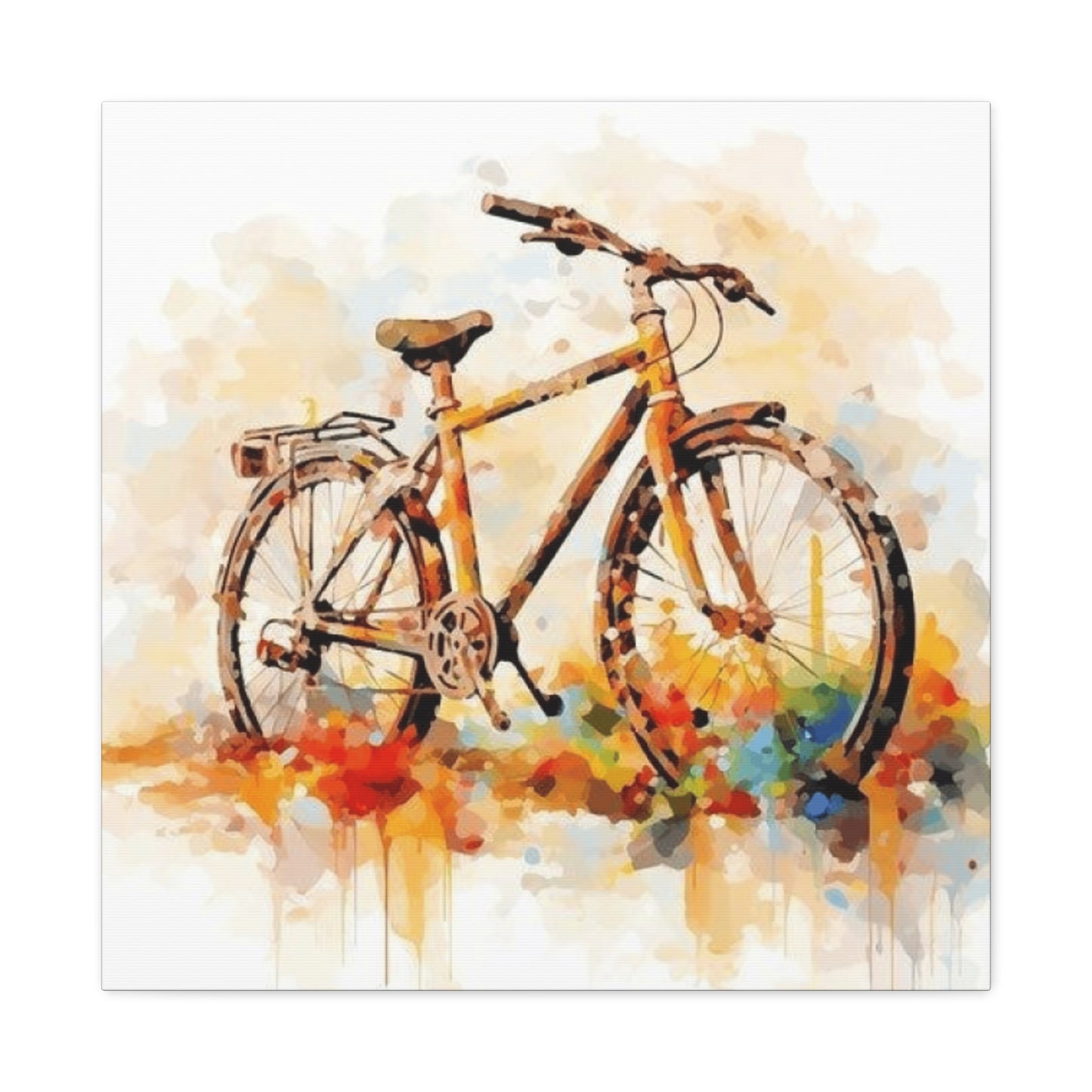
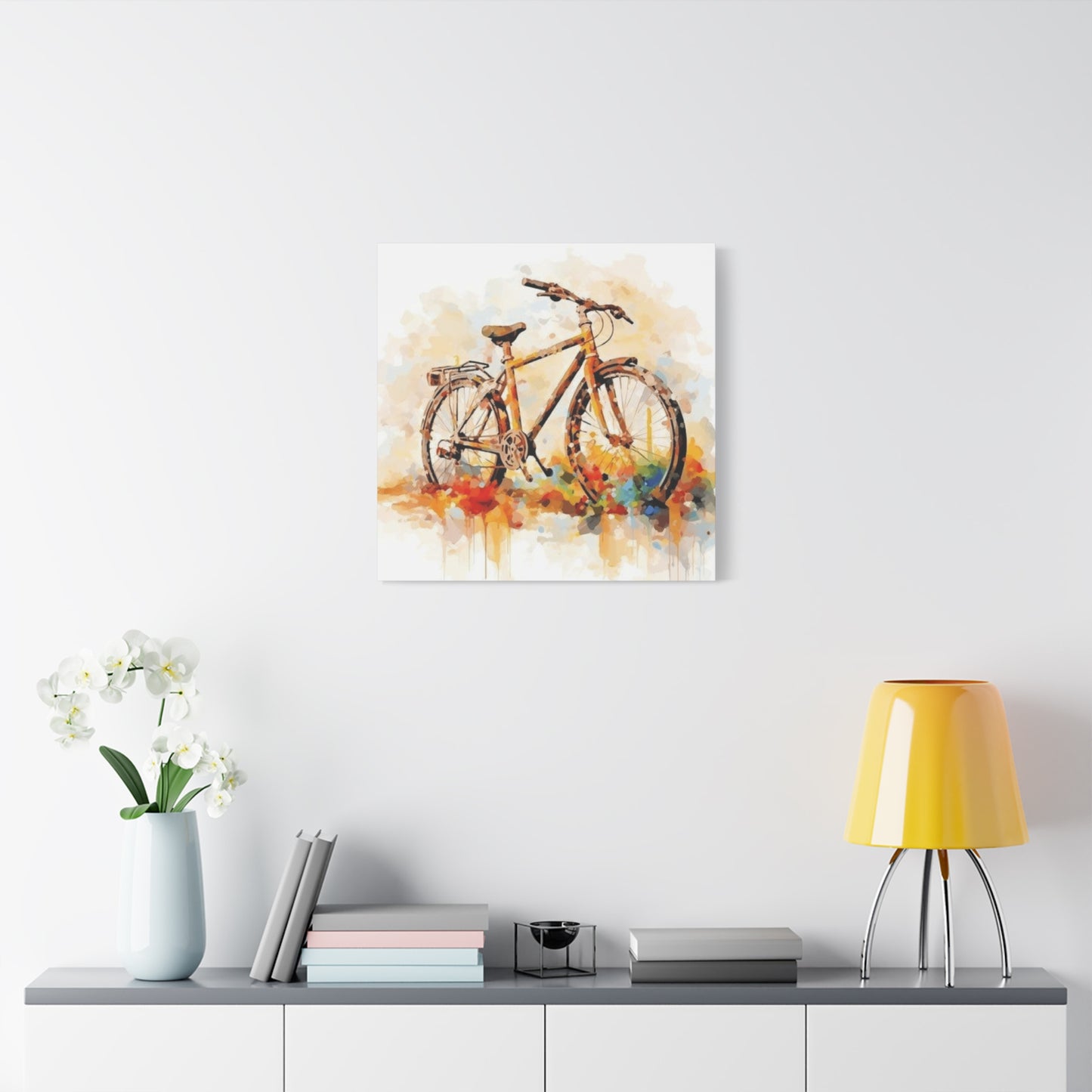
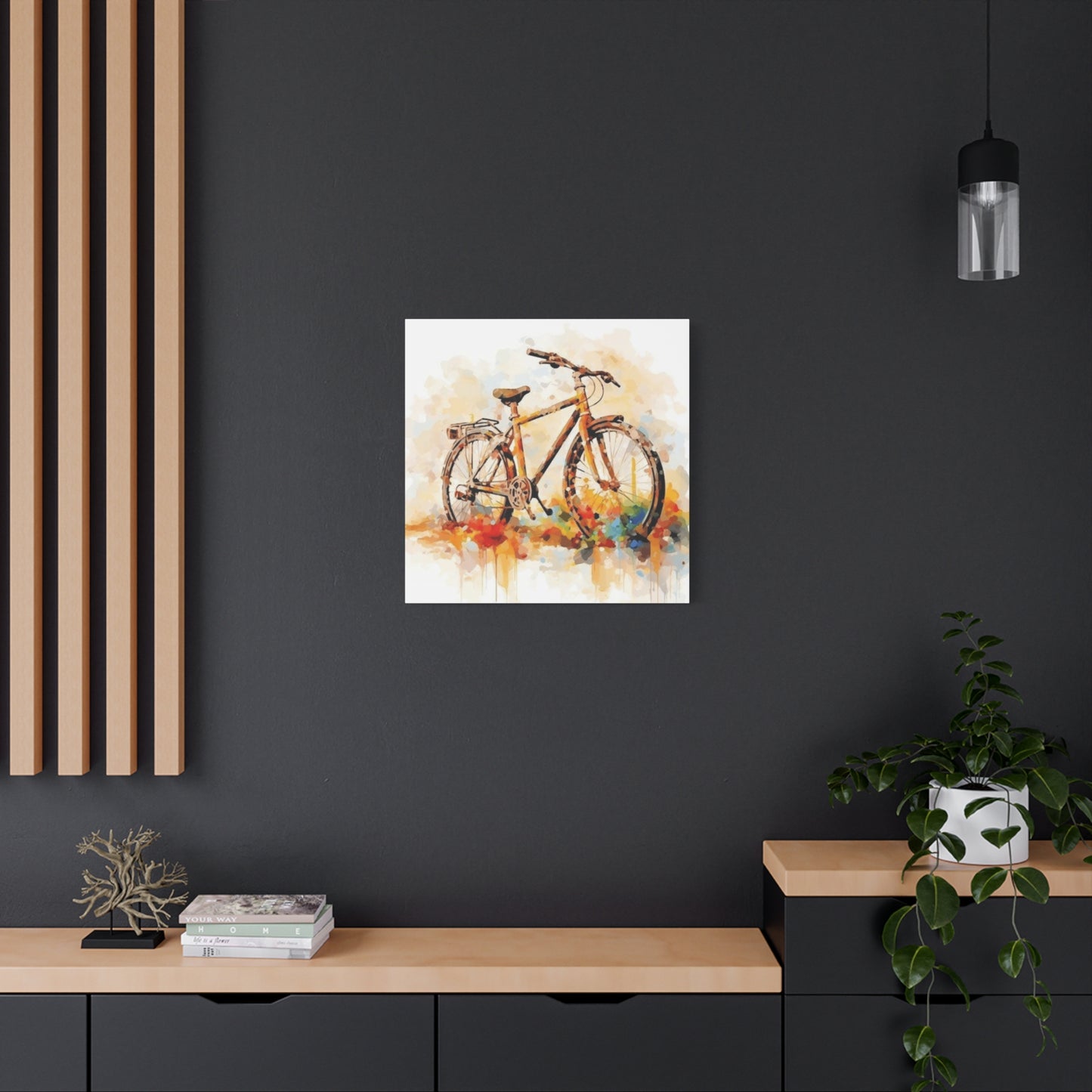
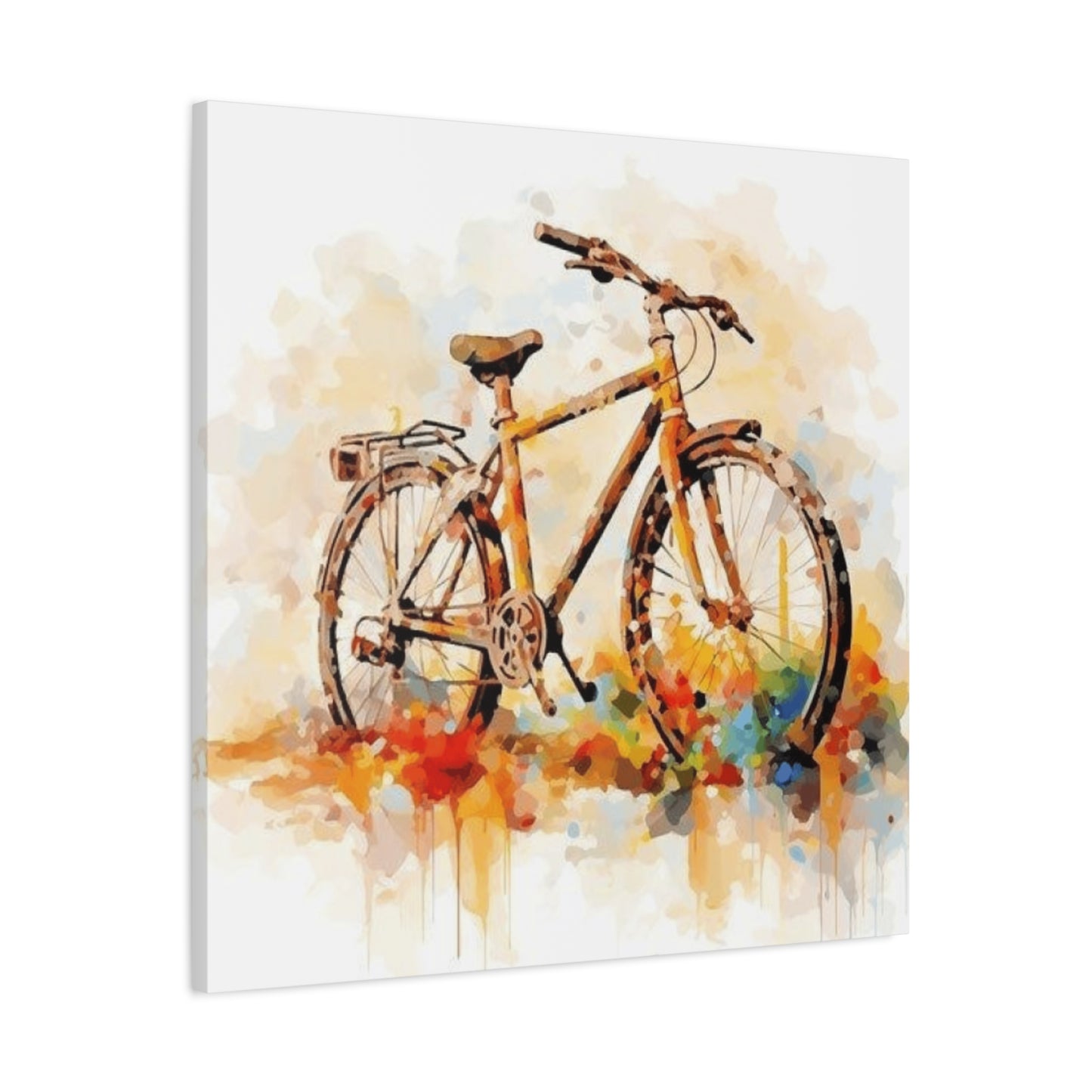
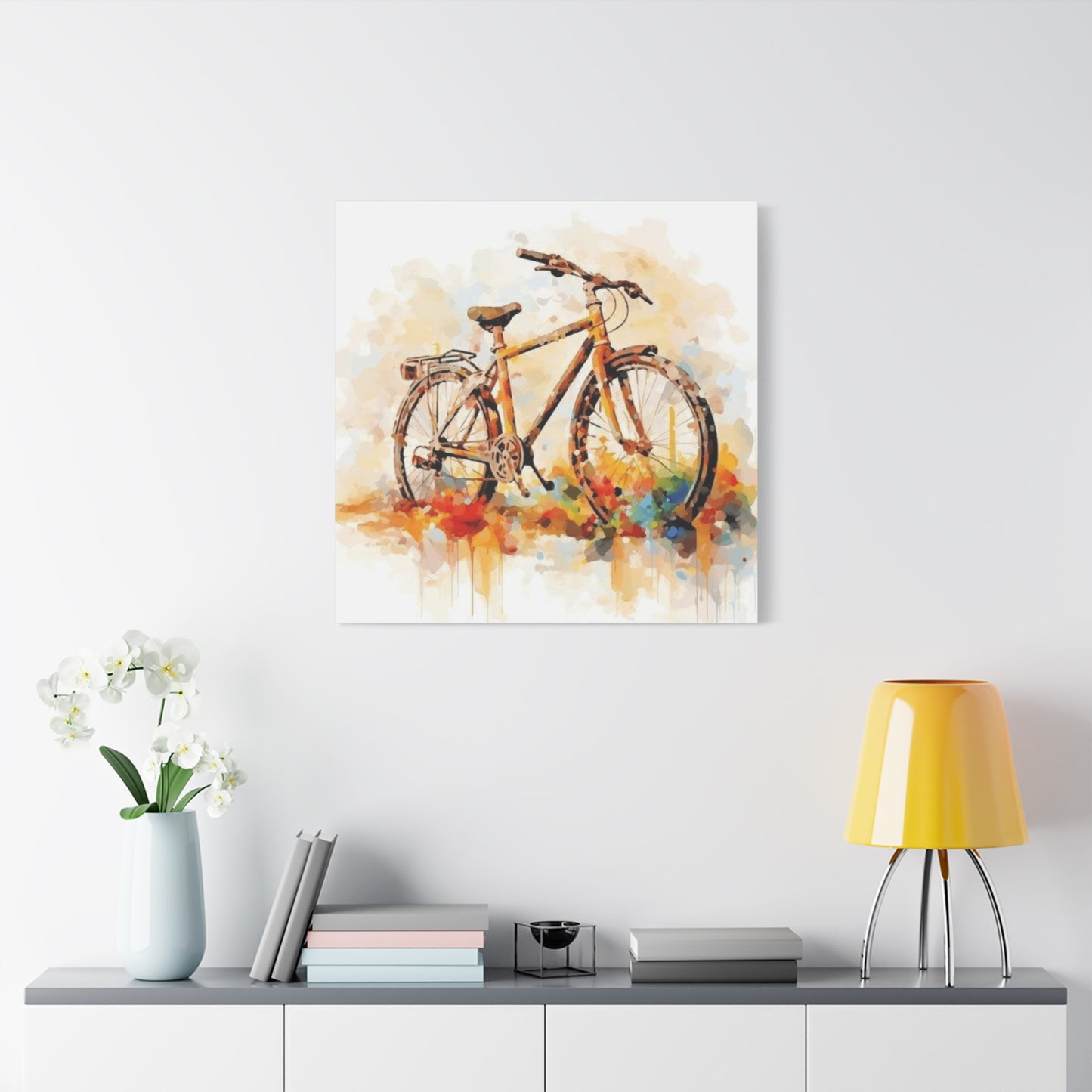
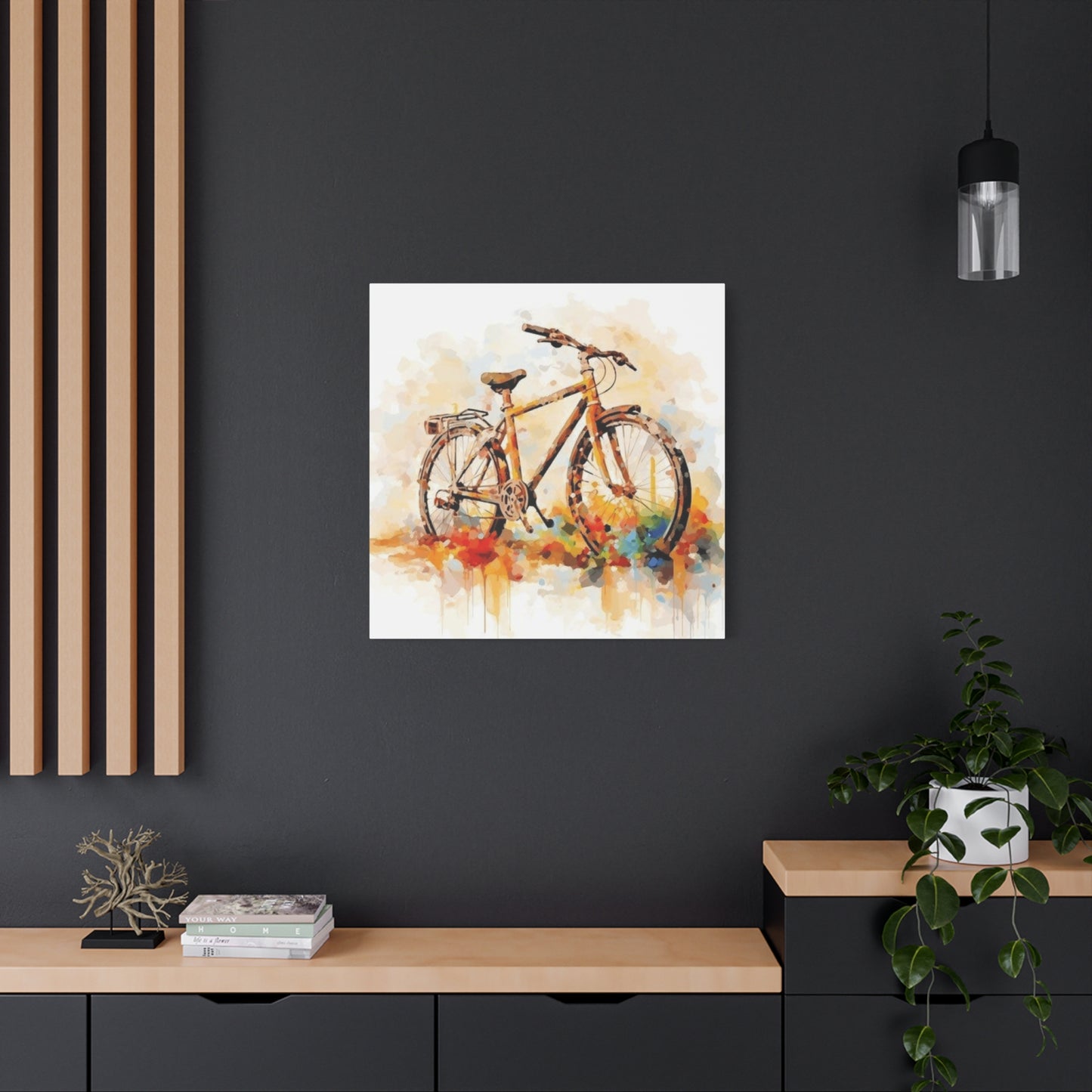
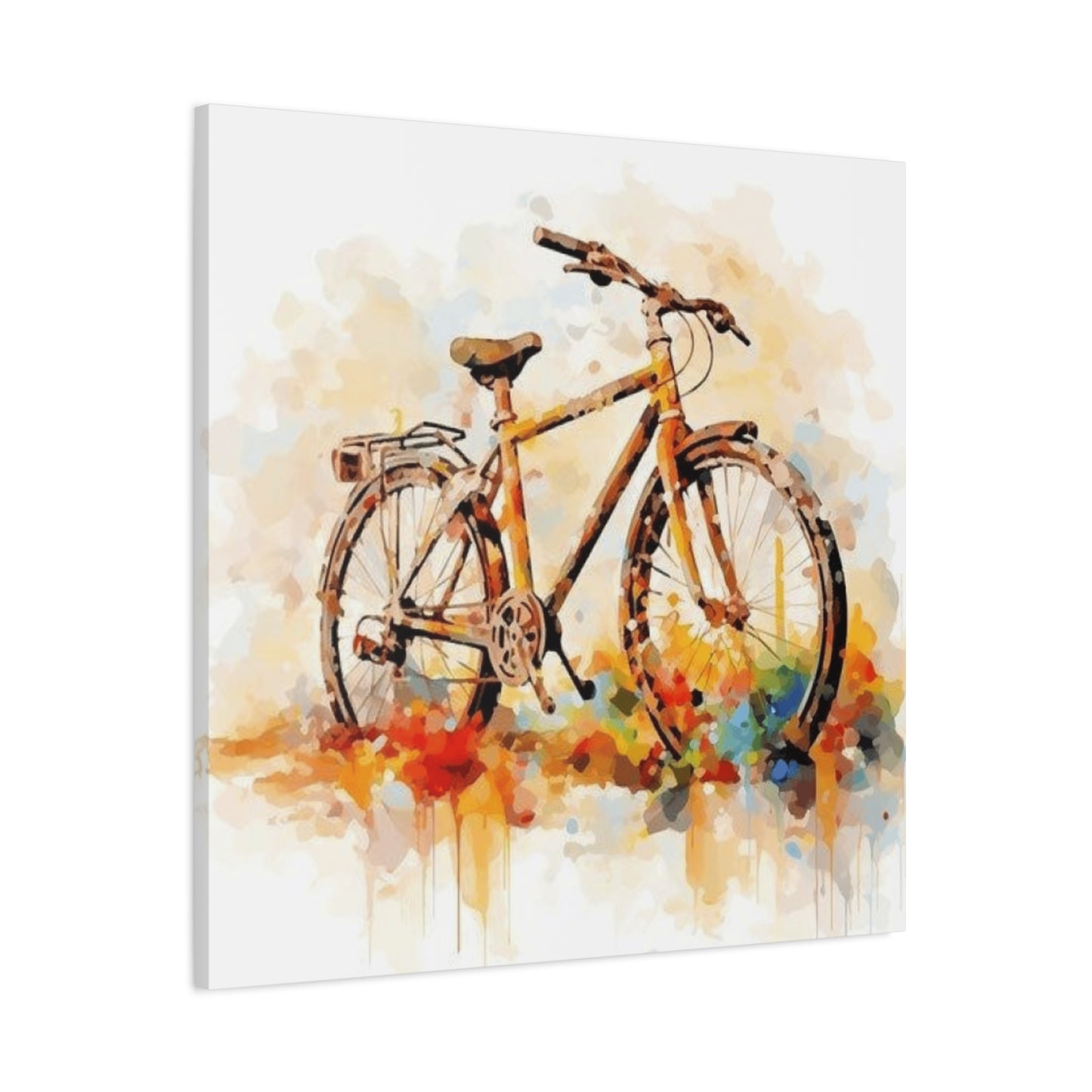
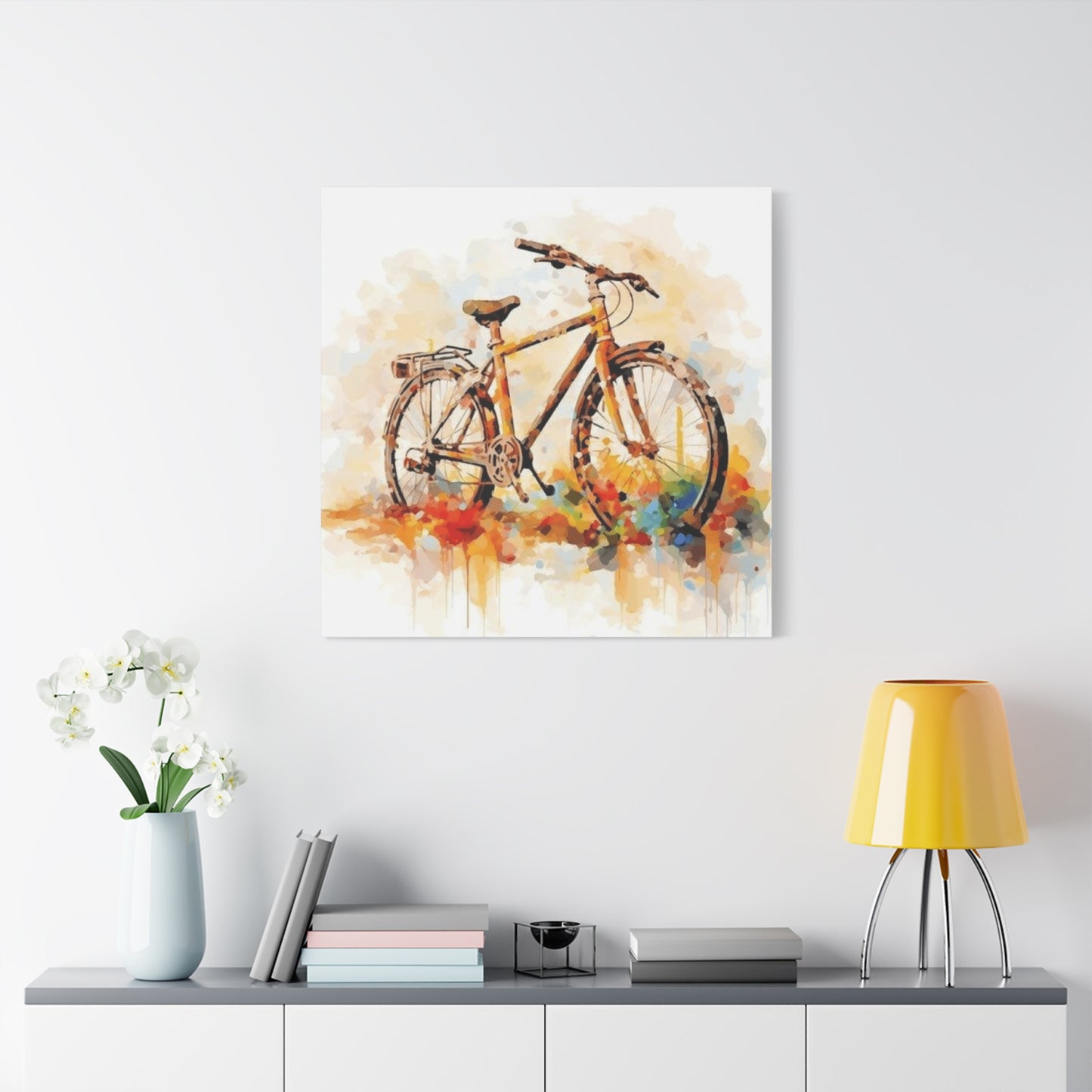
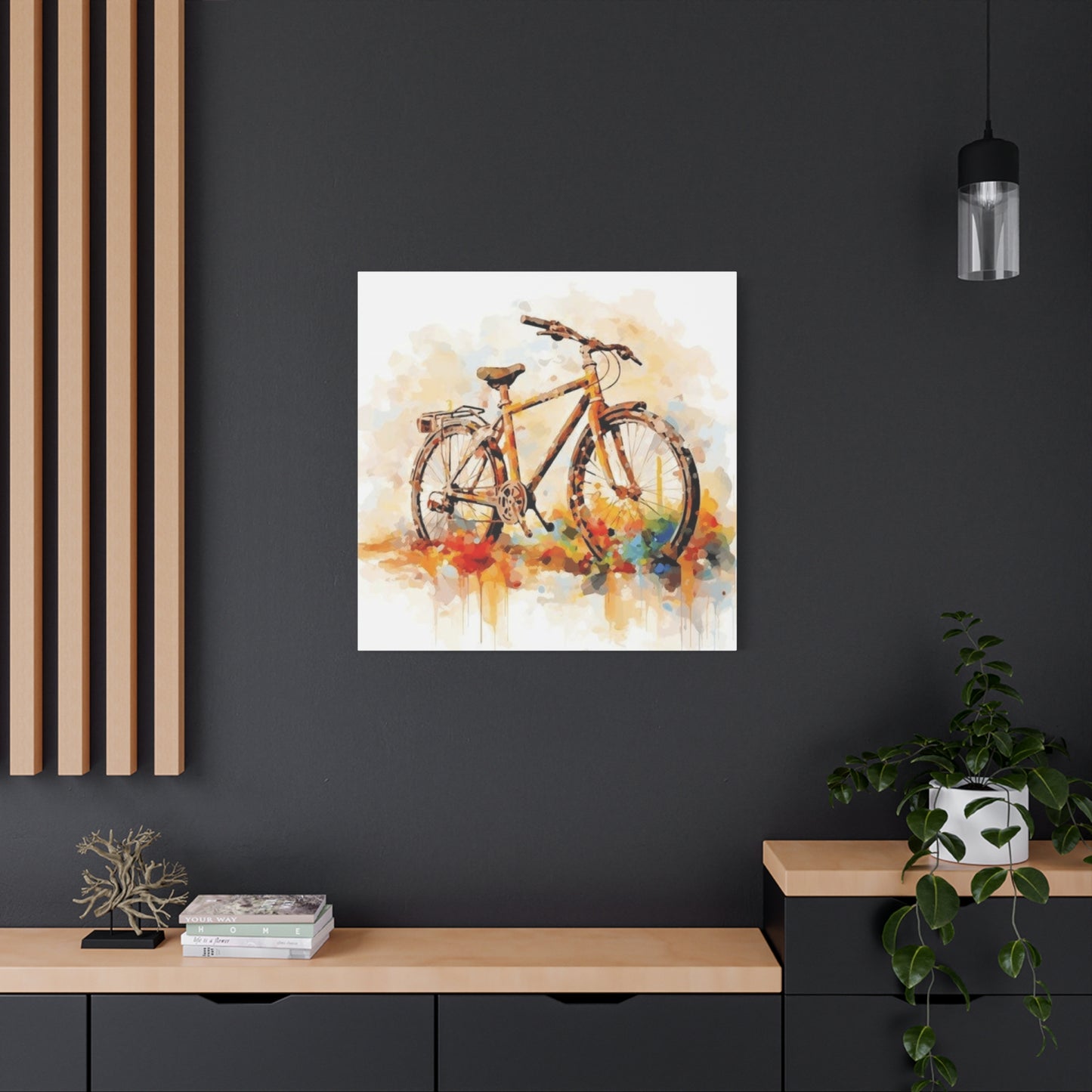
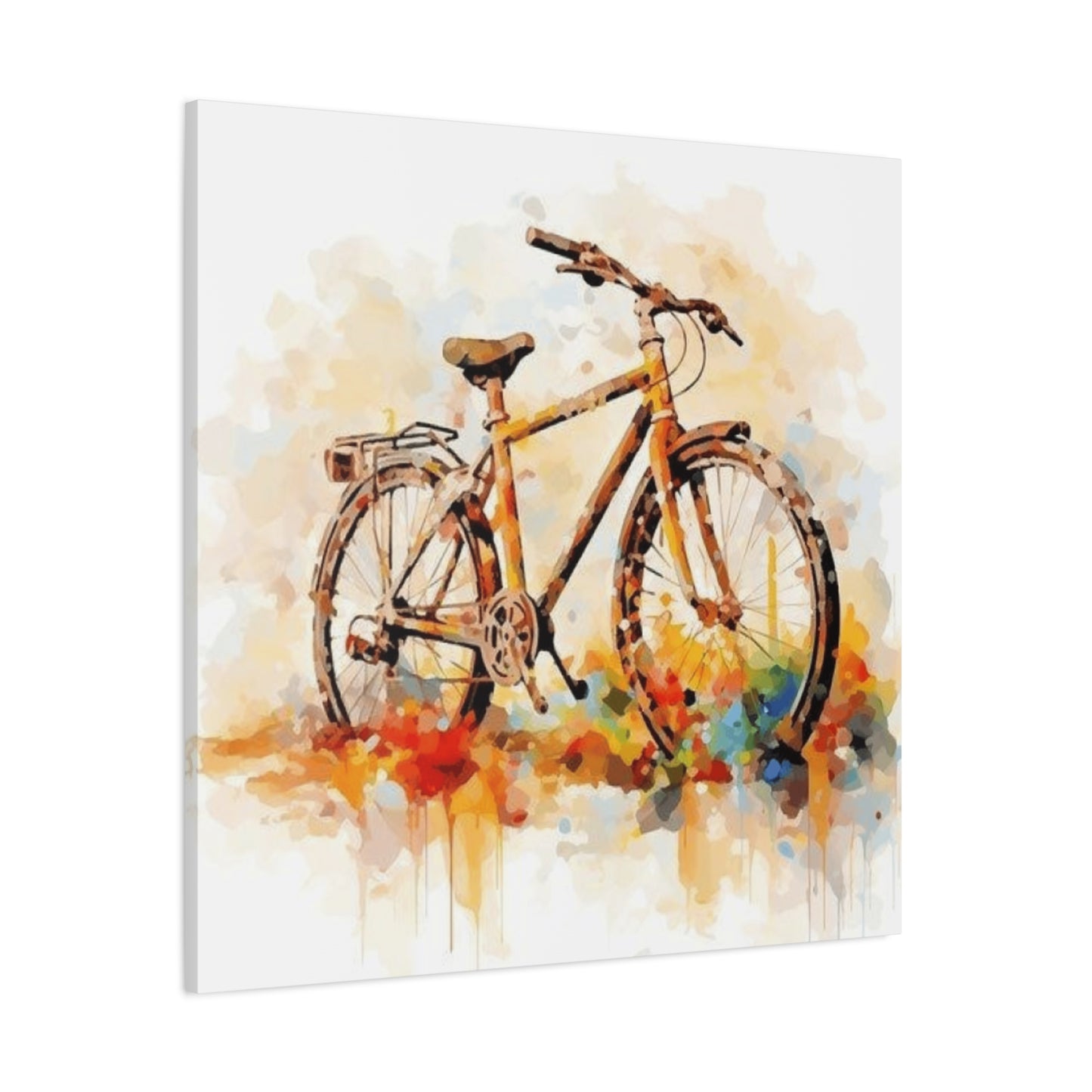
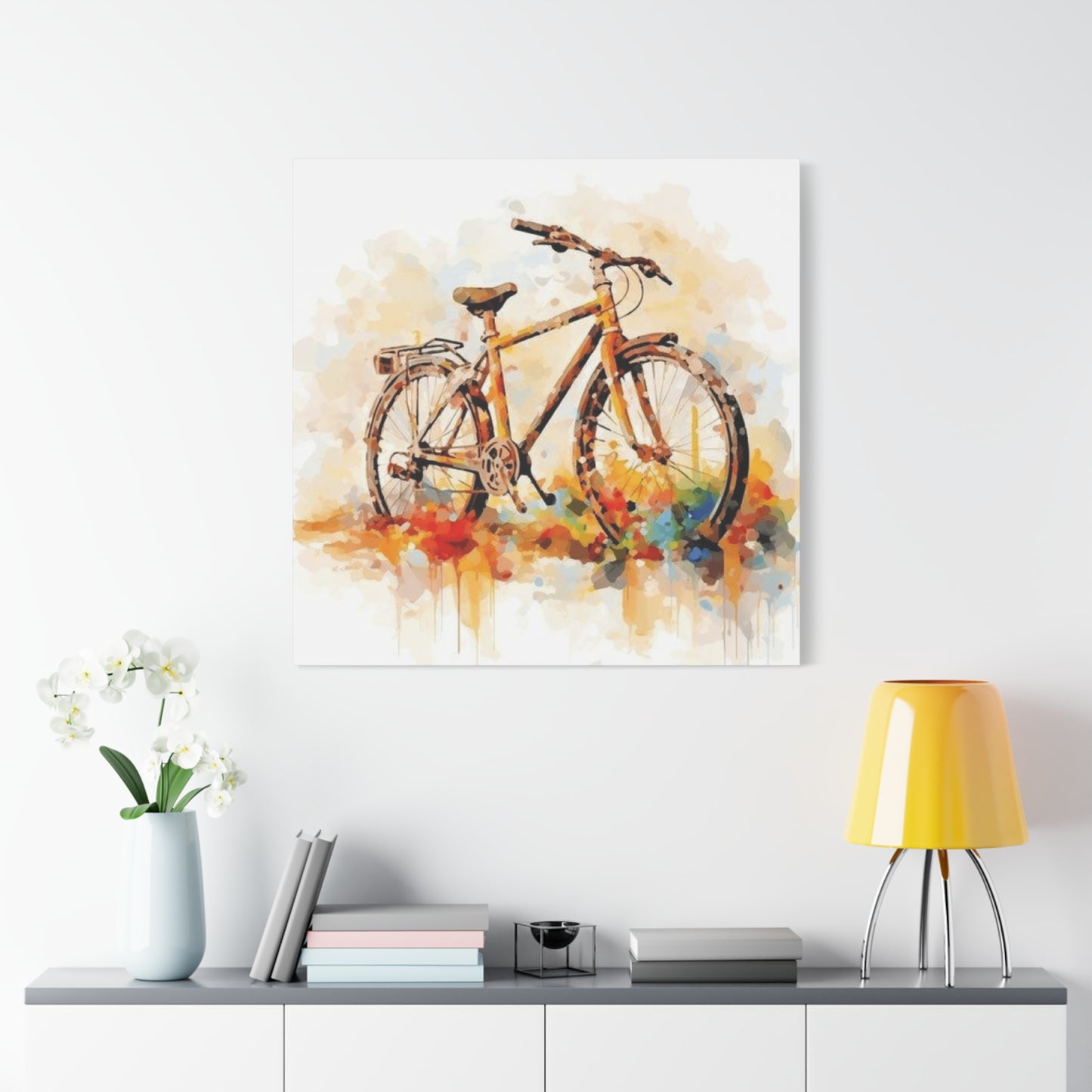
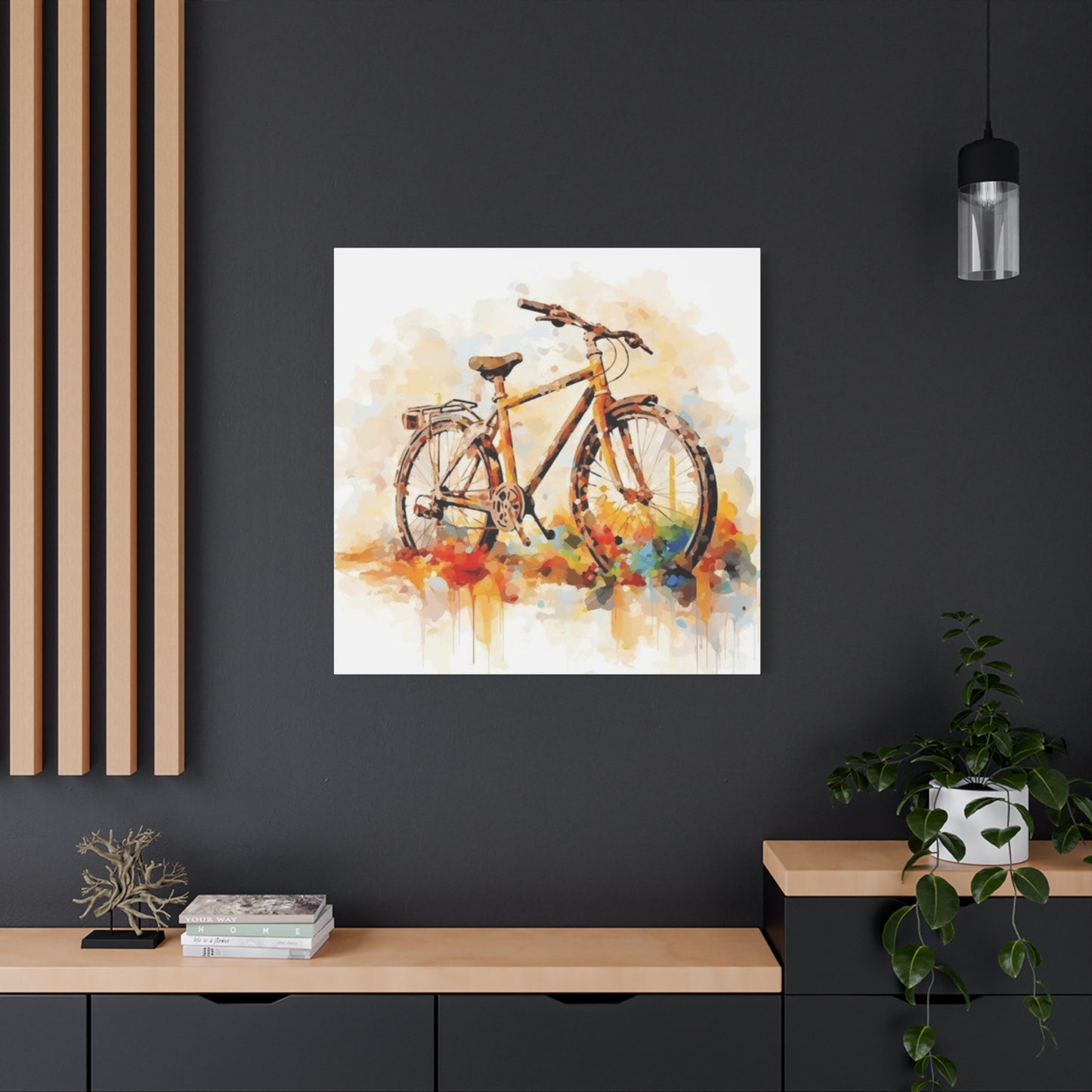
Abstract Cycle Paintin Wall Art & Canvas Prints
Abstract Cycle Paintin Wall Art & Canvas Prints
Couldn't load pickup availability
Exploring the Captivating World of Abstract Cycle Painting Wall Art: A Contemporary Interior Revolution
The realm of visual aesthetic expression has undergone a profound metamorphosis over the past several decades, particularly within residential and commercial spaces seeking to transcend conventional decorative boundaries. Abstract cycle painting wall art represents a particularly fascinating intersection of modern design philosophy, cyclical imagery, and contemporary artistic movements that continue to captivate collectors, interior designers, and homeowners alike. This distinctive artistic genre combines repetitive circular motifs, dynamic color palettes, and geometric abstractions that create compelling focal points within any environment.
The historical trajectory of abstract artistic expression demonstrates how creative practitioners have continually pushed against the constraints of representational art, favoring instead conceptual interpretations and emotional resonances that speak to viewers on profoundly personal levels. Contemporary abstract cycle paintings embody this evolutionary progression, offering sophisticated visual narratives through layered compositions, intricate pattern work, and innovative surface manipulations. These artworks transcend mere decorative function, instead serving as conversation catalysts and expressions of individual sensibility within domestic and professional settings.
The Philosophical Foundations Behind Cyclical Abstract Imagery
Circular imagery carries profound symbolic significance across virtually every human civilization and philosophical tradition. The perpetual nature of cycles represents continuity, renewal, and the inevitable progression through distinct phases of existence. When artists incorporate these archetypal symbols into abstract compositions, they engage viewers in contemplative experiences that resonate with fundamental human understandings of temporal flow, transformation, and recurrence. Abstract cycle paintings leverage these deeply ingrained psychological associations, creating visual experiences that simultaneously challenge and confirm our inherent perceptions of order and chaos.
The cyclical motif functions as a universally recognizable geometric element while simultaneously inviting subjective interpretation. Observers encounter these compositions without predetermined narrative pathways, instead constructing personalized meanings based on their individual experiences, cultural backgrounds, and emotional predispositions. This interpretative openness constitutes a central strength of abstract cyclical artistic expression, enabling artworks to maintain relevance and resonance across diverse audiences and evolving cultural contexts.
Chromatic Dynamics in Abstract Cycle Wall Compositions
Color represents perhaps the most immediately impactful element within abstract cycle painting wall art, functioning as the primary vehicle through which artists communicate emotional intensity and psychological atmospheres. Contemporary practitioners employ sophisticated color theory principles, selecting chromatic relationships that generate visual vibrations, establish rhythmic patterns, and guide viewer perception through carefully orchestrated spatial compositions. The interplay between complementary hues, analogous color schemes, and strategic deployment of neutral tones creates dynamic tension within these artworks.
Advanced color psychology principles inform the selection of specific hue combinations within abstract cycle paintings. Warm color spectrums encompassing reds, oranges, and yellows evoke sensations of energy, passion, and luminous vibrancy, while cooler palettes featuring blues, purples, and teals communicate tranquility, introspection, and contemplative stillness. Sophisticated artists frequently juxtapose contrasting color families, generating optical stimulation and heightened visual engagement. The strategic placement of intense hues against muted backgrounds creates directional focus, establishing visual hierarchies that guide the viewer's eye through compositional pathways.
Transitional color gradations, wherein hues seamlessly merge into adjacent tones, create atmospheric depth and dimensional suggestion within fundamentally flat pictorial planes. These sophisticated color modulations demonstrate masterful technical command while simultaneously generating psychological responses related to temporal progression and cyclical transformation. The cumulative effect of carefully orchestrated color relationships within abstract cycle paintings establishes immersive visual environments that profoundly influence the atmospheric quality of surrounding spaces.
Compositional Structures and Visual Organization
The architectural framework underlying abstract cycle paintings encompasses multiple interconnected organizational principles that determine how viewers navigate and interpret visual information. Many practitioners employ radial compositional strategies, wherein circular or spiral formations emerge from central focal points, creating dynamic pathways that guide attention throughout the composition. These radiating structures generate sensations of movement and vitality, counteracting any potential stasis or visual monotony.
Layered compositional approaches involve the systematic superimposition of multiple formal elements, creating visual depths and suggesting three-dimensional spatial qualities within the flat pictorial surface. Artists achieve these effects through careful manipulation of overlapping forms, strategic variation in opacity levels, and sophisticated deployment of atmospheric perspective principles. The resulting compositions demonstrate remarkable visual complexity, inviting extended viewing experiences wherein observers continuously discover previously unnoticed compositional details and relational dynamics.
Symmetrical and asymmetrical compositional strategies each offer distinctive advantages for creating specific psychological effects. Symmetrical arrangements communicate stability, balance, and formal harmony, evoking sensations of equilibrium and visual satisfaction. Asymmetrical compositions introduce dynamic tension, visual interest, and psychological engagement, encouraging viewers to continuously re-evaluate spatial relationships and compositional dependencies. Many accomplished artists oscillate between these approaches, creating hybrid compositions that simultaneously embrace elements of order and deliberate compositional disruption.
Technical Execution and Material Considerations
The material substrate upon which artists render abstract cycle paintings profoundly influences both the aesthetic outcome and the tactile qualities of finished artworks. Canvas remains the predominant surface choice, offering versatility, archival stability, and compatibility with diverse artistic media. Canvas weaves vary considerably, ranging from fine, delicate preparations to substantially textured surfaces that introduce pronounced visual and tactile dimensionality. Artists select specific canvas types based on their intended visual effects and technical methodologies.
Mixed media approaches involving the combination of acrylics, oils, watercolors, and unconventional materials create extraordinary surface variations and visual richness. Artists frequently incorporate collage elements, metallic accents, textural pastes, and three-dimensional attachments that extend beyond the traditional pictorial plane. These experimental approaches generate tactile engagement, encouraging viewers to experience artworks through multiple sensory modalities rather than purely visual perception.
Textural surface manipulations through impasto techniques, wherein paint is applied with substantial physical thickness, create pronounced dimensional qualities and dramatic light interactions. The resulting sculptural surfaces capture and reflect incident illumination differently depending on viewing angles and environmental lighting conditions, generating dynamic visual experiences that shift throughout daily cycles. Conversely, smoothly refined surfaces facilitate optical color mixing and seamless tonal transitions, emphasizing chromatic sophistication and subtle gradational effects.
Spatial Integration and Environmental Considerations
The successful integration of abstract cycle painting wall art within domestic and professional environments requires thoughtful consideration of spatial dimensions, architectural features, ambient lighting conditions, and existing decorative elements. Large-scale artworks generate dramatic visual impact, commanding attention and establishing dominant design focal points within living spaces. The scale relationship between artwork and architectural context substantially influences how viewers experience and interpret specific compositions.
Lighting conditions profoundly affect how abstract cycle paintings manifest within particular environments. Natural illumination from windows generates continuously shifting light qualities throughout daily temporal cycles, creating dynamic visual transformations as angle and intensity fluctuate. Artificial lighting systems offer greater control and consistency, though strategic placement of directional fixtures can accentuate surface textures and create dramatic visual effects. Many designers employ specialized accent lighting specifically calibrated to emphasize artworks while minimizing glare and visual distraction.
Wall positioning considerations extend beyond simplistic placement decisions, encompassing factors such as viewer vantage points, sightline trajectories, and spatial relationships between artworks and surrounding architectural elements. Artworks positioned at comfortable eye level facilitate optimal viewing experiences, though deliberate elevation or depression can generate intentional psychological effects. Consideration of viewing distances ensures that compositional detail remains visible while permitting comprehensive appreciation of overall formal organization and chromatic relationships.
Psychological Responses and Emotional Resonance
Abstract cycle paintings generate profound psychological responses through complex mechanisms involving visual stimulation, symbolic association, and individual interpretative processes. Viewers encountering these artworks experience heightened emotional engagement as their cognitive systems process visual information while simultaneously constructing personalized narratives and psychological meanings. The ambiguity inherent within abstract imagery encourages projective psychological processes, wherein observers project their own experiences, emotions, and aspirations onto compositional elements.
Neuroscientific investigations into aesthetic perception demonstrate that viewing engaging artworks activates multiple neural systems simultaneously, including those associated with visual processing, emotional regulation, and contemplative introspection. Abstract compositions particularly stimulate these neural pathways due to their resistance to straightforward representational interpretation. Viewers engaging with abstract cycle paintings experience heightened cognitive engagement as their minds actively work to construct coherence from formally abstract visual information, generating satisfying intellectual and emotional resolutions.
The meditative qualities inherent within cyclical imagery facilitate contemplative psychological states conducive to stress reduction and emotional restoration. Researchers have documented correlations between exposure to harmoniously organized abstract artworks and decreased physiological stress markers, suggesting that aesthetic engagement provides genuine psychological benefits. Abstract cycle paintings, through their integration of cyclical symbolism with sophisticated visual organization, appear particularly effective in facilitating these therapeutic psychological experiences.
Contemporary Artistic Movements and Stylistic Influences
Contemporary abstract cycle painting practices emerge from extensive historical lineages encompassing numerous artistic movements and stylistic traditions. The Russian Suprematist movement, pioneered by artists engaged with geometric abstraction and spiritual symbolism, established foundational principles regarding the expressive potential of pure formal elements divorced from representational content. These pioneering practitioners demonstrated that visual impact and emotional resonance could arise entirely from compositional relationships, chromatic interactions, and geometric formalism rather than subject matter or narrative content.
The subsequent emergence of Color Field painting movements emphasized chromatic intensity and the emotional potential of pure color relationships. Practitioners working within this tradition recognized that carefully orchestrated color interactions could generate profound psychological effects without reliance upon representational imagery or explicit symbolic content. These insights profoundly influenced contemporary abstract painters working with cyclical motifs, encouraging sophisticated approaches to color deployment and chromatic relationship management.
Postmodern artistic sensibilities introduced recursive imagery, repetition, and deliberate compositional disruption as valid artistic strategies. Contemporary abstract cycle painters frequently employ these postmodern principles, creating artworks that simultaneously embrace and critique modernist formalism through layered visual complexity and ambiguous formal relationships. The cyclical motif itself resonates with postmodern interests in repetition, seriality, and the constructed nature of visual meaning.
The Role of Artistic Intention and Conceptual Frameworks
The intentional framework guiding individual artists' creative processes substantially influences how abstract cycle paintings ultimately manifest within physical space. Some practitioners approach these compositions from profoundly conceptual orientations, employing visual abstraction as a means of exploring philosophical ideas, psychological states, or social commentary. Others prioritize pure visual pleasure and aesthetic sophistication, focusing primarily on formal excellence and chromatic harmony without explicit conceptual agenda. These divergent approaches generate markedly distinct artistic outcomes, though both produce valuable contributions to contemporary artistic discourse.
Conceptually rigorous artists frequently employ systematic methodologies for generating visual content, utilizing mathematical principles, algorithmic processes, or philosophical frameworks to determine compositional decisions. These structured approaches generate artworks possessing remarkable coherence and internal logic, inviting viewers to discover underlying organizational principles beneath surface visual complexity. The intellectual engagement resulting from contemplating these carefully structured compositions adds profound dimensionality to viewing experiences.
Intuitive artistic approaches, conversely, emphasize spontaneous creative gesture, emotional authenticity, and organic formal development. Practitioners working within this tradition prioritize genuine feeling and instinctive creative impulses over predetermined conceptual frameworks, generating artworks characterized by apparent spontaneity and unguarded emotional expression. Despite lacking explicit conceptual structure, these works frequently possess remarkable compositional coherence and psychological authenticity.
Stylistic Variations and Thematic Explorations
The visual vocabulary encompassing abstract cycle painting wall art manifests through remarkable stylistic diversity, enabling artists to explore numerous thematic preoccupations and formal interests. Geometric abstractionists focus upon crisp linear relationships, precise angular configurations, and clean demarcations between distinct formal zones. These orderly compositions emphasize rational visual principles and mathematical precision, generating sensations of control, stability, and intellectual sophistication. The resulting artworks demonstrate impeccable formal discipline while communicating through purely abstract visual language.
Gestural abstractionists, by contrast, prioritize expressive brushwork, spontaneous mark-making, and the visible evidence of creative process. These practitioners employ paint as primary expressive medium, emphasizing the physical interaction between artist and material. Cyclical motifs within gestural compositions emerge organically from spontaneous creative activity rather than predetermined geometric calculation, generating artworks characterized by apparent immediacy and emotional authenticity. The visible trace of artistic gesture communicates visceral creative energy and unmediated psychological expression.
Organic abstractionists draw inspiration from natural forms and biological processes, translating observed phenomena into abstract visual compositions. Cyclical patterns pervasive throughout natural systems receive interpretation and reconfiguration within abstract artistic frameworks. These artists frequently employ fluid, flowing linework and biomorphic forms that evoke natural phenomena while maintaining fundamental abstraction. The resulting artworks communicate harmony with natural systems while celebrating the imaginative potential of artistic transformation.
Contemporary Practitioners and Influential Voices
The contemporary landscape of abstract cycle painting encompasses numerous accomplished practitioners whose innovative approaches continue expanding the expressive potential of this artistic genre. These artists bring distinctive sensibilities, technical mastery, and conceptual sophistication to their engagement with cyclical abstractions and wall-based artistic expression. Their diverse practices collectively establish the contemporary discourse surrounding abstract cycle painting while simultaneously pointing toward future artistic possibilities.
Influential contemporary practitioners demonstrate remarkable versatility in their approaches to cyclical imagery and abstract composition. Some achieve international recognition through their distinctive visual signatures and consistent artistic vision, while others operate within more localized contexts, nonetheless contributing meaningfully to evolving artistic conversations. The collective body of work produced by these practitioners establishes benchmarks for artistic excellence while demonstrating the remarkable breadth of expressive possibilities accessible through abstract cyclical artistic exploration.
Emerging artists continue entering this artistic field, bringing fresh perspectives informed by contemporary cultural contexts, technological possibilities, and personal artistic sensibilities. These emerging voices expand the expressive vocabulary of abstract cycle painting while simultaneously maintaining dialogues with established artistic traditions. The resulting artistic ecosystem encompasses remarkable diversity, enabling viewers to encounter abstract cycle paintings reflecting vastly different artistic philosophies, technical approaches, and conceptual frameworks.
Acquisition, Collecting, and Market Dynamics
The contemporary art market encompasses an increasingly vigorous collecting community engaged with abstract cycle painting wall art, generating substantial demand for quality artworks. Collectors approach artistic acquisition from diverse perspectives, seeking artworks that resonate with personal aesthetic preferences, complement existing interior design schemes, or represent promising artistic investments. The motivations underlying individual collecting activities substantially influence acquisition strategies and selection criteria.
Aesthetic collectors prioritize visual appeal and personal resonance above all other considerations, seeking artworks that generate immediate emotional responses and sustained visual pleasure. These collectors frequently invest in works from established artists whose stylistic approaches align with their own aesthetic preferences. The emotional satisfaction derived from daily engagement with personally meaningful artworks constitutes the primary reward motivating continued collecting activity. These collectors contribute substantially to stabilizing the contemporary art market through consistent demand and sustained engagement with artistic traditions they genuinely appreciate.
Investment-oriented collectors approach artistic acquisition through financial perspectives, seeking artworks likely to appreciate substantially in monetary value over extended temporal periods. These collectors conduct thorough research regarding artist trajectories, market positioning, and broader cultural trends that might influence future valuations. Their participation in the art market generates substantial financial resources that support artistic production and distribution infrastructure. However, purely investment-oriented collecting approaches sometimes introduce problematic market dynamics that prioritize financial appreciation over genuine artistic appreciation or cultural significance.
Institutional collecting practices, encompassing museums, corporate collections, and public art agencies, substantially influence market dynamics and artistic reputation-building. Institutional acquisitions confer prestige and legitimacy upon individual artists, frequently resulting in heightened market demand and elevated valuations. These collecting institutions employ specialized expertise to identify artistically significant works possessing enduring cultural value, contributing to the long-term preservation of contemporary artistic achievements.
The Role of Galleries, Exhibitions, and Presentation Venues
Contemporary galleries and exhibition spaces function as essential institutional contexts within which abstract cycle paintings achieve public visibility and market accessibility. These venues provide carefully curated environments facilitating meaningful viewer engagement with artworks while simultaneously enabling sales transactions connecting collectors with artistic works. Gallery professionals bring specialized expertise in artwork presentation, contextual framing, and audience development, substantially influencing how artworks are received and interpreted.
Exhibition curation decisions substantially shape how viewers experience and interpret abstract cycle paintings within gallery contexts. Thoughtfully organized exhibitions develop thematic coherence across multiple artworks, establishing dialogues between individual pieces while illuminating broader artistic conversations. Curatorial commentary, wall texts, and accompanying materials facilitate viewer understanding and engagement, contextualizing artworks within relevant artistic traditions and conceptual frameworks. Conversely, poorly curated exhibitions may undermine artworks' individual merits through inappropriate juxtaposition or inadequate contextual framing.
Digital exhibition platforms increasingly supplement traditional gallery contexts, enabling global audiences to engage with abstract cycle paintings regardless of geographic proximity to physical gallery locations. Online presentation technologies facilitate detailed visual examination, three-dimensional spatial visualization, and extensive contextual materials. These digital platforms democratize access to contemporary art while generating novel challenges regarding authentic aesthetic experience and the relationship between digital representation and physical artwork encounters.
Technological Innovations and Digital Presentation
Contemporary technological developments have substantially expanded the possibilities for creating, presenting, and engaging with abstract cycle painting wall art. Digital tools enable artists to explore compositional possibilities, experiment with color relationships, and visualize final outcomes prior to physical execution. These computational approaches complement traditional hand-executed techniques, enabling hybrid creative practices that leverage both digital efficiency and tactile artistic authenticity.
Digital projection technologies enable dynamic presentation of abstract cycle paintings, generating moving imagery that continuously transforms throughout temporal cycles. These animated artworks create unprecedented visual experiences, generating sensations of movement and temporal progression while maintaining fundamental connections to traditional abstract painting traditions. The convergence of projected imagery and static painted surfaces creates innovative hybrid presentation formats challenging conventional distinctions between painting, performance, and installation practices.
Three-dimensional digital modeling and rendering technologies facilitate visualization of how abstract cycle paintings would appear within specific architectural environments prior to acquisition or installation. These technological capacities enable collectors and designers to preview artworks within actual interior settings, substantially enhancing decision-making processes regarding acquisition and placement. Virtual reality technologies promise even more immersive preview experiences, enabling users to experience artworks in convincingly simulated environments indistinguishable from physical reality.
Installation Methodologies and Presentation Strategies
The physical installation of abstract cycle paintings within wall-based contexts encompasses numerous strategic considerations affecting how artworks manifest within architectural environments and how viewers engage with visual content. Mounting systems must accommodate artwork weight and dimensions while remaining visually inconspicuous, prioritizing the artwork's visual prominence over installation hardware visibility. Professional installation practices employ specialized techniques ensuring secure, level, and aesthetically appropriate positioning.
Single artwork presentations establish solitary visual focal points, commanding undivided viewer attention and facilitating intimate engagement with compositional complexities. Positioned prominently within living spaces, individual artworks function as primary design elements establishing color palettes and aesthetic tonalities for surrounding environments. Large-scale individual works generate dramatic environmental impact, transforming entire architectural spaces through their dominant visual presence.
Multi-artwork presentations incorporating several related pieces create dynamic compositional conversations across wall surfaces. Salon-style arrangements, grid-based configurations, and asymmetrical groupings each generate distinctive visual effects and spatial relationships. These ensemble presentations enable exploration of thematic connections across multiple artworks while generating complex visual rhythms through the interaction of individual compositions. The relationships established between juxtaposed artworks frequently generate meanings transcending individual pieces, creating emergent visual narratives through strategic presentation strategies.
Aesthetic Theory and Critical Frameworks
Contemporary aesthetic theory provides sophisticated conceptual frameworks facilitating rigorous analysis and interpretation of abstract cycle painting wall art. Formalist theoretical approaches emphasize the intrinsic visual properties of artworks, analyzing compositional organization, chromatic relationships, and formal configurations independent of external contextual considerations. This theoretical tradition maintains that aesthetic value emerges directly from visual sophistication and formal excellence rather than subject matter, narrative content, or representational accuracy.
Phenomenological aesthetic theories emphasize the experiential dimensions of aesthetic engagement, focusing upon how viewers physically and psychologically interact with artworks within specific environmental contexts. These approaches recognize that aesthetic experience encompasses far more than passive visual reception, instead encompassing embodied encounters involving multiple sensory modalities and complex psychological processes. Phenomenological analyses of abstract cycle paintings illuminate how environmental factors, viewing distances, and individual psychological predispositions substantially influence aesthetic outcomes.
Social constructionist approaches emphasize the cultural contingency of aesthetic value, arguing that artistic significance emerges through social processes rather than inherent formal properties. These theoretical frameworks illuminate how market mechanisms, institutional validation, and critical consensus collectively construct artistic reputation and cultural significance. Understanding these social processes enables more nuanced appreciation of how artistic reputations develop and how market valuations reflect complex social dynamics rather than objective artistic merit.
Psychological Benefits and Wellness Implications
Emerging research investigating the relationship between aesthetic engagement and psychological wellbeing suggests that thoughtfully integrated abstract cycle painting wall art may substantially enhance interior environments' psychological functionality. These artworks facilitate contemplative psychological states conducive to stress reduction, emotional restoration, and enhanced cognitive clarity. Daily engagement with visually engaging abstract compositions appears to generate measurable improvements in psychological wellbeing and subjective life satisfaction.
The meditative qualities inherent within cyclical imagery and abstract composition encourage viewers to enter profound states of visual contemplation characterized by heightened sensory awareness and diminished conceptual mental activity. These meditative states appear physiologically similar to states achieved through conventional meditation practices, suggesting that sustained engagement with abstract cycle paintings provides therapeutic benefits comparable to formalized contemplative disciplines. The accessibility of these benefits through simple visual engagement with aesthetically engaging artworks represents a significant advantage for individuals with limited capacity for structured meditation practices.
Neuroscientific investigations employing sophisticated imaging technologies demonstrate that viewing engaging artworks activates neural systems associated with emotional processing, aesthetic appreciation, and reward recognition. These neural patterns suggest that aesthetic engagement generates genuine pleasure and psychological satisfaction rather than merely superficial visual entertainment. The activation of reward-related neural systems through aesthetic engagement suggests that abstract cycle paintings may provide psychological benefits extending beyond simple visual satisfaction, contributing to overall psychological resilience and emotional wellbeing.
Environmental Design Integration and Spatial Harmony
The successful integration of abstract cycle painting wall art within interior design schemes requires sophisticated understanding of how artworks interact with architectural elements, furnishings, color palettes, and ambient lighting conditions. Accomplished designers approach artwork selection and placement as essential components of comprehensive spatial design strategies rather than peripheral decorative afterthoughts. The strategic positioning and thoughtful selection of artworks substantially enhance overall environmental aesthetics and psychological functionality.
Color coordination between artworks and surrounding environments creates visual harmony or deliberate visual tension depending upon designer intentions. Artworks featuring dominant color schemes may establish chromatic palettes for entire spaces, with surrounding furnishings and wall finishes coordinating with artwork hues. Alternatively, artworks featuring contrasting color relationships may generate visual drama and dynamic tension, establishing focal points through chromatic differentiation. Understanding how color combinations generate specific psychological effects enables designers to leverage artworks as tools for enhancing environmental atmospherics and influencing viewer mood states.
Scale relationships between artworks and surrounding architectural features substantially influence visual impact and spatial perception. Oversized artworks in appropriately spacious environments generate impressive visual statements, while smaller works require positioning within intimate viewing contexts to achieve optimal visual presence. Designers must carefully calculate these scale relationships, ensuring that artworks maintain appropriate visual prominence without overwhelming surrounding architectural elements or generating sensations of visual disproportionality.
Material Durability and Long-term Preservation
The long-term preservation of abstract cycle painting wall art requires systematic implementation of conservation practices protecting artworks against environmental degradation and material deterioration. Professional conservation specialists bring specialized expertise regarding material stability, environmental monitoring, and corrective interventions maintaining artworks in optimal condition throughout extended temporal periods. Understanding preservation requirements enables collectors and institutional custodians to implement appropriate protective measures extending artworks' physical longevity.
Environmental factors substantially influence artwork preservation requirements. Excessive temperature fluctuations compromise paint adhesion and material stability, while dramatic humidity variations cause canvas expansion and contraction generating stress upon paint layers. Protecting artworks from direct sunlight prevents photodegradation of pigments and supports through ultraviolet radiation protection. Specialized filters, climate control systems, and protective display cases effectively mitigate these environmental threats, substantially extending artworks' preserved lifespan.
Regular maintenance practices including gentle surface cleaning, frame inspection, and mounting hardware evaluation detect incipient deterioration enabling prompt corrective intervention. Professional conservation treatments address significant damage through scientifically rigorous methodologies restoring artworks while maintaining artistic integrity. Comprehensive documentation regarding artwork materials, execution techniques, and conservation history provides essential information for future conservators requiring maintenance or restoration interventions.
The Economic Landscape and Financial Considerations
The financial dimensions of abstract cycle painting wall art encompass complex market dynamics reflecting artistic reputation, stylistic popularity, and broader economic circumstances influencing collector demand and investment priorities. Artwork pricing reflects numerous variables including artist reputation, career trajectory, artwork scale, technical complexity, and market positioning. Understanding these economic factors enables informed acquisition decisions balancing personal aesthetic preferences with financial considerations.
Emerging artists typically price artworks substantially below established practitioners, reflecting limited market recognition and underdeveloped collector bases. These affordably priced artworks nevertheless possess potential merit and future appreciation possibilities, enabling collectors to acquire quality works at accessible price points. Purchasing emerging artists' works contributes meaningfully to artistic development while potentially positioning collectors to benefit from future artistic recognition and market appreciation.
Established artists command substantially higher prices reflecting extensive professional accomplishment, established collector bases, and proven market demand. These premium prices reflect genuine artistic merit and demonstrated market viability rather than speculative valuation. Acquiring works from established artists provides confidence regarding authentic artistic achievement and sustained market relevance, though heightened initial investments limit accessibility for price-sensitive collectors.
Comparative Analysis With Alternative Decorative Approaches
Abstract cycle painting wall art stands as a highly expressive form of visual language that transcends the limitations of conventional decorative practices. Unlike traditional wall art, which often depends on representational imagery, abstract cycle paintings invite the observer into a space of contemplative engagement. Through their intricate layering, chromatic intensity, and compositional rhythm, these artworks cultivate an environment of sensory stimulation and intellectual curiosity. They are not mere embellishments for architectural interiors but serve as visual meditations that transform spatial atmospheres into realms of emotion and perception.
The core advantage of abstract cycle paintings lies in their autonomy from literal representation. By moving away from recognizable figures or objects, they allow viewers to engage with form, texture, and tone as independent aesthetic entities. This release from depiction grants artists a profound freedom to explore intuitive mark-making, fluid composition, and dynamic movement. In contrast, conventional decorative pieces—such as framed reproductions, printed posters, or patterned wallpapers—remain bound by their visual predictability. Their appeal often depends on familiarity and repetition rather than the spontaneity and vitality that define true artistic creation.
The Philosophical Essence of Abstract Expression in Interior Spaces
Abstract wall art operates not simply as a visual ornament but as an extension of conceptual thought rendered in pigment and texture. It becomes a mirror for the viewer’s internal state, encouraging introspection and interpretative engagement. Each stroke of pigment, each subtle transition of tone, invites the observer to participate in a dialogue between perception and emotion. In architectural environments, this quality transforms abstract painting into an active participant in spatial design. The walls cease to be static boundaries and instead become fields of visual energy.
Representational art typically prioritizes depiction—landscapes, portraits, or still life compositions serve as familiar narratives. While such works can possess technical excellence, they often confine perception to a fixed meaning. Abstract cycle paintings, by contrast, operate through ambiguity and multiplicity. Their rhythmic structures and chromatic contrasts evoke sensations of motion and depth, suggesting cycles of change, growth, and transformation. These qualities resonate strongly in modern interiors, where the balance between minimalism and expression often determines aesthetic success.
Limitations of Mass-Produced Decorative Alternatives
Photographic prints and mechanically replicated artworks occupy a significant portion of contemporary interior design due to their affordability and accessibility. While convenient, they rarely achieve the same sensory or emotional richness as original abstract paintings. The mechanical uniformity of these reproductions removes the tactile individuality that defines an artist’s hand. The subtleties of brush pressure, the depth of pigment absorption, and the irregularities of human touch are entirely absent. As a result, these materials serve primarily as background décor rather than focal points of aesthetic contemplation.
Mass-produced wall decorations often rely on trends rather than timeless visual principles. Their designs are calibrated for immediate appeal rather than for depth of engagement. Over time, their impact diminishes as the eye becomes desensitized to the repetition and flatness inherent in industrial production. Abstract cycle paintings, on the other hand, sustain visual interest precisely because they resist simple interpretation. Each encounter reveals new harmonies, contrasts, and spatial relationships, rewarding long-term interaction with layers of evolving perception.
Textural Authenticity and Material Depth
A defining distinction between abstract painting and alternative decorative methods lies in the materiality of painted surfaces. The tangible evidence of artistic authorship—visible brushwork, layered pigment, and the interplay of matte and gloss textures—creates a sensory experience impossible to replicate through printed surfaces. Light behaves differently across a hand-painted canvas than across a printed photograph or vinyl wall covering. It catches on raised pigment, shifts across strokes, and alters the perception of color throughout the day.
This dimensional complexity gives abstract cycle paintings a living presence within interior spaces. Their surfaces respond to environmental factors such as natural light and shadow, producing an ever-changing visual field. Wallpapers and printed murals, while sometimes visually intricate, remain inherently two-dimensional. Their graphic precision lacks the organic vitality of painterly texture. For spaces seeking warmth, individuality, and sensory richness, the tactile authenticity of painted artwork offers an irreplaceable advantage.
The Emotional Resonance of Artistic Engagement
Engagement with authentic abstract art stimulates a deeper level of cognitive and emotional response. The viewer is not merely looking but experiencing—a process that involves introspection, memory, and imagination. The non-representational nature of abstract cycle painting encourages the mind to project meaning, forming personal associations unique to each observer. This participatory quality fosters a psychological connection between the artwork and its audience that mass-produced materials cannot reproduce.
In contemporary interior environments—whether residential, commercial, or institutional—the emotional atmosphere of a space greatly influences human experience. Abstract paintings, with their unpredictable compositions and nuanced chromatic gradients, can induce feelings of calm, vitality, or contemplation depending on the visual rhythm employed. This adaptability makes them especially suitable for modern spaces seeking balance between serenity and stimulation. Unlike digital prints, which quickly fade into visual background noise, abstract artworks continually renew perception through their expressive immediacy and depth.
Comparative Visual Dynamics in Spatial Design
The visual dynamics created by abstract painting interact uniquely with architectural form. Walls cease to serve as mere partitions and instead become active participants in spatial dialogue. The curvature of a brushstroke can echo architectural lines, while color harmonies can complement or contrast the tones of furnishings and materials. This synergy establishes a holistic design coherence unattainable through generic decoration.
Traditional framed artworks or decorative wallpapers often impose a static visual order, delimiting rather than expanding space. Abstract painting introduces fluidity and dynamism. Its gestural rhythm may appear to flow beyond the canvas edge, visually extending the boundaries of the room. When integrated thoughtfully, these artworks can guide movement, balance proportions, and infuse interiors with visual cadence. Such interaction between art and architecture exemplifies the sophistication that distinguishes authentic creative expression from purely decorative design.
Enduring Artistic Integrity and Aesthetic Permanence
The essence of abstract cycle painting lies in its capacity to embody authenticity, individuality, and innovation. While other decorative forms—printed posters, photographic panels, or digitally generated imagery—may serve practical or ephemeral purposes, they seldom possess the aesthetic longevity of original art. Paintings evolve over time, not through alteration of materials but through renewed perception. Their surfaces record the trace of human intention and artistic decision-making, establishing a tangible connection between creator and observer.
In an age characterized by digital reproduction and disposable design trends, the presence of authentic abstract art within a space asserts a commitment to originality and refinement. It signifies appreciation for artistic labor and the intellectual pursuit of form beyond mere ornamentation. Every brushstroke carries the artist’s rhythm and thought, transforming interior walls into arenas of contemplation and expression.
When placed within corporate settings, hospitality interiors, or private residences, abstract cycle paintings elevate spatial perception by integrating creativity with design. They bridge the sensory and the conceptual, turning ordinary environments into arenas of visual exploration. In contrast, mass-produced decorative alternatives—while often visually pleasant—lack the narrative depth, material integrity, and emotive resonance necessary for profound aesthetic experience.
The Integration of Abstract Painting into Contemporary Design Contexts
Modern architectural design increasingly values minimalism, spatial clarity, and natural materiality. Within such frameworks, abstract cycle paintings perform as focal counterpoints that reintroduce complexity, emotion, and spontaneity. Their chromatic interplay can offset the austerity of concrete and glass, while their gestural movement enlivens static geometric spaces. When curated appropriately, they harmonize with design elements while maintaining autonomy as individual art objects.
Interior designers and collectors alike recognize the transformative capacity of abstract wall art to humanize architectural modernism. Its capacity for evoking movement, transition, and atmosphere makes it an invaluable element within spatial composition. The freedom inherent in abstraction parallels the open-ended philosophy of contemporary design, where meaning is constructed through perception rather than dictated by representation. This compatibility between abstract art and architectural innovation secures its continued relevance as a medium of both visual and conceptual refinement.
The comparative evaluation between abstract cycle painting wall art and other decorative methods demonstrates a clear divergence in purpose, depth, and visual vitality. Abstract painting embodies authenticity, creative exploration, and sensory resonance, while mass-produced alternatives and printed décor serve primarily functional roles. The distinction rests not merely on technique but on intent—artistic creation aims to communicate, provoke, and inspire, whereas decoration merely seeks to adorn.
Abstract cycle paintings redefine the function of wall art from passive embellishment to active engagement. They transform perception, inviting viewers into an evolving dialogue with color, form, and texture. Their tactile richness, compositional complexity, and emotive charge ensure perpetual visual discovery. In contrast, mass-produced and mechanical decorations, despite their accessibility, remain confined to surface appeal without penetrating emotional or conceptual depth.
Through the presence of genuine abstract painting, interior spaces achieve more than aesthetic completion—they attain identity. Each artwork becomes a catalyst for reflection and atmosphere, harmonizing the built environment with human emotion. The authenticity of artistic craftsmanship stands as an irreplaceable hallmark of sophistication in modern design, distinguishing true creative vision from transient decorative convenience.
Conclusion
Abstract cycle painting wall art represents a remarkable contemporary artistic achievement encompassing sophisticated visual sophistication, conceptual depth, and profound psychological resonance. These artworks transcend conventional decorative functions, instead serving as genuine aesthetic objects meriting sustained contemplation and intellectual engagement. The cyclical motifs pervading these compositions resonate with fundamental human understandings of temporal progression, renewal, and recurrence, establishing deep psychological connections transcending superficial visual appreciation.
The artistic lineage informing contemporary abstract cycle painting extends through numerous movements and theoretical traditions, reflecting decades of artistic experimentation and conceptual development. Contemporary practitioners inherit these rich traditions while simultaneously pioneering innovative approaches leveraging emerging technological possibilities and evolving cultural contexts. The resulting contemporary landscape encompasses remarkable artistic diversity enabling viewers to encounter cyclical abstractions reflecting vastly different artistic philosophies, technical approaches, and conceptual frameworks.
The psychological benefits associated with sustained engagement with abstract cycle paintings constitute perhaps the most compelling justification for their integration within interior environments. Research demonstrates that contemplative encounters with visually sophisticated artworks generate measurable improvements in psychological wellbeing, stress reduction, and emotional restoration. These therapeutic benefits operate alongside purely aesthetic satisfactions, creating multifaceted value propositions extending far beyond conventional decorative functions.
The economic dimensions of abstract cycle painting markets reflect genuine artistic merit and authentic collector appreciation rather than speculative investment dynamics. While financial considerations certainly influence collecting decisions, the sustained collector engagement with these artworks demonstrates genuine aesthetic commitment transcending purely monetary motivations. The vibrant marketplace supporting abstract cycle painters provides financial resources enabling continued artistic production while establishing career viability for dedicated practitioners.
Looking forward, abstract cycle painting wall art appears positioned for continued cultural relevance and artistic significance as society increasingly recognizes the psychological and aesthetic value of engaging with sophisticated visual artworks. Technological innovations promise unprecedented possibilities for artistic creation and presentation while environmental consciousness encourages sustainable artistic practices. The convergence of these developments suggests a bright future for abstract cycle painting as a vital artistic medium addressing contemporary cultural needs while maintaining profound connections to established artistic traditions.
Individuals seeking to enhance interior environments while simultaneously investing in genuine artistic achievement and psychological wellbeing would be well-served to investigate abstract cycle painting wall art offerings. The remarkable diversity within this artistic category enables discovery of works resonating with personal aesthetic preferences and psychological needs. Whether motivated by pure aesthetic appreciation, investment considerations, or desires for psychological enhancement, engaging with abstract cycle paintings offers extraordinary opportunities for meaningful artistic encounters enriching daily existence.
The enduring appeal of abstract cycle painting wall art derives fundamentally from its capacity to synthesize sophisticated visual aesthetics with profound psychological resonance and meaningful artistic content. These artworks function simultaneously as contemplative objects, emotional catalysts, and genuine aesthetic achievements warranting serious artistic consideration. As cultural appreciation for contemporary abstract practices continues expanding, abstract cycle painting wall art appears poised to maintain its position as a significant artistic achievement deserving continued attention from collectors, designers, and cultural institutions alike.
Share