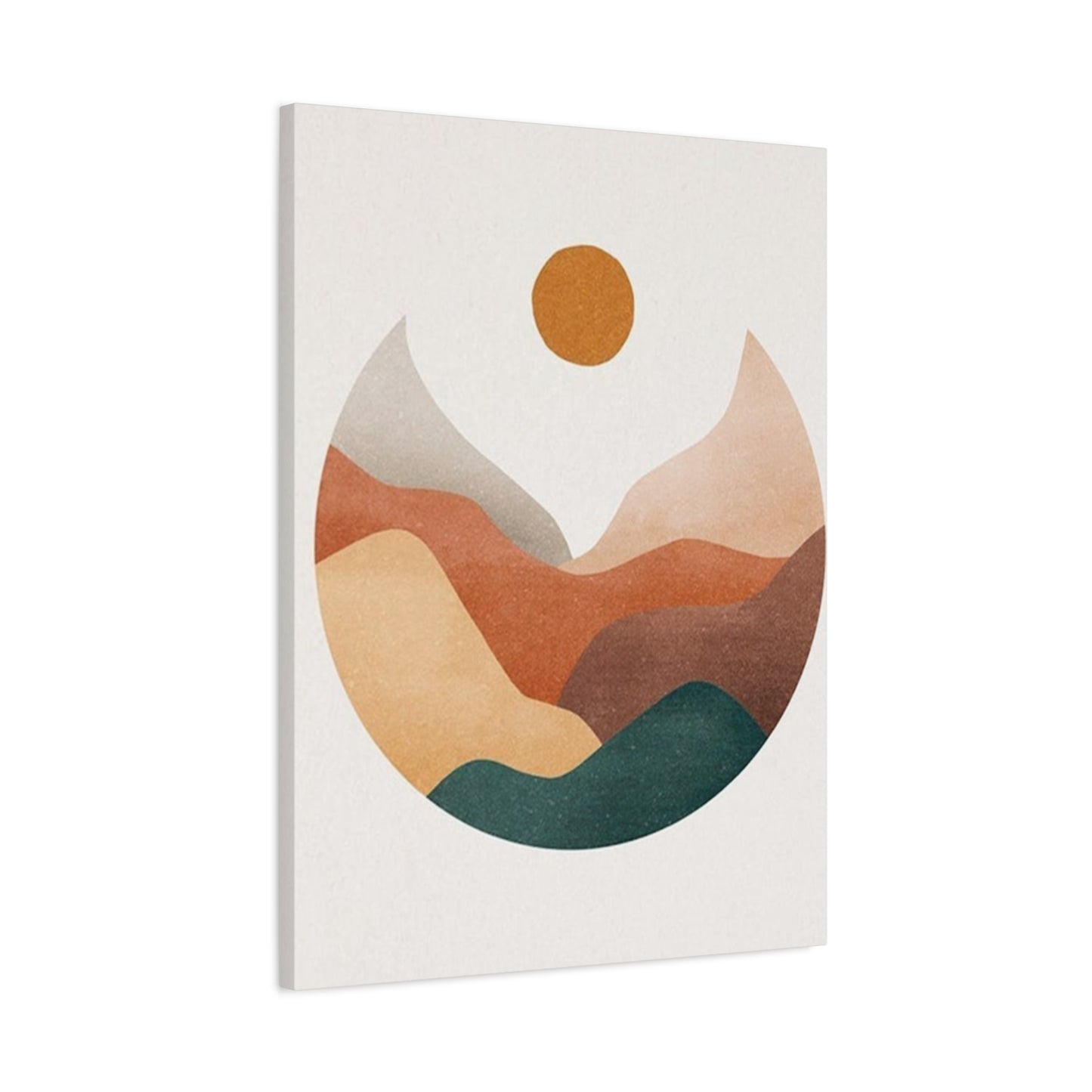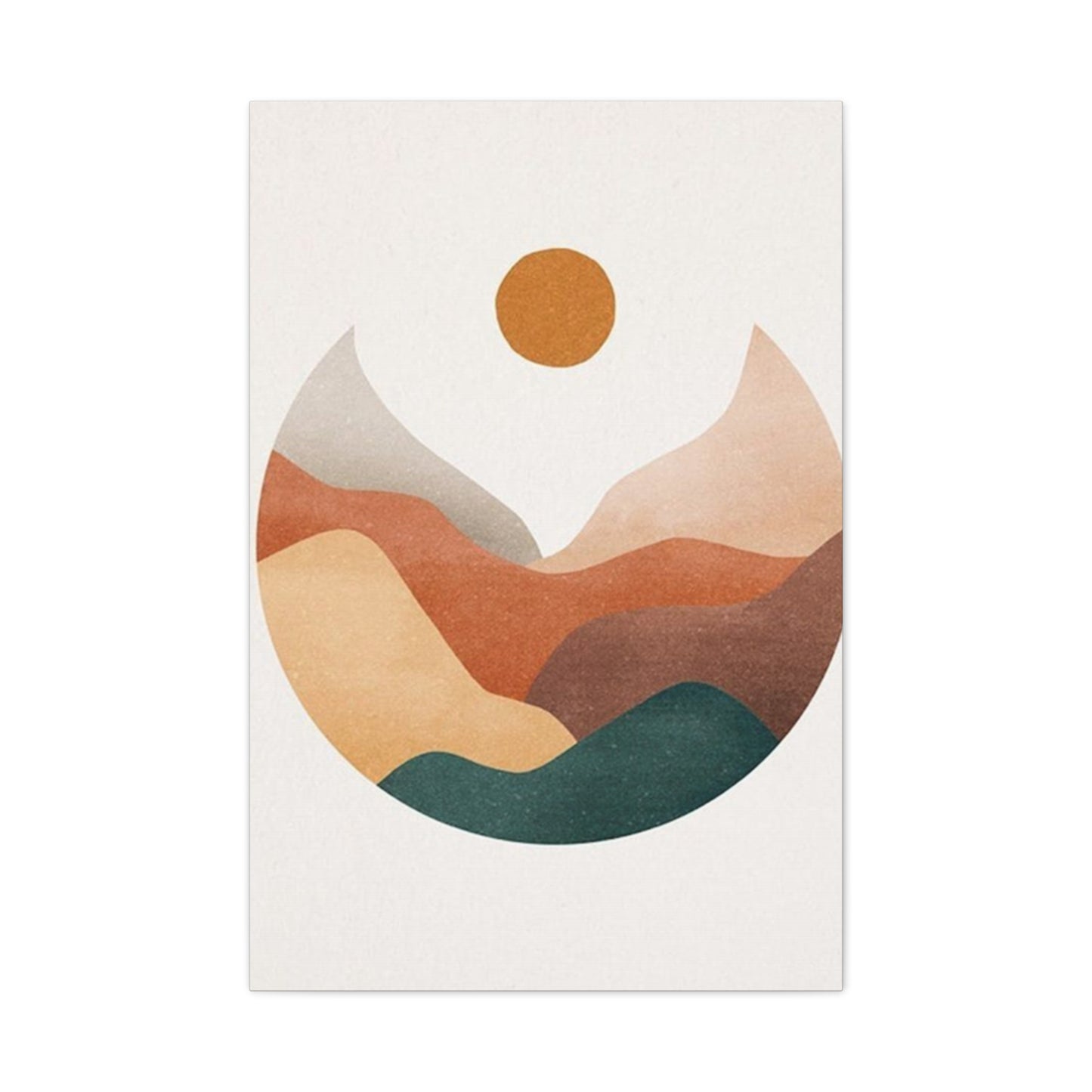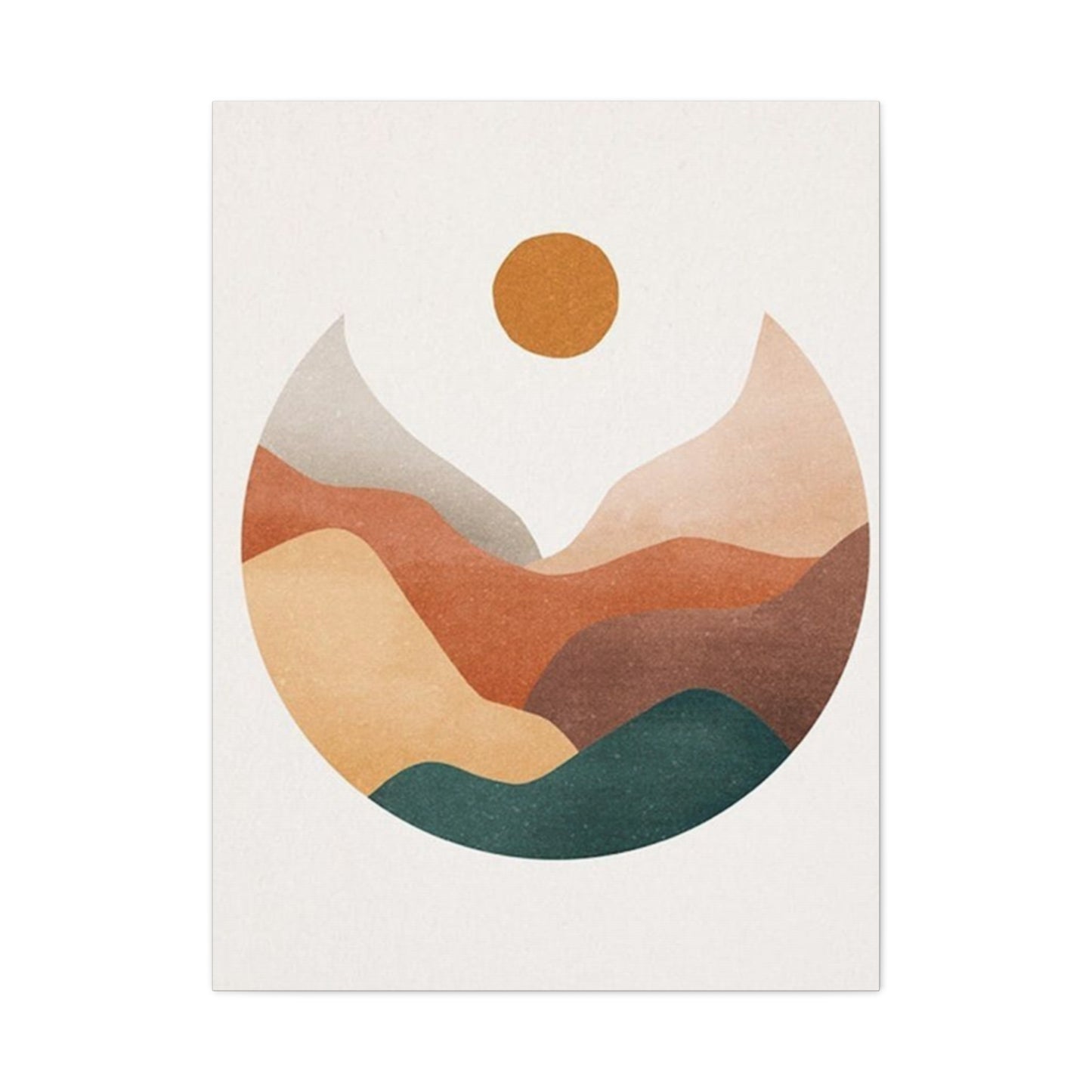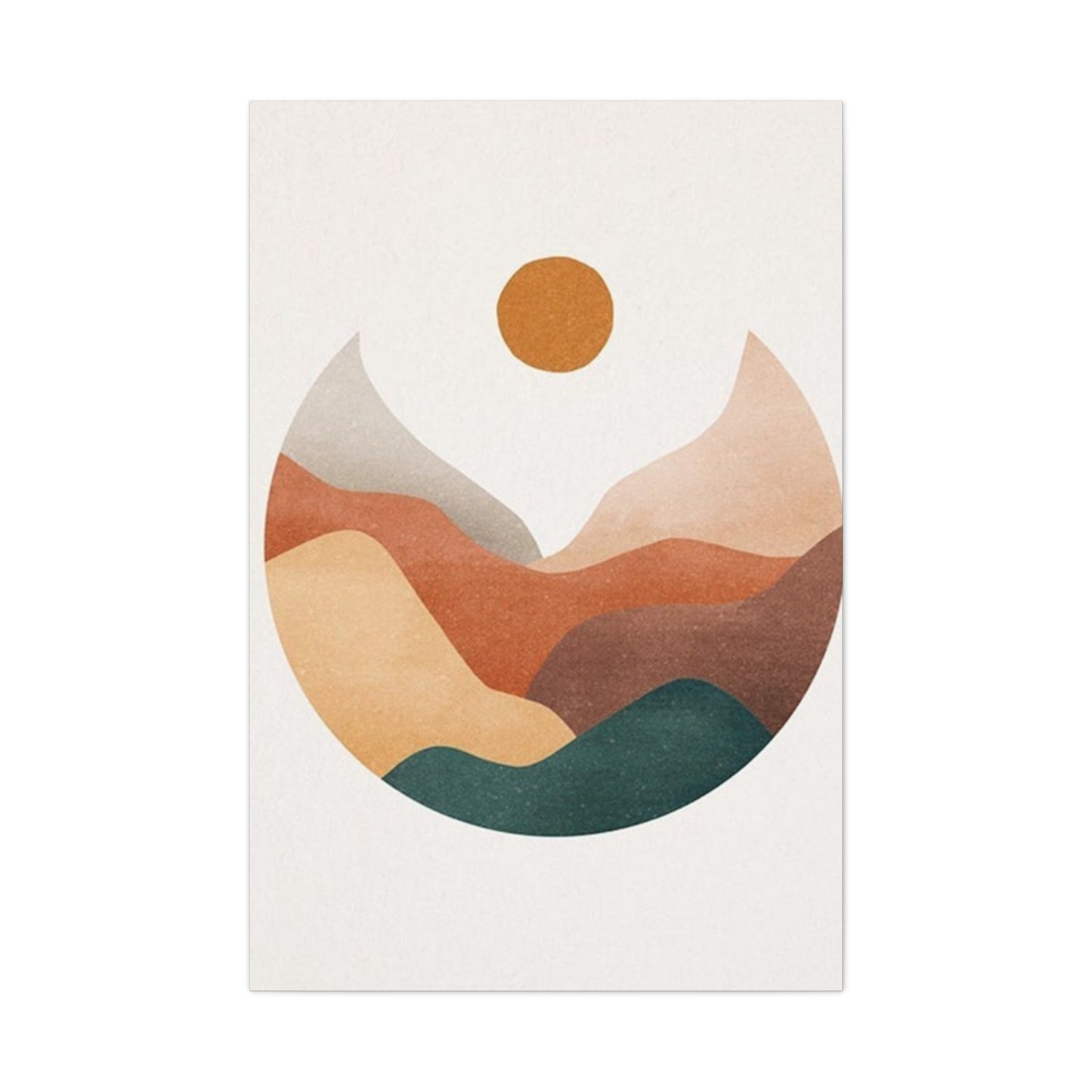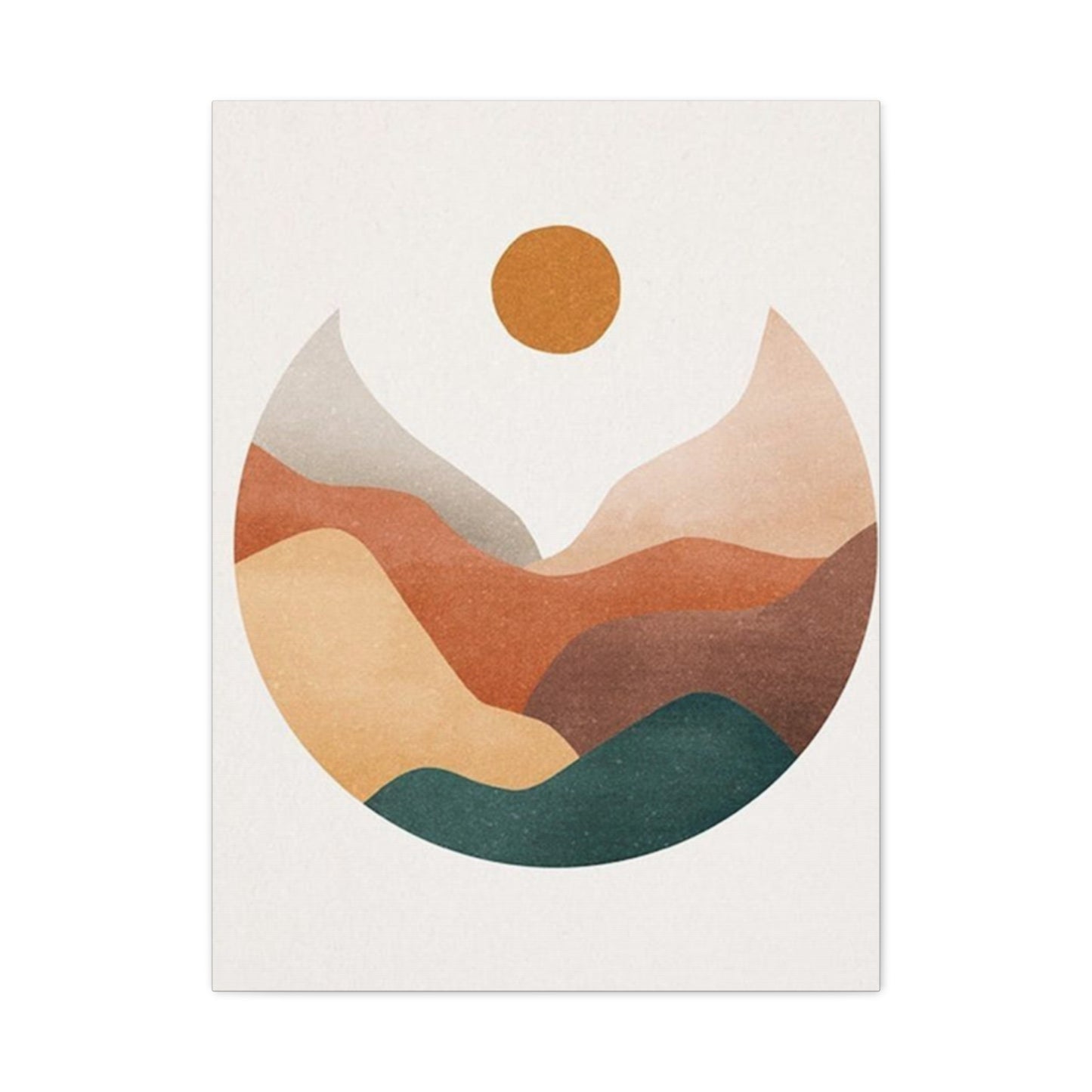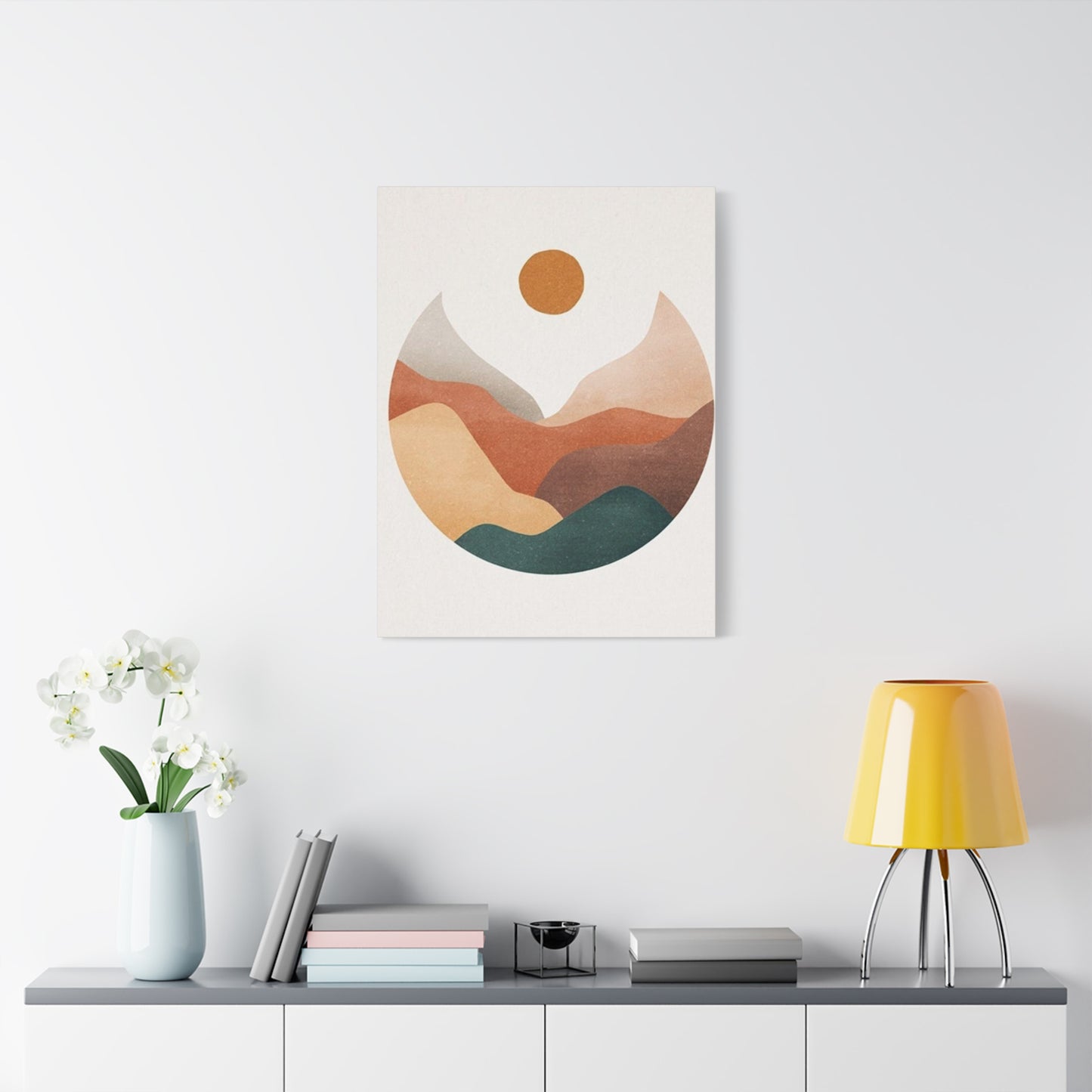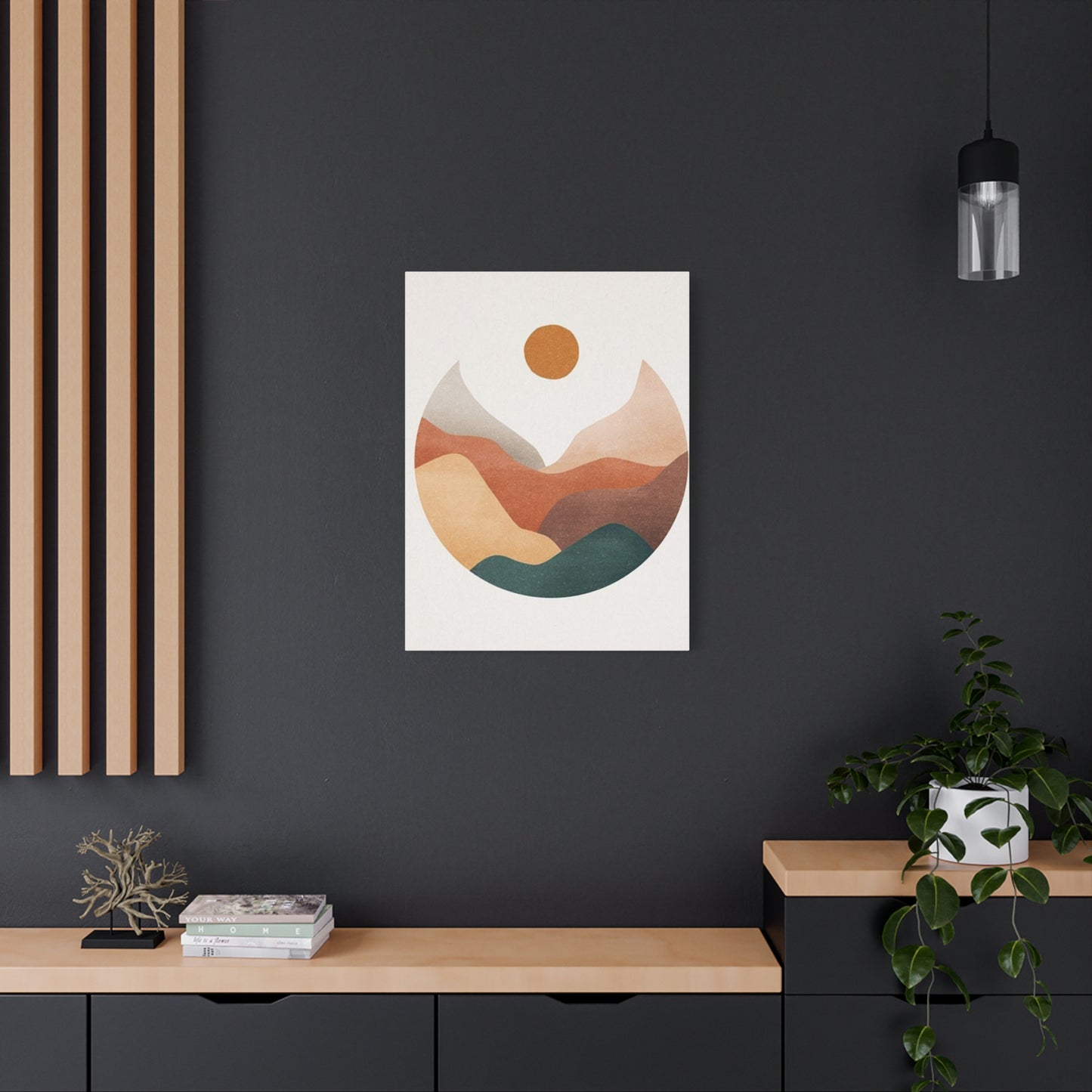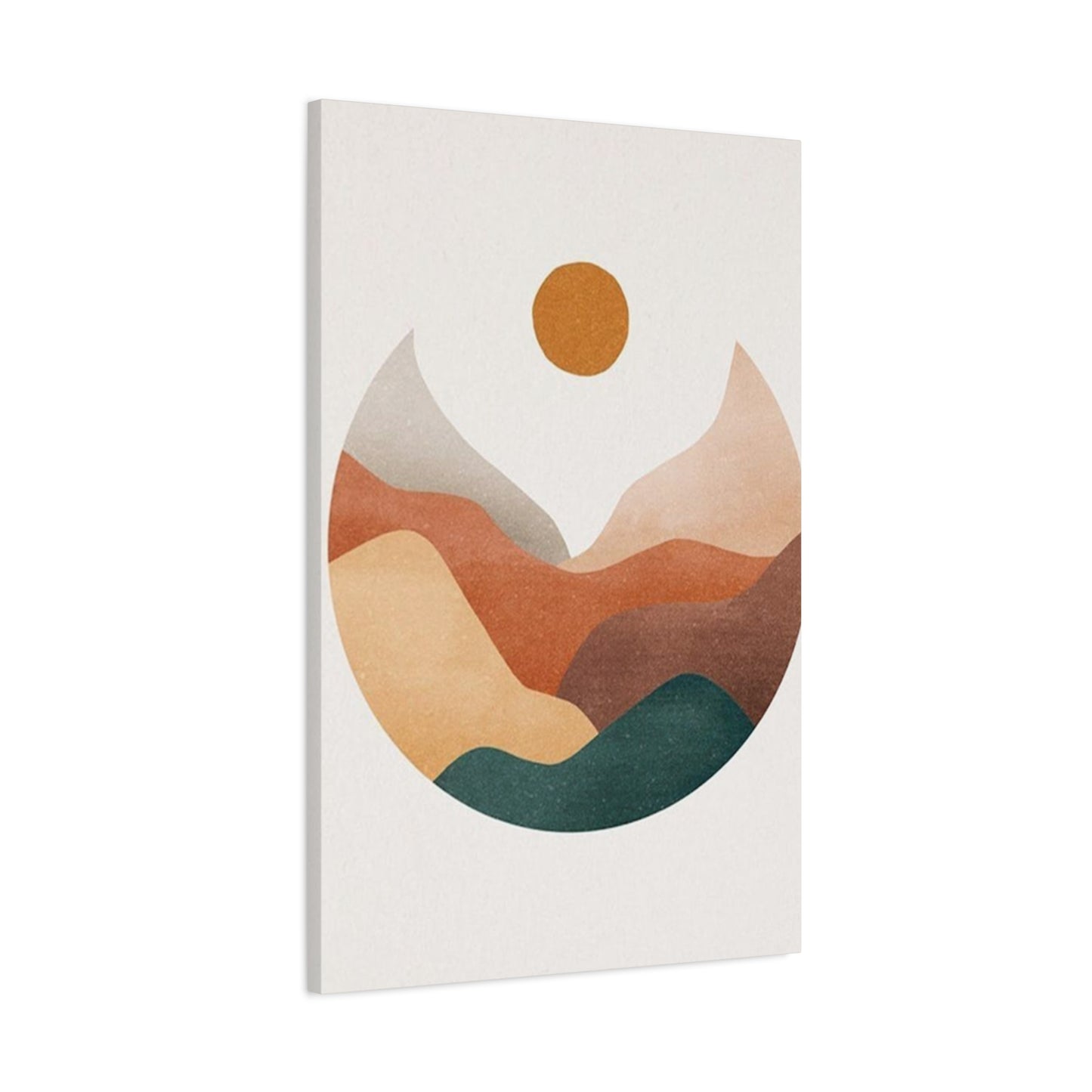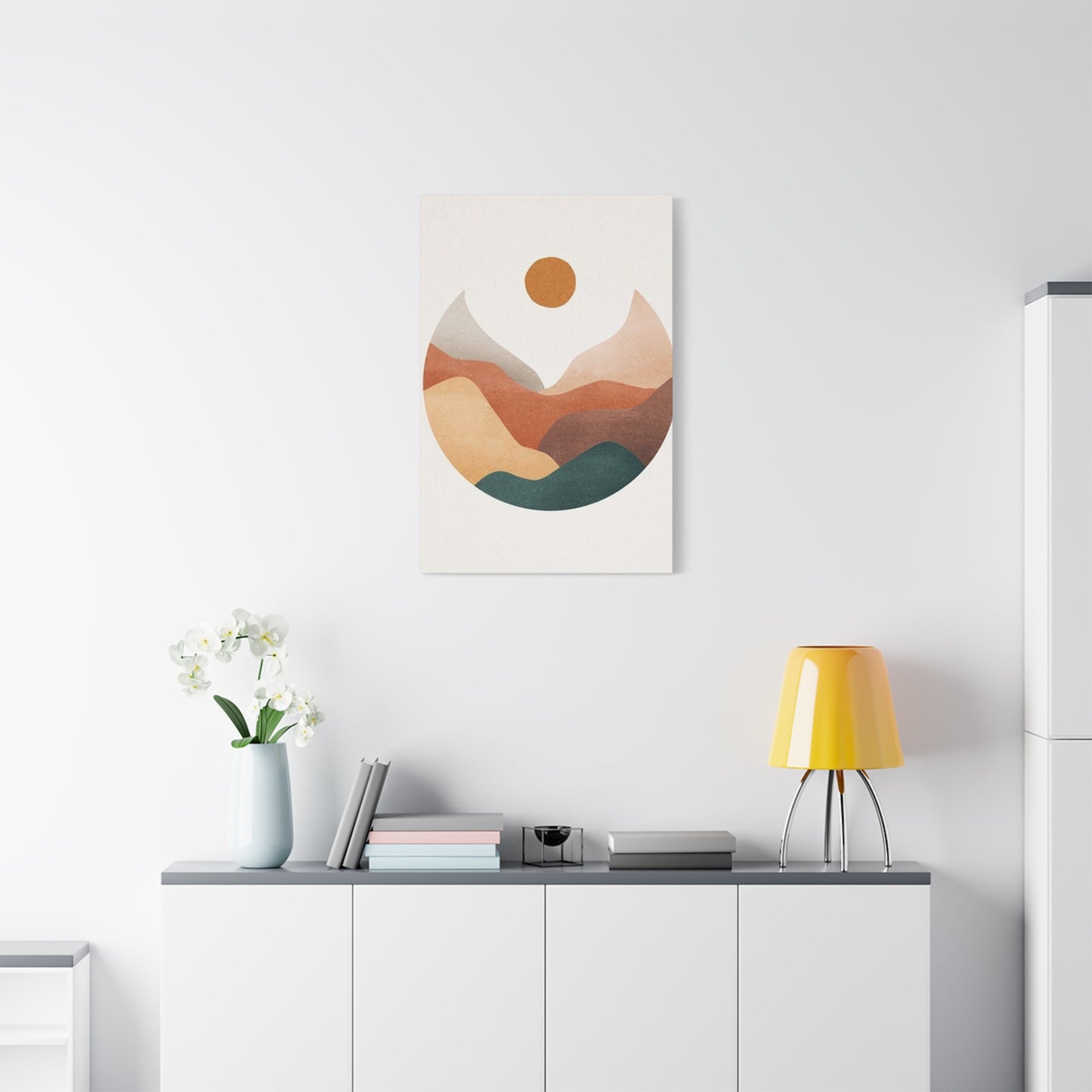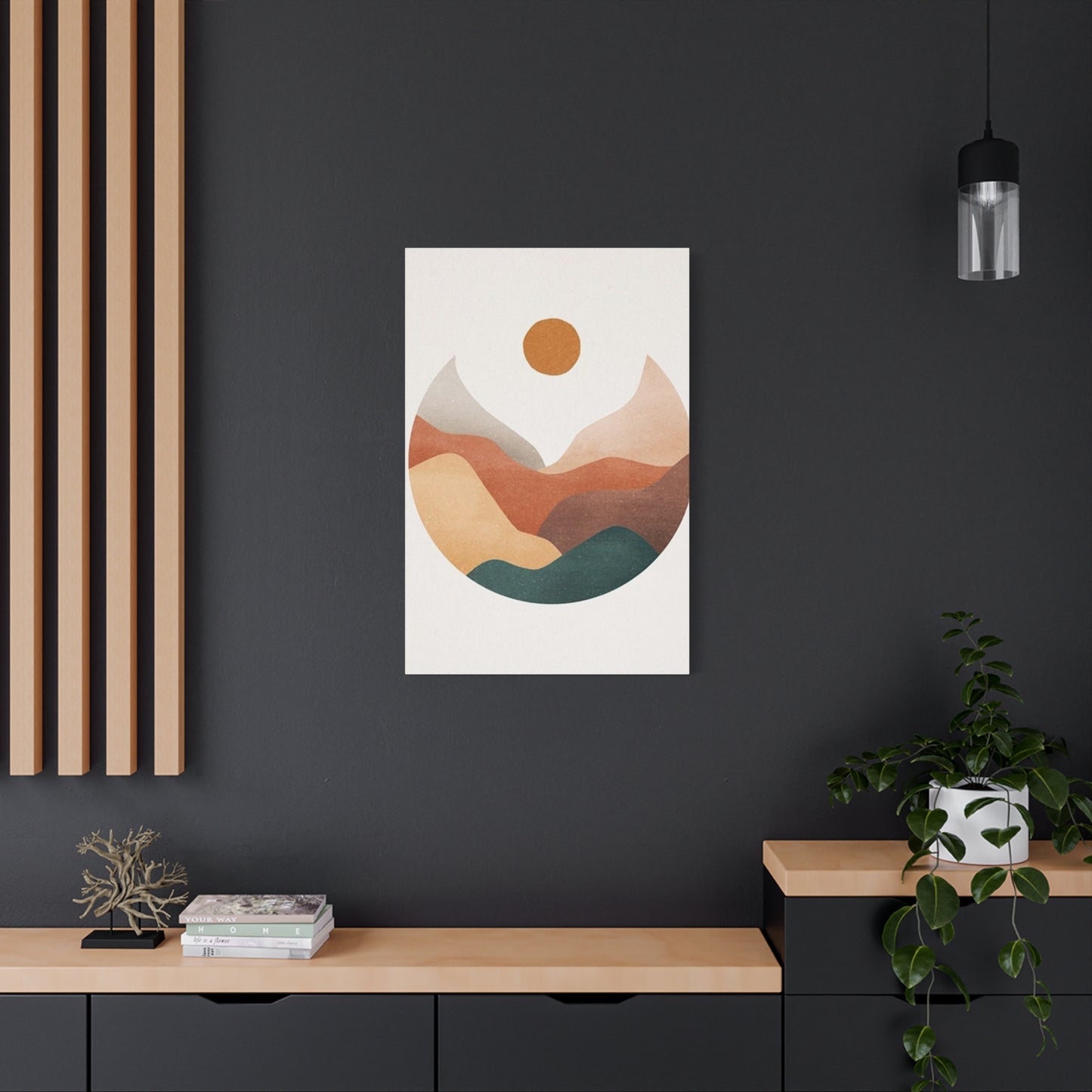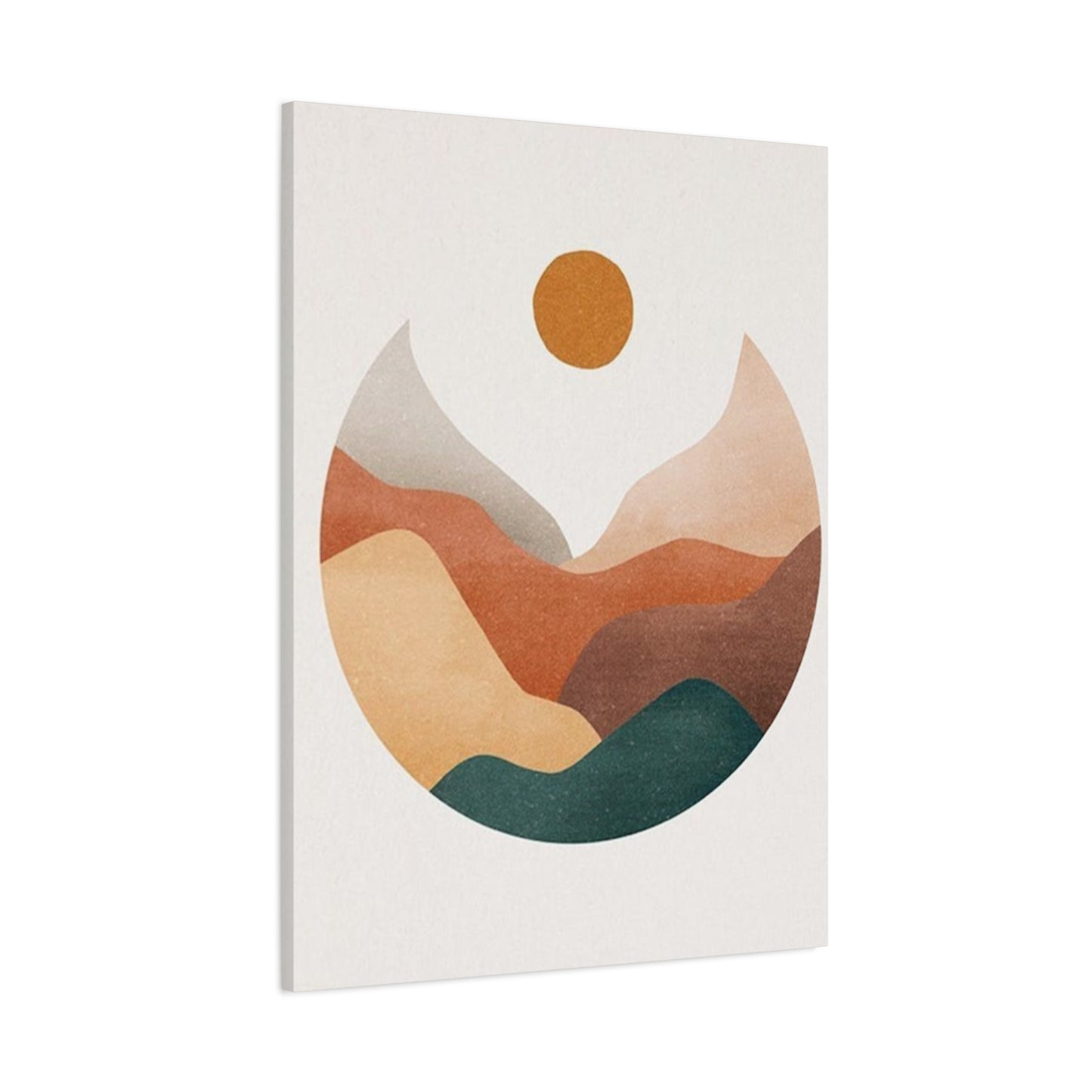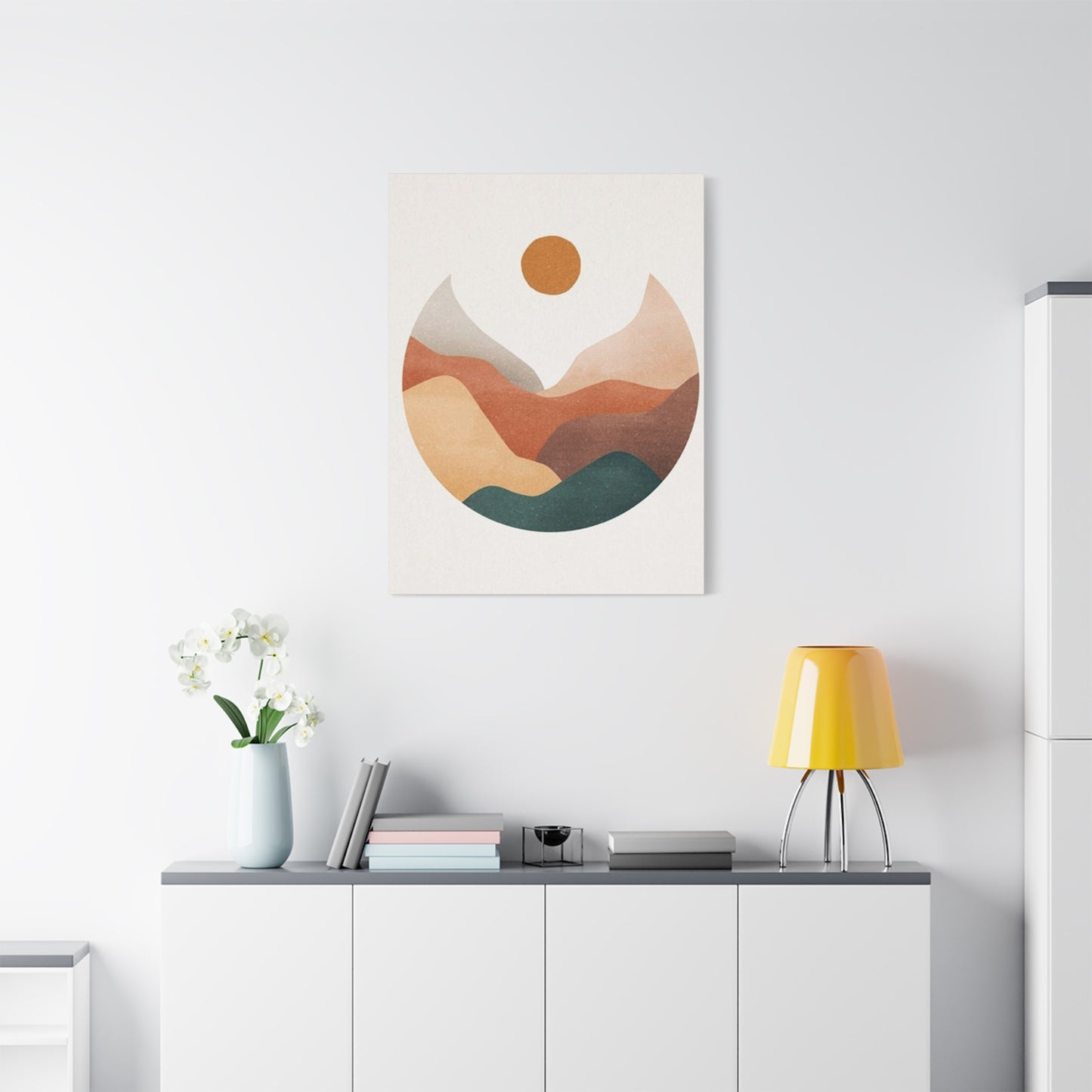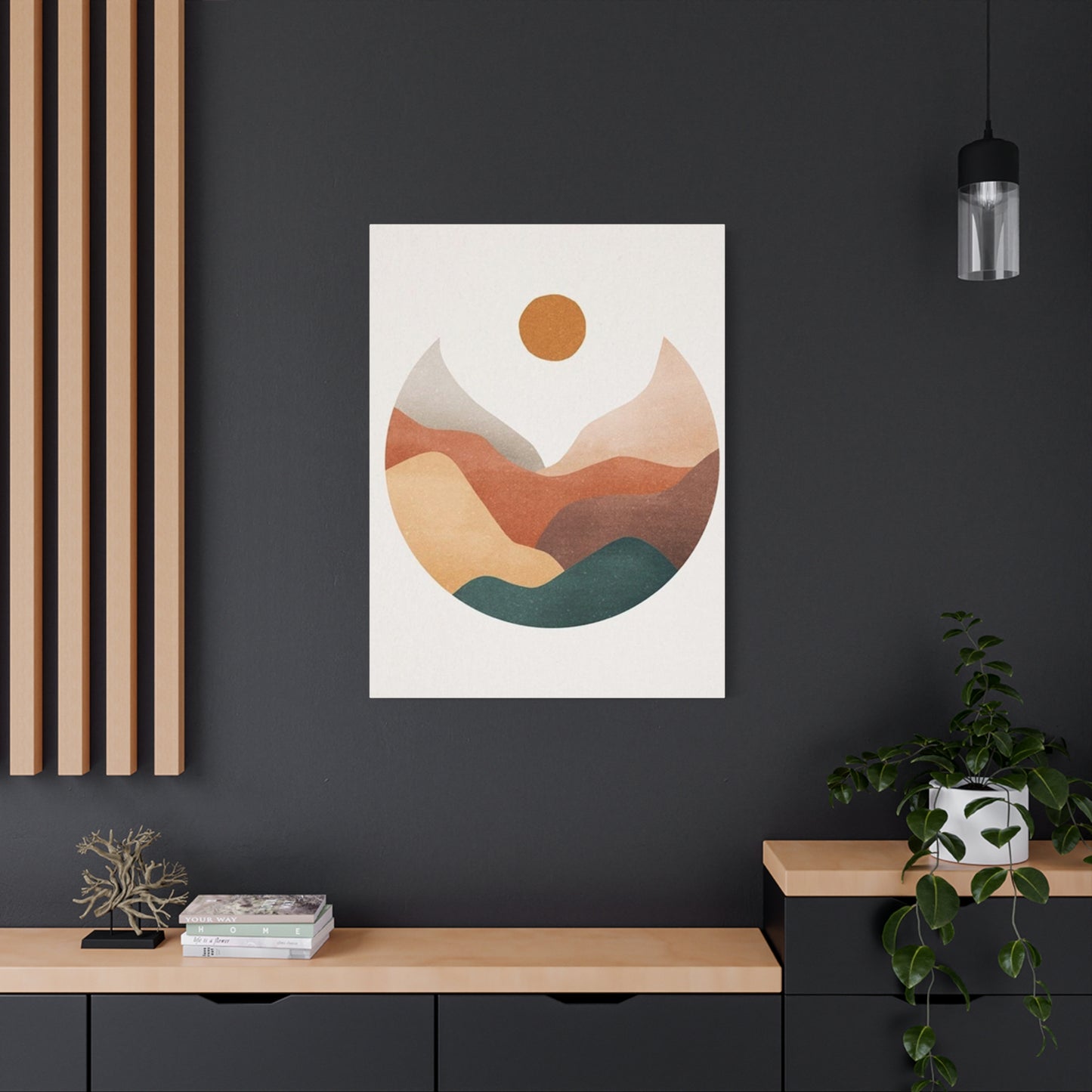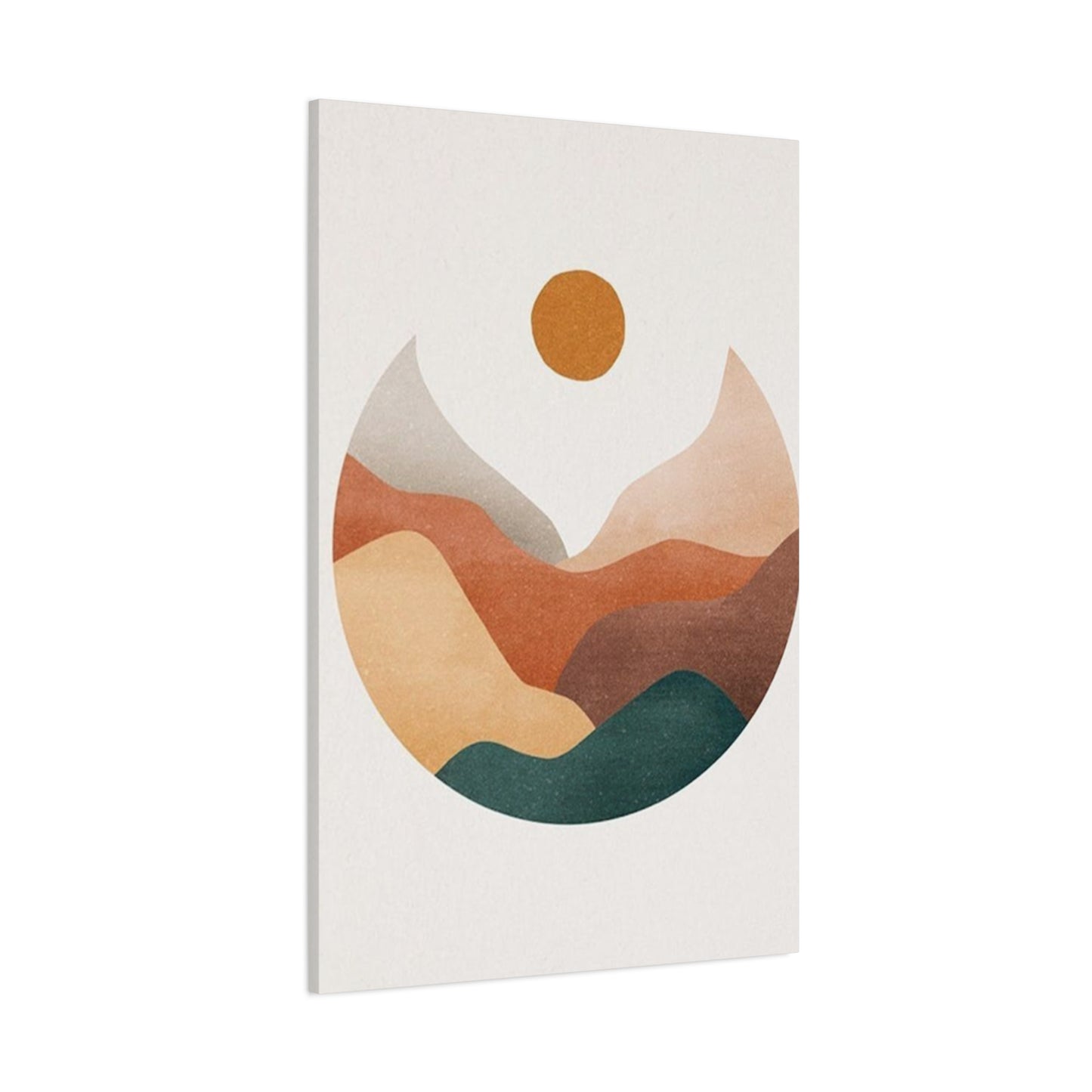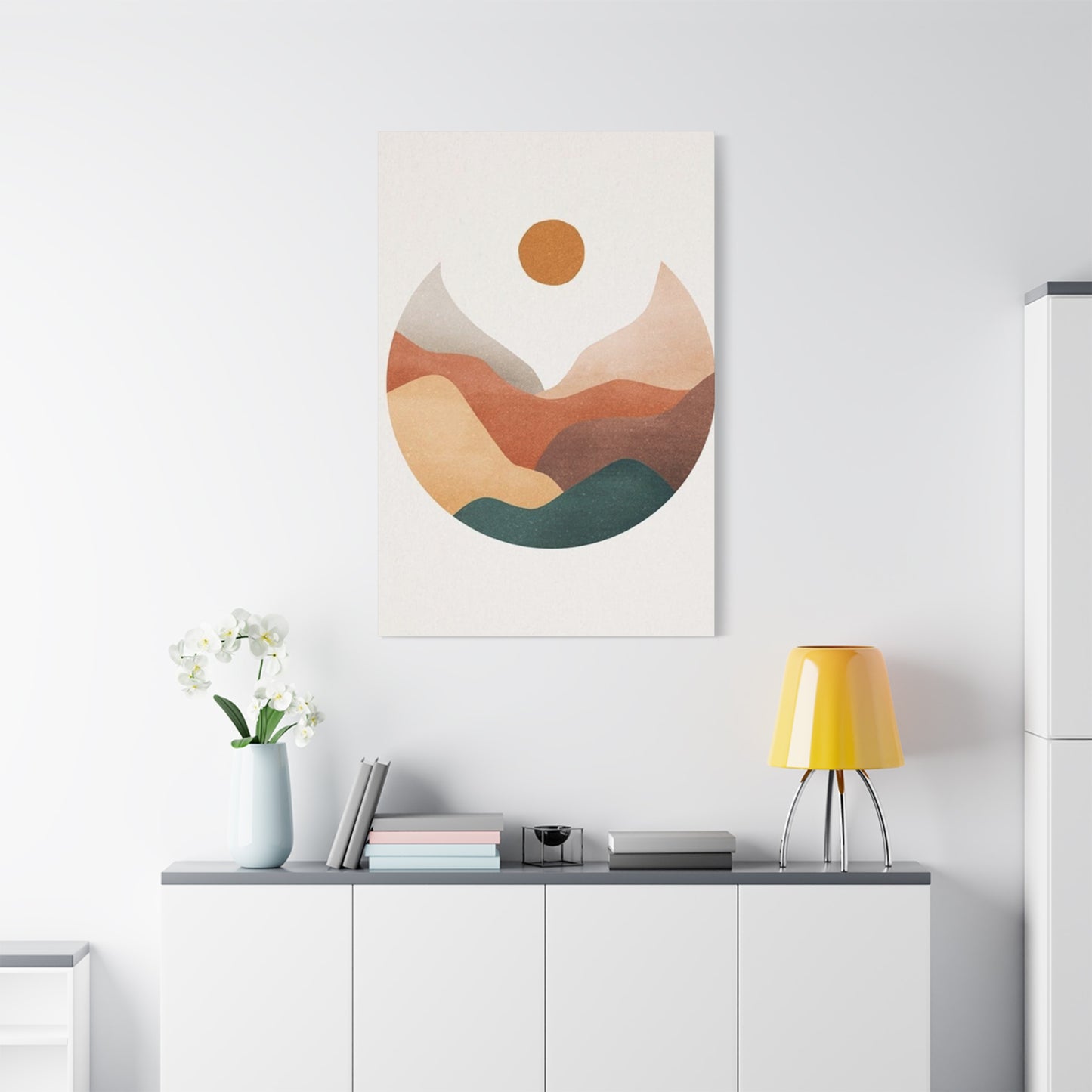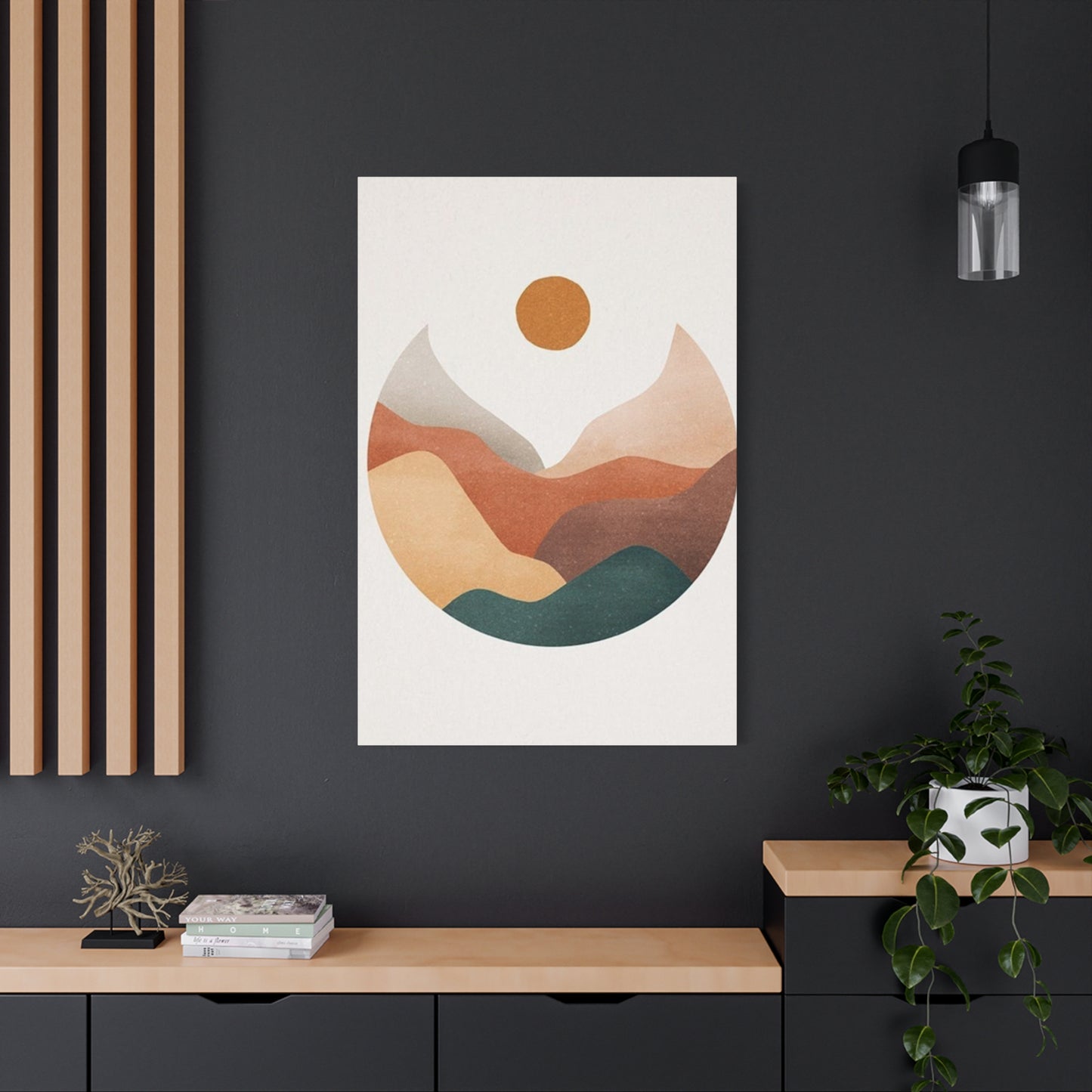


Abstract Circle Shape Pattern Wall Art & Canvas Prints
Abstract Circle Shape Pattern Wall Art & Canvas Prints
Couldn't load pickup availability
Modern Geometric Designs: Abstract Circle Shape Pattern Wall Art for Contemporary Spaces
The world of interior decoration has witnessed a remarkable shift towards minimalist and geometric aesthetics that capture attention while maintaining sophistication. Among the most captivating elements transforming residential and commercial environments are abstract circle shape pattern wall art pieces that blend mathematical precision with artistic expression. These decorative elements have become essential components for anyone seeking to elevate their surroundings with visually striking yet harmonious compositions.
Circular patterns hold an innate fascination for the human eye, drawing from ancient symbolism and natural phenomena observed throughout human existence. The appeal of abstract circle shape pattern wall art stems from its ability to create focal points that simultaneously energize and calm a space. Unlike angular geometric forms that command attention through sharp contrasts, circular elements generate movement through their continuous curves and intersecting paths.
The psychological impact of viewing circular compositions triggers responses rooted deeply within human consciousness. Circles represent completeness, infinity, and cyclical nature, making them universally recognized symbols that transcend cultural boundaries. When arranged in abstract patterns, these shapes create visual rhythms that guide the observer's gaze across the artwork, establishing dynamic relationships between positive and negative spaces.
Contemporary designers and decorators increasingly incorporate these pieces into their projects because they offer versatility unmatched by traditional rectangular or square artworks. The organic quality of circular forms softens harsh architectural lines while their geometric precision maintains a sense of order and intentionality. This duality makes abstract circle shape pattern wall art suitable for diverse aesthetic preferences, from ultra-modern minimalism to eclectic bohemian styles.
The color relationships within circular pattern compositions contribute significantly to their visual impact. Monochromatic schemes using varying shades of single hues create sophisticated subtlety, while contrasting color combinations generate vibrant energy that dominates attention. Neutral palettes featuring blacks, whites, and grays offer timeless elegance that adapts to changing decor trends, whereas bold chromatic choices make definitive statements reflecting personal style.
Texture plays an equally crucial role in the effectiveness of these decorative pieces. Smooth, flat surfaces emphasize the pure geometry of circular forms, creating clean, contemporary aesthetics. Conversely, textured elements introduce tactile dimensions that invite closer inspection and add depth to the visual experience. Some artists incorporate mixed media techniques, layering different materials to build complexity within seemingly simple circular arrangements.
Dimensional Varieties Reshaping Interior Environments
Abstract circle shape pattern wall art manifests in numerous physical formats, each offering distinct advantages for specific spatial contexts. Two-dimensional printed works remain popular for their accessibility and ease of placement, available in various sizes to accommodate walls of different proportions. These pieces utilize advanced printing methodologies to reproduce intricate details and maintain color fidelity across large formats.
Three-dimensional sculptural interpretations elevate circular pattern concepts beyond flat surfaces, creating dramatic shadow plays and perspective shifts as lighting conditions change throughout the day. Metal constructions featuring concentric rings or overlapping discs project from walls at varying depths, transforming static artworks into dynamic installations that respond to environmental factors. Wood-based dimensional pieces introduce organic warmth while maintaining geometric precision, appealing to those seeking balance between natural materials and contemporary forms.
Canvas-mounted compositions remain classic choices for their traditional art presentation qualities combined with modern design sensibilities. Stretched canvas provides subtle texture that enhances visual interest without overwhelming the circular patterns themselves. Gallery-wrapped edges allow these pieces to hang without frames, creating seamless transitions between artwork and surrounding wall surfaces.
Acrylic and glass mediums offer transparency and light-transmission properties that traditional opaque materials cannot achieve. Layered acrylic panels with circular elements etched or printed at different depths create dimensional illusions while maintaining sleek, contemporary aesthetics. Backlit installations using these transparent materials transform abstract circle shape pattern wall art into luminous focal points that function as both decoration and ambient lighting sources.
Metal prints deliver exceptional durability and unique visual characteristics through dye-sublimation processes that infuse images directly into specially coated aluminum surfaces. The resulting pieces feature vibrant colors with metallic sheens that shift subtly depending on viewing angles and lighting conditions. These works particularly suit modern interiors where reflective surfaces and industrial materials form core design elements.
Spatial Considerations for Maximum Visual Impact
Proper placement determines whether abstract circle shape pattern wall art fulfills its decorative potential or becomes merely another overlooked element within a room. Scale represents the primary consideration, as undersized pieces disappear against expansive walls while oversized works overwhelm intimate spaces. The general principle suggests that artwork should occupy approximately two-thirds to three-quarters of available wall width above furniture pieces to achieve balanced proportions.
Vertical positioning significantly affects how viewers engage with circular pattern compositions. Eye-level placement, typically centered around 57 to 60 inches from floor to the artwork's center point, ensures comfortable viewing without neck strain. However, this standard may require adjustment in rooms with unusually high or low ceilings, or when furniture arrangements dictate different focal heights.
Gallery wall arrangements incorporating multiple abstract circle shape pattern wall art pieces create cohesive collections that make stronger statements than single works alone. These curated groupings work best when maintaining consistent color palettes or thematic connections between individual pieces while varying sizes to prevent monotonous uniformity. Asymmetrical arrangements often feel more dynamic and contemporary than rigidly symmetrical layouts, though both approaches can succeed depending on surrounding decor styles.
Lighting dramatically influences how circular pattern artworks appear within spaces. Natural light creates ever-changing presentations as sun positions shift throughout the day, casting different shadows and highlighting various aspects of dimensional pieces. Artificial illumination offers consistent control, with track lighting or picture lights directed specifically at artwork ensuring optimal visibility regardless of time or weather conditions. Ambient room lighting should be considered during placement decisions, as pieces positioned in dimly lit corners may fail to achieve their full visual potential.
Background colors significantly affect how abstract circle shape pattern wall art reads within a space. High contrast between artwork and wall colors creates bold, attention-grabbing presentations, while tonal harmonies produce subtle, sophisticated effects. Neutral walls provide versatile backdrops that allow artwork to dominate without competition, whereas colored walls require careful coordination to prevent clashing or visual confusion.
Stylistic Variations Across Design Movements
The interpretation of circular patterns within abstract compositions varies considerably across different artistic movements and design philosophies. Minimalist approaches emphasize reduction to essential elements, featuring sparse arrangements of circles in limited color palettes against expansive negative spaces. These pieces embody "less is more" principles, creating calm, meditative qualities appropriate for environments prioritizing serenity and mental clarity.
Maximalist interpretations embrace abundance and complexity, layering numerous circular elements in dense compositions filled with intricate details and vibrant color interactions. These works celebrate visual richness and decorative exuberance, suitable for personalities that embrace bold, unapologetic self-expression through their surroundings. The density of overlapping circles creates depth perception and invites extended viewing to discover subtle details initially hidden within apparent chaos.
Scandinavian design sensibilities favor abstract circle shape pattern wall art featuring muted color palettes, clean lines, and balanced compositions that reflect Nordic values of simplicity and functionality. These pieces typically incorporate natural color schemes inspired by landscapes—soft blues, forest greens, sandy beiges, and stone grays—creating connections between indoor spaces and exterior environments.
Mid-century modern aesthetics embrace circular patterns through retro-inspired color combinations and geometric precision reminiscent of 1950s and 1960s design movements. These pieces often feature characteristic color pairings like orange and teal, mustard yellow and chocolate brown, or olive green and burnt orange, evoking nostalgic connections while maintaining contemporary relevance through fresh interpretations.
Industrial style spaces benefit from abstract circle shape pattern wall art executed in raw materials like unfinished metals, weathered woods, or concrete-inspired textures. These pieces often feature intentionally distressed surfaces, exposed fasteners, and mechanical aesthetics that complement exposed brick walls, metal ductwork, and reclaimed building materials common in loft conversions and urban renovations.
Bohemian and eclectic interiors welcome circular pattern artworks featuring rich, jewel-toned colors and ornate details inspired by global textile traditions. These pieces might incorporate mandala-like arrangements, combining circular geometry with organic flourishes that reference cultural art forms from various geographic regions and historical periods.
Material Selections Influencing Aesthetic Outcomes
The substrate materials used for creating abstract circle shape pattern wall art fundamentally shape their visual characteristics and practical properties. Canvas remains among the most popular choices for its traditional art associations and forgiving surface qualities that accept various media. Cotton and linen canvases offer different textures, with linen providing finer weaves and more pronounced grain patterns that become visible components of finished works.
Wood panels deliver substantial heft and durability while introducing natural grain patterns that interact with applied circular designs. Birch plywood offers smooth, consistent surfaces ideal for precise geometric patterns, while reclaimed barn wood or weathered planks contribute rustic character that creates compelling contrasts with refined circular geometries. Some artists leave portions of wood substrates visible, integrating natural materials directly into compositional elements.
Metal substrates ranging from aluminum to steel provide industrial aesthetics and exceptional longevity. Brushed finishes create subtle directional textures, while polished surfaces achieve mirror-like reflectivity. Powder-coated metals allow for vibrant, durable color applications that resist fading and weathering. Oxidized copper and patinated bronze introduce organic color variations that evolve over time, creating living artworks that change with age.
Paper-based works utilize various stock weights and textures, from delicate rice papers to heavy watercolor sheets. Archival-quality papers ensure longevity, preventing yellowing and deterioration that compromise lesser materials. Some abstract circle shape pattern wall art pieces feature hand-made papers with visible fibers and irregular edges that emphasize craft origins and unique material properties.
Fabric-based artworks incorporate textiles ranging from silk to burlap, introducing inherent textures and draping qualities. Embroidered or appliqued circles add dimensional relief to fabric surfaces, creating tactile experiences alongside visual ones. Stretched fabric panels offer alternatives to traditional canvas with different surface characteristics and reflective properties.
Color Theory Principles Governing Circular Compositions
Successful abstract circle shape pattern wall art relies heavily on sophisticated color relationships that create harmony or intentional tension within compositions. Monochromatic schemes using single hues in varying values and saturations produce cohesive, restful effects appropriate for spaces prioritizing tranquility. These approaches demonstrate how tonal variations alone can create depth and interest without chromatic diversity.
Analogous color schemes featuring hues adjacent on the color wheel generate subtle harmonies with gentle contrasts. Circular patterns employing blues transitioning through blue-greens to greens create natural progressions that feel organic and flowing. These schemes work particularly well for abstract circle shape pattern wall art intended to complement rather than dominate surrounding decor.
Complementary color pairings position opposite color wheel hues against each other, creating vibrant contrasts that energize spaces. Purple circles against yellow backgrounds, or orange elements on blue fields, generate visual excitement through maximum chromatic differentiation. These bold combinations suit personalities seeking dramatic statements and spaces needing energizing focal points.
Triadic color schemes utilize three hues equally spaced around the color wheel, creating balanced yet dynamic relationships. Red, yellow, and blue combinations evoke primary color energy, while secondary triads featuring orange, green, and purple offer sophisticated alternatives. These schemes provide sufficient variety to maintain interest while avoiding chaotic impressions that might result from random color selections.
Split-complementary schemes offer modified versions of direct complementary pairings, substituting the direct opposite with two adjacent hues for softer contrasts. These approaches deliver visual interest without the intensity of true complementary relationships, making them suitable for abstract circle shape pattern wall art in spaces requiring moderated energy levels.
Neutral palettes featuring blacks, whites, grays, and browns provide timeless sophistication that transcends fleeting trends. These schemes allow circular patterns' geometric qualities to dominate without chromatic competition. Variations in value create necessary contrasts that define individual circular elements and establish spatial relationships within compositions.
Production Methods Shaping Artistic Outcomes
Various creation processes yield distinct characteristics in finished abstract circle shape pattern wall art pieces. Digital design software enables precise geometric constructions impossible through manual methods, allowing artists to generate perfect circles, calculate exact spacing, and experiment with unlimited color combinations before committing to final versions. These digital designs can be output through multiple production methods depending on desired final substrates and aesthetic qualities.
Giclée printing represents premium reproduction quality for two-dimensional works, utilizing archival inks and fine art papers or canvases to create limited edition pieces virtually indistinguishable from original paintings. The term itself implies high-quality inkjet printing with superior color accuracy and longevity compared to standard printing processes. These prints suit collectors seeking affordable alternatives to unique originals while maintaining exhibition-worthy presentation standards.
Screen printing introduces hands-on craft elements to abstract circle shape pattern wall art creation, with each color requiring separate screens and manual ink applications. This process naturally produces slight variations between prints, ensuring that even numbered editions maintain individual character. The layering inherent to screen printing creates rich, saturated colors and interesting overprinting effects where circular elements overlap.
Hand-painting delivers complete uniqueness, with each artwork representing singular creative expressions that cannot be exactly replicated. Artists working in acrylics, oils, or watercolors bring personal gestures and mark-making qualities that imbue circular patterns with human touches absent from mechanically produced works. Visible brushstrokes and subtle color variations add warmth and authenticity valued by those prioritizing original art acquisitions.
Laser cutting and engraving enable precise dimensional works in wood, acrylic, and metal substrates. These computer-controlled processes execute intricate circular patterns with microscopic precision, creating clean edges and consistent depths impossible through manual cutting. Layered constructions built from laser-cut components achieve complex dimensional effects as shadows and highlights shift across multiple planes.
Mixed media approaches combine various materials and processes within single artworks, creating rich complexity through contrasting textures and techniques. An abstract circle shape pattern wall art piece might feature painted backgrounds, collaged paper circles, embroidered elements, and metallic accents, synthesizing diverse craft traditions into contemporary compositions.
Practical Considerations for Longevity
Protecting abstract circle shape pattern wall art from environmental factors ensures continued beauty throughout years of display. Light exposure, particularly direct sunlight, represents the primary threat to color stability in most artwork types. Ultraviolet radiation breaks down pigments and substrates, causing fading, discoloration, and material degradation. Positioning pieces away from windows receiving direct sun prevents this damage, while UV-filtering glazing or window films provide additional protection for unavoidable sunny locations.
Humidity fluctuations cause expansion and contraction in organic materials like wood, canvas, and paper, potentially leading to warping, cracking, or delamination over time. Maintaining consistent indoor humidity levels between 40-50 percent creates stable environments for artwork preservation. Dehumidifiers in damp climates and humidifiers in arid regions help regulate moisture levels, protecting investment pieces from environmental extremes.
Temperature stability similarly protects materials from stress caused by repeated expansion and contraction cycles. Avoiding placement above heat sources like radiators or fireplaces prevents localized overheating that accelerates deterioration. Climate-controlled environments maintain consistent conditions year-round, offering ideal preservation circumstances for valuable abstract circle shape pattern wall art collections.
Dust accumulation dulls surfaces and attracts moisture that can promote mold growth on organic substrates. Regular gentle dusting using soft, lint-free cloths or feather dusters removes particulates before they bond to surfaces. Glazed or glass-covered works tolerate light cleaning with appropriate glass cleaners, while unprotected painted or printed surfaces require more delicate approaches to avoid damaging pigments or coatings.
Professional conservation assessments provide expert evaluations of valuable pieces, identifying potential vulnerabilities and recommending specific preservation measures. Conservators can perform necessary repairs, stabilize deteriorating materials, and advise on proper display conditions. For significant abstract circle shape pattern wall art acquisitions, establishing relationships with conservation professionals ensures access to specialized expertise when needed.
Psychological Effects of Circular Visual Elements
The human response to circular forms operates at profound levels, influencing mood, cognition, and even physiological states. Neurological research indicates that viewing circular patterns activates brain regions associated with reward and pleasure, triggering subtle positive emotional responses. This innate attraction to circular forms likely evolved from associations with life-sustaining elements—the sun, moon, fruits, and flowers—that ancient humans depended upon for survival.
Abstract circle shape pattern wall art can reduce stress and promote relaxation through visual qualities that lack aggressive angularity or chaotic complexity. The smooth, continuous nature of circular boundaries creates gentle visual flow that allows eyes to move comfortably across compositions without jarring disruptions. This quality makes circular pattern artworks particularly suitable for spaces dedicated to rest, meditation, or contemplation.
Conversely, dynamic circular arrangements featuring multiple intersecting elements or vibrant color contrasts can energize environments and stimulate mental engagement. These more complex compositions challenge perception, encouraging viewers to explore relationships between overlapping circles and discover new patterns within larger compositions. Such pieces suit creative workspaces or social areas where mental alertness and conversation are desired outcomes.
The scale of individual circular elements influences perceived intimacy or grandeur within spaces. Large, singular circles create bold, confident statements that anchor rooms with strong focal points. Numerous smaller circles generate busy, energetic atmospheres that feel active and engaging. Abstract circle shape pattern wall art featuring graduated sizes creates visual rhythms that guide attention through compositions while establishing hierarchical relationships between elements.
Color selections dramatically affect emotional responses to circular pattern artworks. Warm hues like reds, oranges, and yellows stimulate appetite, conversation, and activity, making them appropriate for dining areas and social spaces. Cool blues, greens, and purples promote calmness and mental clarity, suiting bedrooms, bathrooms, and home offices where focus and relaxation are priorities. Understanding these color psychology principles enables deliberate selection of abstract circle shape pattern wall art that supports intended spatial functions.
Cultural Symbolism Enriching Circular Imagery
Circles carry profound symbolic meanings across diverse cultures and belief systems, adding conceptual depth to abstract circle shape pattern wall art beyond purely decorative functions. Eastern philosophies emphasize circular forms representing wholeness, enlightenment, and the cyclical nature of existence. Enso circles in Zen Buddhism symbolize the universe, void, and enlightenment, typically executed as incomplete circles acknowledging imperfection as integral to existence.
Celtic traditions feature intricate circular knotwork representing eternity and interconnectedness, with continuous lines symbolizing life's perpetual cycles and spiritual journeys without definitive beginnings or ends. These ancient motifs continue influencing contemporary abstract circle shape pattern wall art, particularly pieces drawing inspiration from historical decorative traditions.
Native American medicine wheels utilize circular forms divided into quadrants representing cardinal directions, seasons, life stages, and spiritual elements. These sacred geometries carry teachings about balance, harmony, and humanity's relationship with natural cycles. Contemporary interpretations of these symbolic circles appear in modern decorative contexts, honoring ancestral wisdom through geometric abstraction.
Mandala traditions from Hindu and Buddhist practices employ circular patterns radiating from central points, representing cosmic order and spiritual journeys toward enlightenment. These intricate geometric compositions combine circles with other shapes in symmetrical arrangements that aid meditation and spiritual contemplation. Secularized mandala-inspired abstract circle shape pattern wall art brings these calming, centering qualities into residential environments without requiring religious context.
Alchemical symbolism assigns specific meanings to circles representing various metals, elements, and philosophical concepts. The circle with a central point symbolizes gold and the sun in alchemical traditions, while intersecting circles represent synthesis and transformation. These esoteric associations add layers of meaning for viewers familiar with symbolic traditions, transforming decorative artworks into conversation pieces with deeper significance.
Commercial Spaces Benefiting from Circular Pattern Artwork
Corporate environments increasingly recognize abstract circle shape pattern wall art's value for creating sophisticated, professional atmospheres that still feel approachable and contemporary. Reception areas establish critical first impressions, and circular pattern artworks convey forward-thinking innovation while maintaining universal appeal that avoids alienating diverse visitor populations. Large-scale installations in these prominent locations make powerful statements about organizational values and aesthetic sensibilities.
Conference rooms benefit from abstract circle shape pattern wall art that energizes without distracting, supporting productive meetings and creative brainstorming sessions. The visual interest maintains engagement during long discussions while the abstract nature avoids literal imagery that might bias conversations toward particular topics. Color selections can be coordinated with corporate branding to reinforce organizational identity throughout facilities.
Healthcare facilities utilize circular pattern artworks to create calming environments that reduce patient anxiety and stress. The non-threatening nature of abstract circles provides visual interest without disturbing imagery that might prove uncomfortable for vulnerable populations. Waiting rooms, patient corridors, and treatment spaces become less institutional through thoughtful art selections that humanize clinical environments.
Hospitality venues from hotels to restaurants employ abstract circle shape pattern wall art to establish memorable atmospheres that enhance guest experiences. Boutique hotels differentiate themselves through curated art collections that reflect unique brand identities and local cultural contexts. Restaurants create immersive dining environments where visual aesthetics complement culinary experiences, encouraging social sharing through Instagram-worthy backgrounds.
Retail environments leverage circular pattern artworks to guide traffic flow and create distinct zones within open floor plans. The visual rhythm of circular elements naturally draws eyes and encourages movement through spaces, subtly directing shoppers toward featured merchandise or promotional displays. High-end boutiques particularly favor sophisticated abstract compositions that elevate perceived brand value and justify premium pricing.
Residential Applications Across Living Spaces
Living rooms serve as primary gathering spaces where abstract circle shape pattern wall art functions as conversational focal points that reflect personal aesthetic preferences. Above sofas represents the classic placement, anchoring seating arrangements while providing comfortable viewing from typical seated positions. The artwork selection often sets the tone for entire room color schemes, with throw pillows, rugs, and accessories coordinated to complement or echo circular motifs and hues featured in wall pieces.
Bedrooms benefit from abstract circle shape pattern wall art positioned above headboards, creating tranquil focal points visible from bed positions. Calm color palettes and balanced compositions promote restful atmospheres conducive to sleep, while the abstract nature avoids overstimulating imagery that might interfere with relaxation. Pairs or triptychs flanking beds create symmetrical arrangements that feel intentionally designed and cohesive.
Dining spaces welcome circular pattern artworks that energize without overwhelming conversation and dining experiences. The repetitive nature of circular patterns creates visual rhythm that complements the social rhythms of shared meals and gatherings. Scale becomes particularly important in dining areas, where artwork should command attention without dominating the space so completely that it distracts from food presentation and interpersonal interaction.
Home offices require abstract circle shape pattern wall art that stimulates creativity and focus without creating visual chaos that competes with work tasks. Positioning artwork within peripheral vision rather than directly behind monitors prevents distraction while still providing visual relief during breaks from screen time. Energizing color schemes in yellows, oranges, or teals can combat afternoon fatigue and maintain mental engagement during long work sessions.
Hallways and transitional spaces often suffer from decorative neglect despite offering excellent opportunities for abstract circle shape pattern wall art displays. These passages become gallery-like experiences when adorned with curated collections that guide movement through homes while expressing personal style. Vertical arrangements suit narrow hallway configurations, while horizontal compositions complement wider corridors and landing areas.
Bathrooms transform from purely functional spaces into personal retreats through thoughtful art selections that introduce color, pattern, and personality. Moisture-resistant substrates like metal prints or sealed canvas pieces withstand humid environments without deteriorating. Circular patterns particularly suit bathroom aesthetics, echoing rounded fixtures like sinks, mirrors, and tubs while softening hard tile surfaces.
Seasonal Rotations Refreshing Interior Atmosphics
Treating abstract circle shape pattern wall art as seasonal decor introduces dynamic variety to living spaces throughout the year. Spring collections might feature fresh, lighter color palettes with soft pastels and airy compositions that echo renewal and growth. Circular patterns in mint greens, blush pinks, and sky blues create optimistic, uplifting environments that celebrate seasonal transitions from winter dormancy.
Summer artworks embrace vibrant, saturated hues that reflect long days and abundant sunshine. Bold circular patterns in tropical colors—coral oranges, turquoise blues, and sunny yellows—energize spaces with vacation-inspired exuberance. These pieces transform interiors into cheerful retreats that extend summer's joyful atmosphere indoors during the warmest months.
Autumn selections introduce rich, warm tones that mirror changing foliage and harvest season abundance. Abstract circle shape pattern wall art in rust oranges, deep burgundies, golden ochres, and chocolate browns creates cozy, welcoming atmospheres as outdoor temperatures cool. These pieces complement seasonal textiles like wool throws and velvet pillows, building layered comfort appropriate for gathering seasons.
Winter artworks often feature cooler palettes or sophisticated neutrals that embrace the season's introspective quality. Icy blues, silvery grays, and crisp whites create serene, contemplative environments suited to longer indoor hours. Alternatively, some prefer warmer winter palettes—deep reds, forest greens, and rich golds—that generate comforting coziness during cold, dark months.
Implementing seasonal rotations requires storage solutions that protect off-season pieces from damage. Climate-controlled storage areas prevent humidity and temperature fluctuations that could harm artwork. Acid-free tissue paper and appropriately sized boxes protect surfaces during storage periods, ensuring pieces emerge pristine when rotational schedules return them to display positions.
Commissioning Custom Circular Pattern Creations
Working with artists to create custom abstract circle shape pattern wall art ensures perfect alignment between personal vision and final results. Initial consultations establish parameters including size specifications, color preferences, substrate choices, and stylistic directions. Providing reference images of admired works helps communicate aesthetic preferences, though custom commissions should avoid direct replication of existing artworks to respect intellectual property and ensure originality.
Discussing specific spatial contexts where artwork will display helps artists consider environmental factors like lighting conditions, surrounding colors, and architectural features. Photographs of installation locations provide valuable context for scale decisions and color selections that will harmonize with existing decor. Some artists welcome site visits for major commissions, experiencing spaces firsthand before creating pieces specifically designed for those environments.
Budget discussions occur early in commission processes, establishing realistic expectations regarding artwork complexity, materials, and timeframes. Original paintings naturally command higher prices than prints or reproductions, reflecting the unique nature and time investment of hand-created works. Size significantly impacts pricing, with larger formats requiring more materials and labor. Complex compositions featuring numerous colors or intricate details demand additional time compared to simpler designs.
Timeline establishment prevents misunderstandings about production and delivery schedules. Custom abstract circle shape pattern wall art requires adequate creation time—rushing artists rarely yields optimal results. Most commission processes span several weeks to months depending on complexity and artists' existing workloads. Building buffer time into installation deadlines accounts for potential unexpected delays in creation or shipping.
Approval processes allow refinement before final completion. Many artists provide progress photographs or sketches for client feedback during creation, enabling adjustments before reaching points where changes become difficult or impossible. Clear communication throughout ensures satisfaction with final results and prevents disappointment when completed works arrive.
Digital Rendering Tools for Visualization
Modern visualization software enables previewing how abstract circle shape pattern wall art will appear within actual spaces before purchasing or commissioning pieces. Mobile applications allow users to upload room photographs, then digitally place artwork images on wall surfaces, adjusting sizes and positions to evaluate visual impact. These tools prevent costly mistakes from scale misjudgments or color incompatibilities that become apparent only after installation.
Augmented reality features in some applications overlay digital artwork images onto live camera views, providing real-time visualization as users move through spaces. This capability proves particularly valuable for gallery wall arrangements involving multiple pieces, allowing experimentation with various configurations before committing to nail holes or mounting hardware.
Color matching tools help coordinate abstract circle shape pattern wall art selections with existing paint colors, furniture fabrics, and decorative accessories. Digital color pickers extract specific hues from photographs, enabling systematic comparison between artwork colors and room elements. This systematic approach removes guesswork from color coordination, supporting confident purchase decisions.
Dimensional visualization helps understand how three-dimensional sculptural pieces will project from walls and cast shadows. Some advanced software creates lighting simulations showing how artworks will appear under different illumination scenarios—morning sunlight, evening lamplight, or overhead fixtures. These detailed previews support informed decisions about both artwork selection and placement.
Virtual room designers enable complete space planning exercises incorporating abstract circle shape pattern wall art alongside furniture arrangements, paint colors, and flooring options. These comprehensive tools support holistic interior design processes where artwork becomes integral to overall schemes rather than afterthoughts added once rooms are otherwise complete. The ability to experiment freely with multiple scenarios encourages creative exploration without physical or financial commitment.
Investment Value of Contemporary Abstract Artwork
Abstract circle shape pattern wall art by emerging and established artists can appreciate significantly over time, offering financial returns alongside aesthetic enjoyment. The contemporary art market has demonstrated substantial growth in recent decades, with works by sought-after artists achieving impressive auction results. Collectors who identify talented artists early in their careers sometimes acquire pieces at modest prices that later command substantial premiums as artists gain recognition.
Several factors influence artwork investment potential. Artist reputation and exhibition history provide indicators of market position and trajectory. Artists represented by respected galleries, featured in museum exhibitions, or recipients of prestigious awards typically maintain stronger market positions than completely unknown creators. However, established artists' works also carry higher initial acquisition costs, requiring larger capital investments.
Provenance documentation establishes ownership history and authenticity, becoming crucial for valuable pieces entering secondary markets. Certificates of authenticity, purchase receipts, and exhibition records create paper trails that verify legitimacy and support valuations. Well-maintained provenance enhances resale potential and buyer confidence when collectors eventually decide to sell acquired abstract circle shape pattern wall art.
Edition sizes affect value for limited edition prints and reproductions. Smaller edition runs create scarcity that supports higher per-piece values, while large unlimited editions rarely appreciate substantially. Signed and numbered editions by recognized artists generally command premiums over unsigned reproductions, even when produced using identical printing processes.
Physical condition dramatically impacts value, with pristine works achieving optimal prices while damaged pieces suffer significant devaluation. Proper preservation through appropriate framing, climate control, and light protection maintains condition and protects investment value. Conservation interventions can restore damaged works but may affect valuations depending on intervention extent and quality.
Market timing influences return realization, with art markets experiencing cycles of expansion and contraction influenced by broader economic conditions. Patient collectors who purchase during market downturns and sell during expansionary periods maximize returns, though predicting market movements remains challenging even for seasoned professionals.
Environmental Sustainability in Artwork Production
Environmentally conscious consumers increasingly prioritize abstract circle shape pattern wall art created through sustainable practices using responsibly sourced materials. Reclaimed wood substrates salvaged from demolished structures or fallen trees prevent additional forest harvesting while introducing character through natural weathering and aged patinas. These materials carry stories of previous lives, adding narrative depth beyond pure aesthetics.
Low-VOC and zero-VOC paints and finishes minimize toxic chemical emissions that degrade indoor air quality and harm ecosystems during production. Traditional oil paints and solvents release volatile organic compounds that contribute to air pollution and pose health risks for artists and occupants. Water-based alternatives deliver comparable artistic results without environmental costs.
Recycled metal substrates reduce mining impacts and energy consumption associated with primary metal production. Aluminum and steel both recycle indefinitely without quality degradation, making them genuinely circular materials when properly recovered. Artworks created from recycled metals embody environmental responsibility while maintaining durability and aesthetic appeal.
Sustainable forestry certifications like FSC (Forest Stewardship Council) verify that wood products originate from responsibly managed forests maintaining ecological health and supporting local communities. Artists and manufacturers sourcing certified materials contribute to conservation efforts while ensuring continued material availability for future production.
Local production reduces transportation emissions and supports regional economies. Commissioning abstract circle shape pattern wall art from nearby artists eliminates international shipping requirements and associated carbon footprints. This localization strategy also facilitates easier communication during custom commission processes and potential site visits for large installations.
Packaging materials contribute significantly to artwork environmental impacts. Biodegradable or recyclable shipping materials minimize waste, while reusable crates for valuable pieces eliminate single-use packaging entirely. Some artists implement take-back programs accepting packaging returns for reuse with future shipments, closing waste loops.
Framing Choices Completing Presentations
Framing decisions substantially affect how abstract circle shape pattern wall art appears and its compatibility with surrounding decor. Frame presence or absence represents the primary consideration, with contemporary trends often favoring unframed presentations for clean, minimalist aesthetics. Gallery-wrapped canvases with images extending around edges eliminate framing requirements while delivering finished appearances suitable for immediate hanging.
When frames are desired, material selections should complement both artwork and room aesthetics. Wood frames introduce warmth and traditional art associations, with species and finish colors offering extensive customization options. Light woods like maple or ash suit Scandinavian and modern interiors, while dark walnut or ebony frames complement more traditional or dramatic decor schemes.
Metal frames deliver contemporary, industrial aesthetics particularly appropriate for modern abstract circle shape pattern wall art. Aluminum frames offer lightweight durability in various finishes from brushed natural metal to powder-coated colors. Steel frames provide substantial visual weight and presence suited to large-format works requiring robust support.
Float mounting creates contemporary presentations where artwork appears suspended within frames, with visible gaps between image edges and frame moldings. This mounting technique particularly suits works on paper or canvas panels, creating dimensional effects that emphasize artwork craftsmanship and materiality.
Matting considerations apply primarily to works on paper, with mat colors and proportions significantly affecting overall presentations. White and off-white mats offer neutral, gallery-standard approaches that emphasize artworks without competition. Colored mats can complement artwork hues but risk appearing dated as color preferences evolve. Double matting with contrasting inner and outer mat colors adds sophisticated detail to formal presentations.
Glazing options protect artworks while affecting appearance and cost. Standard glass provides basic protection at affordable prices but reflects light and can break dangerously. Acrylic glazing offers shatter-resistant safety and lighter weight for large formats but scratches more easily than glass. Museum-quality glazing incorporating UV protection prevents fading while anti-reflective coatings minimize distracting reflections that obscure artwork visibility.
Final Thoughts
Secure mounting prevents accidents and artwork damage while supporting professional presentations. Wall composition determines appropriate hanging hardware, with different materials requiring specific fastener types. Drywall mounting typically employs picture-hanging hooks rated for specific weights, with multiple hooks distributing loads for heavier abstract circle shape pattern wall art pieces.
Stud mounting provides superior strength for substantial artworks, with screws driven directly into structural framing members. Electronic stud finders locate hidden framing, though these devices sometimes produce false readings requiring verification through test drilling. Mounting to studs enables supporting significantly heavier weights than hollow-wall fasteners alone.
Masonry walls require specialized hardware like concrete anchors or masonry screws installed into pilot holes created with masonry bits. These installations demand more effort but deliver exceptional strength for large, heavy installations. Professional installation services prove valuable for particularly challenging masonry mounting situations requiring specialized tools and expertise.
French cleats offer premium hanging systems distributing weight across large areas while enabling easy leveling and removal. These interlocking wooden or metal strips mount to both artwork backs and walls, with gravity locking pieces securely in place. The system's adjustability facilitates perfect positioning without multiple nail holes from trial-and-error leveling attempts.
Wire hanging systems remain popular for medium-weight artworks, with wires attached to D-rings or eye screws on frame backs. Wire provides flexibility for leveling adjustments but becomes visible above frames when insufficient slack exists. Using braided steel wire rated significantly above artwork weight ensures security against wire failures.
Professional installation services provide expert solutions for particularly valuable, heavy, or challenging abstract circle shape pattern wall art installations. These specialists bring appropriate tools, hardware, and experience to ensure secure, level mounting while protecting both artwork and wall surfaces from installation damage.
Share