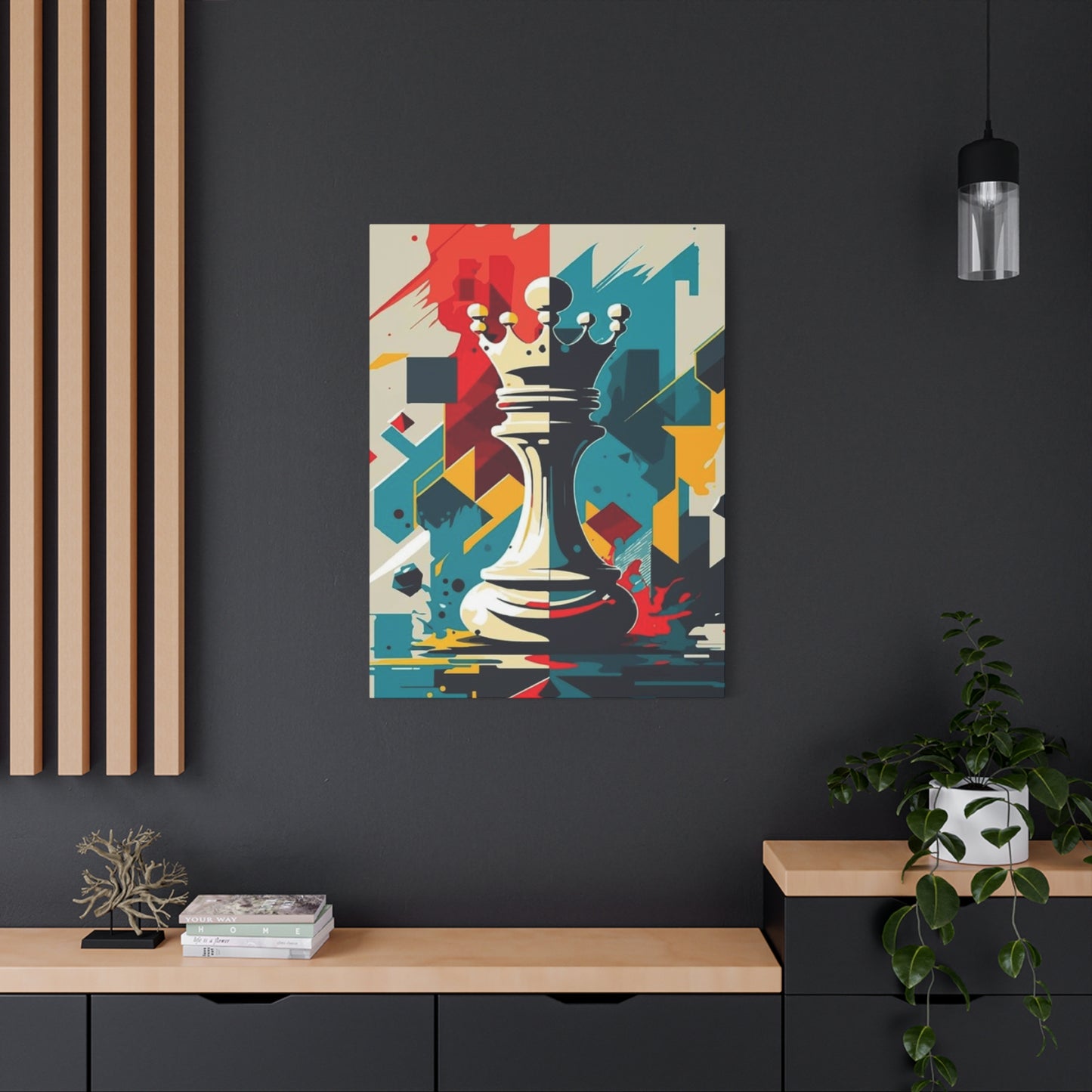
Abstract Chess Piece Wall Art & Canvas Prints
Abstract Chess Piece Wall Art & Canvas Prints
Couldn't load pickup availability
Discover the Artistic Revolution of Abstract Chess Piece Wall Art for Modern Living Spaces
The world of interior decoration has witnessed a remarkable shift towards intellectual and sophisticated themes that blend artistry with strategic thinking. Among these emerging trends, abstract chess piece wall art stands as a beacon of creativity, merging the timeless elegance of chess iconography with contemporary artistic expression. This form of decorative element transcends mere ornamentation, offering homeowners and design enthusiasts an opportunity to infuse their spaces with depth, character, and intellectual sophistication.
The rising popularity of chess-themed decorative elements reflects a broader cultural appreciation for strategic thinking and mental prowess. As people increasingly seek meaningful connections with their living environments, abstract chess piece wall art provides a perfect solution that combines aesthetic appeal with symbolic significance. These artistic interpretations transform recognizable game pieces into stunning visual statements that captivate viewers and spark conversations.
The Symbolic Resonance Behind Chess-Inspired Decorative Elements
Chess has long been regarded as more than just a board game; it represents a battlefield of minds where strategy, foresight, and tactical brilliance determine victory. Each piece carries distinct symbolic weight, from the commanding king to the versatile queen, the strategic knights to the steadfast rooks. When translated into abstract wall art, these symbols retain their inherent meaning while gaining new dimensions through artistic interpretation.
The king piece, traditionally representing sovereignty and ultimate authority, becomes a powerful focal point when rendered in abstract form. Artists often emphasize its crowned silhouette through bold lines and dramatic proportions, creating pieces that command attention and respect within any room. The symbolism extends beyond chess itself, touching on themes of leadership, decision-making, and personal empowerment that resonate with viewers on multiple levels.
Queens in abstract interpretations often showcase fluidity and grace, reflecting the piece's unmatched versatility on the chessboard. Designers frequently employ sweeping curves and dynamic compositions to capture the queen's multidirectional movement capabilities. These artistic choices result in wall art that embodies strength, flexibility, and feminine power, making them particularly popular in spaces seeking to celebrate balanced authority and graceful dominance.
Knights present unique artistic challenges and opportunities due to their distinctive L-shaped movement pattern and equine form. Abstract renditions often play with angular geometries and unexpected proportions, creating visually arresting pieces that intrigue and mystify. The knight's symbolic association with nobility, courage, and unconventional thinking makes these artistic interpretations especially meaningful for creative professionals and innovative thinkers.
Material Expressions in Contemporary Chess Art Installations
The selection of materials profoundly influences how abstract chess piece wall art impacts a space. Metal sculptures offer industrial sophistication, with brushed aluminum, oxidized copper, and powder-coated steel providing distinct aesthetic qualities. These materials catch and reflect light in fascinating ways, creating dynamic visual experiences that change throughout the day as natural illumination shifts across room surfaces.
Wooden interpretations bring warmth and organic texture to chess-themed wall art. Craftspeople might employ reclaimed timber for rustic character, polished hardwoods for refined elegance, or laser-cut plywood for precise geometric patterns. The natural grain patterns in wood add an additional layer of visual interest, ensuring each piece maintains uniqueness even within standardized designs. Some artisans incorporate mixed wood species, creating striking contrasts between light and dark tones that enhance the abstract qualities of their work.
Canvas-based abstract chess piece wall art allows for painterly expression and color exploration. Artists working in this medium can employ bold acrylic palettes, subtle watercolor washes, or textured mixed-media approaches to reimagine chess pieces. The flexibility of canvas enables larger-scale installations that transform entire walls into chess-inspired artistic statements. Layering techniques, where translucent colors overlay one another, can create depth and complexity that mirrors the multifaceted nature of chess strategy itself.
Resin and acrylic materials have gained tremendous popularity for creating contemporary chess-themed wall art. These synthetic materials allow for embedded elements, translucent effects, and vibrant color saturation impossible with traditional media. Artists can suspend metallic flakes, organic materials, or contrasting colored layers within clear resin, producing three-dimensional effects that add remarkable visual depth. The glossy finishes achievable with these materials lend modern sophistication perfectly suited to minimalist and contemporary interior schemes.
Color Palettes That Transform Chess Imagery Into Modern Masterpieces
Monochromatic schemes remain eternally sophisticated when rendering abstract chess piece wall art. The classic black and white contrast inherent to chess itself provides natural inspiration, but contemporary artists often expand this palette to include charcoal grays, warm ivories, and cool silver tones. These neutral approaches ensure versatility, allowing the artwork to harmonize with diverse decorating schemes while maintaining visual impact through form and composition rather than chromatic intensity.
Metallic finishes introduce luxury and contemporary flair to chess-inspired wall decorations. Gold leafing on chess piece silhouettes evokes opulence and historical grandeur, while copper tones bring warmth and vintage character. Silver and platinum finishes deliver sleek modernity, particularly effective in minimalist settings where restraint and precision define the aesthetic. Some artists combine multiple metallic finishes within single pieces, creating graduated effects that simulate the play of light across three-dimensional forms.
Bold color injections transform traditional chess imagery into vibrant contemporary statements. Jewel tones like sapphire blue, emerald green, and ruby red can represent individual pieces or highlight specific elements within abstract compositions. These saturated hues work particularly well in spaces with neutral backgrounds, where the chess-themed artwork becomes the primary visual anchor. The strategic deployment of color can also guide viewer attention, emphasizing particular pieces or compositional elements that convey intended meanings or moods.
Gradient transitions and ombre effects bring fluid dynamism to static chess piece representations. Artists might render a knight transitioning from deep navy at its base to pale sky blue at its peak, suggesting upward movement and aspiration. These color progressions add visual interest while maintaining cohesion, preventing busy or chaotic appearances that might overwhelm spaces. The gradual color shifts also introduce softness to potentially rigid geometric forms, creating approachable yet sophisticated artistic statements.
Dimensional Approaches That Bring Chess Art Into Physical Space
Flat wall art represents the most accessible entry point into chess-themed decoration. These two-dimensional works rely on compositional strength, color relationships, and graphic design principles to create impact. Silhouette approaches work particularly well in this format, where simplified chess piece shapes are rendered in solid colors against contrasting backgrounds. The resulting high-contrast images possess immediate visual clarity while allowing viewers to project their own interpretations onto the minimalist forms.
Low-relief sculptures add tactile dimension while maintaining wall-mounted convenience. Artists carve or mold chess pieces that protrude slightly from backing surfaces, creating subtle shadows that enhance visual interest without demanding excessive spatial depth. These pieces work beautifully in hallways, staircases, and other transitional spaces where fully three-dimensional installations might create obstruction issues. The interplay between raised elements and recessed backgrounds introduces complexity that rewards closer inspection.
High-relief and full sculptural chess pieces mounted to walls make bold architectural statements. These deeply dimensional works cast dramatic shadows and reveal different profiles as viewers move past them, creating dynamic experiences that change with perspective. Chess knights rendered with pronounced depth showcase intricate details in mane carving, facial expression, and muscular definition that remain impossible in flatter formats. Such pieces often become room centerpieces, dominating attention and setting tones for entire decorating schemes.
Multi-panel installations allow chess themes to expand across significant wall expanses. Triptychs might present three different pieces in conversation with one another, suggesting strategic relationships or narrative progressions. Larger assemblages could fragment a single chess piece across multiple panels, forcing viewers to mentally reconstruct the complete form while appreciating abstract patterns within individual sections. These modular approaches offer flexibility, allowing collectors to configure arrangements according to available wall dimensions and personal preferences.
Stylistic Movements Influencing Contemporary Chess Wall Art
Geometric abstraction finds natural alignment with chess piece representation. The game's structured nature and defined piece shapes lend themselves beautifully to interpretations emphasizing clean lines, perfect circles, and precise angles. Cubist influences fragment chess pieces into faceted planes that viewers must intellectually reassemble, mirroring the mental reconstruction required during complex chess matches. These angular treatments create visually striking pieces that appeal to mathematics enthusiasts, architects, and anyone drawn to ordered complexity.
Minimalist approaches strip chess pieces to their essential characteristics, creating powerful statements through radical simplification. A single curved line might suggest a knight's distinctive profile, while a circle topped with a cross instantly evokes a king's crowned status. These reductive interpretations challenge artists to identify and preserve only the most crucial identifying features, resulting in designs that communicate with remarkable efficiency. The surrounding negative space becomes as important as the positive forms, creating balanced compositions that feel calm yet compelling.
Expressionist chess art prioritizes emotional resonance over literal representation. Pieces might appear melted, fragmented, or dramatically distorted to convey concepts like pressure, defeat, or triumphant victory. Rough textures, violent brushstrokes, and unconventional color choices all serve to communicate subjective experiences associated with chess playing. These emotionally charged pieces work wonderfully in spaces where residents want art that provokes strong reactions and serves as conversation catalysts.
Surrealist interpretations liberate chess pieces from physical constraints, imagining them in impossible configurations or fantastical contexts. A rook might sprout organic vegetation from its castellated crown, or a bishop's mitre could dissolve into liquid gold streams. These dreamlike renditions appeal to imaginative viewers who appreciate wit, whimsy, and philosophical questioning of reality. The unexpected juxtapositions typical of surrealism inject humor and intellectual playfulness into spaces that might otherwise feel overly serious or conventional.
Spatial Considerations for Maximum Aesthetic Impact
Living room installations of abstract chess piece wall art often serve as primary focal points, anchoring entire decorating schemes. Large-scale pieces positioned above sofas or mantels draw eyes immediately upon room entry, establishing intellectual and artistic tones. The strategic positioning should account for primary viewing angles, ensuring the artwork reads clearly from typical seating positions. Adequate surrounding space prevents visual crowding, allowing the chess imagery to breathe and maintain its commanding presence.
Office environments benefit tremendously from chess-themed wall art, which reinforces qualities like strategic thinking, patience, and intellectual rigor. Positioning such pieces within direct sightlines of workstations provides subtle psychological reinforcement of these values throughout the workday. Conference rooms particularly suit larger, more dramatic chess installations that impress clients while subtly communicating the organization's commitment to thoughtful strategy and calculated decision-making processes.
Bedroom spaces can accommodate more personal and contemplative chess art interpretations. Gentler color palettes and softer compositions create appropriate atmospheres for rest and reflection. Positioning artwork opposite the bed allows for meditative viewing before sleep, while pieces flanking headboards frame the sleeping area with symbolic protection and intellectual aspiration. The bedroom's private nature permits more experimental or personal artistic choices that might feel too bold for public-facing spaces.
Dining areas present excellent opportunities for conversation-starting chess wall art. The social nature of shared meals combines perfectly with artwork that invites discussion and interpretation. Abstract chess pieces rendered in colors complementing dinnerware or table linens create cohesive design schemes. The vertical wall spaces typical of dining rooms accommodate tall, narrow chess piece renditions that draw eyes upward, creating impressions of expanded ceiling height and architectural grandeur.
Combining Multiple Pieces for Cohesive Gallery Presentations
Symmetrical arrangements provide classical balance and formality appropriate for traditional decorating schemes. Identical-sized chess piece panels positioned at regular intervals create rhythmic visual patterns that feel organized and intentional. This approach works particularly well when showcasing complete chess sets, with kings, queens, bishops, knights, rooks, and pawns each receiving equal representational space. The resulting displays communicate completeness and systematic thinking while maintaining individual piece distinctiveness.
Asymmetrical groupings introduce contemporary energy and visual dynamism to chess art displays. Varied frame sizes, irregular spacing, and unexpected compositional relationships create engaging complexity that rewards extended viewing. A small, detailed knight study might balance a large, simplified king silhouette through strategic positioning and visual weight distribution. This approach demands more careful planning but yields more personalized results that reflect individual aesthetic sensibilities rather than conventional display formulas.
Vertical stacking arrangements maximize limited horizontal wall space while creating dramatic upward momentum. Three chess pieces aligned vertically might represent hierarchical relationships or narrative progressions from opening gambits through midgame complexity to endgame simplicity. This orientation particularly suits narrow wall sections flanking doorways, windows, or architectural features where horizontal arrangements would feel cramped or visually cluttered.
Grid formations impose ordered structure on chess art collections, creating museum-quality presentations in residential settings. Nine identical-sized squares, each featuring a different abstracted chess piece, communicate completeness and systematic thinking. The rigid organization paradoxically highlights subtle variations between pieces while creating strong overall visual impact through repetition and pattern. This approach suits collectors with multiple related pieces seeking unified presentation methods.
Sizing Strategies for Different Architectural Contexts
Monumental installations transform entire walls into singular artistic statements. Chess pieces rendered at six feet or taller command attention and fundamentally alter spatial perceptions. These oversized interpretations work best in rooms with generous ceiling heights and open floor plans where viewers can step back to appreciate full compositions. The psychological impact of scale creates memorable impressions, making such pieces ideal for professional offices, upscale commercial spaces, or residential great rooms designed to impress.
Medium-scale pieces between two and four feet offer versatility across diverse room types and decorating contexts. These dimensions provide sufficient visual impact without overwhelming modest spaces or competing destructively with other decorative elements. The accessible scale encourages closer inspection of artistic details, textures, and techniques that might disappear in truly monumental works. Medium pieces also prove more manageable regarding transportation, installation, and potential relocation as decorating needs evolve.
Small accent pieces introduce chess themes subtly, supporting rather than dominating overall decorating schemes. Clusters of modestly sized chess piece studies can fill awkward wall sections, frame architectural features, or add visual interest to overlooked spaces. These smaller works prove particularly valuable when building collections gradually, allowing enthusiasts to acquire pieces over time without committing immediately to comprehensive display schemes. The modest investment required also encourages experimental choices that might feel too risky in larger, more expensive formats.
Multi-scale combinations create visual hierarchy and compositional interest within unified chess-themed displays. A dominant large-scale king might anchor an arrangement, with smaller supporting pieces representing other chess elements positioned around it. This approach mimics chess game hierarchies while creating balanced, sophisticated wall compositions. Varied scales also help direct viewer attention, ensuring certain elements receive emphasis while others provide contextual support.
Illumination Methods That Enhance Chess Art Presentations
Natural lighting considerations significantly influence how abstract chess piece wall art appears throughout daily cycles. Artworks positioned perpendicular to windows receive dynamic illumination that shifts with sun movement, creating ever-changing shadow patterns and surface highlights. North-facing placements provide consistent, cool light ideal for artwork with subtle color variations or delicate details. South-facing positions offer warmer, more intense illumination that can enhance metallic finishes and bold color palettes.
Directional spotlighting creates dramatic emphasis perfect for gallery-style presentations. Adjustable track lights or picture lights positioned to rake across textured surfaces enhance dimensional qualities and cast atmospheric shadows. The concentrated illumination draws attention powerfully, designating chess art as significant focal points worth extended contemplation. Dimmers allow lighting intensity adjustments according to time of day, activity, and desired ambiance, providing flexibility that static lighting schemes cannot offer.
Ambient lighting integration ensures chess wall art remains visible and appreciated during evening hours without creating harsh contrasts or glare. LED strip lighting concealed behind or beneath artworks creates glowing halos that separate pieces visually from surrounding walls while providing gentle illumination. This approach works beautifully with translucent materials like resin or backlit canvas, where indirect lighting can reveal embedded elements and create ethereal effects impossible under standard illumination.
Colored lighting introduces theatrical possibilities for chess art presentation. Programmable LED systems can shift hues according to preset schedules, transforming artwork appearance dramatically between morning and evening. A monochromatic chess piece might bathe in warm amber tones during dinner hours, then shift to cool blues for late-night contemplation. These dynamic lighting schemes add another layer of artistic expression, ensuring familiar pieces continue revealing new aspects over extended ownership periods.
Commissioning Custom Chess Art for Personalized Spaces
Selecting appropriate artists requires research into portfolios, stylistic approaches, and previous commission experiences. Online platforms, gallery visits, and art fair attendance all provide opportunities to discover creators whose aesthetic sensibilities align with personal preferences. Reviewing completed commission examples helps assess artists' abilities to interpret client visions while maintaining their distinctive artistic voices. Communication style compatibility proves equally important, as successful commissions require clear dialogue throughout creation processes.
Articulating vision clearly prevents misunderstandings and ensures final artworks meet expectations. Providing reference images, describing color preferences, specifying dimensional requirements, and explaining intended installation contexts all help artists understand project parameters. However, overly prescriptive instructions can stifle creativity, producing generic results lacking artistic vitality. The ideal balance respects artists' expertise while ensuring finished pieces serve intended decorative and symbolic purposes within specific spaces.
Budget discussions should occur early and transparently to prevent uncomfortable situations or project abandonment. Custom artwork pricing reflects materials, time investment, artist reputation, and piece complexity. Understanding cost breakdowns helps clients appreciate value propositions and make informed decisions about scope adjustments if initial proposals exceed budgets. Payment schedules typically include deposits securing artist commitment, progress payments at agreed milestones, and final settlements upon satisfactory completion.
Timeline expectations require realistic assessment of creative processes that cannot be artificially rushed without quality compromise. Simple designs might reach completion within weeks, while elaborate multi-panel installations could demand months from conception through final installation. Artists may require approval at various stages, including preliminary sketches, material selection, and pre-installation mock-ups. Building buffer time into schedules accommodates inevitable revisions and prevents rushed decisions that yield disappointing results.
Preservation Practices for Long-Term Artwork Enjoyment
Environmental protection shields chess wall art from deteriorating factors present in most homes. Direct sunlight exposure causes fading, discoloration, and material degradation, particularly affecting works on canvas, paper, or incorporating photographic elements. UV-filtering glass or acrylic in framed pieces provides protection while maintaining visibility. Positioning artwork away from heating vents prevents thermal damage, while humidity control guards against warping, mold growth, and adhesive failure.
Cleaning protocols must match specific materials to avoid inadvertent damage. Metal pieces generally tolerate gentle dusting with soft, dry cloths, though certain finishes might require specialized metal cleaners applied according to manufacturer recommendations. Canvas works should never be touched directly; instead, soft brush attachments on vacuum cleaners set to lowest suction can remove surface dust. Glass or acrylic surfaces accept standard glass cleaners applied to cloths rather than directly to surfaces, preventing moisture infiltration into frame components.
Regular inspections catch emerging problems before they escalate into serious damage. Checking mounting hardware ensures secure attachment, preventing potentially devastating falls. Examining artwork surfaces reveals early signs of deterioration like cracking, peeling, or discoloration that might respond to simple interventions if caught promptly. Annual professional assessments prove worthwhile for valuable pieces, as conservators can identify subtle problems invisible to untrained eyes.
Storage considerations become relevant when rotating displays, moving residences, or temporarily removing artwork for wall renovations. Proper packing materials prevent scratches, dents, and breakage during handling and transport. Climate-controlled storage facilities protect valuable pieces from extreme temperature fluctuations and humidity extremes. Documenting artwork through photographs and written descriptions aids insurance claims if unfortunate damage or theft occurs, while also maintaining records of collection evolution over time.
Budget-Conscious Approaches to Acquiring Chess Wall Art
Print reproductions democratize access to chess-themed artwork, allowing budget-conscious enthusiasts to enjoy museum-quality imagery at fraction of original costs. Modern printing methods produce remarkably faithful color reproduction and impressive detail retention, particularly when utilizing archival inks and premium paper stocks. Large-format prints can create substantial visual impact rivaling more expensive mediums, especially when professionally framed under conservation-quality materials. Limited edition prints signed by artists offer collectibility potential while remaining more affordable than unique originals.
DIY creation projects empower artistic individuals to produce personalized chess wall art matching their specific visions and budgets. Stenciling techniques allow precise chess piece shapes even without freehand drawing skills. Decoupage methods incorporate chess imagery cut from magazines, game boxes, or printed sources into collaged compositions. Acrylic pouring creates abstract backgrounds over which chess piece silhouettes can be stenciled in contrasting colors, yielding sophisticated results with minimal artistic training.
Second-hand sourcing through thrift stores, estate sales, and online marketplaces uncovers unexpected treasures at advantageous prices. Vintage chess-themed artwork occasionally surfaces at these venues, sometimes undervalued by sellers unfamiliar with current market trends. Patient hunters willing to visit multiple locations repeatedly increase discovery odds significantly. Even damaged pieces might prove worthwhile if core elements remain intact, as creative reframing or minor restoration can resurrect neglected artwork into display-worthy conditions.
Emerging artist support provides mutual benefits, offering collectors affordable original artwork while helping creators establish themselves professionally. Art school exhibitions, community gallery shows, and online platforms connecting new artists with buyers all present opportunities to acquire original pieces at accessible price points. These early-career acquisitions sometimes appreciate substantially as artists gain recognition, though primary motivation should remain aesthetic appreciation rather than speculative investment.
Cultural Interpretations of Chess Across Artistic Traditions
Eastern artistic traditions bring distinctive aesthetic sensibilities to chess piece representation. Chinese brush painting techniques might render chess pieces with calligraphic flourishes emphasizing fluid grace over rigid geometry. Japanese minimalism could distill chess forms to their absolute essence, creating zen-like compositions that prioritize negative space and subtle suggestion. Indian artistic traditions might incorporate ornate decorative patterns inspired by historical chess sets featuring elaborate ivory carvings and gemstone inlays.
Middle Eastern influences introduce geometric patterning and architectural elements reflecting the region's rich chess heritage. Islamic artistic traditions prohibiting figurative representation have historically produced abstract chess sets, making this region's artistic approach naturally aligned with abstract chess piece wall art. Intricate tessellations, arabesques, and geometric interlacing patterns can inform contemporary chess-themed artwork, connecting modern pieces to centuries-old artistic lineages.
European classical traditions emphasize realism, dramatic lighting, and Renaissance compositional principles when approaching chess subjects. Oil painting techniques might render chess pieces with photographic precision, emphasizing material qualities like polished wood grain or cold marble surfaces. Chiaroscuro lighting creates theatrical contrast between illuminated piece surfaces and deep background shadows, lending gravitas and importance to chess imagery.
Contemporary global fusion blends influences from multiple traditions, creating hybrid approaches that transcend cultural boundaries. An artist might combine Japanese minimalist composition with African textile patterns and Western color theory, producing chess wall art that speaks a genuinely universal visual language. This cosmopolitan approach reflects our increasingly interconnected world while honoring diverse artistic heritages contributing to contemporary creative expression.
Seasonal Rotation Strategies for Dynamic Living Spaces
Spring installations might emphasize renewal and fresh beginnings through lighter color palettes and simplified compositions. Pastel-tinted chess pieces or designs incorporating floral elements alongside traditional chess imagery create seasonally appropriate displays. Swapping heavy, dark winter artwork for airier spring alternatives refreshes spaces psychologically, aligning interior environments with natural seasonal cycles occurring outside.
Summer displays could embrace vibrant energy through bold color choices and dynamic compositions suggesting movement and activity. Beach house or vacation property decorators might select chess art incorporating tropical colors or relaxed, playful interpretations of traditionally serious chess imagery. The longer daylight hours of summer suit artwork with lighter backgrounds that reflect abundant natural illumination flooding into spaces.
Autumn rotations introduce warmer color temperatures and richer material textures appropriate to harvest season aesthetics. Chess pieces rendered in bronze, copper, or warm wood tones harmonize with falling leaves and shorter days. More contemplative, introspective artistic interpretations suit autumn's transitional character as households shift from summer's outward focus toward winter's interior orientation.
Winter displays might feature dramatic contrasts, deeper colors, and more formal compositions reflecting the season's serious character. Monochromatic schemes emphasizing blacks, whites, and silvers echo winter landscapes while maintaining year-round chess theme consistency. Metallic finishes catch and reflect firelight and candlelight, creating atmospheric effects particularly suitable to long winter evenings spent indoors.
Chess Art as Catalyst for Intellectual Atmosphere Creation
Home libraries and reading rooms find perfect decorative companions in chess-themed wall art, which reinforces intellectual pursuits and contemplative thinking. Surrounding bookshelves with abstract chess piece imagery creates cohesive environments celebrating mental engagement and strategic thought. The visual presence of chess symbolism subtly encourages focused concentration and patient problem-solving attitudes beneficial for serious reading and study.
Game rooms devoted to various entertainments gain thematic coherence through chess artwork celebrating gaming culture broadly. While the space might accommodate pool tables, card tables, and video game setups, chess wall art elevates the environment beyond mere recreation, suggesting that games offer intellectual and personal growth opportunities rather than simple time-passing diversions. This symbolic elevation transforms game rooms from frivolous spaces into legitimate areas for meaningful engagement.
Music rooms and creative studios benefit from chess art's associations with composition, structure, and improvisation within rules. Musical composition shares surprising similarities with chess strategy, as both require balancing predetermined structures with creative expression. Jazz musicians particularly appreciate chess parallels, as improvisation within harmonic frameworks mirrors tactical decision-making within chess's rule structure. Visual representation of these conceptual connections through wall art reinforces creative atmospheres.
Meditation and yoga spaces might initially seem incompatible with chess's competitive associations, but thoughtful artwork selections can highlight the game's contemplative dimensions. Abstract chess pieces rendered in calming colors and simplified forms emphasize the meditative focus required for expert play rather than competitive conflict. The pieces' symbolic meanings transform into spiritual metaphors, with knights representing journeys, kings embodying higher consciousness, and pawns suggesting ego transcendence.
Market Trends Shaping Contemporary Chess Art Collecting
Online marketplace expansion has dramatically democratized chess art acquisition, connecting collectors with global artist networks previously accessible only through physical galleries. Digital platforms showcase thousands of chess-themed artworks simultaneously, enabling efficient comparison shopping and specialized searches based on style, color, size, and price parameters. However, online purchasing eliminates in-person inspection opportunities, making detailed photography, accurate descriptions, and generous return policies essential for building buyer confidence.
Social media influence has transformed how artists promote chess-themed work and how collectors discover new favorites. Platforms dedicated to visual content allow artists to build followings, share process videos, and connect directly with potential buyers without traditional gallery intermediaries. Viral posts can catapult unknown artists to sudden prominence, though maintaining long-term careers requires consistent quality beyond initial attention spikes. Collectors increasingly research artists' social media presence before purchasing, seeking authentic voices and compelling creative journeys.
Customization demand continues growing as consumers reject mass-produced uniformity in favor of personalized expressions. Chess wall art lends itself beautifully to customization, as color schemes, piece selection, scale, and stylistic approaches can all be adjusted to individual specifications. Artists offering semi-custom options, where buyers select from predetermined variables, balance personalization with production efficiency. Fully bespoke commissions command premium pricing but deliver truly unique results impossible to duplicate.
Sustainable materials gain importance among environmentally conscious collectors prioritizing ethical consumption. Reclaimed wood, recycled metals, and non-toxic finishes appeal to buyers seeking to minimize environmental footprints. Artists publicizing sustainable practices gain competitive advantages in markets where younger collectors particularly value environmental responsibility. Certifications verifying sustainable sourcing and production methods help artists differentiate their offerings in increasingly crowded marketplaces.
Psychological Impact of Chess Imagery in Living Environments
Cognitive stimulation occurs subtly when residents regularly encounter chess symbolism throughout daily routines. The game's associations with strategic thinking, planning, and intellectual challenge create psychological priming effects that may influence mindsets and problem-solving approaches. While effects likely remain modest, regular exposure to symbols representing valued qualities can reinforce personal identity conceptions and aspirational self-images.
Status signaling through chess art communicates intellectual sophistication and refined taste to visitors. Chess's prestigious reputation as "the game of kings" lends cultural capital to displayed chess imagery, suggesting owners value mental prowess over physical might or material accumulation. This signaling function explains chess art's popularity in professional offices, where projecting competence, strategic thinking, and intellectual authority serves practical purposes beyond aesthetic preferences.
Conversation initiation proves valuable in social and professional contexts, as distinctive artwork provides natural discussion topics. Chess-themed pieces particularly excel at starting conversations given the game's near-universal recognition and its accessibility to both casual players and serious competitors. These discussions often reveal shared interests, facilitating relationship building in both personal and professional spheres.
Motivational reinforcement occurs when chess imagery reminds residents of qualities they aspire to embody. A struggling entrepreneur might draw inspiration from a knight's representation of unconventional problem-solving, while someone facing difficult decisions might find strength in the king's symbolic authority and responsibility. These personal meanings transform decorative objects into psychological tools supporting growth and resilience through daily visual reinforcement.
Architectural Styles That Complement Chess Wall Art
Contemporary minimalist architecture provides ideal backdrops for abstract chess piece wall art, as both prioritize clean lines, intentional negative space, and carefully considered aesthetic choices. The restraint characteristic of minimalism prevents visual competition, allowing chess artwork to shine as intended focal points. Neutral wall colors typical of minimalist schemes ensure maximum artistic flexibility, accommodating diverse color palettes and stylistic approaches within chess-themed artwork.
Industrial loft spaces suit chess art beautifully, particularly pieces incorporating metal or featuring raw, unfinished aesthetics. Exposed brick walls, visible ductwork, and concrete floors create textural backdrops that complement rather than compete with artwork. Large open spaces typical of loft layouts can accommodate monumental chess piece installations that would overwhelm conventional room dimensions. The intellectual associations of chess also suit the creative professional demographic often inhabiting industrial conversions.
Traditional interiors can successfully incorporate chess wall art when stylistic choices respect classical aesthetics. Chess's historical pedigree spanning centuries makes it naturally compatible with traditional decorating schemes. Ornately framed chess piece paintings or wood relief carvings blend seamlessly into traditional settings, while providing intellectual gravitas that elevates spaces beyond mere period reproduction. The key lies in selecting chess art whose execution quality and stylistic approach match the formality level of surrounding furnishings.
Eclectic maximalist spaces thrive on unexpected juxtapositions and layered complexity, making them surprisingly hospitable to chess wall art. A boldly colored abstract knight might hang alongside vintage travel posters, botanical prints, and family photographs in visually dense arrangements celebrating abundance over restraint. Chess pieces' strong silhouettes and universal recognizability prevent them from disappearing into visual chaos, instead serving as anchoring elements within complex compositions.
Color Psychology Principles Applied to Chess Art Selection
Red chess piece artwork stimulates energy, passion, and assertiveness within spaces. The color's psychological activation properties suit areas designated for dynamic activities like exercise rooms or creative studios. However, red's intensity demands careful deployment, as excessive exposure can increase stress levels. Strategic placement in areas receiving intermittent rather than constant attention, such as hallways or accent walls, harnesses red's energizing properties without overwhelming occupants.
Blue chess installations promote calm, focus, and contemplative thinking. The color's associations with depth, stability, and intelligence naturally complement chess's intellectual character. Blue artwork proves particularly appropriate for bedrooms, studies, and meditation spaces where tranquility and mental clarity remain priorities. Cooler blue tones skew more serious and formal, while warmer azure and turquoise variants introduce approachable friendliness alongside professional competence.
Green chess pieces evoke growth, balance, and harmony, making them psychologically restorative additions to high-stress environments. The color's natural associations provide subconscious connection to outdoor environments, particularly valuable in urban settings where residents experience limited nature exposure. Green chess art works beautifully in home offices, where its balancing properties help maintain equilibrium between opposing demands of productivity and wellbeing.
Neutral palettes emphasizing blacks, whites, grays, and beiges provide maximum versatility and timeless sophistication. These colorways prevent artistic pieces from appearing dated as color trends evolve, ensuring long-term satisfaction and return on investment. Neutral chess art also grants decorating flexibility, as room color schemes can change dramatically around unchanging artwork without creating clashing combinations or necessitating artwork replacement.
Chess Art in Commercial and Professional Settings
Law offices benefit from chess symbolism's associations with strategic thinking, careful planning, and protective advocacy. Abstract chess piece artwork reinforces client confidence in attorneys' analytical capabilities and strategic prowess. The intellectual gravitas of chess imagery contributes to professional atmospheres while avoiding the intimidating coldness sometimes created by overly formal decorating schemes. Conference room installations particularly suit chess themes, subtly reinforcing that negotiations and case strategies require chess-like tactical sophistication.
Financial service firms employ chess wall art to signal analytical rigor, strategic foresight, and intelligent risk management. The game's requirement for evaluating multiple future scenarios mirrors financial planning processes, making chess metaphors particularly apt. Client-facing areas benefit from sophisticated chess artwork that communicates competence without ostentation, while private office chess pieces might lean toward more personal, expressive interpretations reflecting individual personalities within professional parameters.
Creative agencies sometimes resist chess imagery as potentially too serious or corporate for their innovative, boundary-pushing cultures. However, thoughtfully selected abstract and playful chess interpretations can work beautifully in creative environments. Surrealist chess pieces or designs incorporating unexpected materials and colors demonstrate creative problem-solving while honoring strategic thinking's importance in creative work. The key lies in avoiding conventional, conservative chess art choices in favor of pieces that challenge expectations.
Hospitality venues including boutique hotels and upscale restaurants employ chess wall art to create sophisticated, intellectually stimulating environments distinguishing them from competitors. Chess imagery contributes to curated experiences that extend beyond basic service provision to create memorable atmospheric distinctiveness. The universal recognition of chess pieces transcends language barriers, making chess art particularly effective in internationally oriented hospitality contexts.
Conclusion
Gallery-style framing creates museum-quality presentations emphasizing artwork seriousness and value. Wide white or off-white mats surrounding chess images provide visual breathing room while directing attention toward central subjects. Simple, understated frames in black, natural wood, or metallic finishes avoid competing with artwork while providing necessary structure and protection. This approach suits formal spaces and valuable pieces where presentation quality reflects respect for artistic significance.
Shadow boxes add dimensional interest to flat chess artwork, creating layered depth through strategic spacing between images and backing materials. This treatment works particularly well for mixed-media pieces incorporating three-dimensional elements like chess piece fragments, fabric, or found objects alongside traditional painted or drawn components. The dimensional framing echoes the dimensional nature of actual chess pieces, creating visual cohesion between subject and presentation methods.
Floating frames produce contemporary, architectural presentations where artwork appears suspended within transparent or minimal frames. This approach suits modern chess abstractions with bold compositions and limited color palettes that benefit from uninterrupted visual impact. The floating effect creates shadows between artwork and framing elements, adding subtle dimensionality without heavy traditional frame presence. This treatment particularly complements minimalist and contemporary architectural contexts.
No-frame mounting delivers maximum contemporary simplicity and allows artwork to merge seamlessly with surrounding architecture. Canvas pieces stretched around wooden frames hang directly on walls, while metal or wooden chess art pieces mount through concealed hardware. This approach suits casual spaces and cohesive gallery wall arrangements where traditional framing might create excessive visual weight. However, frameless mounting offers reduced protection, making it less suitable for valuable or fragile pieces.
Housewarming presents gain thoughtfulness and sophistication when taking the form of carefully selected chess wall art. The permanence and decorative impact of wall art make such gifts appropriate for significant relationships where givers understand recipients' aesthetic preferences. Chess themes suit diverse recipients given the game's universal recognition and generally positive associations. However, style selection requires care, as artistic tastes vary dramatically and unsuitable artwork creates awkward obligation to display unwanted pieces.
Professional milestone celebrations including promotions, business launches, and career achievements find fitting commemoration through chess-themed artwork. The strategic thinking and planning required for professional success mirror chess gameplay, making the symbolic connection natural and meaningful. Selecting pieces emphasizing specific chess elements allows gift customization: queens for versatile leaders, knights for creative problem-solvers, kings for executive authority figures. These personalized touches transform generic gifts into thoughtful acknowledgments of individual strengths.
Share