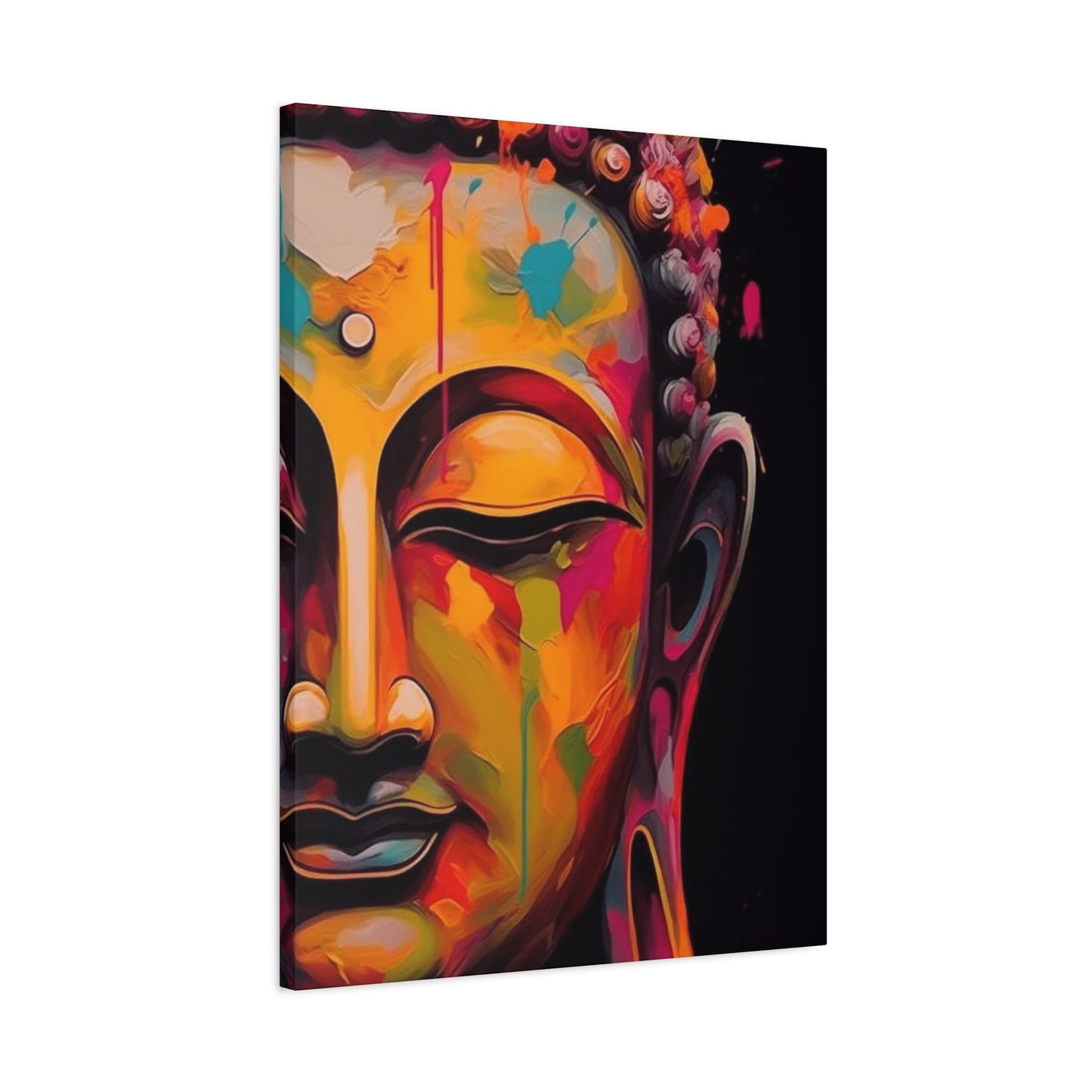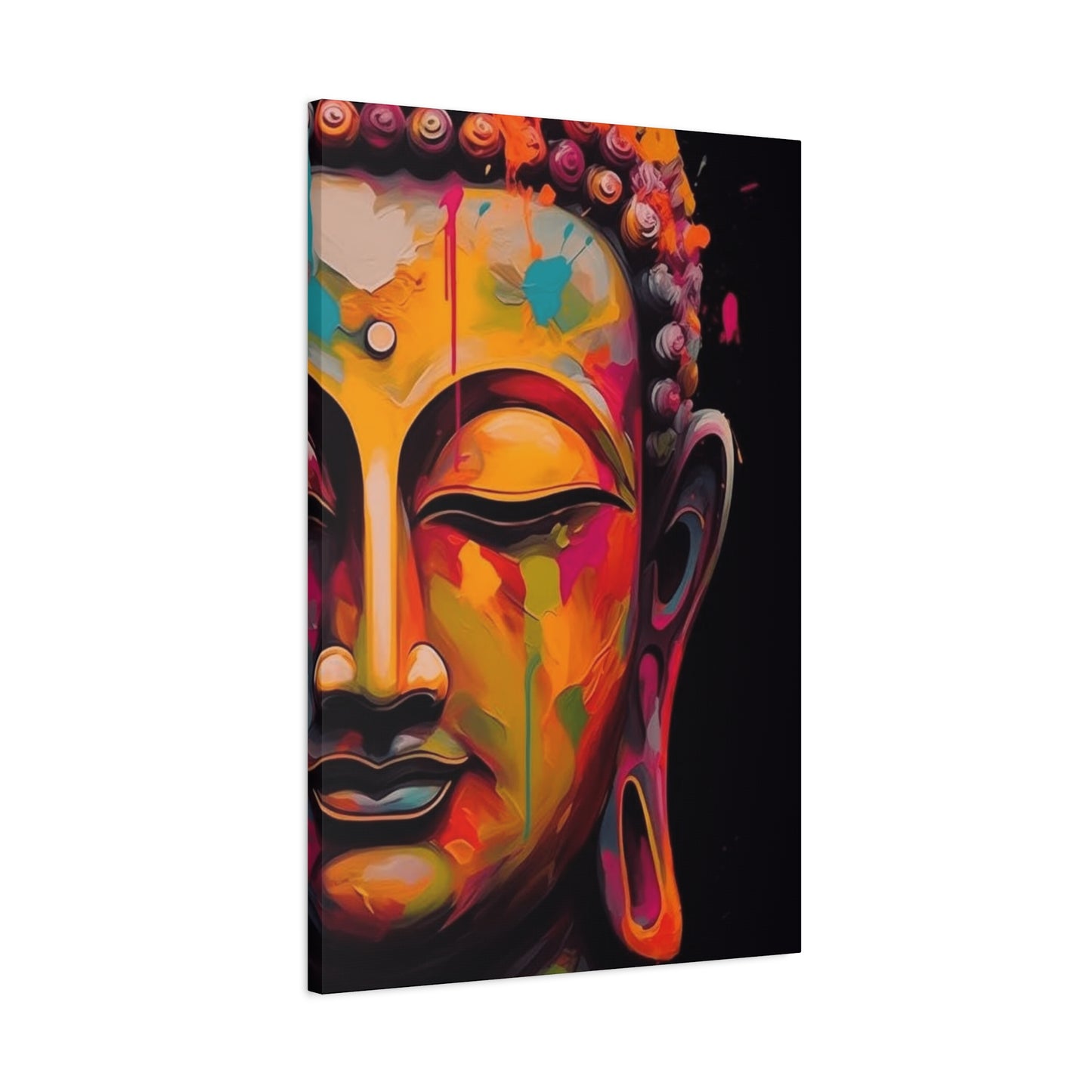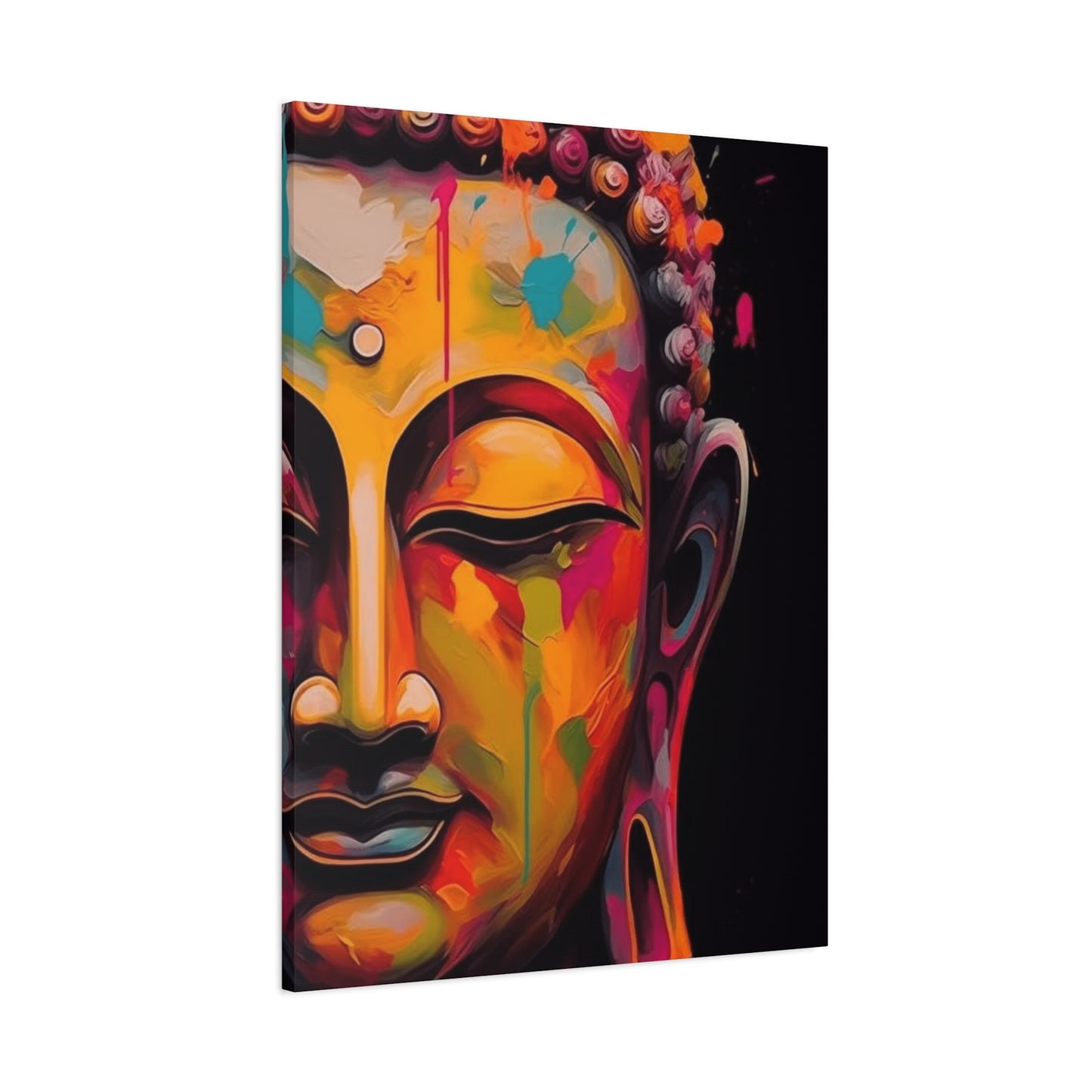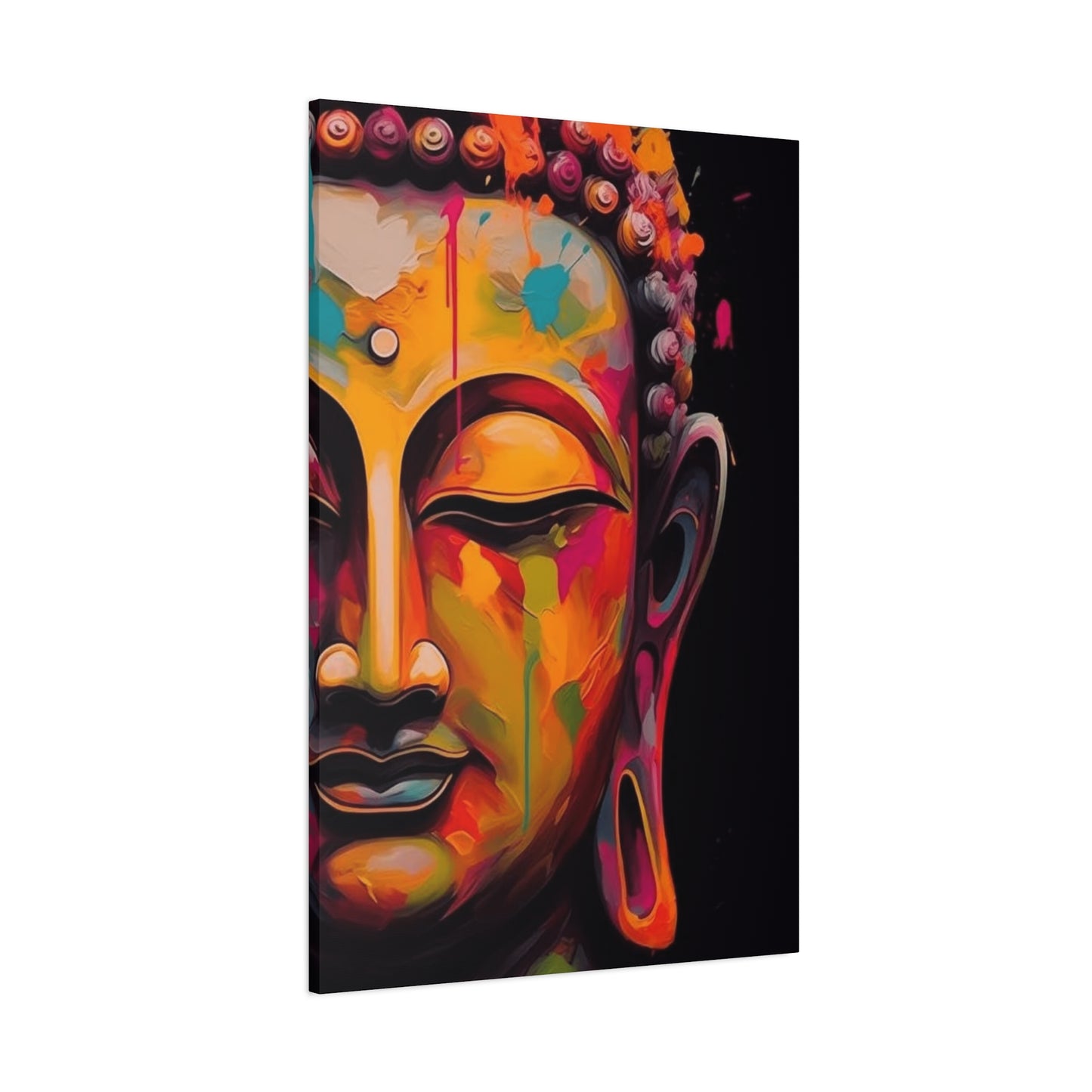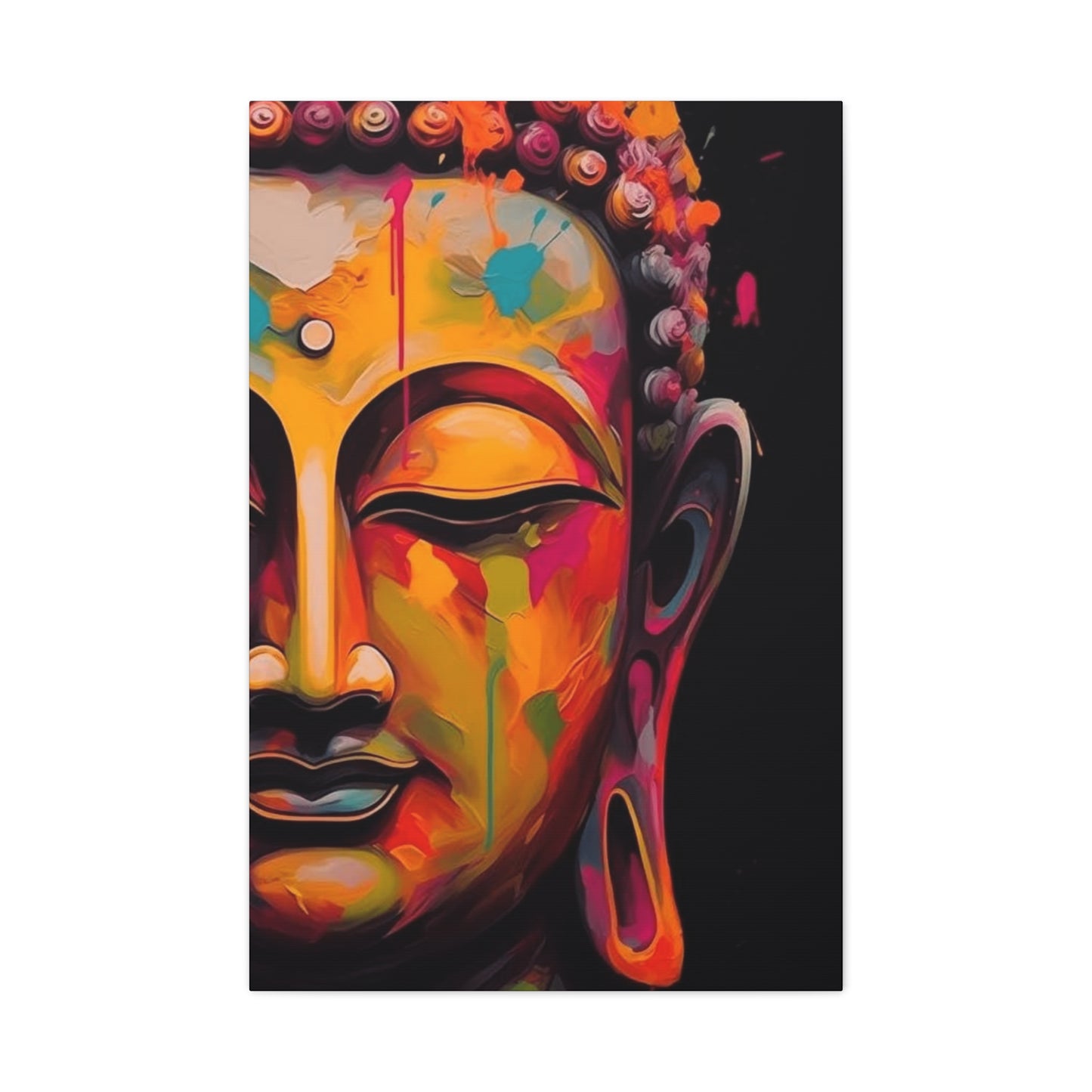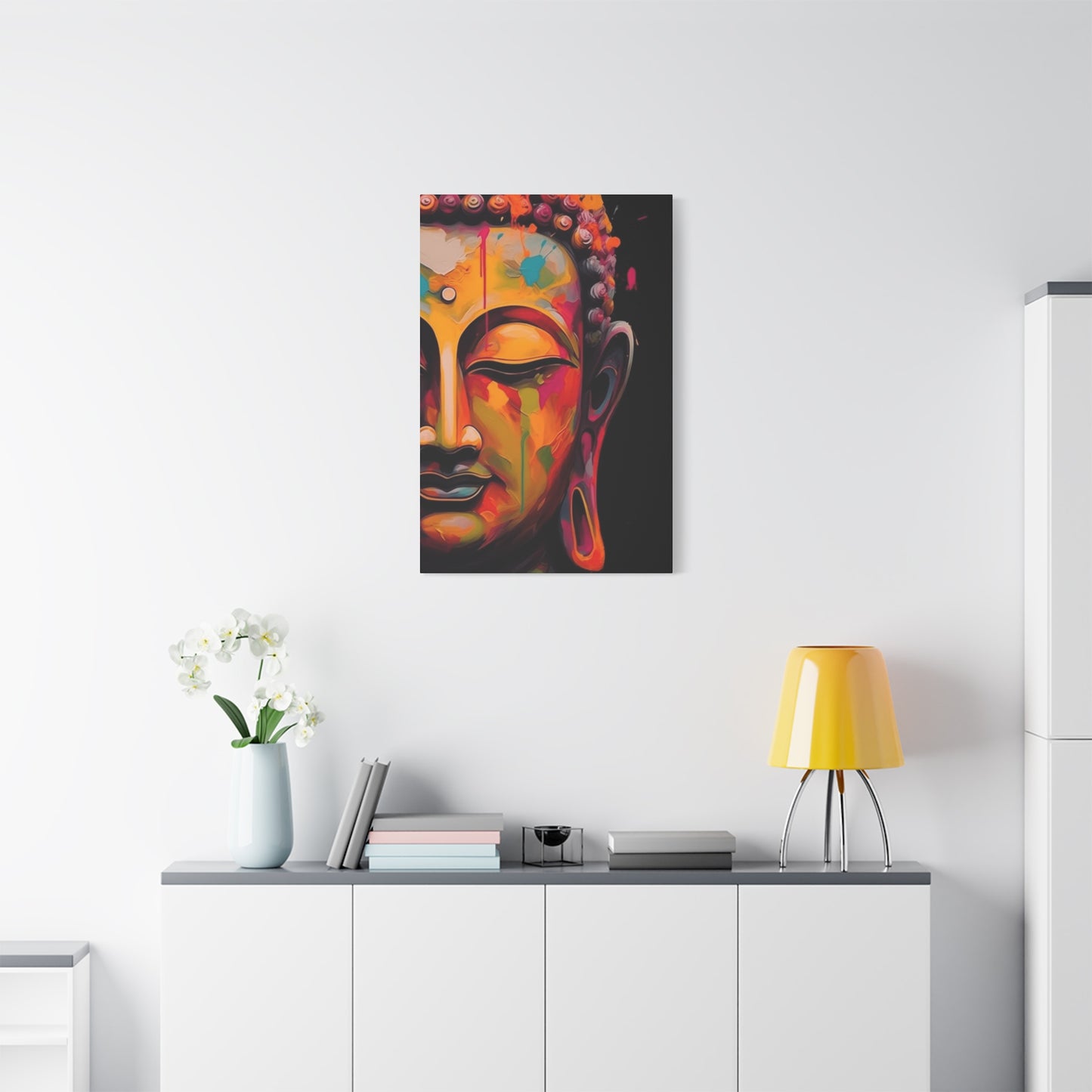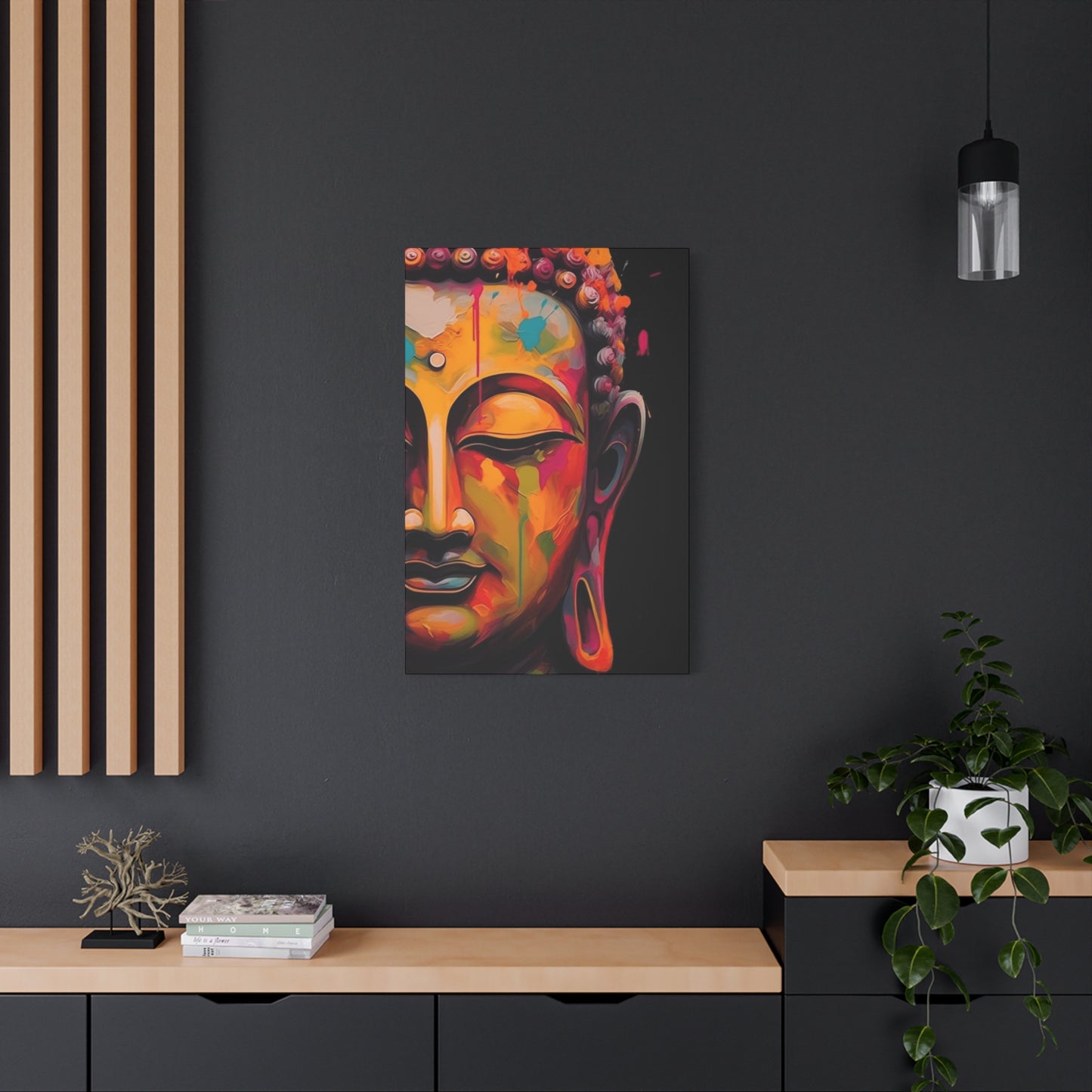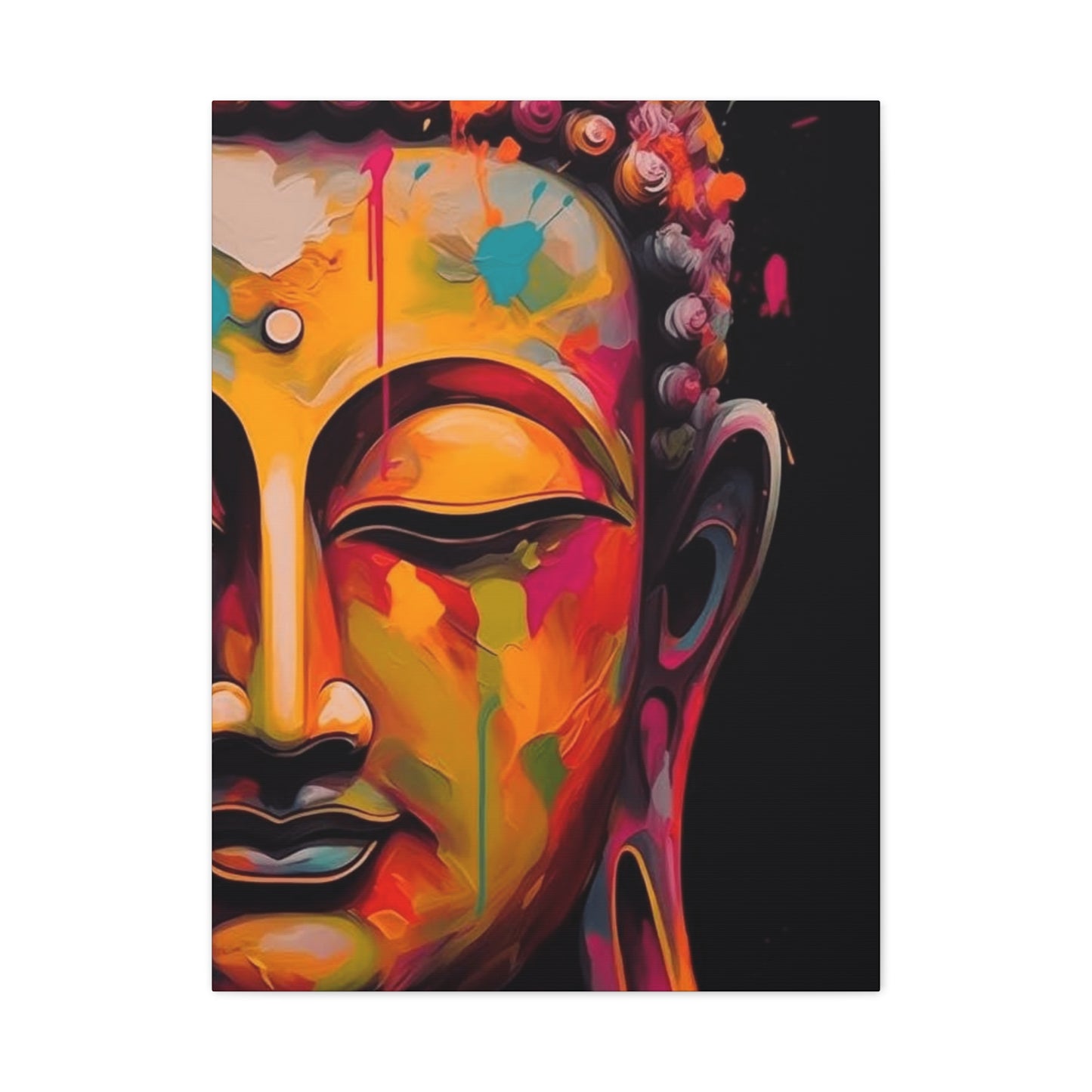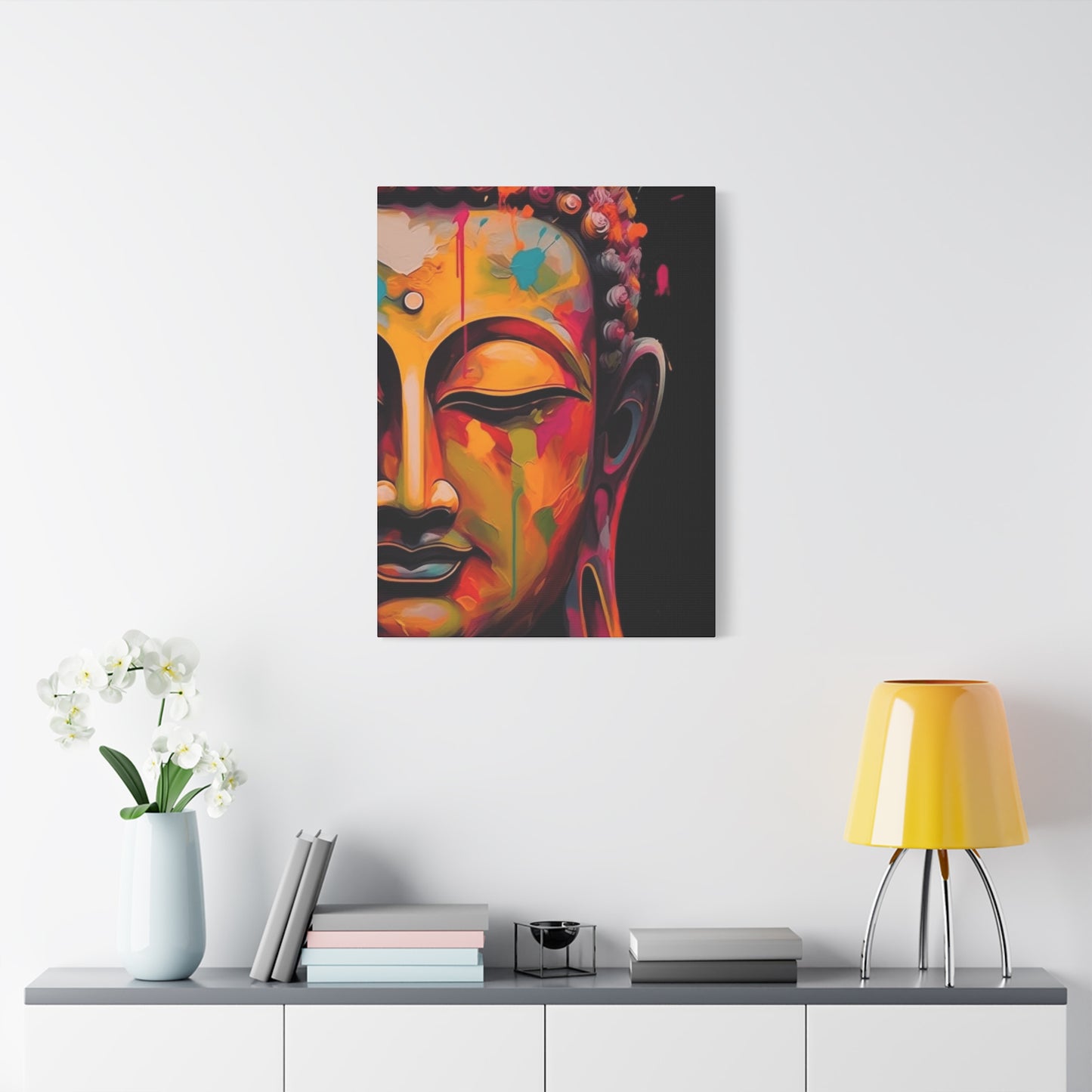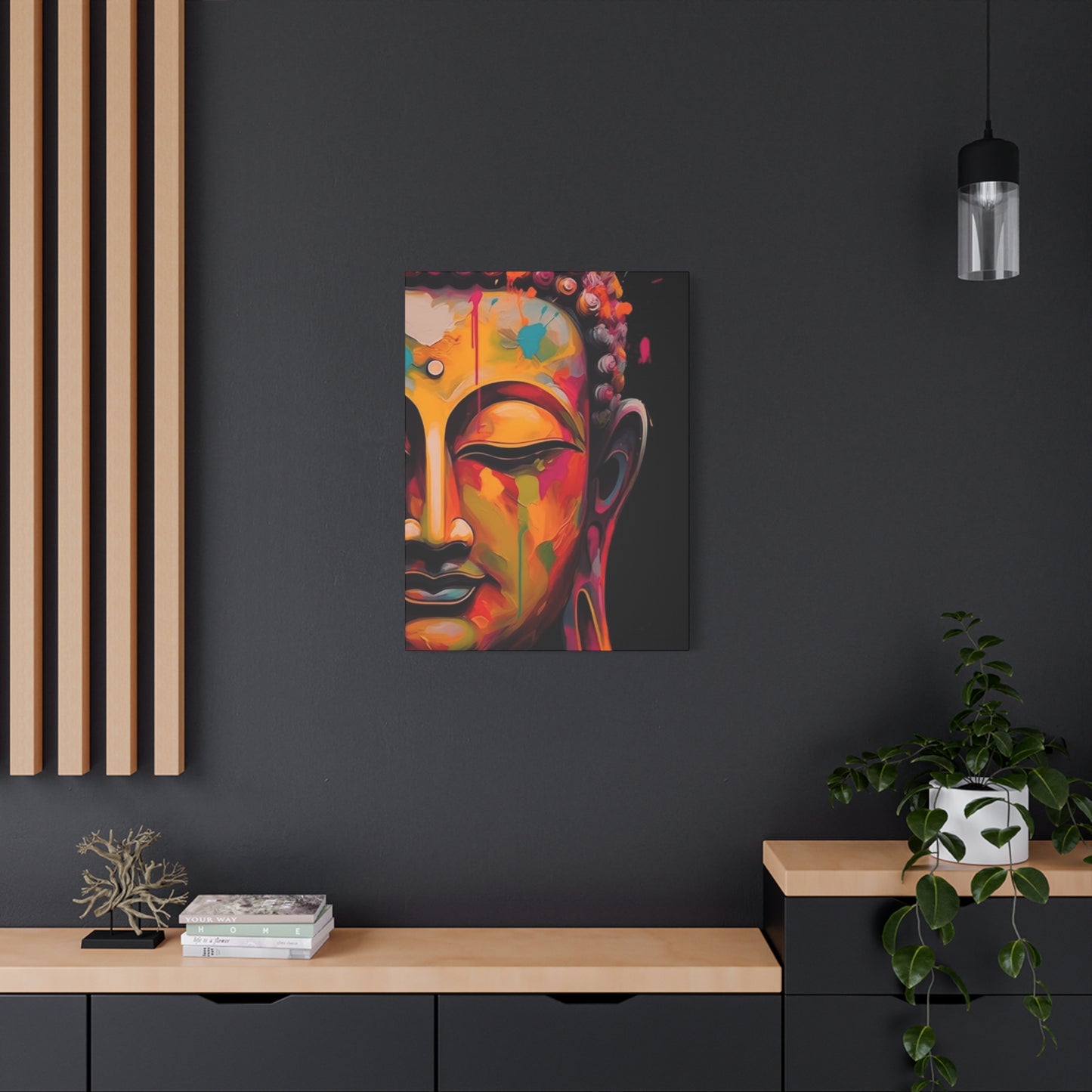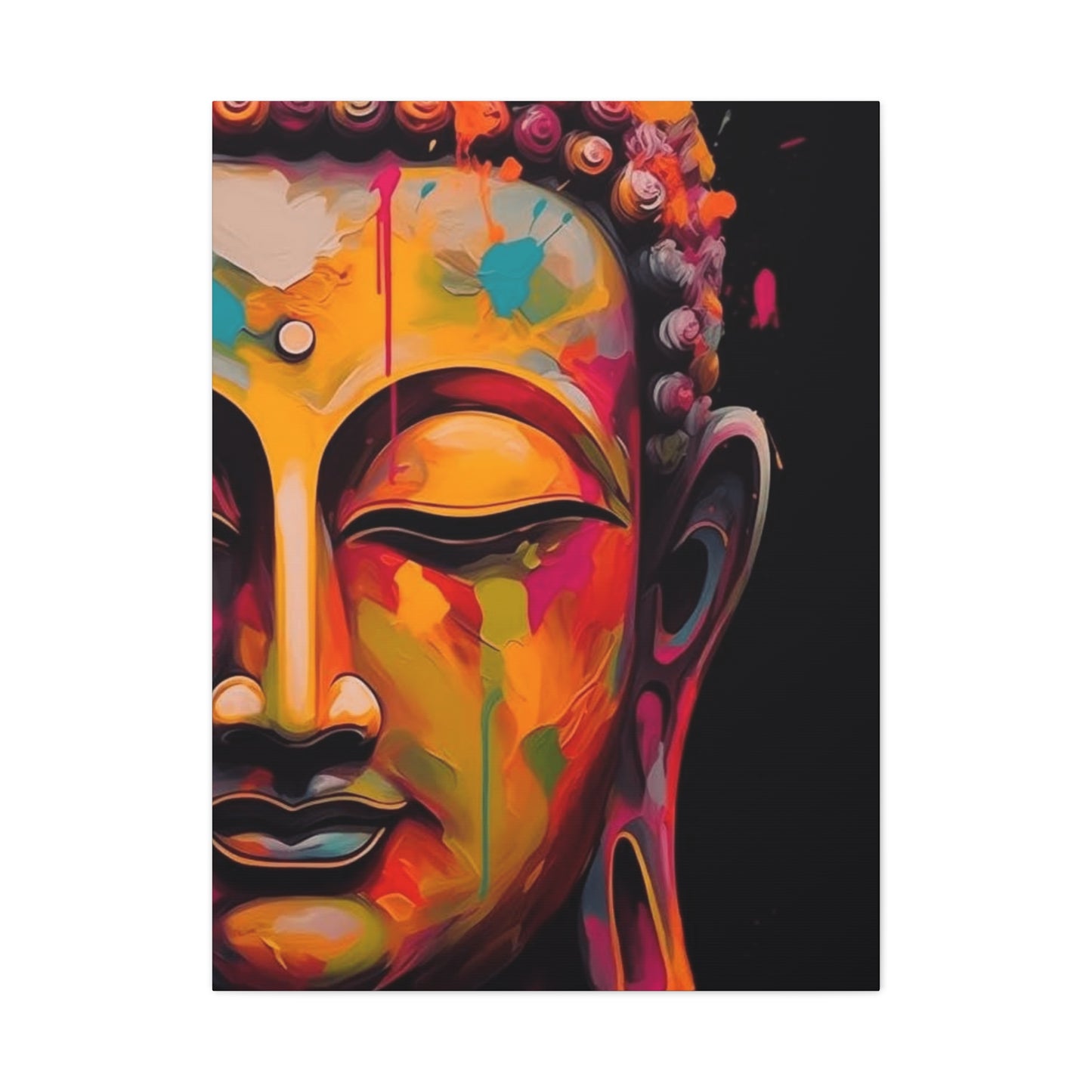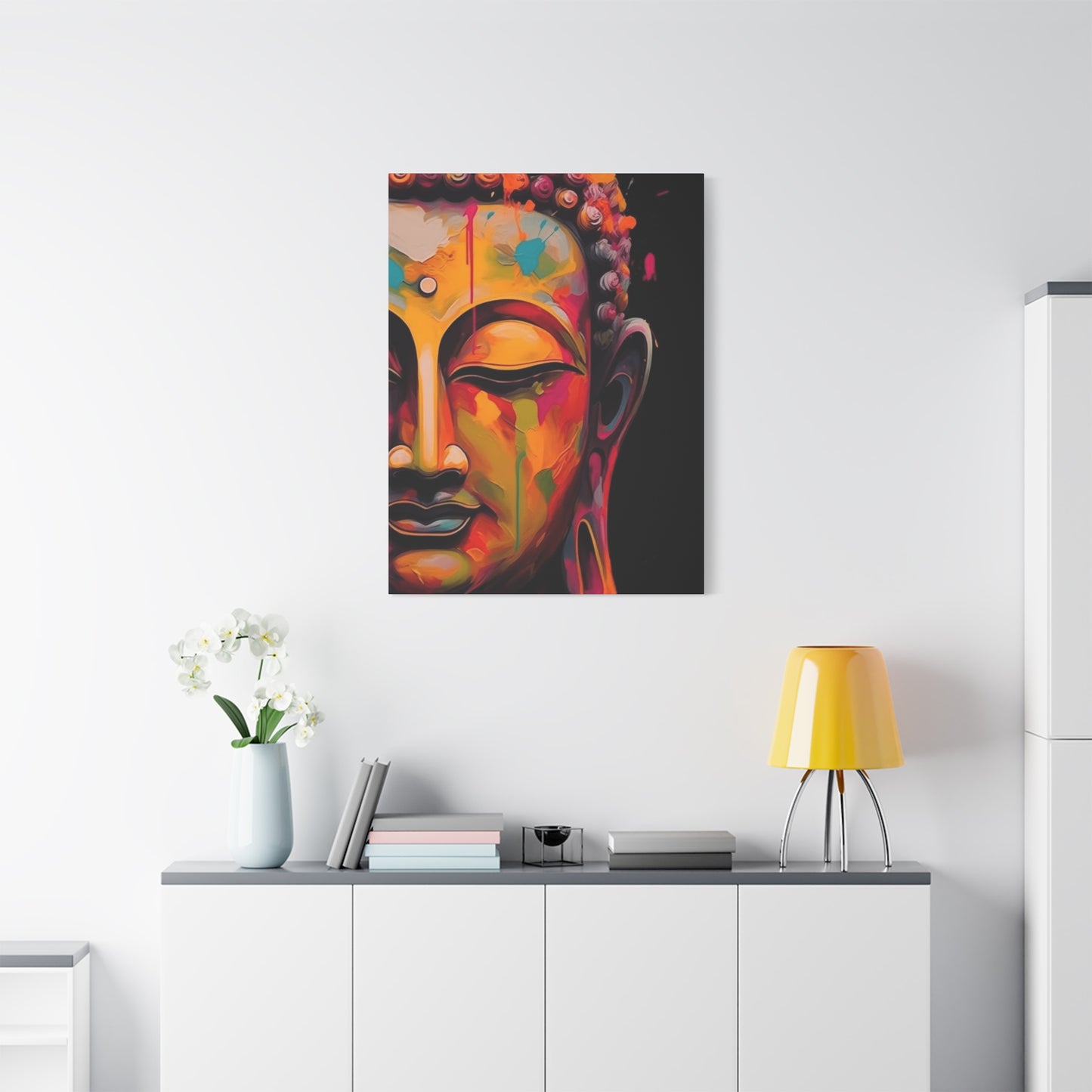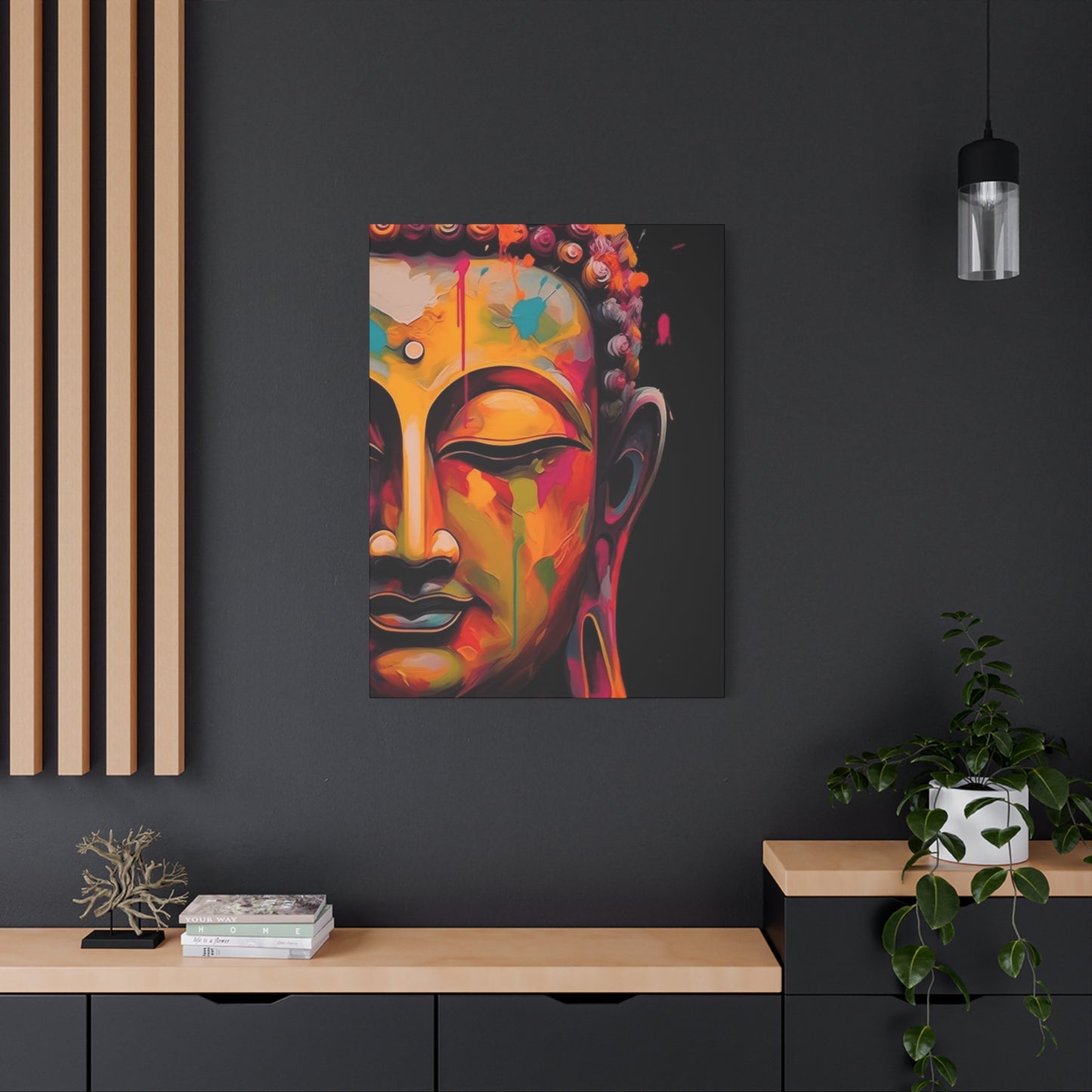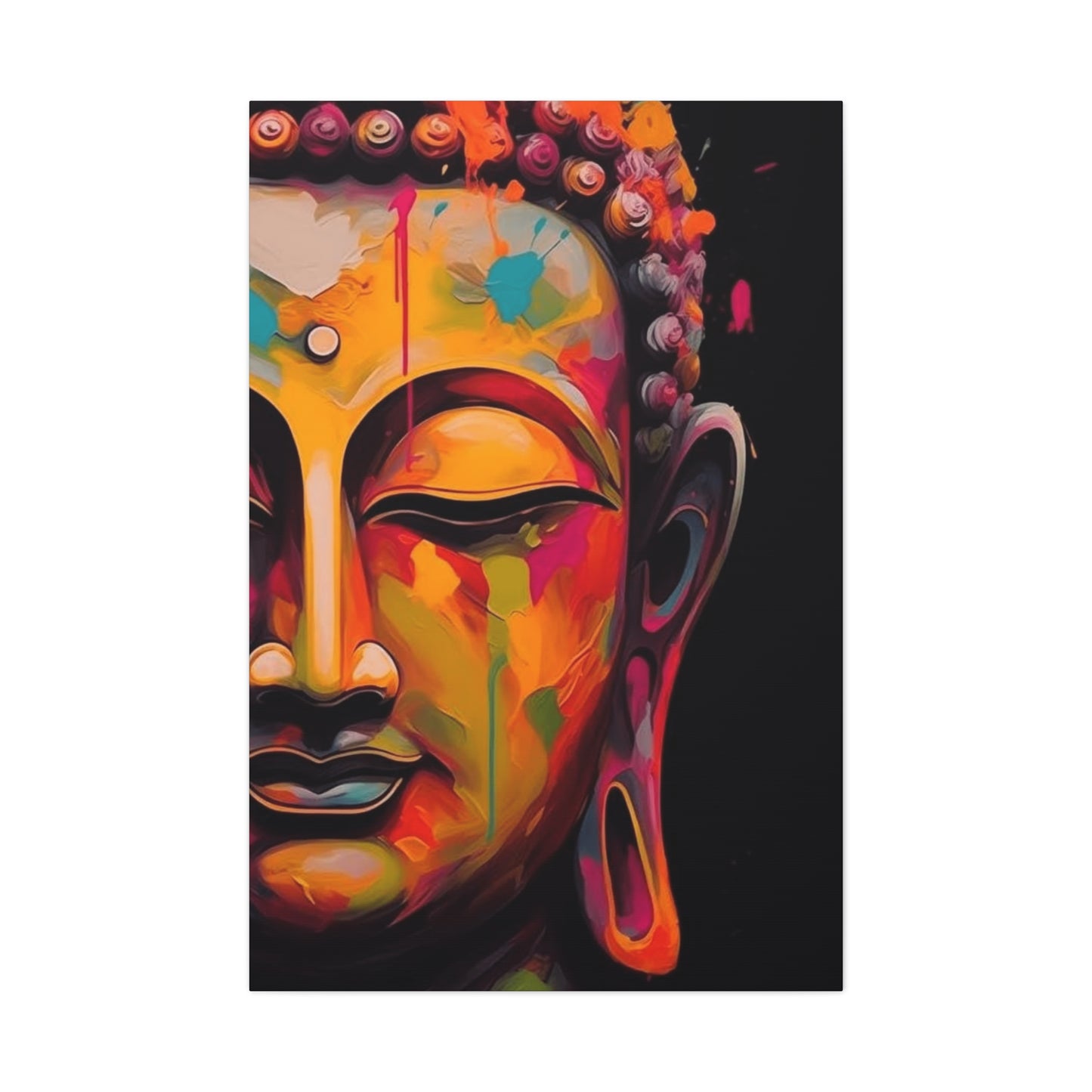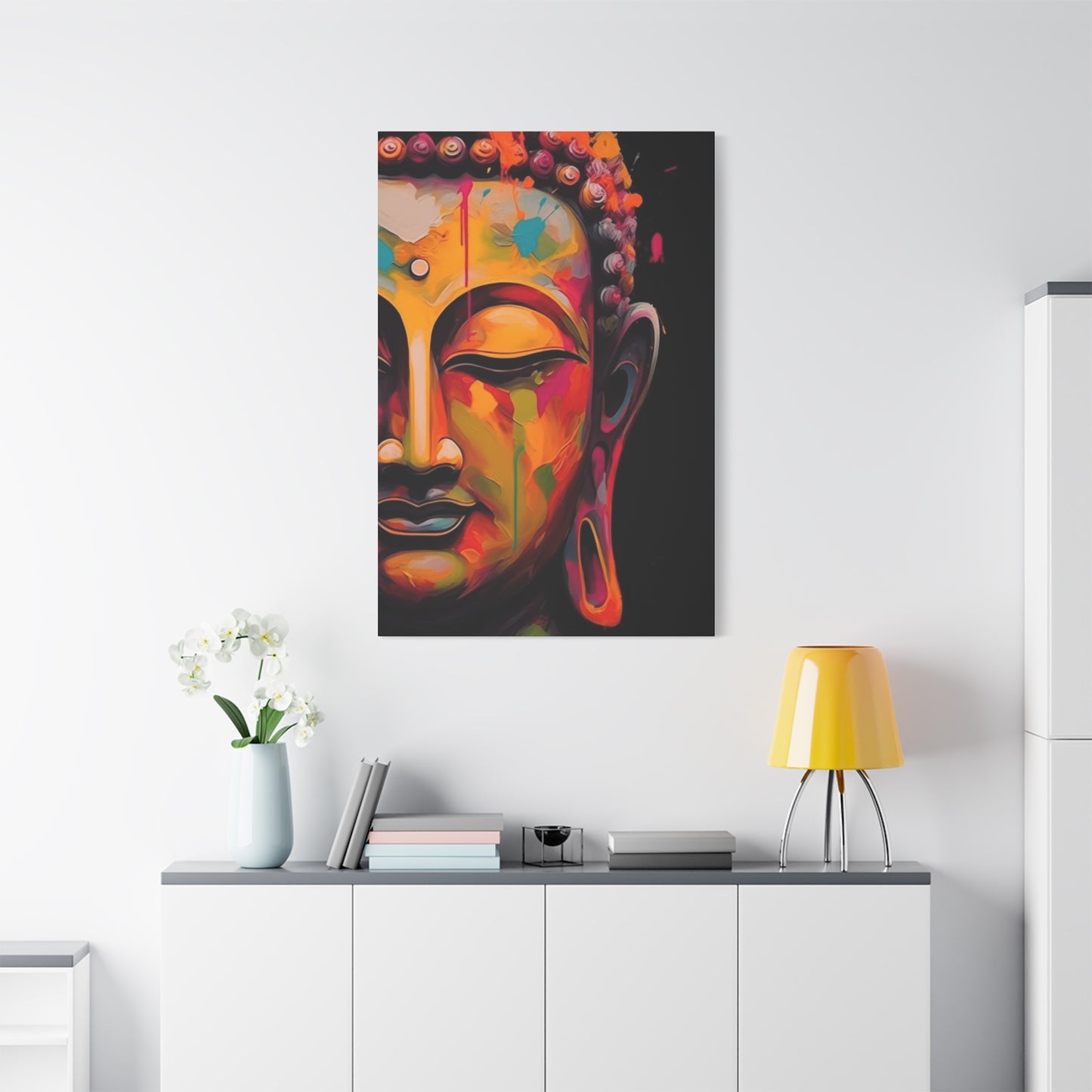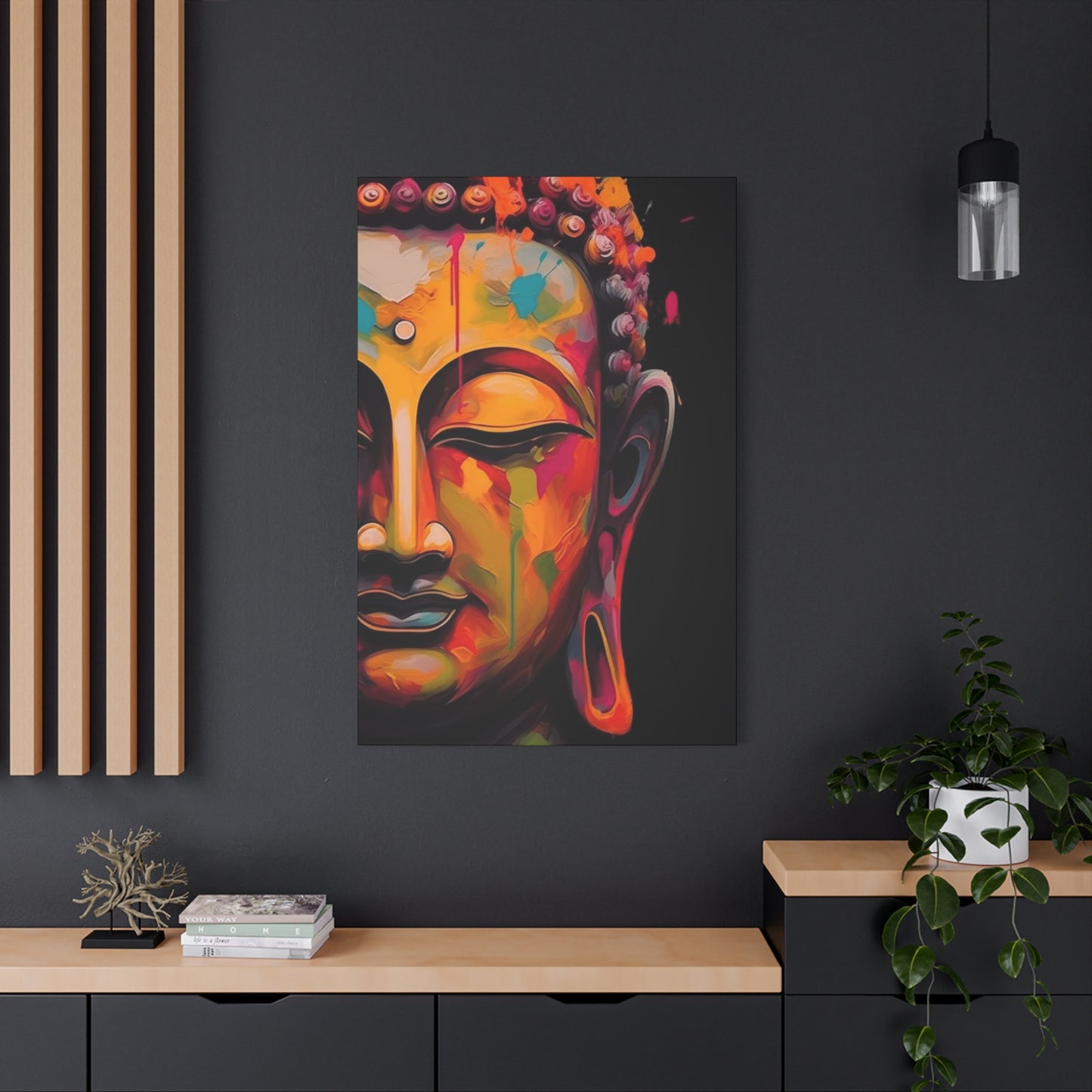


Abstract Buddha Meditation Wall Art & Canvas Prints
Abstract Buddha Meditation Wall Art & Canvas Prints
Couldn't load pickup availability
Discover the Tranquil Power of Abstract Buddha Meditation Wall Art for Your Sacred Space
Creating a sanctuary within your home begins with selecting pieces that resonate with your soul. Abstract Buddha meditation wall art represents more than decorative elements; these pieces serve as visual anchors for contemplation, spiritual practice, and inner peace. This comprehensive exploration delves into every aspect of choosing, displaying, and experiencing these transformative artworks that blend Eastern philosophy with contemporary aesthetic sensibilities.
Buddhist iconography carries millennia of wisdom, encoded in gestures, postures, and symbolic elements. When artists interpret these traditional motifs through abstract lenses, they create bridges between ancient spiritual teachings and modern consciousness. The Buddha figure itself embodies enlightenment, compassion, and the possibility of transcending suffering. Abstract interpretations amplify these themes by removing literal representations, allowing viewers to project their own spiritual journeys onto the canvas.
The mudras, or hand gestures depicted in Buddhist art, each communicate specific teachings. The Dhyana mudra represents meditation and concentration, with hands resting gently in the lap. The Abhaya mudra, showing an upraised palm, signifies protection and fearlessness. Abstract artists might deconstruct these gestures into geometric forms, flowing lines, or color fields that evoke the essence without literal depiction. This approach invites viewers to engage more actively with the artwork, discovering personal meaning within the abstraction.
Color palettes in abstract Buddha meditation wall art frequently draw from traditional Buddhist symbolism. Gold represents enlightenment and divine light, while blues evoke tranquility and healing. Earthy tones ground the viewer in present-moment awareness, and whites symbolize purity and spiritual cleansing. Contemporary artists might juxtapose unexpected color combinations, creating visual tension that mirrors the spiritual journey itself—a balance between comfort and challenge, tradition and innovation.
Materials That Bring Depth and Dimension to Sacred Artwork
The physical substance of artwork significantly impacts its energy and presence within a space. Canvas remains the most popular substrate for abstract Buddha meditation wall art, offering texture that adds depth to brush strokes and layered compositions. High-quality cotton or linen canvas provides durability while allowing paints to interact with the surface in nuanced ways. Stretched canvas creates a three-dimensional quality as the image wraps around edges, eliminating the need for framing and creating a modern, gallery-worthy presentation.
Metal prints have surged in popularity for their luminous quality and contemporary edge. When images are infused directly onto aluminum surfaces, colors achieve unprecedented vibrancy and depth. This medium particularly enhances abstract compositions with bold contrasts and metallic accents. The reflective surface catches light dynamically throughout the day, creating an ever-changing visual experience that mirrors the Buddhist teaching of impermanence. Metal prints also offer exceptional longevity, resisting fading and damage far better than traditional mediums.
Acrylic panels present another compelling option, offering glass-like clarity with superior shatter resistance. Printing behind acrylic creates stunning depth, as if the image floats within the material itself. This three-dimensional quality particularly suits abstract compositions with layered elements or gradient transitions. The glossy finish intensifies colors while protecting the artwork from environmental factors. Acrylic pieces make particularly striking focal points in minimalist spaces where their modern aesthetic complements clean architectural lines.
Wood substrates bring organic warmth that resonates with Buddhist philosophy's emphasis on natural harmony. Printing or painting on birch panels, reclaimed barn wood, or bamboo creates rustic elegance. The wood grain often remains visible beneath the image, adding textural interest that connects viewers to nature. This material choice particularly suits spaces decorated with natural elements like stone, plants, and organic textiles. Wood also offers excellent stability, resisting warping and maintaining criability across varying humidity levels.
Compositional Approaches in Abstract Spiritual Artwork
Minimalist compositions strip Buddhist imagery to essential elements, creating powerful statements through restraint. A single brushstroke suggesting a meditation posture, or negative space forming the outline of a contemplative figure, demonstrates how less can communicate more. These sparse compositions invite extended viewing, rewarding patient observers who discover subtle details and relationships within the simplicity. Minimalist abstract Buddha meditation wall art particularly suits contemporary interiors where visual calm takes precedence.
Maximalist approaches layer symbols, textures, and colors into rich visual tapestries that reward repeated viewing. These complex compositions might incorporate lotus flowers, dharma wheels, endless knots, and other Buddhist symbols woven into abstract frameworks. The density of elements mirrors the complexity of consciousness itself, suggesting the multifaceted nature of spiritual awakening. Viewing such pieces becomes a meditative practice, as the eye travels across the surface discovering new relationships and meanings.
Geometric abstraction employs precise shapes and mathematical relationships to evoke spiritual concepts. Mandalas, with their radial symmetry and intricate patterns, naturally lend themselves to geometric interpretation. Abstract artists might deconstruct traditional mandala forms into contemporary compositions using circles, triangles, and lines that suggest sacred geometry without literal representation. These pieces appeal to viewers who appreciate the intersection of spirituality and rationality, finding meaning in mathematical harmony.
Fluid abstraction captures the flowing, organic quality of consciousness and breath. Watercolor-like washes, flowing acrylics, or digital gradients create compositions that seem to shift and breathe. This approach mirrors meditation itself—the flowing, changing nature of thoughts and sensations. Such pieces often feature soft edges and transitional color zones that guide the eye gently across the surface, creating visual rhythms that calm the nervous system and encourage present-moment awareness.
Size Considerations for Maximum Impact and Harmony
Monumental pieces commanding entire walls create immersive experiences that transform rooms into sanctuaries. Large-scale abstract Buddha meditation wall art measuring six feet or more across demands attention while providing sufficient visual space for detailed abstract compositions to reveal themselves. These statement pieces work magnificently in spacious living areas, yoga studios, meditation halls, or commercial wellness centers where they establish the energetic tone for the entire environment.
When selecting oversized artwork, consider viewing distance. Pieces intended for smaller rooms should feature simpler compositions that read clearly even when viewed from close proximity. Conversely, artwork designed for large spaces can incorporate greater detail and complexity, as viewers will typically observe from distances where intricate elements coalesce into cohesive compositions. The interplay between viewing distance and compositional complexity creates dynamic viewing experiences as people move through spaces.
Medium-sized pieces ranging from two to four feet offer versatility, working beautifully as focal points above furniture or as components in gallery wall arrangements. These dimensions suit most residential settings, providing substantial visual presence without overwhelming rooms. Multiple medium-sized pieces can create powerful installations when arranged thoughtfully, perhaps showing progression through meditation stages or exploring variations on a central theme. This approach allows collectors to curate personalized narratives that evolve over time.
Intimate smaller pieces measuring under two feet excel in personal spaces like home offices, bedrooms, or meditation corners. These contemplative works invite close viewing and personal connection. Their modest scale makes them accessible to collectors with limited wall space or budget constraints, while still providing the spiritual benefits of living with meaningful artwork. Small pieces also travel easily, allowing practitioners to maintain visual reminders of their spiritual commitments across different locations.
Placement Strategies That Enhance Energy Flow
The ancient practice of vastu shastra, India's traditional architectural science, offers guidance for artwork placement that promotes positive energy flow. According to these principles, the northeast direction governs spiritual growth and meditation, making it an ideal location for abstract Buddha meditation wall art. Placing contemplative artwork in this sector of your home or room enhances meditative practices and spiritual development. The northeast corner, often called the "isan" corner, should remain relatively uncluttered to allow energy circulation.
Height significantly impacts how viewers experience artwork. Hanging pieces at eye level creates intimate connection, placing the Buddha figure at a respectful elevation that facilitates meditation. In spaces where people primarily sit—meditation rooms, therapy offices, or reading nooks—lower placement positions the artwork at eye level for seated viewers. Conversely, pieces intended as architectural elements in pass-through spaces can hang higher, drawing the eye upward and expanding the sense of vertical space.
Creating dedicated meditation walls concentrates spiritual energy in one location. This approach involves selecting a wall visible from your primary meditation position and adorning it exclusively with contemplative artwork and minimal decoration. The focused visual field reduces distractions, supporting concentration during practice. Consider lighting this wall with adjustable fixtures that allow dimming for evening meditation sessions. The singular focus of a meditation wall creates a powerful visual anchor for daily practice.
Gallery walls incorporating abstract Buddha meditation wall art alongside complementary pieces create dynamic visual narratives. Mix different sizes, frame styles, and related themes to build compositions that guide the eye in deliberate patterns. Balance abstract Buddha imagery with nature photography, sacred geometry, or inspirational calligraphy to create eclectic yet cohesive displays. This approach particularly suits practitioners who appreciate variety and want their walls to reflect the multifaceted nature of spiritual life.
Color Psychology and Its Influence on Meditative States
Chromatic choices profoundly affect emotional and psychological states, making color selection crucial when choosing abstract Buddha meditation wall art. Deep indigos and navy blues activate the third eye chakra, associated with intuition and inner wisdom. These contemplative hues create atmospheric depth while promoting introspective states ideal for meditation. Blues also reduce blood pressure and heart rate, physiologically supporting relaxation. Abstract compositions featuring blue dominance work exceptionally well in meditation spaces or bedrooms where restful energy prevails.
Warm golden and amber tones evoke enlightenment and divine consciousness within Buddhist iconography. These radiant hues stimulate without agitating, creating uplifting environments that combat depression and lethargy. Gold accents catch light beautifully, adding dynamic visual interest as illumination changes throughout the day. Abstract pieces incorporating metallic gold leaf or shimmering golden paints create luxury and sacredness, transforming ordinary rooms into special sanctuaries worthy of spiritual practice.
Earthy greens connect viewers to nature's healing presence, embodying the Buddhist teaching of interdependence with all living things. Green promotes balance and harmony while reducing stress and anxiety. Abstract compositions featuring varied green tones—from soft sage to deep forest—create layered depth that rewards contemplation. These pieces particularly suit practitioners who draw spiritual nourishment from natural environments, bringing outdoor serenity into interior spaces.
Achromatic palettes employing blacks, whites, and grays create sophisticated minimalism that emphasizes form over color. The absence of chromatic distraction focuses attention on compositional elements, line quality, and tonal relationships. Black-and-white abstract Buddha meditation wall art suits modern interiors with neutral color schemes, providing visual interest without competing with existing design elements. The high contrast inherent in achromatic work creates drama and focal emphasis, ensuring the artwork commands attention despite its restricted palette.
Polychromatic approaches incorporating multiple vivid hues create energizing environments that celebrate life's vibrancy. While seemingly contradictory to meditation's calm associations, colorful abstract spiritual artwork can inspire joyful contemplation and gratitude practices. Rainbow palettes might reference Tibetan prayer flags or mandala traditions where each color carries specific meaning. These exuberant pieces suit practitioners who embrace celebratory, devotional approaches to spirituality rather than austere minimalism.
Styles That Bridge Eastern Wisdom and Western Artistic Movements
Watercolor abstraction captures meditation's fluid, flowing qualities through translucent washes and soft color transitions. This delicate medium evokes impermanence and change, core Buddhist concepts. The unpredictable nature of watercolor—bleeding, blooming, and flowing beyond artistic control—mirrors the practice of accepting what arises during meditation without attachment. Abstract watercolor Buddha images often feature gentle gradients, misty atmospheres, and dreamlike qualities that encourage receptive, open awareness.
Cubist interpretations fragment and reconstruct Buddhist imagery, presenting multiple perspectives simultaneously. This modernist approach resonates with Buddhist teachings about the constructed nature of perception and reality's multifaceted character. Geometric planes and angular forms create dynamic tension while referencing Picasso and Braque's revolutionary vision. Contemporary artists applying cubist principles to spiritual subject matter create intellectually engaging pieces that reward analytical viewing while maintaining contemplative qualities.
Expressionist abstraction prioritizes emotional authenticity over literal representation, using bold gestures and intense colors to convey spiritual states. Vigorous brushwork and dramatic contrasts capture meditation's transformative power and the intense focus required for spiritual breakthrough. These pieces pulse with energy, suggesting the active nature of consciousness transformation rather than passive tranquility. Expressionist abstract Buddha meditation wall art appeals to practitioners who experience spiritual practice as dynamic engagement rather than peaceful withdrawal.
Impressionist approaches capture fleeting moments of awareness and perception's ephemeral nature. Soft focus, broken color, and emphasis on light effects create atmospheric pieces that suggest rather than define. This suggestive quality invites viewers to complete the image mentally, engaging imagination and personal interpretation. Impressionist abstraction works beautifully in spaces with abundant natural light, as the artwork seems to dissolve into and emerge from its luminous environment.
Surrealist elements introduce dreamlike impossibilities and unexpected juxtapositions that challenge rational mind and encourage intuitive knowing. Floating Buddha figures, melting landscapes, or impossible spatial relationships create visual koans—puzzles that defeat logical analysis and require alternative modes of understanding. Surrealist abstract spiritual artwork suits practitioners who appreciate mystery, paradox, and the limitations of rational thought in accessing spiritual truths.
Framing Options That Complement Without Overwhelming
Float frames create subtle shadows between artwork and frame, generating three-dimensional depth that enhances presence. This contemporary framing approach works exceptionally well with canvas prints and panels, allowing the image to appear suspended within the frame rather than pressed against it. The gap creates visual breathing room, preventing the frame from competing with the artwork. Float frames come in various depths and finishes, from sleek metals to natural woods, offering versatility across different interior styles.
Gallery wraps eliminate framing entirely by extending the image around canvas edges. This approach maximizes the artwork's visual impact while creating modern, streamlined presentations. Gallery-wrapped abstract Buddha meditation wall art can hang frameless for ultimate minimalism or receive floating frames when slight definition proves desirable. When selecting gallery-wrapped pieces, ensure the image composition accounts for edge wrapping—important elements should remain on the front-facing surface.
Shadow box frames provide significant depth, perfect for mixed-media pieces or artwork with textural elements. The substantial space between glazing and artwork creates dramatic shadows that change throughout the day as lighting shifts. This dynamic quality suits abstract pieces incorporating three-dimensional elements like raised paint, collage components, or attached objects. Shadow boxes protect delicate surfaces while creating museum-quality presentations that elevate artwork's perceived value.
Natural wood frames bring organic warmth that complements Buddhist philosophy's emphasis on natural harmony. Light woods like maple or ash create Scandinavian-inspired minimalism, while darker walnut or mahogany add richness and gravitas. Wood grain adds subtle pattern that enhances without distracting, creating harmonious relationships between frame and image. For maximum cohesion, consider matching frame wood to other wooden elements in the room like flooring, furniture, or architectural details.
Metal frames offer industrial elegance that suits contemporary and minimalist interiors. Thin metal profiles in black, silver, gold, or bronze create crisp boundaries that define artwork without visual weight. These frames particularly complement abstract compositions with geometric elements or metallic accents within the image itself. The reflective quality of metal frames catches light similarly to metal print surfaces, creating unified presentations when these elements combine.
Lighting Designs That Reveal Artwork's Full Potential
Picture lights mounted directly above artwork provide focused illumination that creates dramatic effects while protecting pieces from ambient light damage. These fixtures direct light downward at optimal angles, preventing glare while highlighting surface textures and color nuances. LED picture lights offer adjustable color temperatures, allowing customization from warm golden glows to cool daylight tones. Battery-operated wireless options eliminate installation complexity, making professional-quality lighting accessible even for renters.
Track lighting systems provide flexibility, allowing adjustment as artwork changes or rooms reconfigure. Multiple adjustable heads let you illuminate several pieces or focus combined wattage on a single statement work. Modern LED track systems offer dimming capabilities and color temperature control, enabling customized lighting scenarios for different times of day or moods. The linear nature of track lighting complements gallery walls or arrangements of multiple pieces along single walls.
Recessed ceiling spotlights create museum-quality drama while maintaining architectural cleanliness. When positioned correctly, these fixtures wash walls with even illumination or create focused beams that spotlight specific artworks. Adjustable recessed fixtures with gimbal mechanisms allow precise aiming even after installation. For abstract Buddha meditation wall art, consider narrower beam spreads that concentrate light on the piece itself while allowing surrounding areas to recede into relative shadow, creating focal emphasis.
Natural light offers constantly changing illumination that brings artwork alive throughout the day. However, direct sunlight causes fading and damage, particularly to works on paper or canvas. Position abstract Buddha meditation wall art perpendicular to windows rather than directly opposite them to receive reflected daylight without direct sun exposure. Sheer curtains or UV-filtering window films protect while allowing luminous ambient light. The changing quality of natural light throughout the day creates dynamic viewing experiences as colors shift in response to varying illumination.
Accent lighting incorporated into shelving or architectural niches creates sophisticated presentations that integrate artwork into architectural features. LED strip lighting behind floating shelves creates glowing backdrops that silhouette objects while washing walls with ambient light. This indirect illumination suits meditative environments where harsh brightness would disrupt tranquil atmospheres. Color-changing LED strips allow complete customization, enabling different lighting schemes for various practices or times of day.
Creating Multi-Panel Installations for Expanded Visual Impact
Triptych arrangements divide compositions across three panels, creating unified yet segmented presentations. This classical format suits narrative progressions showing meditation stages or spiritual transformation. The panels might connect directly or separate with small gaps that allow wall color to become compositional element. Triptych abstract Buddha meditation wall art creates substantial presence without the weight or cost of single large pieces, while offering flexibility for arrangements across different wall dimensions.
Polyptych installations extend beyond three panels to create expansive visual experiences. Five, seven, or even more panels can span entire walls, transforming rooms into immersive environments. These ambitious installations work magnificently in large spaces like yoga studios, wellness centers, or spacious living areas where they establish overwhelming presence. The segmented nature allows easier transport and installation than equivalent single pieces while creating dynamic visual rhythms as the eye travels across multiple surfaces.
Vertical stacking creates columnar presentations that draw the eye upward, enhancing ceiling height perception. This approach suits narrow wall spaces or areas between windows where horizontal expansion proves impossible. Vertically arranged panels might show progression from earthly to celestial realms, grounding to enlightenment, or simply explore color gradients from dark to light. The upward movement created by vertical arrangements naturally lifts consciousness and aspirations.
Asymmetric arrangements of varied panel sizes create contemporary dynamism that breaks traditional compositional rules. Mixing square and rectangular panels, or positioning elements off-center, generates visual tension and interest. This approach suits practitioners who appreciate unconventional aesthetics and want their spiritual artwork to reflect creative independence. Asymmetric installations require careful planning to achieve balance without symmetry—using color repetition, directional elements, or strategic spacing to create cohesion within apparent chaos.
Scattered constellation arrangements distribute multiple individual pieces across expansive walls at irregular intervals. Rather than tight groupings, this approach allows each work breathing room while creating overall unity through repeated themes, colors, or styles. Constellation arrangements suit collectors who accumulate pieces gradually, allowing existing groupings to expand organically as new acquisitions join. The irregular spacing creates relaxed, collected-over-time aesthetics rather than overly designed formality.
Enhancing Practice Spaces Beyond Visual Elements
Aromatic dimensions significantly impact meditative environments. Pairing abstract Buddha meditation wall art with complementary scents creates multi-sensory sanctuaries. Sandalwood incense evokes traditional temple atmospheres while offering grounding, centering properties. Lavender promotes relaxation and stress reduction, supporting unwinding processes before meditation. Frankincense carries spiritual associations across multiple traditions while offering anxiety-reducing aromatherapy benefits. Avoid overwhelming fragrances that distract rather than support practice—subtle background scents work best.
Acoustic considerations dramatically affect meditation space quality. Soft materials like rugs, curtains, and upholstered furniture absorb sound, preventing echoes that disturb concentration. Consider incorporating water features producing gentle babbling sounds that mask distracting environmental noise while providing focus anchors. Tibetan singing bowls, positioned where their vibrations won't damage artwork, add sonic depth to spaces. Some practitioners incorporate sound systems playing binaural beats, nature sounds, or ambient music that supports rather than dominates consciousness.
Textural variety creates sensory richness that grounds practitioners in embodied presence. Combining the smooth surface of abstract Buddha meditation wall art with rough stone, soft textiles, and organic wood creates tactile diversity. Floor cushions in varied fabrics invite comfortable seated postures, while throws add cozy warmth. Natural fiber rugs define meditation spaces within larger rooms while providing slight cushioning. The interplay of textures encourages present-moment sensory awareness—a fundamental meditation skill.
Air quality impacts both physical comfort and mental clarity during practice. Indoor plants like peace lilies, snake plants, or pothos purify air while adding living energy. These green companions complement abstract Buddha meditation wall art's visual beauty while providing tangible reminders of nature's presence. Ensure adequate ventilation or consider air purifiers for spaces where outdoor air circulation proves difficult. Fresh, clean air supports alertness and prevents the stuffiness that breeds mental dullness during extended sitting sessions.
Temperature control enables comfortable practice across seasons. Meditation generates less body heat than active movement, making practitioners vulnerable to cold discomfort. Ensure meditation spaces maintain comfortable warmth through adequate heating or portable electric options. Conversely, excessive heat promotes drowsiness—good ventilation and cooling options support alertness. Creating climate-controlled comfort allows practitioners to forget physical conditions and devote attention fully to inner processes.
Therapeutic Benefits of Living With Contemplative Artwork
Visual anchors significantly support regular meditation practice by providing focal points that signal mental shifting from daily activities to contemplative states. Returning to the same abstract Buddha meditation wall art before each session creates ritualistic consistency that deepens over time. The artwork becomes associated with the calm, centered states experienced during practice, eventually triggering those states simply through viewing. This Pavlovian conditioning makes establishing regular practice easier, as environmental cues automatically shift consciousness toward receptive states.
Stress reduction extends beyond formal meditation sessions when contemplative artwork surrounds daily life. Glimpsing peaceful imagery while moving through homes provides micro-breaks from mental chatter and rumination. These brief visual respites accumulate throughout days, reducing baseline stress levels and improving overall wellbeing. Even seconds of attention to meaningful artwork can interrupt stress cycles, allowing nervous system regulation before tension escalates into full-blown anxiety or overwhelm.
Identity reinforcement occurs as homes reflect values and aspirations. Surrounding yourself with abstract Buddha meditation wall art declares spiritual practice as central life priority, not peripheral hobby. This environmental declaration strengthens commitment during challenging periods when motivation wanes. The artwork serves as silent companion and witness, reflecting dedication back to practitioners and encouraging consistency. Public display also communicates values to guests, inviting conversations about spirituality and potentially inspiring others toward their own contemplative practices.
Aesthetic pleasure shouldn't be underestimated as legitimate spiritual benefit. Beauty uplifts consciousness, opening hearts and inspiring gratitude. Living with artwork you find genuinely beautiful creates daily joy that counterbalances life's inevitable difficulties and disappointments. Buddhist traditions often emphasize beauty's role in spiritual life—from elaborately decorated temples to intricate thangka paintings. Abstract Buddha meditation wall art continuing this tradition offers accessible beauty that enriches daily existence while supporting spiritual development.
Conversation catalysts emerge as guests notice and inquire about distinctive artwork. These interactions create opportunities for sharing spiritual journeys, discussing meditation practices, or simply appreciating aesthetic qualities together. Such conversations often prove surprisingly meaningful, revealing unexpected common ground with friends or acquaintances. The artwork gives permission for deeper dialogue beyond typical social superficiality, potentially nurturing relationships through shared interests in meaning, purpose, and inner life.
Collecting Strategies for Building Meaningful Assemblages
Thematic coherence creates powerful collections where individual pieces reinforce and dialogue with each other. You might collect works exploring a single mudra across different artistic interpretations, or gather pieces showing meditation's progression from struggle to ease to transcendence. Thematic focus helps guide acquisition decisions, preventing impulse purchases that don't integrate into existing collections. The conceptual framework also deepens personal engagement with artwork as you consider how new pieces relate to existing holdings.
Artist discovery proves rewarding as you identify creators whose vision resonates deeply with your sensibilities. Following specific artists allows witnessing stylistic evolution while supporting creative careers through purchases. Many artists offer newsletter subscriptions or social media follows that provide early access to new works, studio insights, and special pricing. Building relationships with living artists adds personal dimension to collecting, as you understand stories and intentions behind creations. Commission opportunities allow complete customization for truly unique pieces.
Budget-conscious collecting makes building substantial collections accessible across income levels. Quality prints offer affordability while maintaining visual impact—modern printing technologies produce museum-quality reproductions indistinguishable from originals at normal viewing distances. Consider purchasing smaller works by sought-after artists rather than large pieces by unknowns, building collections rich in artistic merit despite modest individual work sizes. Watch for sales, particularly during holidays when galleries and online marketplaces offer significant discounts.
Investment potential exists within spiritual art markets, though it shouldn't drive collecting decisions. Purchase what genuinely speaks to you rather than speculating on future value increases. That said, works by established artists often appreciate, particularly as their reputations grow. Limited edition prints signed and numbered by artists carry greater investment potential than unlimited reproductions. Proper documentation including certificates of authenticity and provenance records protects both emotional and financial investments.
Rotation strategies keep environments fresh while protecting artwork from continuous light exposure. Storing some pieces while displaying others allows regular refreshment without new purchases. This approach particularly suits collectors with more artwork than wall space—a common and delightful problem. Seasonal rotations might feature warming colors during cold months and cooling palettes in summer. Alternatively, rotate based on personal spiritual focus, displaying artwork that supports current practice emphases or needed reminders.
Cultural Respect and Authentic Engagement
Understanding Buddhist teachings enriches relationships with imagery derived from that tradition. Basic familiarity with Four Noble Truths, Eightfold Path, and meditation's role within Buddhist practice provides context that deepens appreciation. However, you needn't be Buddhist to respectfully engage with this visual tradition. Many find meaning in Buddhist philosophy without religious conversion, appreciating its practical wisdom and psychological insights. Abstract Buddha meditation wall art can support secular mindfulness practices, stress reduction, or simply aesthetic enjoyment.
Avoiding cultural appropriation requires thoughtful consideration of how we engage with traditions not originally our own. Appropriation occurs when dominant cultures extract elements from marginalized communities without understanding, respect, or reciprocity. To engage ethically with Buddhist imagery, educate yourself about its origins and meanings, purchase from sources that respect the tradition, and approach the imagery with reverence rather than casual consumerism. Support artists from Buddhist cultures when possible, ensuring cultural insiders benefit from their own traditions' popularization.
Diverse artistic voices enrich contemporary spiritual art worlds. Seek work by artists from various cultural backgrounds offering different perspectives on Buddhist themes. Asian artists often bring inherited cultural knowledge that Western practitioners lack, while Western artists may offer fresh interpretations unbound by traditional constraints. This diversity ensures the field remains dynamic, evolving, and relevant across global contexts. Supporting diverse creators also distributes economic benefits broadly rather than concentrating them narrowly.
Sacred versus decorative intentions exist on a spectrum rather than as binary opposition. Artwork can function simultaneously as aesthetic object and spiritual tool. This dual nature doesn't diminish either quality—beauty enhances spiritual power rather than detracting from it. However, maintaining awareness of sacred dimensions prevents purely consumerist engagement that treats profound symbols as mere decoration. Periodically reconnecting with artwork's deeper meanings through research or contemplation honors its sacred potential while enjoying aesthetic pleasures.
Personal resonance ultimately determines whether specific artwork serves your spiritual journey meaningfully. Trust intuitive responses when selecting pieces—if an image speaks powerfully to you, that communication matters regardless of whether you can articulate precisely why. Conversely, intellectually understanding an artwork's symbolism doesn't substitute for visceral connection. The heart's wisdom often surpasses the mind's comprehension. Purchase and display pieces that genuinely move you, creating authentic environments rather than curated performances of imagined spirituality.
Pairing Complementary Decorative Elements
Natural materials echo Buddhist philosophy's emphasis on harmony with nature. Stone elements like slate coasters, river rock collections, or small sculptural pieces complement abstract Buddha meditation wall art's visual presence. Wood furniture in similar tones to artwork creates cohesive aesthetics—light woods with paintings featuring cream and beige tones, dark woods with pieces incorporating charcoal and navy. Bamboo accessories reference Asian cultural origins while introducing renewable, sustainable materials into spaces.
Textile selections significantly impact overall atmosphere. Linen curtains filter light softly, creating gentle ambiance that complements contemplative artwork. Cotton or wool meditation cushions in coordinating colors extend visual palettes from walls into seating areas. Consider throw pillows featuring geometric patterns reminiscent of mandalas or simple solid colors that echo artwork hues. Natural fiber rugs like jute or sisal add organic texture while defining meditation areas within multipurpose rooms.
Minimalist furniture allows abstract Buddha meditation wall art to dominate visually without competition. Clean-lined pieces in neutral colors provide necessary functionality without calling attention to themselves. Low platform beds, simple wooden benches, or sleek modern sofas create backdrops that support rather than distract from artwork. This restraint creates calm environments conducive to meditation while allowing spiritual artwork to fulfill its role as primary visual focus.
Lighting fixtures can complement artwork stylistically while providing necessary illumination. Paper lanterns reference Asian design traditions while diffusing light softly and beautifully. Simple pendant lights with geometric shades echo abstract artwork's clean forms. Himalayan salt lamps add warm amber glows that create cozy atmospheres for evening meditation while their rough-hewn forms provide textural contrast to smooth artwork surfaces. Avoid ornate or fussy lighting that competes for attention.
Live plants bridge indoor and outdoor worlds while purifying air and adding living energy. The organic forms of houseplants create pleasing contrasts with artwork's structured compositions. Consider plants with spiritual associations like lotus-related varieties, peace lilies symbolizing purity, or money trees representing prosperity. Ceramic planters in coordinating colors extend visual cohesion while their varied shapes add three-dimensional interest to predominantly two-dimensional wall art.
Seasonal Adjustments That Refresh Without Replacing
Summer lightening involves swapping heavier textiles for airy alternatives and adjusting color palettes toward cooler tones. If your abstract Buddha meditation wall art features warm colors, balance with cooling textile accents in blues, greens, or crisp whites. Remove heavy curtains in favor of sheer panels that maximize natural light. Store away cozy throws and thick meditation cushion covers, replacing them with lightweight cotton or linen alternatives. These changes create fresh energy without artwork changes.
Autumn warming reverses summer's cooling, introducing richer colors and heavier textures as days shorten and temperatures drop. Layer throws in amber, rust, or deep burgundy near seating areas. Swap summer's sheer curtains for heavier fabrics that provide insulation and create cozier atmospheres. Add candles in warm scents like cinnamon or cedar. If artwork features cool palettes, warming textile accents prevent spaces from feeling cold. These seasonal adjustments maintain visual interest throughout years without requiring new purchases.
Winter coziness emphasizes comfort and warmth during challenging months. Additional layers in meditation areas—thick cushions, soft blankets, perhaps heated throws—create inviting nests that encourage practice despite cold weather. Warm lighting becomes crucial as natural light diminishes. Consider adding fairy lights or additional lamps that create ambient glow. If abstract Buddha meditation wall art features cool tones, abundant warm lighting prevents spaces from feeling stark or unwelcoming during long winter evenings.
Spring renewal brings opportunities for thorough cleaning and fresh perspectives. Remove and clean artwork according to its specific material needs. Dust frames carefully, check hanging hardware, and ensure pieces remain securely mounted. Refresh surrounding spaces with deep cleaning, perhaps rearranging furniture for new perspectives on familiar artworks. Spring's traditional association with renewal and new beginnings makes it ideal for reassessing collections, rotating stored pieces into display, or acquiring new works that reflect evolved interests.
Caring for Your Spiritual Artwork Investment
Dust accumulation dulls surfaces and damages certain materials over time. Regular gentle dusting with microfiber cloths prevents buildup while protecting delicate surfaces. For canvas works, use soft brushes designed for artwork cleaning, gently sweeping across surfaces without applying pressure. Never use liquid cleaners or compressed air directly on canvases, as both can cause damage. Glass or acrylic-glazed pieces accept gentle cleaning with appropriate glass cleaner applied to cloths rather than sprayed directly on surfaces.
Humidity control prevents warping, mold growth, and adhesive failure. Ideal relative humidity for artwork preservation ranges between forty and sixty percent. Monitor levels with inexpensive hygrometers, adjusting with humidifiers during dry winters or dehumidifiers during humid summers. Avoid hanging abstract Buddha meditation wall art in bathrooms where steam causes dramatic humidity spikes, or above heat sources that create excessive dryness. Consistent environmental conditions prevent expansion and contraction cycles that stress materials.
Ultraviolet protection prevents fading and deterioration. Direct sunlight contains harmful UV radiation that damages pigments, papers, and fabrics. Position artwork away from direct sun exposure, particularly during peak intensity hours. If sunny locations prove unavoidable, install UV-filtering window film or acrylic glazing with UV protection. Even indirect natural light causes gradual fading—pieces in bright rooms will age faster than those in dimmer spaces. For irreplaceable works, consider professional UV-protective framing.
Temperature stability prevents material stress from expansion and contraction. Rapid temperature changes or extreme heat cause warping, cracking, and adhesive failure. Maintain consistent temperatures between sixty-five and seventy-five degrees Fahrenheit. Avoid positioning artwork near heating vents, fireplaces, or air conditioning units that create localized temperature extremes. Proper climate control preserves both artwork and comfort for meditation practice.
Professional assessment proves worthwhile for valuable pieces or when visible damage appears. Conservators trained in artwork restoration can address issues like tears, discoloration, or structural problems. Seek professionals specializing in your artwork's specific medium—canvas restoration differs significantly from works on paper. Many conservators offer consultation services, examining pieces and recommending preventive measures before damage occurs. Consider professional assessment for pieces with significant financial or emotional value.
Conclusion
Finding the right artist begins with researching creators whose existing work resonates with your aesthetic sensibilities and spiritual approach. Browse online galleries, visit local art fairs, and explore social media platforms where artists showcase portfolios. Look for creators with demonstrated experience in abstract styles and spiritual themes. Review multiple pieces to ensure consistent quality and to understand their range. Contact artists whose vision aligns with yours to discuss commission possibilities.
Communicating your vision requires balancing clear direction with creative freedom. Provide inspiration images, color preferences, size requirements, and budget parameters. Share what meanings or feelings you hope the artwork will evoke. Discuss meditation practices or spiritual traditions particularly meaningful to you. However, avoid overly prescriptive instructions that constrain artistic expression—you're hiring artists for their unique vision and skills. The best commissions emerge from collaborative dialogue where your needs meet their creative insights.
Budget discussions should occur early, establishing realistic expectations for both parties. Custom artwork pricing reflects materials, time, skill level, and artist reputation. Original paintings command higher prices than prints, while larger pieces cost more than smaller works. Discuss payment schedules—many artists require deposits before beginning work, with remaining balances due upon completion. Get pricing in writing along with completion timelines, delivery methods, and what happens if you're unsatisfied with final results.
Revision processes vary by artist and should be clarified upfront. Some offer preliminary sketches for approval before proceeding to final execution. Others work more intuitively without preparatory stages. Discuss how many revision rounds are included and whether additional changes incur extra fees. Most artists accommodate reasonable requests during creation but resist major overhauls once substantial work is complete. Clear communication throughout prevents misunderstandings and ensures satisfaction.
Share