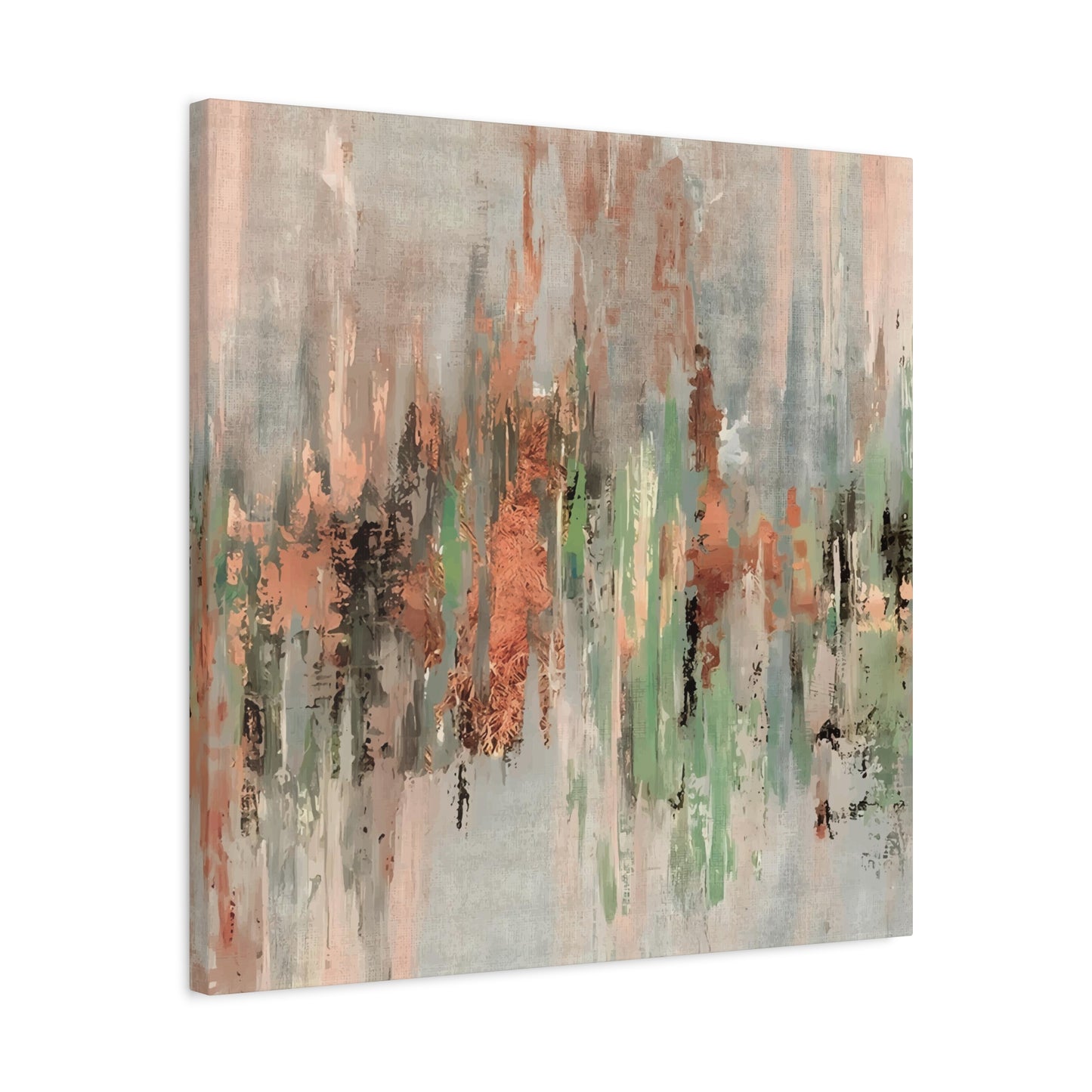
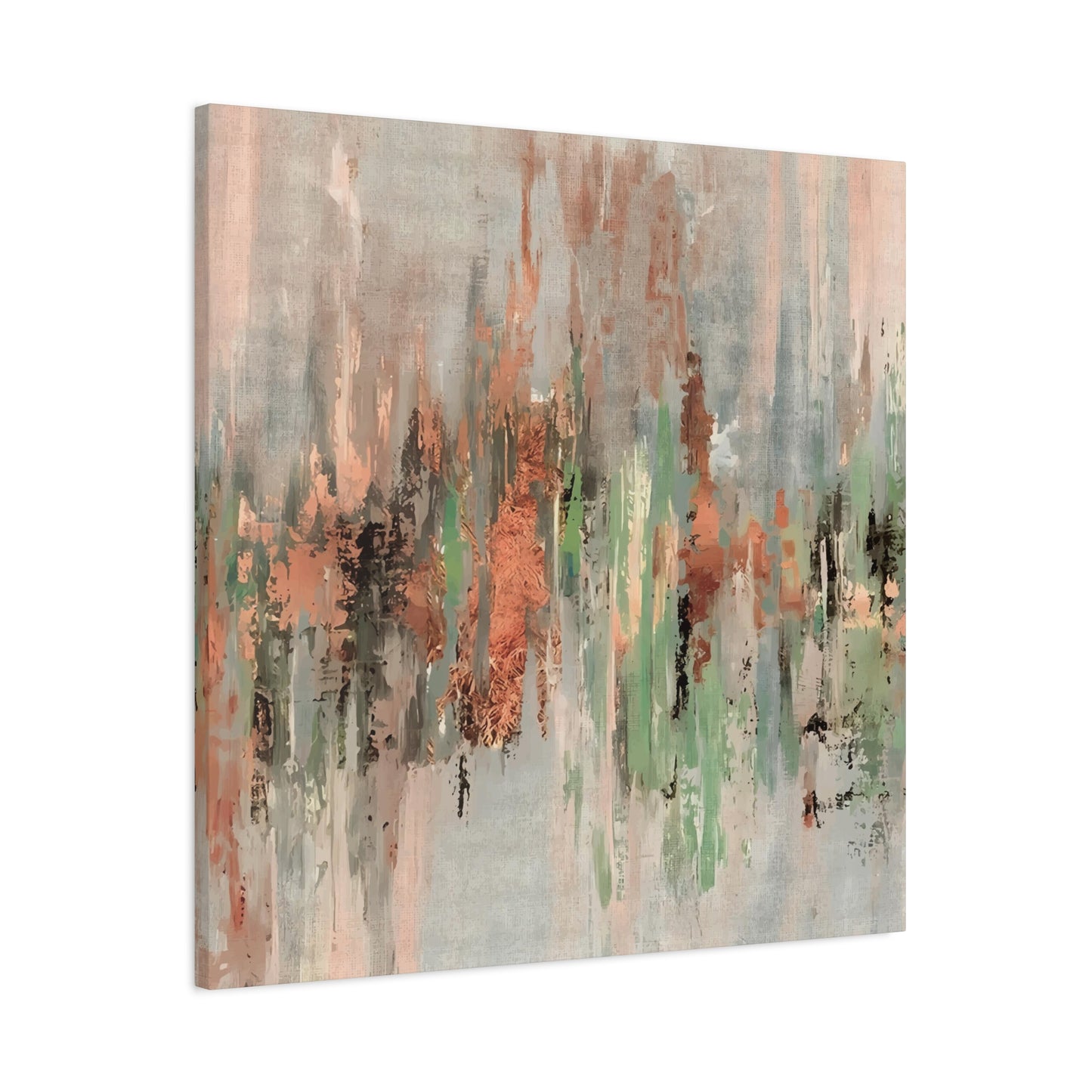
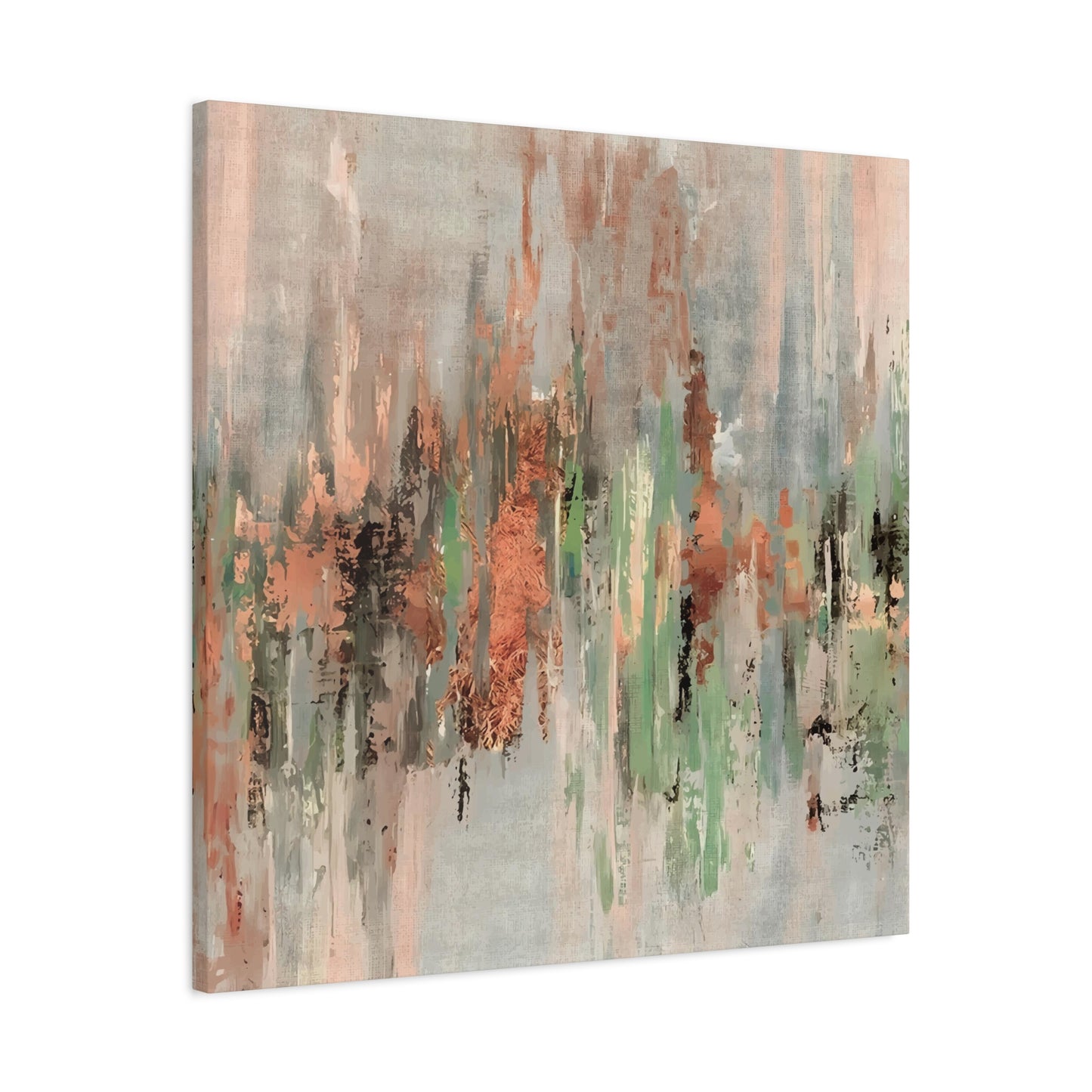
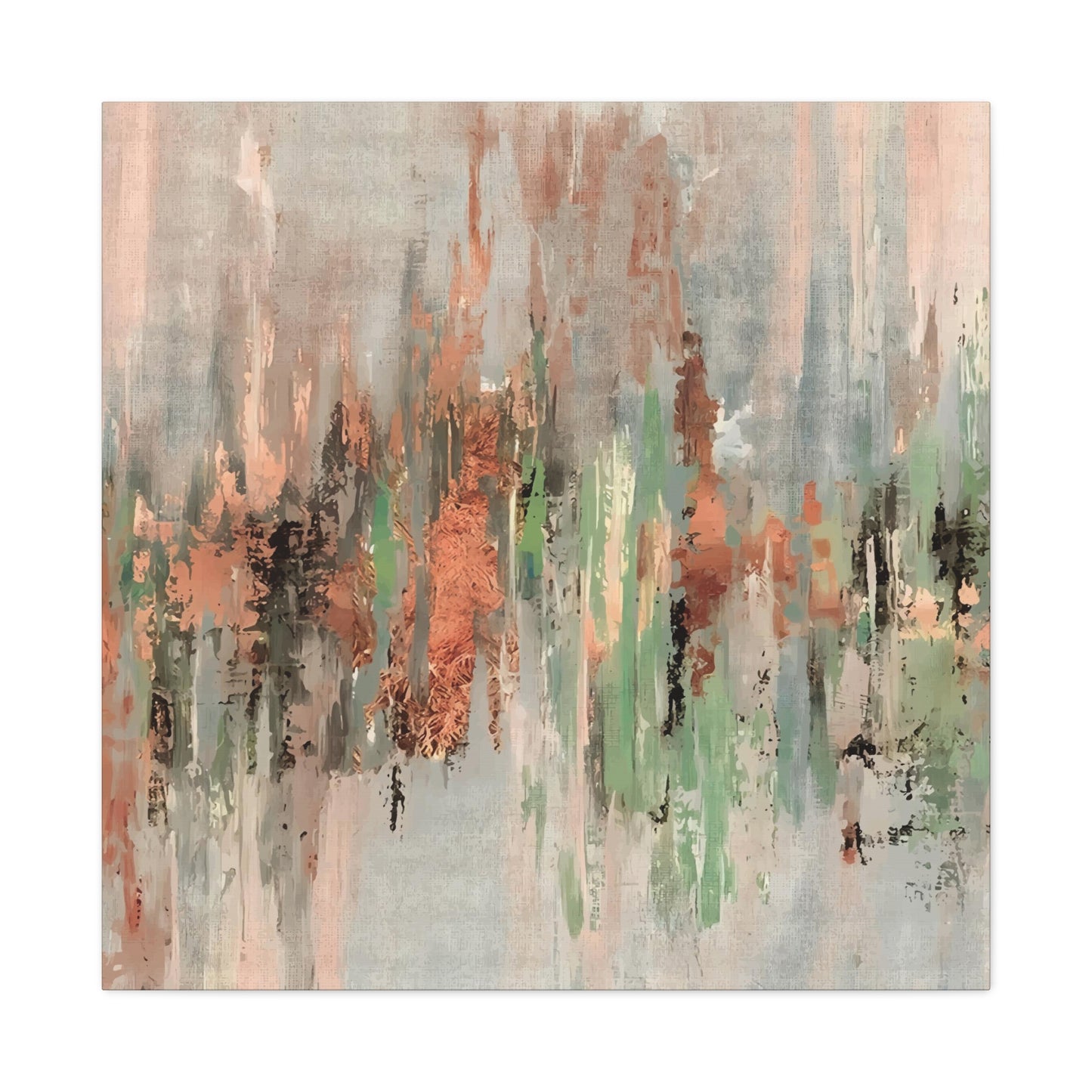
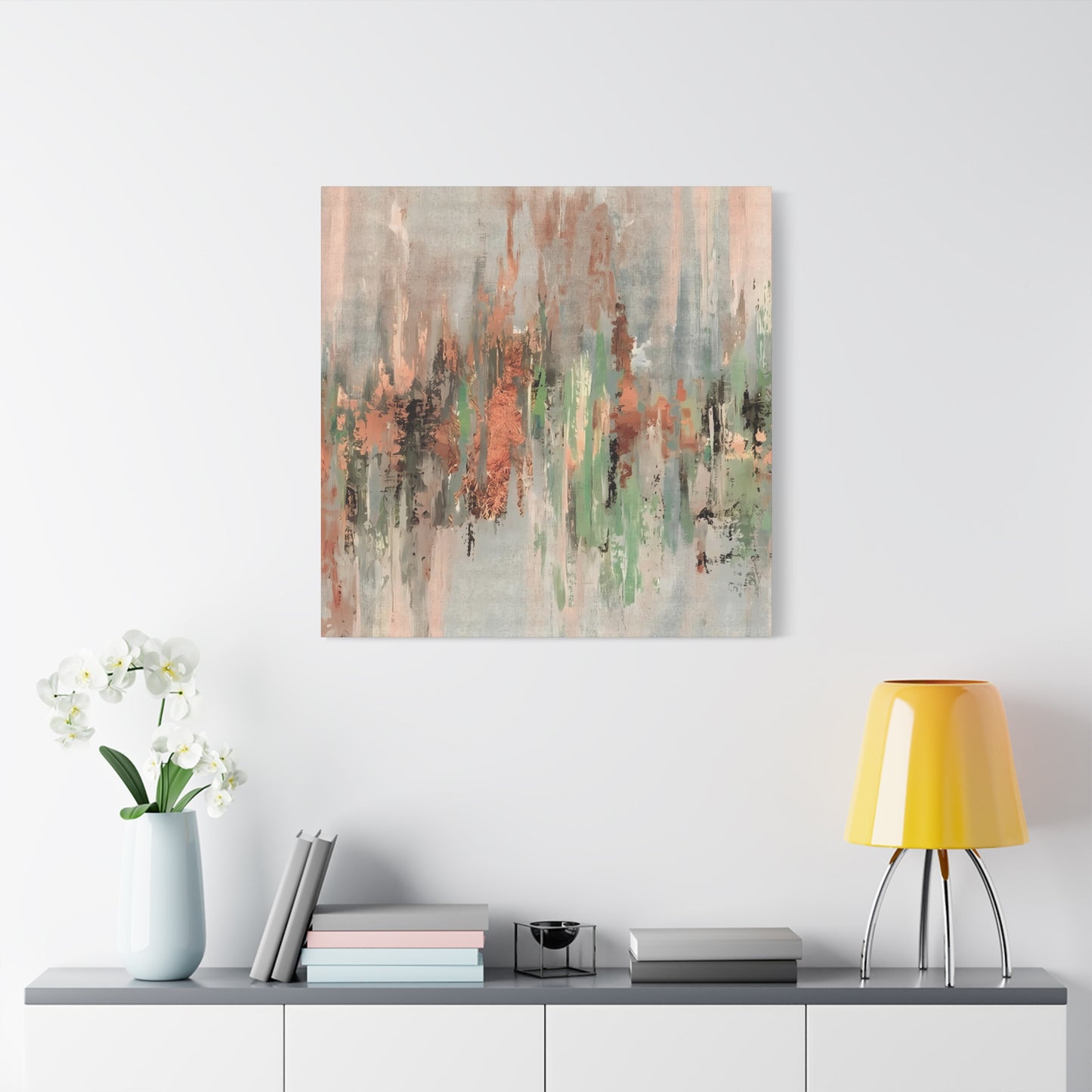
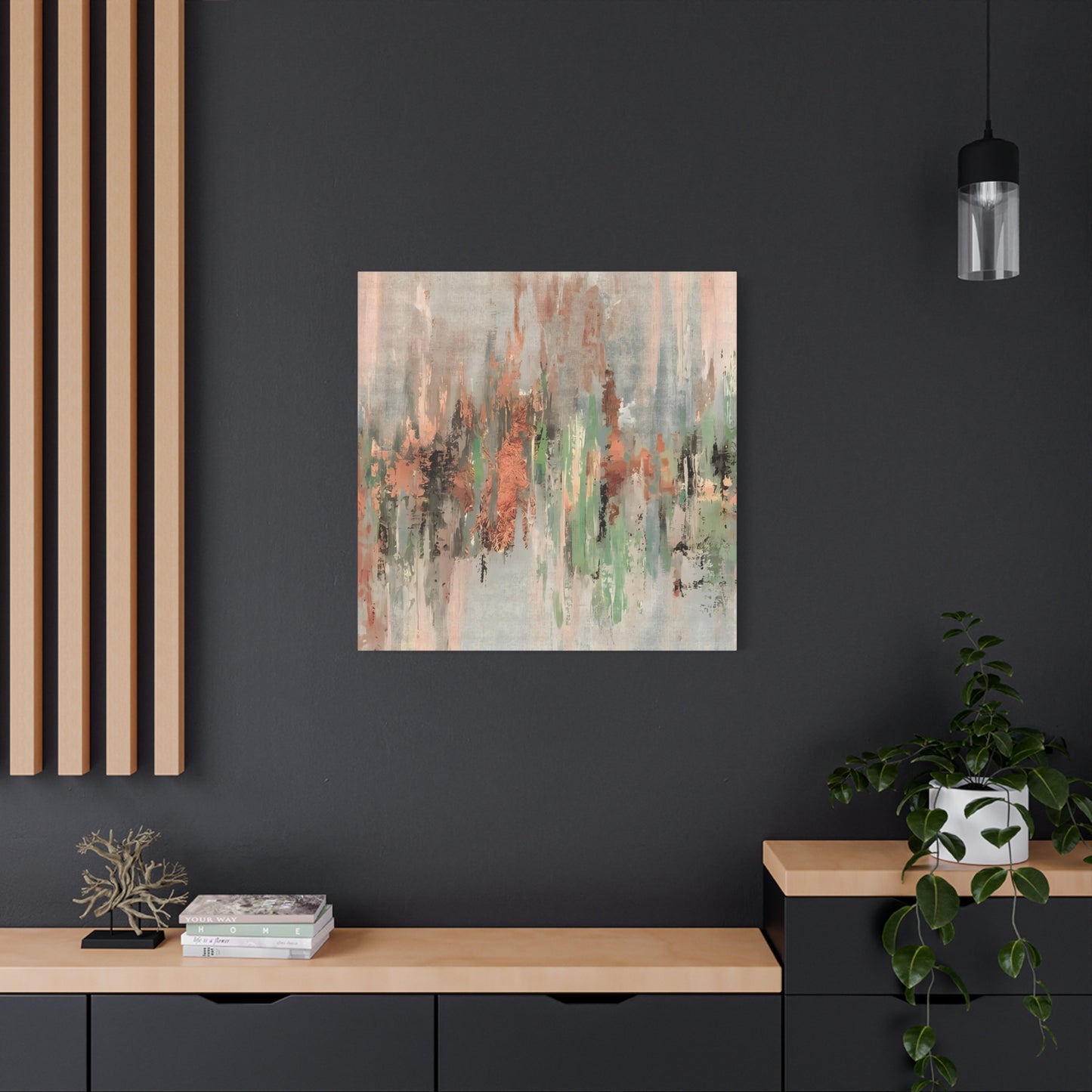
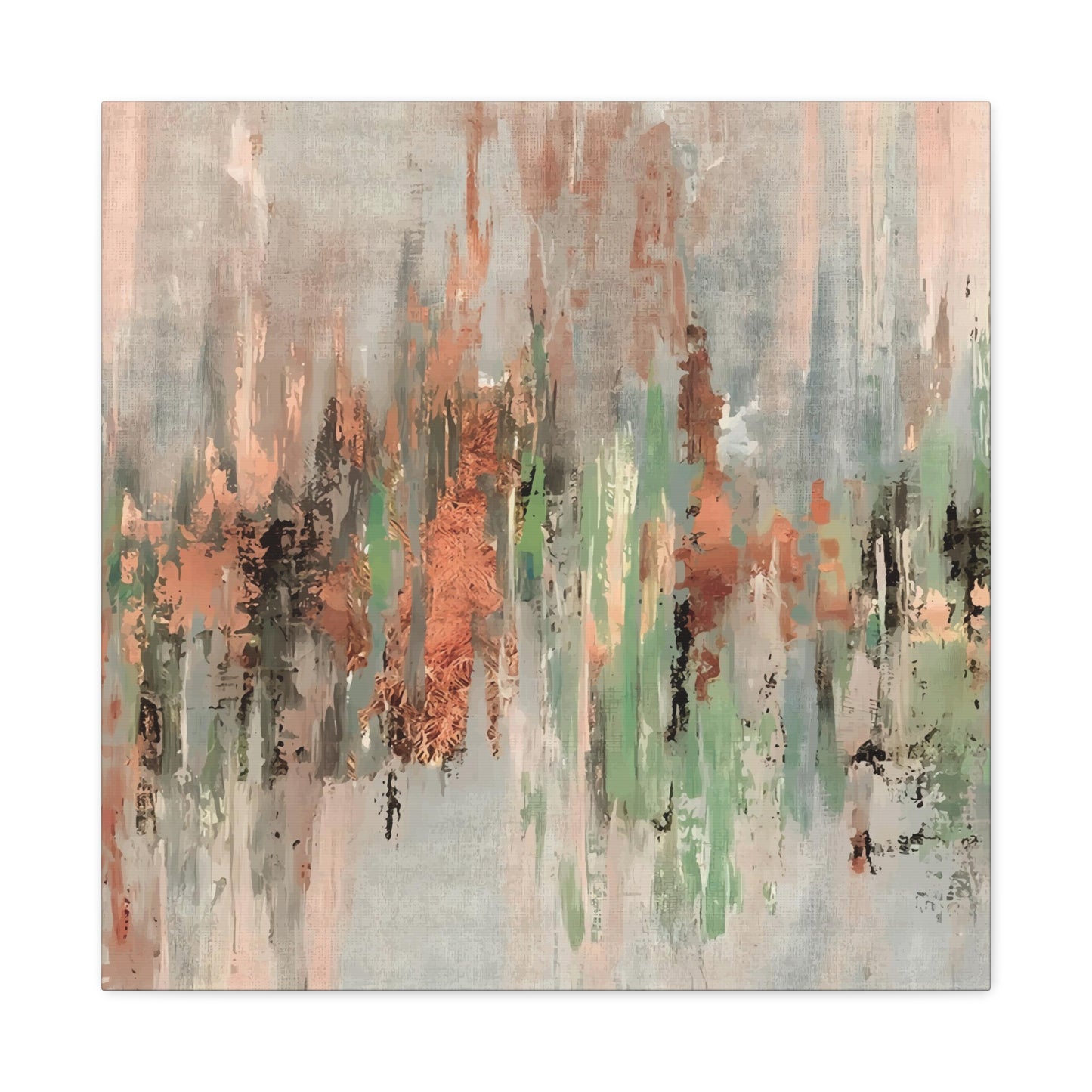
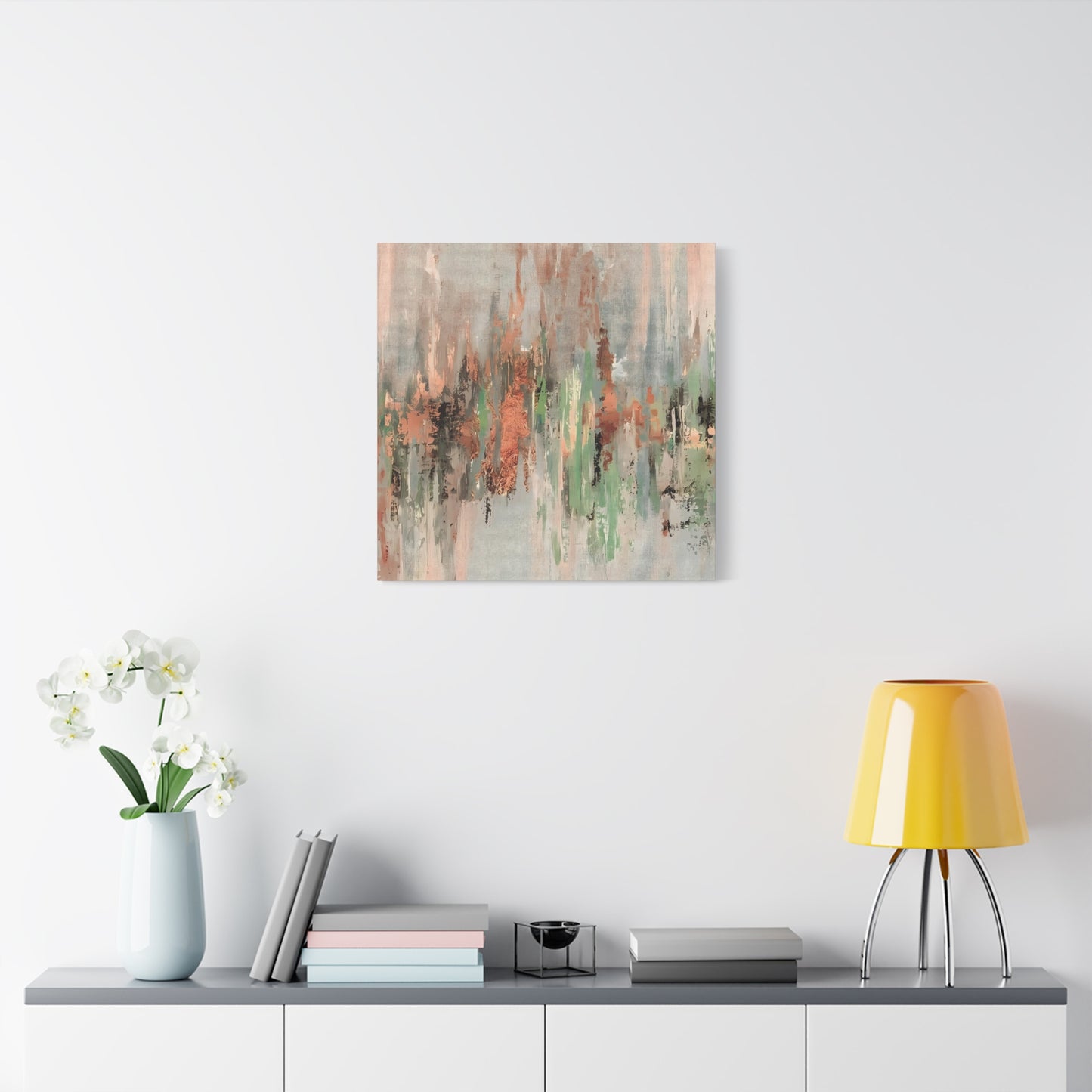
Abstract Wall Art & Canvas Prints
Abstract Wall Art & Canvas Prints
Couldn't load pickup availability
Elevating Your Space: An In-Depth Exploration of Abstract Wall Art
Abstract art represents a departure from literal, representational depiction, offering instead a visual language of shape, form, color, and line to create a composition that can exist with a degree of independence from visual references in the world. For interior design, this quality is its greatest strength. It does not dictate a specific narrative but rather invites interpretation, emotion, and intellectual engagement. Choosing abstract wall art is more than just filling an empty space on a wall; it is about curating an atmosphere, expressing a personality, and introducing a dynamic focal point that can harmonize with or purposefully challenge a room's aesthetic.
This comprehensive exploration delves into the multifaceted world of abstract art for your home and office, providing extensive insight into selecting, styling, and appreciating these captivating works. We will navigate through prevailing trends, the dichotomy of minimalist and bold expressions, the strategic use of art in spaces of all sizes, and the psychological impact of color. From large-scale statement pieces to the subtle elegance of black and white prints, this guide will equip you with the knowledge to confidently integrate the power and beauty of abstract art into your daily environment, creating spaces that are not only visually stunning but also deeply personal and inspiring.
A Curated Approach to Selecting Abstract Wall Art for Your Home
Choosing the perfect piece of abstract wall art for your home is an intensely personal journey that blends aesthetic preference with spatial awareness. It is a decision that goes far beyond simply liking a piece; it involves understanding how that art will interact with the existing environment of your home. The first and most crucial factor is your own emotional response. An abstract piece should resonate with you on a personal level. Does it evoke a sense of calm, energy, curiosity, or joy? Since abstract art is non-representational, its primary function in a living space is to set a mood. Trust your intuition.
The piece you are continually drawn to is often the right one, as it reflects a facet of your personality that you wish to see expressed in your living space. Once you have identified a piece that speaks to you, the next step is to consider the context of the room it will inhabit. Think about the room's primary function. For a living room, where you entertain guests and spend communal time, you might opt for a vibrant, conversational piece that sparks interest. In a bedroom, the goal is typically tranquility and rest, so a piece with softer colors, fluid lines, and a calming composition would be more appropriate.
The existing color palette of the room is another significant consideration. You have two main strategies here: harmony or contrast. For a harmonious look, select a piece of abstract art that incorporates one or two of the key colors already present in your room's decor, such as the color of your sofa, curtains, or accent pillows. This creates a cohesive, integrated feel where the art seamlessly becomes part of the overall design scheme. Alternatively, you can use abstract art to introduce a bold, contrasting accent color. In a neutral-toned room dominated by grays, beiges, or whites, a piece with a burst of fiery orange, deep cobalt, or vivid emerald can create a stunning focal point, injecting life and personality into the space. The scale of the artwork is equally important. A common mistake is choosing a piece that is too small for the wall, which can look disconnected and lost. As a general rule of thumb, art placed above a piece of furniture like a sofa or a headboard should be approximately two-thirds the width of that furniture. For a large, empty wall, do not be afraid to go big.
A single, oversized piece of abstract art can have a far greater impact than a collection of smaller ones, creating a sense of drama and sophistication. Consider the texture and medium as well. A heavily textured oil or acrylic painting adds physical depth and a tactile quality, while a sleek acrylic print or a delicate watercolor offers a smoother, more refined finish. Ultimately, selecting abstract art is a balancing act between personal love for the artwork and a thoughtful assessment of how its color, scale, and mood will enhance the unique character of your home.
Navigating the Forefront of Abstract Canvas Print Trends
The world of interior design is in constant evolution, and the trends shaping abstract canvas prints are a direct reflection of broader cultural and aesthetic shifts. Staying abreast of these trends can help you choose a piece that feels both contemporary and timeless. One of the most significant movements currently is the embrace of biophilic design, which seeks to connect inhabitants with the natural world. In abstract art, this translates to canvases that evoke nature without literal depiction. Think of prints with earthy color palettes—terracotta, sage green, sandy beige, and deep ocean blues. The forms might be organic and flowing, suggesting landscapes, water, or foliage in a non-representational way. These pieces bring a sense of grounding and tranquility into the home, tapping into our innate desire for a connection to the outdoors. Another dominant trend is the rise of Japandi style, a hybrid of Japanese minimalism and Scandinavian functionality. Abstract art within this aesthetic is characterized by its simplicity, use of negative space, and a focus on imperfect, organic forms. Look for prints with clean lines, a muted and neutral color palette, and a sense of profound calm. Wabi-sabi, the Japanese appreciation of imperfection, also influences this trend, leading to art that might feature raw textures, visible brushstrokes, or asymmetrical compositions.
On the other end of the spectrum, there is a renewed interest in maximalism and bold expressionism, which encourages a more-is-more approach. This trend is characterized by abstract canvas prints bursting with vibrant, saturated colors and dynamic, energetic compositions. These pieces are not meant to blend in; they are designed to be the commanding focal point of a room. Look for large-scale works with dramatic brushwork, clashing colors, and a palpable sense of movement. This style is perfect for homeowners looking to inject a powerful dose of personality and confidence into their living spaces. Furthermore, digital abstraction is a rapidly growing field. Artists are using digital tools to create complex, layered compositions that would be difficult to achieve with traditional media. These prints often feature geometric precision, glitch effects, or ethereal, futuristic gradients. They can add a sleek, modern, and technologically savvy edge to an interior. Lastly, texture continues to be a major focus. While a print is a two-dimensional object, many artists are creating works that give the illusion of depth and texture. This can be achieved through high-resolution photography of original impasto paintings or through digital manipulation that mimics the look of layered paint, fabric, or even weathered stone. These trends offer a diverse palette of options, allowing you to select a piece of abstract art that not only enhances your decor but also aligns with the contemporary design conversation.
The Aesthetic Dialogue: Minimalist Versus Bold Abstract Art
The choice between minimalist and bold abstract art is a fundamental decision that will drastically shape the ambiance of a room. It is a choice between quiet contemplation and vibrant declaration, each with its own unique power and purpose. Understanding the philosophies behind these two opposing styles is key to selecting the one that best aligns with your design goals and personal temperament. Minimalist abstract art is rooted in the principle of "less is more." It strips a composition down to its essential elements: line, form, and a restrained color palette. The goal is not to overwhelm the senses but to create a space for quiet reflection. These pieces often feature a significant amount of negative space, which allows the key elements to breathe and command attention in a subtle, understated way. The colors are typically neutral—shades of white, beige, gray, and black—though they can sometimes incorporate a single, muted accent color. The forms are often simple, perhaps a single fluid line, a few carefully placed geometric shapes, or a subtle gradient of color. The impact of minimalist art is profound in its tranquility. It can make a room feel larger, cleaner, and more organized. It is the perfect choice for spaces designed for relaxation and focus, such as a bedroom, a home office, or a meditation corner. It complements modern, Scandinavian, and Japandi interior styles exceptionally well, enhancing their emphasis on simplicity, functionality, and natural light.
In stark contrast, bold abstract art is a celebration of energy, emotion, and uninhibited expression. It is designed to capture attention and provoke a strong response. This style embraces complexity, featuring dynamic compositions, a rich and often clashing color palette, and expressive, gestural brushwork. Where minimalism whispers, bold art shouts. These pieces are characterized by their visual weight and their ability to become the undeniable centerpiece of a room. They can feature chaotic splatters reminiscent of action painting, vibrant blocks of color inspired by color field artists, or intricate, overlapping layers that create a sense of deep visual complexity. Bold abstract art is a powerful tool for injecting personality and dynamism into a space. It works exceptionally well in social areas like living rooms and dining rooms, where it can act as a conversation starter and a source of creative energy. It can also be used to invigorate a space that feels sterile or plain, providing an instant infusion of color and life. This style is at home in eclectic, bohemian, and mid-century modern interiors, where it can complement other strong design elements. The decision between minimalist and bold abstract art ultimately comes down to the desired feeling for the space. Do you seek to create a serene sanctuary for retreat and calm, or do you wish to design a stimulating environment that reflects a vibrant and outgoing personality? Both styles offer a powerful way to use art to define the emotional landscape of your home.
Maximizing Impact: Strategic Use of Abstract Art in Small Spaces
Decorating a small space presents a unique set of challenges, where every design choice must be made with intention and purpose. Abstract art, when used strategically, can be one of the most effective tools for transforming a compact room, making it feel more spacious, sophisticated, and visually interesting. The common misconception is that small rooms require small art, but often the opposite is true. A collection of tiny frames can make a wall feel cluttered and busy, which in turn can make the room feel even smaller. Instead, consider a single, well-chosen medium to large-scale piece of abstract art. A larger piece creates a definitive focal point, drawing the eye and creating a sense of importance and depth that can trick the mind into perceiving the space as larger than it is. The key is to ensure the piece doesn't overwhelm the room's furniture. Placed above a low-profile sofa or a simple console table, a larger artwork can anchor the space without consuming it.
The content and composition of the abstract art are also crucial for small spaces. Opt for pieces that have a light and airy feel. Artworks with a significant amount of white or pale-colored negative space can create a sense of openness and expansion. Compositions that feature strong vertical lines can draw the eye upward, creating the illusion of higher ceilings. Similarly, pieces with a sense of receding perspective or a horizon line, even an abstract one, can add a feeling of depth to a flat wall. The color palette plays a vital role as well. Cool colors, such as soft blues, gentle greens, and pale lavenders, are known to recede visually, which can help to make the walls feel further away. This doesn't mean you must avoid warm colors entirely, but using them as smaller accents within a predominantly cool-toned piece can provide a pop of interest without closing in the space.
Placement is the final piece of the puzzle. Hanging art slightly higher than the standard eye level can enhance the verticality of the room. Using a floating frame or a gallery wrap canvas, where the image extends around the sides, creates a clean, modern look that feels less bulky than a heavy, ornate frame. Consider unexpected locations as well. A narrow vertical piece can fit perfectly in the small wall space between two doors or windows, adding an artistic touch without requiring a large expanse of wall. In a small entryway, a vibrant abstract piece can make a powerful first impression and set a creative tone for the rest of the home. By carefully selecting the scale, composition, color, and placement of abstract art, you can overcome the limitations of a small room and create a stylish and expansive-feeling environment.
Cultivating Creativity and Professionalism: Abstract Prints in the Office
The integration of abstract prints into an office environment, whether it's a corporate headquarters or a home workspace, is a strategic design choice that can significantly influence productivity, creativity, and brand perception. An office is no longer just a place for work; it is a space that should inspire innovation, foster collaboration, and reflect the company's ethos. Abstract art, with its capacity for interpretation and emotional resonance, is uniquely suited to achieving these goals. In a corporate setting, the art on the walls is one of the first things a client or potential employee sees. It communicates a message about the company's culture. Large-scale, dynamic, and colorful abstract prints can project an image of a forward-thinking, innovative, and energetic company. They suggest a willingness to embrace new ideas and think outside the box. Conversely, a collection of minimalist, monochromatic abstract pieces can convey a sense of sophistication, precision, and calm confidence. The art can be chosen to align with the company's branding colors, reinforcing brand identity in a subtle yet powerful way throughout the physical space.
For employees, the work environment has a direct impact on their well-being and performance. A sterile, uninspired office can lead to creative stagnation and low morale. Abstract art can break the monotony of a typical office landscape, providing visual stimulation that can help to spark new ideas. Placing a thought-provoking abstract piece in a brainstorming room or a collaborative area can encourage creative thinking and new perspectives. The non-prescriptive nature of abstract art allows each individual to see something different, potentially leading to new connections and innovative solutions. In areas designed for focus and concentration, such as individual offices or quiet zones, more subdued and calming abstract prints can be beneficial. Pieces with soft, flowing lines and a serene color palette can help to reduce stress and improve concentration. The goal is to create a visual landscape that is engaging but not distracting.
In a home office, the principles are similar but more personal. The art you choose should motivate and inspire you. If your work is highly creative, you might opt for a bold, expressive piece that fuels your energy. If your work requires intense focus and detail, a more ordered, geometric abstract or a calming minimalist print might be more suitable. The art in your home office serves as a mental backdrop for your professional life. It can help to define the workspace as a zone of productivity, separate from the relaxation areas of your home. It can be a source of inspiration during a long day or a point of visual rest during a short break. By carefully curating abstract prints for the office, businesses and individuals can transform a purely functional space into an environment that actively supports its purpose, whether that is to impress clients, inspire employees, or fuel personal ambition.
The Power of Presence: Exploring Large-Scale Abstract Canvas Ideas
A large-scale abstract canvas is more than just a piece of decor; it is an architectural element that has the power to define an entire room. Making the decision to incorporate a truly oversized piece of art is a bold move that can yield spectacular results, creating a space that feels curated, dramatic, and deeply intentional. These monumental works are particularly effective in rooms with high ceilings or large, uninterrupted walls, such as a living room with a cathedral ceiling, a spacious entryway, or a long hallway. In these areas, a smaller piece might get lost, but a large canvas can command the space and create a focal point that is both breathtaking and grounding. One of the primary functions of a large-scale abstract piece is to anchor a room's design. In a living room, a massive canvas hung above the main sofa can tie all the other elements—furniture, rugs, lighting—together. The colors within the painting can provide the foundational palette for the entire room, allowing you to pull accent colors for pillows, throws, and other accessories, creating a harmonious and professionally designed look.
The style of the large-scale abstract piece will set the tone for the entire space. An explosive, gestural painting full of vibrant colors and dynamic movement will infuse the room with energy and passion. This is an excellent choice for a social hub of the home, where you want to encourage conversation and lively interaction. On the other hand, a vast canvas featuring a serene, minimalist composition—perhaps a subtle color field gradient or a few simple, calligraphic lines on a neutral background—can create an atmosphere of profound calm and sophistication. This approach works well in creating a sanctuary-like living room or a formal dining space that feels elegant and uncluttered. A large-scale piece is also an opportunity to introduce significant texture into a room. An impasto painting with thick, sculptural layers of paint adds a tactile dimension that can be appreciated from across the room and up close. The way light plays across the textured surface creates shifting shadows and highlights throughout the day, making the artwork a dynamic, ever-changing feature of the room.
When considering a large-scale canvas, logistics are key. Measure your wall space carefully, ensuring there is enough "breathing room" around the canvas—typically at least six to twelve inches on all sides—so it doesn't feel cramped. Consider how you will transport and hang the piece; professional installation is often recommended for very large or heavy works. The viewing distance is also important. A massive piece needs to be appreciated from a distance to take in the entire composition, so it's best suited for larger rooms. By embracing the scale and making a deliberate choice, a large abstract canvas can transform a simple wall into a profound statement of artistic taste, single-handedly elevating the room from ordinary to extraordinary.
Order and Emotion: A Deep Dive into Geometric Abstract Wall Art Styles
Geometric abstract wall art is a captivating subgenre that speaks to our innate appreciation for order, pattern, and mathematical beauty. Rooted in early 20th-century art movements like Cubism, Suprematism, and the Bauhaus school, this style utilizes a vocabulary of shapes—squares, circles, triangles, rectangles, and lines—to create compositions that can be either rigidly structured or playfully dynamic. Its enduring appeal lies in its versatility and its ability to bring a sense of clarity and intentionality to an interior space. One of the most recognizable styles within geometric abstraction is hard-edge painting, characterized by crisp, clean lines and solid, unvarying fields of color. These pieces have a graphic, precise quality that feels modern and sophisticated. They work exceptionally well in contemporary, minimalist, and mid-century modern interiors, where they complement the clean lines of the furniture and architecture. A large hard-edge painting with a bold color combination can serve as a powerful focal point, adding a controlled burst of energy to a room without introducing the chaos of more gestural abstract styles.
Another popular style is inspired by the work of artists like Piet Mondrian, featuring a grid of black lines with primary colors (red, yellow, blue). This De Stijl-influenced art brings a sense of balance and universal harmony. While it can be quite bold, the underlying grid structure provides a comforting sense of order. These pieces are timeless and can act as a bridge between modern and more traditional decor, providing a structured, artistic element that feels both intellectual and visually pleasing. In contrast to these more rigid styles, there is also a softer side to geometric abstraction. Artworks that explore the repetition of shapes, such as concentric circles or overlapping triangles, can have a hypnotic, meditative quality. Using a softer, more analogous color palette can enhance this effect, creating pieces that are both geometric in form and organic in feel. These works can bring a sense of rhythm and gentle movement to a space, making them ideal for bedrooms or reading nooks where a calm, focused atmosphere is desired.
Geometric abstract art is also incredibly effective in creating visual illusions. Compositions using principles of Op Art (Optical Art) can create a sense of movement, vibration, or hidden depth on a two-dimensional surface. While a full-blown Op Art piece might be too intense for a relaxing space, more subtle applications of these principles—such as patterns that create a three-dimensional effect—can add a layer of intrigue and sophistication to a room. When selecting a geometric abstract piece, consider the dominant shapes and lines in your existing decor. A room with very linear furniture might be enhanced by a piece with curvilinear forms like circles and arcs to soften the space. Conversely, a room with soft, rounded furniture could be given structure and definition by a piece with strong, angular geometry. By understanding the different dialects within the language of geometric art, you can choose a piece that brings the perfect balance of order, intellect, and aesthetic pleasure to your home.
The Emotional Spectrum: Understanding Color Psychology in Abstract Art
Color is arguably the most powerful tool in an abstract artist's arsenal. Devoid of representational imagery, the colors in an abstract piece communicate directly with the viewer's subconscious, evoking emotions, memories, and physiological responses. Understanding the principles of color psychology is therefore essential when selecting abstract art, as it allows you to consciously curate the emotional atmosphere of your home. Each color family carries its own set of psychological associations, which can be amplified or nuanced by their use in an abstract composition. Blue, for instance, is universally associated with calm, stability, and serenity. Abstract artworks dominated by shades of blue—from deep navy to airy sky blue—are excellent choices for spaces intended for rest and relaxation, such as bedrooms, bathrooms, and quiet living areas. They can help lower blood pressure and create a sense of peace and tranquility. The movement within the painting, whether it's the gentle flow of watercolor or the sweeping strokes of acrylic, can further suggest the calm of the sea or the vastness of the sky.
In contrast, red is a color of passion, energy, and excitement. It is stimulating and attention-grabbing, known to increase heart rate and create a sense of urgency. An abstract piece with significant red elements is a bold statement. It can be incredibly effective in social spaces like dining rooms, where it can stimulate conversation and appetite, or in an entryway, where it creates a dramatic and welcoming first impression. However, due to its intensity, a predominantly red piece might be overwhelming in a room designed for relaxation. Yellow is the color of optimism, happiness, and intellect. It is cheerful and energizing, reminiscent of sunshine. Abstract art featuring bright yellows can bring a sense of joy and light to a room, making it an excellent choice for kitchens, breakfast nooks, or any space that could benefit from a dose of positivity. It can stimulate mental activity, making it a good, albeit potentially distracting, choice for a creative workspace.
Green is intrinsically linked to nature, growth, and harmony. It is one of the most restful colors for the eye and has a balancing, restorative effect. Abstract pieces that explore the spectrum of green, from deep forest tones to light minty shades, can bring the calming influence of the natural world indoors. This makes them ideal for almost any room in the house, particularly home offices, where they can reduce eye strain, and living rooms, where they can create a peaceful, harmonious environment. Purple is often associated with royalty, luxury, and spirituality. Deep purples can create a sense_of drama and sophistication, while lighter shades like lavender have a more restful, feminine quality. Orange combines the energy of red with the happiness of yellow and is associated with enthusiasm and creativity. Black and white, when used in abstraction, speak to concepts of balance, contrast, and timeless elegance. The artist's application of these colors is just as important as the colors themselves. A frenetic, chaotic composition of calming blues can feel agitated, while a structured, balanced composition of fiery reds can feel powerful and controlled. By considering both the inherent psychological properties of colors and their application within the artwork, you can select a piece of abstract art that doesn't just match your decor, but actively shapes the emotional experience of being in the room.
Stylish and Savvy: Finding Affordable Abstract Wall Decor
The belief that collecting art is an exclusive pursuit reserved for the wealthy is a pervasive myth. In today's art market, there are more avenues than ever to find beautiful, high-quality, and affordable abstract wall decor that can bring personality and style to your home without breaking the bank. The key is to know where to look and what to look for, shifting the focus from high-profile original paintings to the vast and accessible world of prints and emerging artists. One of the most significant game-changers in art accessibility has been the rise of high-quality art prints. A print of an abstract work allows you to own a beautiful image from an established or emerging artist for a fraction of the cost of the original painting. There are several types of prints to consider. Giclée prints are made using high-quality inkjet printers and archival inks on acid-free paper or canvas, resulting in a print with exceptional color accuracy and longevity that can last for generations. Canvas prints offer the look and feel of a gallery-wrapped painting without the high price tag. The image is printed directly onto canvas material, which is then stretched over a wooden frame. This is a great option as it often arrives ready to hang, saving you the additional cost of framing.
Another fantastic avenue for affordable art is to explore the world of digital downloads. Many artists and online marketplaces sell high-resolution digital files of their abstract works. You purchase the file once and can then have it printed at a local or online print shop in the exact size you need for your space. This approach gives you maximum control over the final product—you can choose the print medium (paper, canvas, metal), the size, and the frame. This method is often the most budget-friendly, especially if you are looking to create a large gallery wall, as you can print multiple pieces in various sizes for a cohesive look. Supporting emerging artists is another way to find unique and affordable abstract pieces. Following artists on social media platforms, exploring online art communities, and visiting local art fairs or student exhibitions can connect you directly with the creators. Buying from an emerging artist not only allows you to acquire an original piece of art at a much lower price point than a gallery piece but also supports the artist's career directly. You may discover a new talent and acquire a piece that has a personal story and connection.
Finally, don't underestimate the power of DIY. If you have a creative inclination, you can create your own abstract art. You don't need to be a trained painter to create a compelling piece. Experiment with acrylic paints, textures, and colors on a blank canvas. The result will be a one-of-a-kind piece that is deeply personal. By exploring these options—high-quality prints, digital downloads, emerging artists, and even your own creativity—you can easily fill your home with stunning abstract wall decor that reflects your personal style and enhances your living space, proving that great taste is not dependent on a large budget.
Making an Entrance: Statement Pieces for Living Rooms
The living room is the heart of the home. It is where you relax, entertain guests, and express your personal style most publicly. A statement piece of abstract art in the living room serves as the centerpiece of this expression, a bold declaration of taste that can set the tone for the entire house. A statement piece is not just large; it is impactful. It has a commanding presence that draws the eye, sparks conversation, and anchors the room's entire design scheme. Choosing such a piece requires confidence and a clear understanding of the atmosphere you wish to create. The first step is to assess the space. The wall above the main sofa is the classic location for a statement piece, but also consider a large wall opposite the entrance or above a fireplace. The artwork should be proportional to the wall and the furniture. A rule of thumb is that the piece should be about two-thirds the length of the sofa it hangs above. This ensures it feels connected to the furniture grouping rather than floating disjointedly on the wall. Do not be afraid of scale; a truly large piece can make a room feel more grand and intentionally designed.
The style of the abstract statement piece will define the room's personality. If you want to create a vibrant, energetic, and social atmosphere, choose a piece with a riot of bold colors and dynamic, gestural brushwork. This type of art is a natural conversation starter, inviting guests to interpret its meaning and share their reactions. It injects a powerful dose of creative energy into the space. If your goal is to cultivate an environment of calm sophistication and elegance, a large-scale minimalist piece might be the perfect choice. A canvas with a subtle gradient of neutral colors, a few powerful yet simple lines, or a textured monochromatic surface can create a profound sense of peace and refinement. This type of statement is quieter but no less powerful, speaking to a love of subtlety and considered design.
The artwork can also be the element that ties an eclectic room together. If your living room features a mix of furniture styles and colors, a large abstract piece that incorporates several of those colors can be the unifying force. It pulls the disparate elements into a cohesive whole, making the design feel deliberate and harmonious. When you have selected your statement piece, let it be the star. Design the rest of the room around it. Pull accent colors from the artwork for your throw pillows, rugs, and decorative objects. Keep the surrounding walls relatively clear to allow the main piece to breathe and command the attention it deserves. A statement piece of abstract art is an investment in the character of your home. It is a reflection of your personality and a daily source of inspiration and beauty, transforming your living room from a simple functional space into a personal art gallery.
Expanding the Canvas: Exploring Multi-Panel Abstract Canvas Ideas
Multi-panel abstract canvas art—commonly known as diptychs (two panels), triptychs (three panels), or polyptychs (many panels)—offers a unique and versatile way to display abstract art, creating an effect that is often greater than the sum of its parts. This format breaks a single artistic vision into multiple sections, introducing rhythm, narrative, and an architectural quality to the artwork. It is an especially effective solution for decorating large or awkwardly shaped walls where a single canvas might not suffice. One of the primary advantages of a multi-panel arrangement is its ability to cover a significant amount of wall space in a cohesive and visually interesting way. For a long wall in a hallway or above a large sectional sofa, a triptych can create a panoramic effect, drawing the eye across the space and creating a sense of flow and movement. The small gaps between the panels, typically one to three inches, create a subtle break that adds to the rhythm of the piece. This separation makes the overall artwork feel lighter and more integrated with the wall itself compared to a single, massive canvas of the same dimensions.
There are two main types of multi-panel abstract art. The first is a continuous image that has been split across multiple canvases. This creates a fascinating effect where the overall composition is clear, but the breaks in the canvas force the viewer to mentally stitch the image back together. This can add a layer of dynamism to the work, especially with abstract pieces that feature sweeping lines or gradients that travel from one panel to the next. The continuity of the image provides a strong sense of unity and purpose. The second type consists of multiple panels that are thematically related but not part of a single continuous image. Each canvas is a standalone composition, but they are designed to be displayed together. They might share a common color palette, a recurring motif, or a similar stylistic approach. This format allows for more flexibility in arrangement and can tell a more complex visual story, exploring variations on a theme.
When hanging a multi-panel piece, precision is key. The panels must be hung perfectly level and with consistent spacing to achieve the intended professional look. Use a measuring tape and a level to mark the wall for each panel's hardware. The standard practice is to align the center points of the panels, whether they are hung horizontally or vertically. The versatility of multi-panel art extends to its potential for creative arrangements. While a simple horizontal line is classic, you could also stagger the panels, arrange them in a grid, or hang them vertically to emphasize a room's height. This flexibility allows you to customize the artwork to your specific space and design vision. By choosing a multi-panel abstract canvas, you are not just selecting a piece of art; you are selecting a design element that interacts with your wall as an architectural feature, adding sophistication, rhythm, and a grand sense of scale to your home.
The Evolving Language of Modern Abstract Wall Art Trends
The landscape of modern abstract wall art is a dynamic and ever-changing field, continually influenced by new technologies, cultural shifts, and the ongoing dialogue with art history. While classic abstract styles remain popular, several distinct trends are defining the contemporary moment, offering fresh and exciting ways to bring art into the home. These trends reflect a desire for authenticity, a connection to both nature and technology, and a playful approach to form and color. A prominent trend is the rise of "new minimalism" or "warm minimalism." This is a departure from the cold, austere minimalism of the past. Today's minimalist abstract art incorporates more warmth, texture, and subtle complexity. You will see canvases with soft, earthy neutral palettes, gentle organic shapes instead of hard-edged geometry, and a focus on tactile surfaces. There might be visible brushstrokes, raw canvas left exposed, or the use of natural materials like linen. This trend aligns with the broader design movement towards creating comfortable, inviting, and soulful spaces that feel both clean and cozy.
Digital and generative art represents another significant frontier. Artists are increasingly using algorithms and computer software to create their compositions, resulting in works that possess a unique blend of human intention and machine-driven precision. These pieces can range from intricate, fractal-like patterns to fluid, shifting color fields that can be displayed on digital screens or printed as high-quality canvases. This trend brings a futuristic, tech-savvy edge to interior design and speaks to our increasingly digital world. The prints often have a flawless, hyper-real quality that provides a stunning contrast to more organic elements in a room. There is also a resurgence of bold, joyful, and almost childlike abstraction. This trend rejects intellectual austerity in favor of pure, unadulterated visual pleasure. Think of works with playful, Matisse-like cut-out shapes, bright and optimistic color combinations, and a sense of whimsy and spontaneity. These pieces are all about injecting fun, positivity, and personality into a space. They are unapologetically decorative and work wonderfully in eclectic and contemporary interiors, bringing a smile to the viewer's face.
Finally, the concept of "imperfect abstraction" continues to gain traction, heavily influenced by the wabi-sabi philosophy. This trend celebrates the beauty of imperfection, asymmetry, and the handmade. Artworks might feature frayed edges, uneven paint application, or compositions that feel deliberately off-balance. This is a reaction against mass-produced perfection, emphasizing the unique touch of the artist's hand. These pieces feel authentic, grounded, and deeply human. They add character and a sense of history to a space, suggesting that beauty can be found in the flawed and the unconventional. By being aware of these evolving trends, you can choose a piece of modern abstract art that not only beautifies your home but also participates in the current artistic conversation, making your space feel relevant and thoughtfully curated.
Conclusion
The journey through the world of abstract wall art is a deeply personal and transformative one. As we have explored, the process of selecting and integrating these non-representational works into our homes and offices is far more than a simple act of decoration. It is an exercise in self-expression, a deliberate curation of mood, and a powerful statement of personal style. Abstract art, in its purest form, frees us from the constraints of the literal world.
It does not tell us what to see; it invites us to feel. This unique quality allows it to become a dynamic and interactive element within our daily lives, its meaning and impact shifting with our own moods, the changing light of day, and the evolving story of our living spaces. We have seen how a single, large-scale canvas can command a living room, anchoring its design and sparking endless conversation, while a serene, minimalist piece can transform a bedroom into a tranquil sanctuary for rest and renewal. The strategic use of abstract art can make a small space feel expansive and a corporate office feel innovative and forward-thinking.
The principles of color psychology reveal how a splash of energetic red or a field of calming blue within an abstract composition can fundamentally alter the emotional temperature of a room. We have learned that the graphic clarity of geometric art can bring a sense of order and sophistication, while the tactile allure of layered textures adds a rich, sensory dimension that begs to be explored. From the timeless elegance of black and white prints to the on-trend glamour of metallic accents, the possibilities are as boundless as the human imagination itself. Moreover, the accessibility of abstract art has never been greater. The choice between an affordable, high-quality print and a one-of-a-kind original allows everyone to participate in the act of art collection. The ability to mix abstract works with traditional pieces creates a rich, layered narrative within a home, reflecting a curated taste that honors both history and modernity. Even the final, practical step of framing becomes an opportunity for personal expression and creativity.
Ultimately, the power of abstract art lies in its ability to complete a space not just aesthetically, but emotionally. It is a mirror that reflects our inner world and a window that offers a new perspective. The right piece can inspire creativity in a studio, foster calm in a bedroom, and energize a social gathering. It becomes a silent companion in our daily lives, a source of beauty and contemplation. As you move forward in choosing art for your own spaces, trust your intuition. Let the artwork speak to you. The most successful integrations of abstract art are those that resonate on a personal level, creating a dialogue between the art, the space, and the inhabitant. By embracing the bold, the subtle, the chaotic, and the serene, you can harness the profound power of abstract art to create an environment that is not only beautifully decorated but is also a true and authentic reflection of who you are.
Share