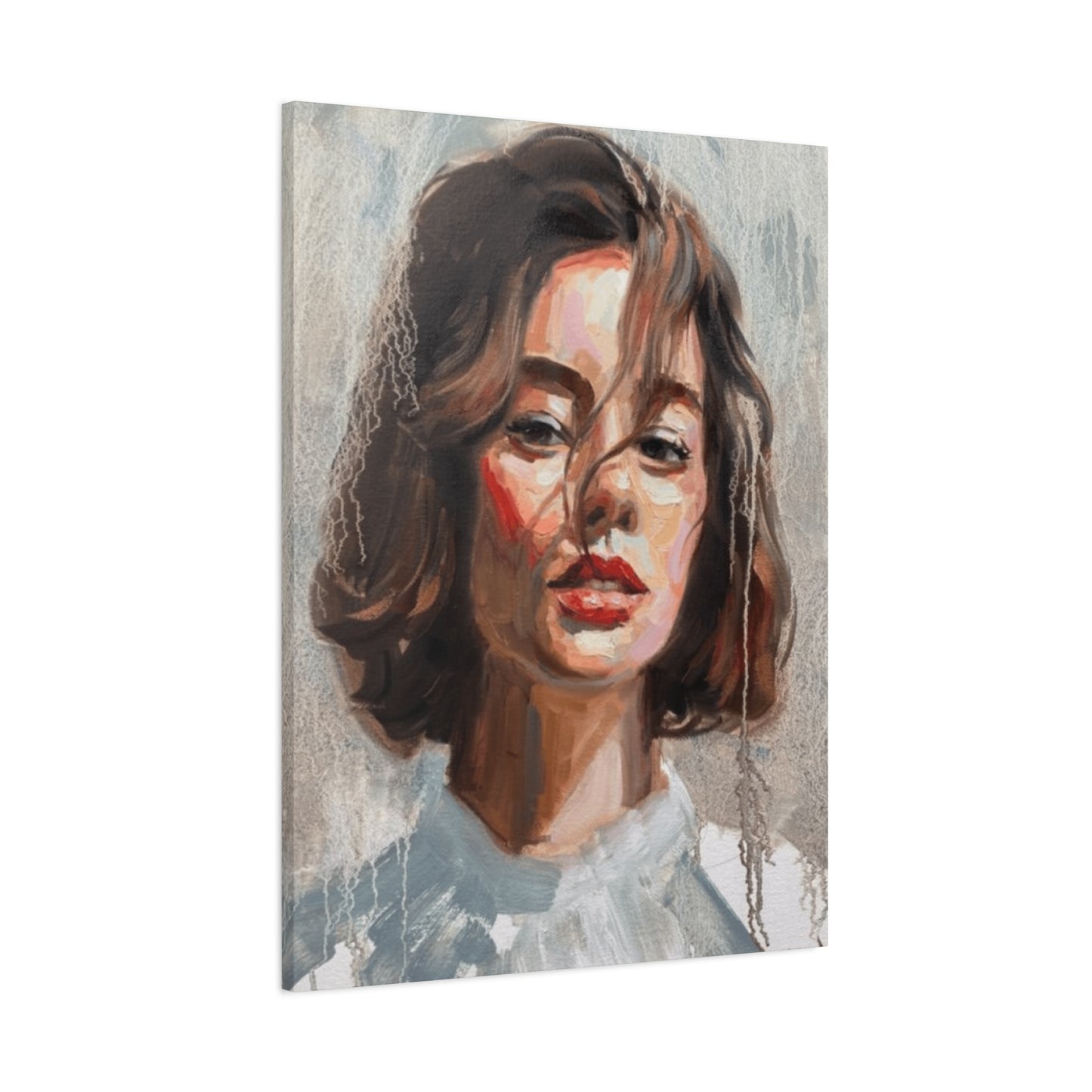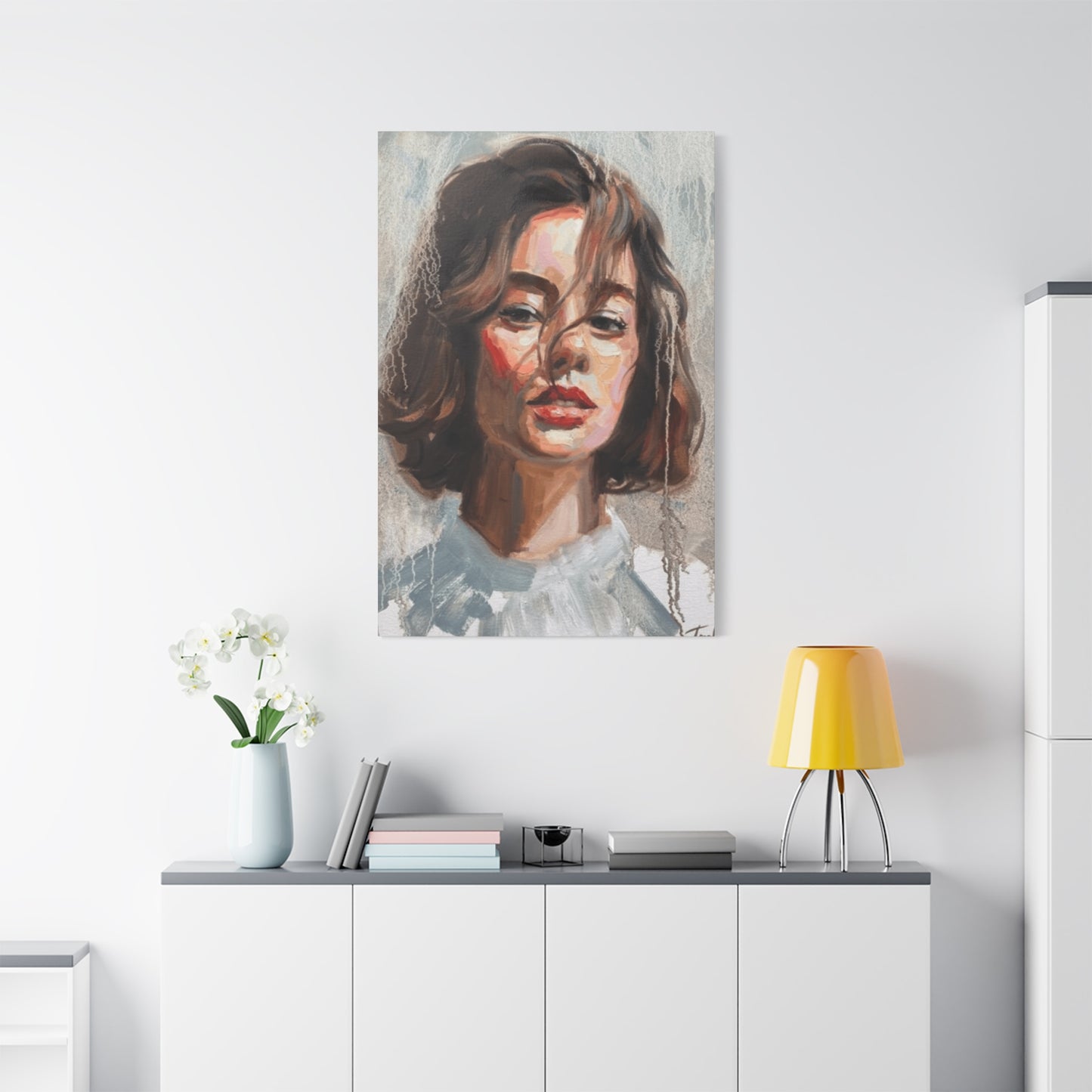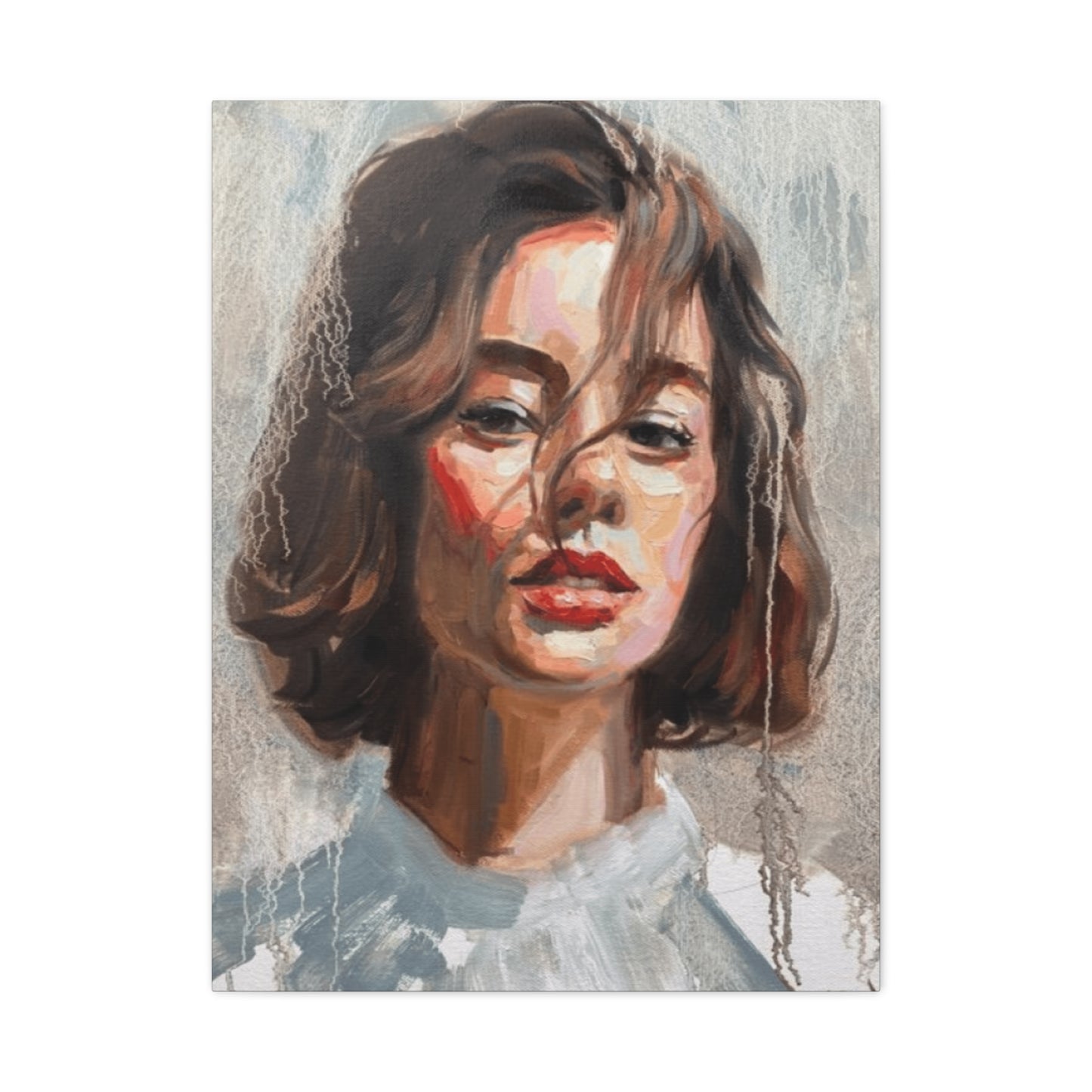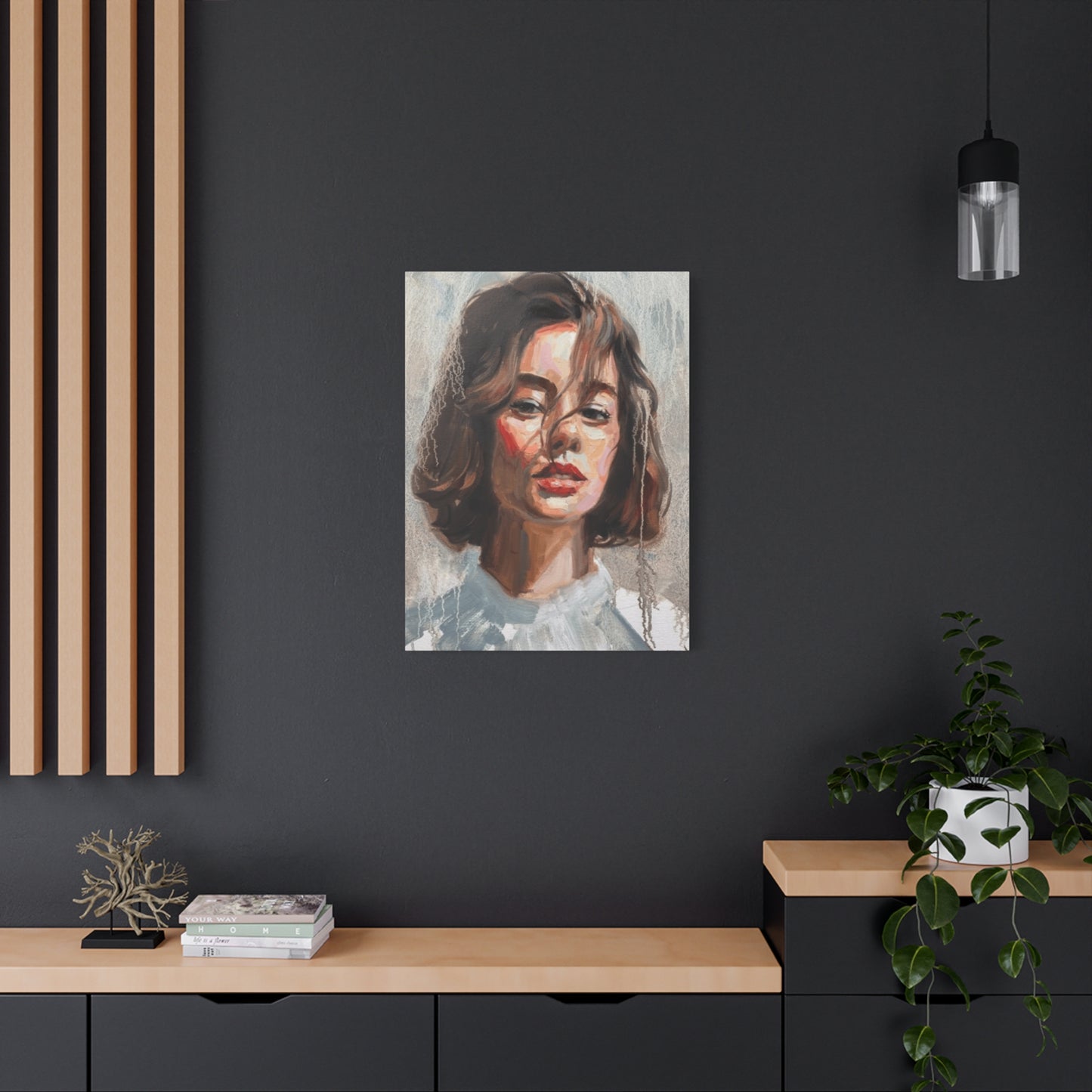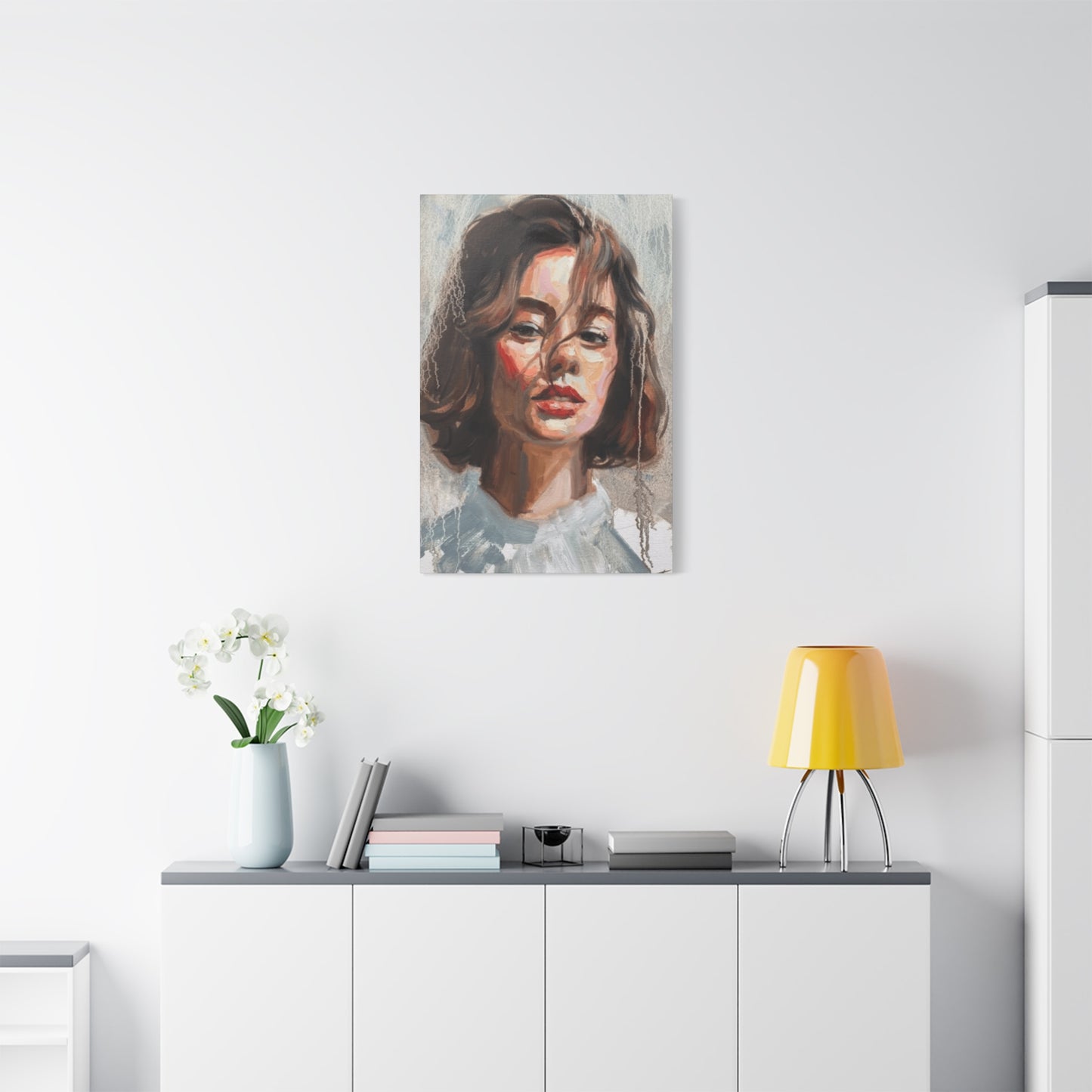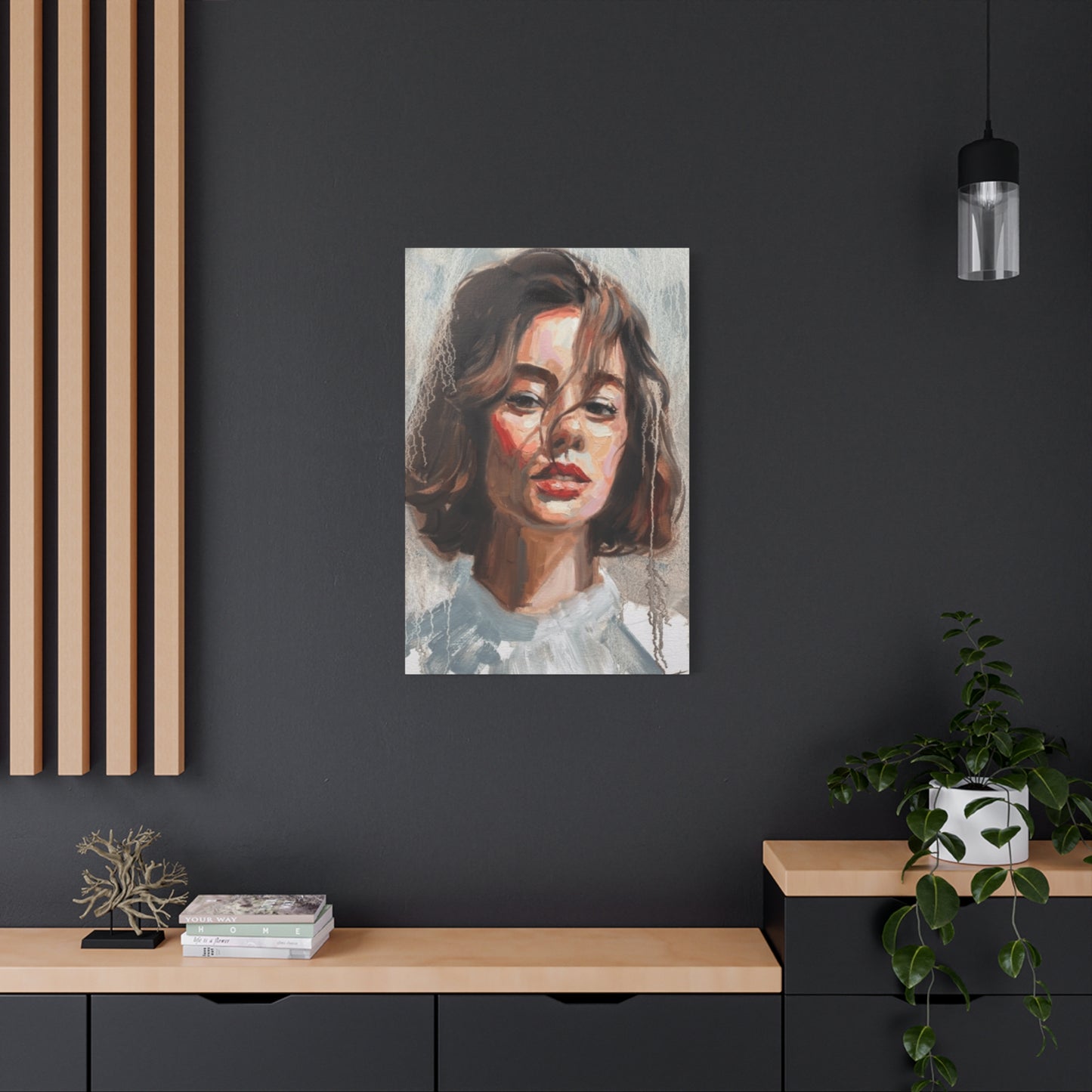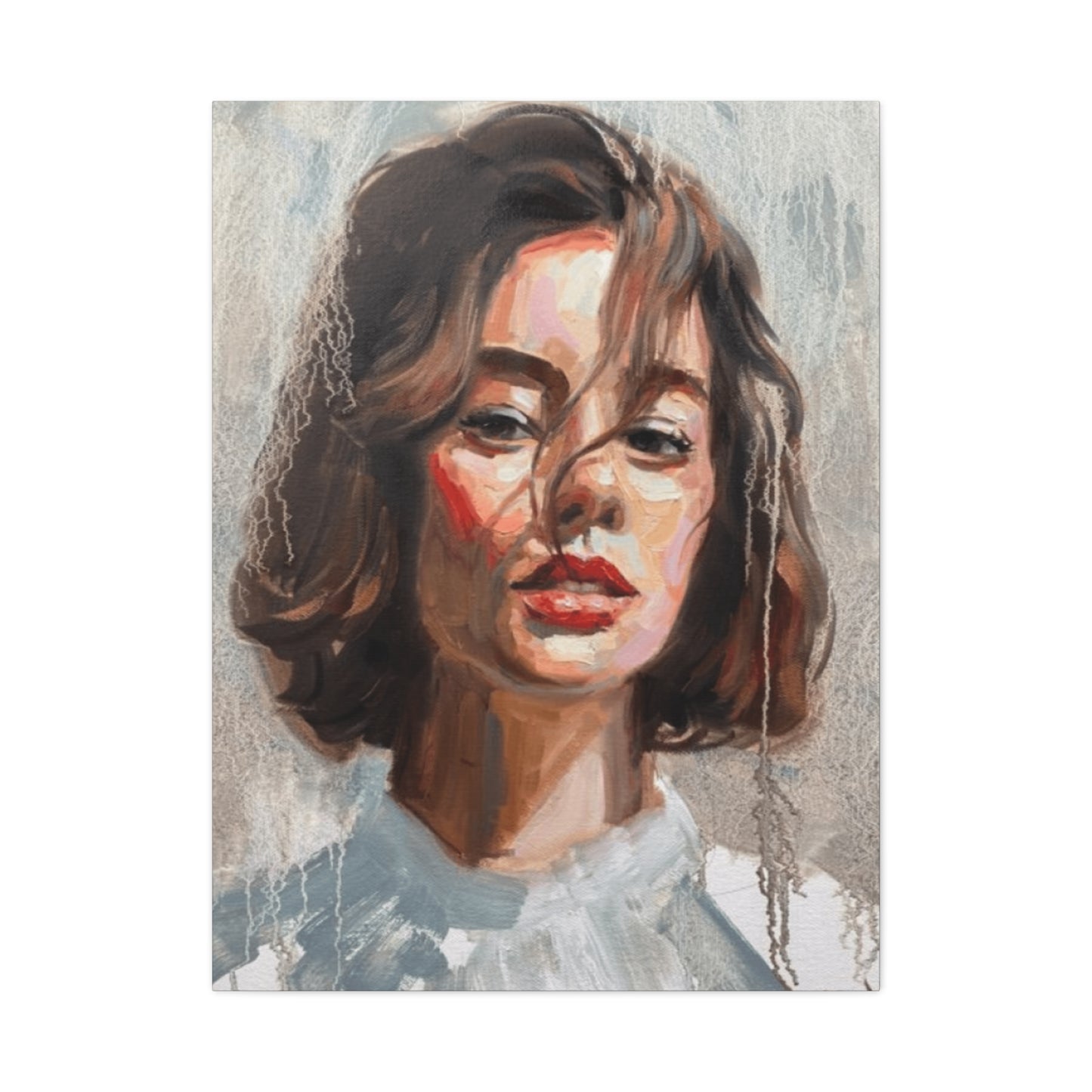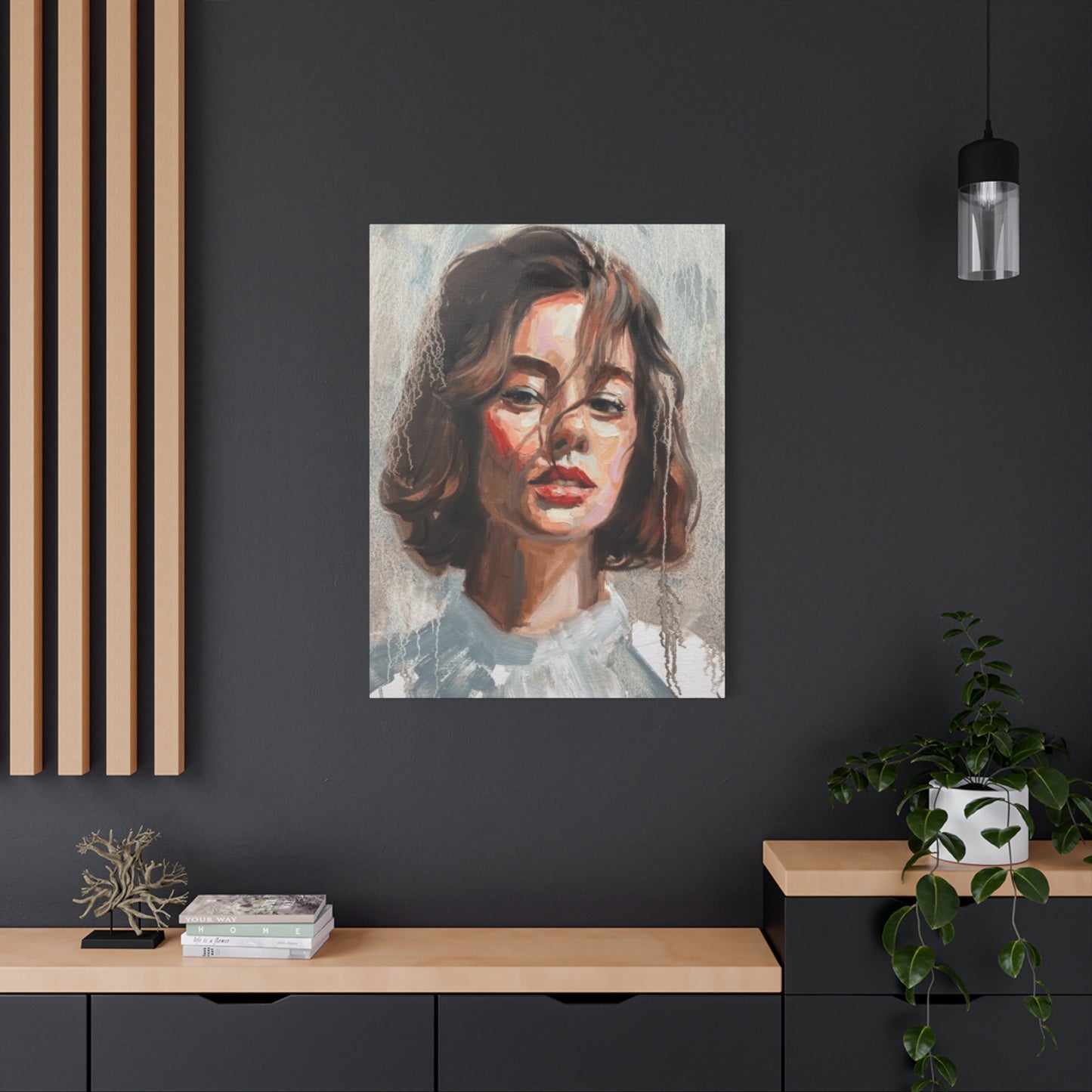


A Portrait Of Short Hair Women Wall Art & Canvas Prints
A Portrait Of Short Hair Women Wall Art & Canvas Prints
Couldn't load pickup availability
Celebrating Feminine Beauty: A Portrait Of Short Hair Women Wall Art For Modern Living Spaces
The world of interior decoration has witnessed a remarkable shift towards celebrating diverse representations of beauty, particularly through artistic expressions that challenge conventional norms. Among these evolving trends, imagery showcasing females with cropped hairstyles has emerged as a powerful statement piece that transforms residential and commercial environments. These visual representations serve multiple purposes, from adding aesthetic value to spaces while simultaneously promoting messages of empowerment, individuality, and contemporary femininity.
Throughout different eras, women with shorter locks have symbolized various movements, ideologies, and shifts in societal expectations. From the flapper era of the 1920s to the punk movement of the 1970s, and continuing into present times, cropped feminine hairstyles have consistently represented rebellion against traditional constraints, professional sophistication, and personal liberation. Artwork celebrating this particular aesthetic brings these rich cultural narratives directly into our living environments, creating conversation starters and reflection points for inhabitants and visitors alike.
The resurgence of interest in such imagery reflects broader cultural conversations about gender expression, beauty standards, and individual autonomy. When we incorporate these visual elements into our surroundings, we participate in a larger dialogue that transcends mere decoration. These pieces become anchors for personal identity expression, allowing homeowners and space designers to communicate values, preferences, and worldviews without uttering a single word.
Modern artistic representations of females sporting cropped styles range from hyperrealistic photography to abstract interpretations, from minimalist line drawings to vibrant pop art renditions. This diversity ensures that regardless of existing interior design schemes—whether leaning toward industrial minimalism, bohemian eclecticism, Scandinavian simplicity, or traditional elegance—there exists a complementary piece that enhances rather than disrupts the established aesthetic harmony.
Psychological Impact Of Figurative Artwork On Residential Atmosphere
The presence of human figures within interior spaces creates an entirely different emotional landscape compared to abstract patterns, landscape imagery, or still life compositions. Research in environmental psychology demonstrates that figurative artwork establishes a sense of companionship and reduces feelings of isolation, particularly in spaces where individuals spend significant solitary time. A portrait of short hair women wall art introduces a human element that can make expansive rooms feel more intimate or solitary spaces feel less isolated.
Beyond mere companionship, the specific characteristics depicted in figurative pieces influence the psychological tenor of environments. Imagery featuring confident, self-assured females with contemporary hairstyles tends to evoke feelings of empowerment, modernity, and progressive thinking. These subtle psychological influences accumulate over time, shaping not only how we perceive our spaces but also how we perceive ourselves within them.
The color palettes employed in such artwork further amplify these effects. Monochromatic pieces featuring blacks, whites, and grays introduce sophistication and timelessness, creating focal points that command attention without overwhelming sensory input. Conversely, vibrant color schemes incorporating bold hues inject energy, creativity, and dynamism into environments, making them particularly suitable for creative workspaces, studios, or entertainment areas.
Placement considerations also significantly impact psychological effects. Positioning such pieces at eye level in frequently occupied areas—such as above sofas, behind desks, or along hallway passages—ensures regular visual engagement, thereby maximizing their influence on mood and atmosphere. Alternatively, placing them in transitional spaces like entryways or corridors creates memorable first impressions for visitors while establishing the aesthetic tone for entire properties.
Matching Artistic Styles With Interior Design Philosophies
Successful incorporation of figurative artwork requires thoughtful consideration of existing design elements, color schemes, furniture selections, and overall spatial characteristics. The contemporary marketplace offers countless interpretations of feminine beauty with cropped hairstyles, each suited to different design contexts and personal preferences.
For spaces embracing industrial aesthetics—characterized by exposed brick, metal fixtures, concrete surfaces, and utilitarian furniture—black and white photographic prints or charcoal sketch reproductions complement the raw, unfinished quality of such environments. These pieces should feature strong contrasts, defined lines, and minimal embellishment to maintain consistency with the industrial philosophy's emphasis on functionality and honest materiality.
Scandinavian-inspired interiors, known for their emphasis on natural light, neutral color palettes, organic materials, and uncluttered compositions, pair beautifully with minimalist line drawings or watercolor interpretations. These lighter, airier artistic approaches respect the Scandinavian principle of lagom—the concept of balanced moderation—without introducing visual heaviness that contradicts the design philosophy's fundamental principles.
Bohemian spaces, characterized by layered textiles, eclectic furniture collections, global influences, and abundant pattern mixing, can accommodate more adventurous artistic interpretations. Vibrant pop art renditions, mixed media collages, or culturally diverse artistic styles complement the bohemian embrace of maximalism and personal expression. In these contexts, A portrait of short hair women wall art becomes one element within a larger tapestry of visual stimulation rather than a singular focal point.
Mid-century modern interiors, distinguished by clean lines, organic curves, functional forms, and retro color palettes, harmonize with vintage-inspired imagery or contemporary pieces that reference 1950s and 1960s aesthetic sensibilities. Selecting artwork featuring period-appropriate styling, clothing, and color schemes creates cohesive visual narratives that strengthen the mid-century atmosphere.
Material Considerations For Longevity And Visual Impact
The substrate upon which artwork is printed or created dramatically influences both its visual presentation and durability over time. Canvas remains the most popular choice for larger-scale pieces, offering texture that adds depth and dimension while successfully mimicking traditional painting surfaces. Gallery-wrapped canvas—where the image continues around the frame edges—creates a polished, contemporary appearance suitable for hanging without additional framing.
Metal prints have gained considerable popularity for their striking visual clarity, exceptional durability, and modern aesthetic appeal. The printing process infuses dyes directly into specially coated aluminum sheets, resulting in luminous colors, extraordinary detail retention, and resistance to fading, scratching, and moisture damage. These characteristics make metal prints particularly suitable for humid environments like bathrooms or kitchens, as well as high-traffic commercial spaces where durability is paramount.
Acrylic face-mounting involves printing on photographic paper or other materials, then mounting them behind clear acrylic panels. This process creates remarkable depth, vibrant color saturation, and a glossy, contemporary finish that commands attention. The protective acrylic layer also shields the underlying image from environmental damage, ensuring longevity even in challenging conditions.
Traditional framing options provide endless customization possibilities, allowing artwork to be tailored to specific interior contexts. Ornate frames suit traditional or eclectic interiors, while simple, clean-lined frames complement modern or minimalist spaces. Frame color selection should consider both the artwork itself and surrounding decor elements—matching or complementing furniture finishes, metallic fixtures, or prominent accent colors creates visual cohesion.
Paper quality significantly impacts both appearance and preservation for prints. Acid-free, archival-grade papers prevent yellowing and degradation over time, essential for pieces intended as long-term investments. Matte finishes reduce glare and suit most lighting conditions, while glossy finishes enhance color vibrancy but require careful positioning to avoid reflective distraction.
Size Proportions And Spatial Relationships
Determining appropriate artwork dimensions requires careful consideration of wall dimensions, furniture scales, ceiling heights, and viewing distances. Undersized pieces disappear into their surroundings, failing to create intended impact, while oversized selections overwhelm spaces and create visual imbalance.
For placement above furniture pieces like sofas, beds, or console tables, artwork width should typically span two-thirds to three-quarters of the furniture width below. This proportion creates visual harmony without appearing either lost or excessive. When hanging multiple pieces together, treating them as a single compositional unit and applying the same proportional guidelines ensures balanced arrangements.
Vertical spaces, such as narrow wall sections flanking windows or between doorways, benefit from vertically-oriented pieces that emphasize height rather than fighting against spatial limitations. Conversely, horizontal expanses above long furniture pieces or in wide hallways call for landscape-oriented artwork or horizontal arrangements of multiple pieces.
Scale relationships extend beyond mere dimensions to encompass visual weight—the perceived heaviness or lightness of artistic elements. Darker, more densely detailed pieces carry greater visual weight than lighter, minimalist compositions, even when physical dimensions are identical. Balancing visual weight across rooms prevents certain areas from feeling overly dominant while others seem neglected or incomplete.
Gallery walls—curated collections of multiple pieces arranged together—require particular attention to both individual element selection and overall compositional balance. Successful gallery walls maintain consistent thematic threads (such as exclusively featuring feminine portraiture) while introducing variety through differing sizes, frame styles, or artistic interpretations. Laying out entire arrangements on floors before hanging allows experimentation without creating unnecessary wall damage.
Color Theory Principles For Cohesive Interior Palettes
Color relationships between artwork and surrounding decor significantly influence overall aesthetic success. Understanding basic color theory principles enables informed decisions that enhance rather than detract from existing design schemes.
Analogous color schemes employ colors adjacent on the color wheel, creating harmonious, low-contrast compositions that feel naturally coordinated. If existing decor features predominantly blue tones, selecting artwork incorporating blues, blue-greens, and blue-purples maintains this harmonious relationship while introducing subtle variation.
Complementary color schemes utilize opposite color wheel positions, creating high-contrast, dynamic visual relationships. Orange artwork provides striking contrast in predominantly blue rooms, while purple pieces create drama against yellow backgrounds. These bold choices inject energy and visual interest but require careful balancing to avoid overwhelming sensory experiences.
Monochromatic approaches vary lightness and saturation within single color families, creating sophisticated, unified aesthetics. A room decorated in various gray tones benefits from artwork exploring the full range from near-white to charcoal, maintaining color consistency while preventing monotonous uniformity.
Triadic color schemes employ three evenly spaced color wheel positions, offering vibrant diversity while maintaining balance. Red, yellow, and blue combinations or orange, green, and purple arrangements create lively, energetic environments suitable for creative spaces or entertainment areas.
Beyond these formal schemes, considering color temperature influences atmospheric perception. Warm colors (reds, oranges, yellows) create energetic, welcoming environments that psychologically advance toward viewers, making large rooms feel more intimate. Cool colors (blues, greens, purples) promote calmness and contemplation while receding visually, making small spaces feel larger and more open.
Neutral backdrops provide maximum flexibility, allowing artwork to serve as primary color sources without competing against existing palette commitments. White, gray, beige, or taupe walls accommodate virtually any artistic color scheme, simplifying future decor modifications without requiring artwork replacement.
Lighting Strategies For Maximizing Artistic Impact
Even exceptional artwork fails to achieve its potential without proper illumination. Lighting not only affects visibility but dramatically influences color perception, texture visibility, and overall emotional impact.
Natural lighting varies throughout days and seasons, creating dynamic viewing experiences that artificial lighting cannot replicate. Positioning artwork on walls receiving indirect natural light prevents fading while maintaining visibility. Direct sunlight causes accelerated deterioration of pigments and substrates, necessitating UV-protective glazing or alternative positioning for pieces in sun-exposed locations.
Artificial lighting offers control and consistency unavailable with natural sources. Track lighting systems provide flexible solutions, allowing individual spotlight adjustment to accommodate artwork repositioning or collection changes. Angle adjustments prevent glare while ensuring even illumination across entire surfaces.
Picture lights mounted directly above or below artwork create dramatic emphasis while adding sophisticated decorative elements. Available in various finishes matching other metallic fixtures, these dedicated lights ensure consistent illumination regardless of ambient lighting conditions. Battery-operated options eliminate wiring concerns, expanding placement possibilities.
Ambient lighting from ceiling fixtures, floor lamps, or table lamps contributes to overall visibility but rarely provides sufficient focused illumination for artwork appreciation. Layering multiple light sources creates depth and dimensional interest while ensuring adequate illumination for all room areas and activities.
Color temperature selection influences artwork perception significantly. Warm light (2700-3000K) enhances reds, oranges, and yellows while muting cooler colors, creating cozy, intimate atmospheres. Cool light (4000-5000K) enhances blues, greens, and purples while appearing more energizing and clinical. Neutral white light (3500-4000K) provides balanced color rendering suitable for most contexts.
Dimmer switches introduce flexibility, allowing lighting intensity adjustments based on time of day, activities, or desired moods. Bright illumination suits active daytime hours, while reduced intensity creates relaxing evening environments conducive to unwinding and contemplation.
Procurement Strategies For Quality And Value
The marketplace for decorative artwork spans vast price ranges, quality levels, and acquisition channels. Navigating these options successfully requires understanding various procurement approaches and their respective advantages.
Online marketplaces offer unprecedented selection, competitive pricing, and convenience but introduce challenges regarding color accuracy and quality assessment. Monitor calibrations vary significantly, meaning displayed colors may differ substantially from actual products. Requesting physical samples before committing to large or expensive pieces mitigates this risk, though not all sellers accommodate such requests.
Print-on-demand services allow custom sizing and substrate selection, often from extensive image libraries. These platforms democratize artwork access but typically feature mass-distributed images lacking uniqueness. For those prioritizing individuality, seeking limited edition prints or commissioning original works ensures distinctive pieces unavailable in countless other homes.
Local galleries and art fairs provide opportunities for direct artist engagement, supporting creative communities while acquiring unique pieces. Though typically commanding higher prices than mass-produced alternatives, original works or limited editions represent investment pieces that may appreciate over time while offering incomparable distinctiveness.
Independent artists increasingly market directly through personal websites and social media platforms, eliminating intermediary markups while fostering direct creator-collector relationships. These transactions often allow customization discussions, ensuring pieces perfectly align with specific requirements and preferences.
Auction platforms and estate sales occasionally yield remarkable discoveries at favorable prices, though requiring patience, research, and sometimes restoration investments. Vintage pieces add character and conversation value while offering aesthetic qualities distinguishable from contemporary productions.
Reproduction quality varies enormously across price points and vendors. Examining vendor reputations through reviews, requesting detailed specifications regarding paper quality and printing processes, and understanding return policies protects against disappointing purchases. Professional-grade giclee printing on archival substrates ensures longevity and color fidelity worthy of investment.
Curatorial Approaches For Cohesive Collections
Rather than acquiring individual pieces impulsively, developing curatorial strategies results in cohesive collections that strengthen interior narratives while reflecting personal evolution and refined taste.
Thematic consistency provides organizational frameworks guiding acquisition decisions. Focusing exclusively on feminine portraiture, for instance, creates clear parameters while allowing enormous variety within that scope. Other organizing principles might include specific color palettes, particular artistic movements, individual artists, or conceptual themes.
Temporal diversification introduces variety while maintaining coherence. Combining vintage pieces with contemporary works creates visual dialogue across eras, suggesting continuity of themes despite changing aesthetic conventions. This approach adds depth and complexity to collections that exclusively contemporary or exclusively vintage assemblages lack.
Scale variation prevents monotonous uniformity while establishing rhythm and visual interest. Mixing large statement pieces with smaller supporting works creates hierarchical relationships that guide viewer attention while filling spaces of varying dimensions throughout properties.
Stylistic diversity within thematic boundaries prevents collections from appearing repetitive or stagnant. A collection focused on feminine portraiture might include photographic prints, painted interpretations, digital art, and mixed media pieces, all exploring the central theme through different artistic lenses.
Documentation practices preserve provenance information, acquisition details, and artist backgrounds, enriching collections beyond mere visual appeal. This information enhances enjoyment, facilitates insurance claims if necessary, and provides valuable context for future generations who may inherit collections.
Rotation strategies keep environments fresh and dynamic without requiring continuous acquisitions. Storing portions of collections and periodically exchanging displayed pieces prevents visual fatigue while allowing rediscovery of previously overlooked details. This approach particularly suits collectors whose acquisitions exceed available display space.
Placement Strategies For Various Residential Zones
Different functional areas within residences present distinct opportunities and constraints for artwork display, requiring tailored approaches that respect each space's unique characteristics and purposes.
Living rooms, serving as primary gathering and entertainment spaces, accommodate larger, bolder pieces that establish aesthetic tones for entire homes. Above sofas represents the most common placement location, creating focal points that anchor furniture arrangements while providing natural viewing positions for seated occupants and standing guests.
Dining areas benefit from imagery that stimulates pleasant conversation without causing distraction during meals. Pieces evoking positive emotions and sophisticated aesthetics enhance dining experiences, while controversial or disturbing imagery might inhibit appetite or comfortable social interaction. Size considerations should account for viewing distances from various seating positions around tables.
Bedroom artwork should promote relaxation and personal reflection, making calmer, more introspective pieces preferable to energizing or provocative selections. Above beds represents traditional placement, though side walls or opposite wall positions allow appreciation from bed positions. Personal taste should reign supreme in these private sanctuaries, regardless of whether selections align with broader household aesthetics.
Home offices require careful balancing between professional appropriateness and motivational impact. Imagery promoting confidence, creativity, and focus enhances productivity, while pieces that are too relaxing might undermine work motivation. Video conference backgrounds deserve consideration, ensuring visible artwork projects desired professional images.
Entryways and foyers create crucial first impressions, making them prime locations for statement pieces that immediately communicate aesthetic sensibilities and personal values. These transitional spaces typically allow only brief viewing moments, making bold, immediately comprehensible imagery more effective than subtle, detail-dependent pieces requiring extended contemplation.
Bathrooms present humidity challenges requiring material considerations like metal prints or sealed canvas. Smaller scales suit typical bathroom dimensions, while subject matter should consider the personal nature of these spaces and comfort levels of guests who may use them.
Hallways transform potentially dead circulation spaces into gallery-like experiences, particularly suited to series or collections arranged in progression. Lower traffic volumes reduce damage risks for delicate pieces, while linear arrangements guide movement through properties while maintaining visual interest.
Creating Harmonious Multi-Piece Arrangements
When displaying multiple artworks together, compositional principles guide arrangements that feel intentional rather than haphazard, creating unified visual statements greater than individual component sums.
Grid arrangements organize multiple pieces into regular, evenly-spaced patterns, creating clean, contemporary aesthetics particularly suited to modern or minimalist interiors. This approach works best when individual pieces share common dimensions, frame styles, or thematic elements, preventing visual chaos that undermines the orderly arrangement's purpose.
Salon-style hanging, inspired by crowded gallery walls of previous centuries, densely packs varied pieces with minimal spacing. This maximalist approach suits bohemian, eclectic, or traditional interiors but requires careful curation ensuring sufficient thematic or stylistic connections prevent arrangements from appearing merely cluttered.
Linear arrangements align multiple pieces horizontally or vertically, creating rhythm through repetition while maintaining simplicity. This approach suits hallways, above long furniture pieces, or flanking architectural features like fireplaces or windows.
Asymmetrical balance arranges pieces of varying sizes and shapes in compositions where visual weight distribution creates equilibrium without formal symmetry. This sophisticated approach requires more planning than simple grids but results in dynamic, interesting arrangements that reward extended viewing.
Central focus arrangements position one dominant piece surrounded by smaller supporting elements, creating clear hierarchical relationships. The primary piece should relate thematically to surrounding elements while being sufficiently distinct in scale, color, or style to justify its dominant position.
Triptych or diptych formats divide single images across multiple panels, creating contemporary interpretations of traditional multi-panel paintings. This approach allows large-scale imagery even where single large pieces might overwhelm spaces or where wall dimensions constrain single-piece sizes.
Template creation before hanging prevents unnecessary wall damage from experimental positioning. Cutting paper templates matching frame dimensions and temporarily taping them to walls allows arrangement experimentation and refinement before driving nails or screws. This preparatory investment saves frustration and preserves wall surfaces.
Preservation Practices For Lasting Beauty
Proper care ensures artwork remains visually stunning and structurally sound for decades, protecting both aesthetic and financial investments.
Environmental control represents the most critical preservation factor. Excessive humidity promotes mold growth, substrate warping, and adhesive failure, while insufficient humidity causes brittleness and cracking. Ideal relative humidity ranges between 40-50%, maintained through whole-house systems or localized humidifiers and dehumidifiers as needed.
Temperature stability prevents expansion-contraction cycles that stress substrates and mounting systems. Avoiding placement near heat sources like radiators, fireplaces, or heating vents protects against accelerated deterioration. Similarly, air conditioning vents directing cold air directly onto artwork should be redirected or artwork relocated.
UV exposure remains the most significant environmental threat to artwork longevity. Ultraviolet radiation breaks down pigments and substrates, causing fading and brittleness. Museum-quality glazing blocks 99% of UV radiation while maintaining transparency, providing invisible protection. UV-filtering window films offer alternative solutions for rooms with significant sun exposure.
Dust accumulation dulls surfaces and provides food sources for insects and microorganisms. Regular dusting with soft, lint-free cloths prevents buildup, though avoiding direct surface contact on unglazed pieces prevents smudging or scratching. Compressed air removes dust from recessed frame details and textured surfaces.
Cleaning requires substrate-appropriate approaches. Glass or acrylic glazing tolerates mild glass cleaners applied to cleaning cloths (never sprayed directly on artwork), while unglazed canvas requires specialized art cleaning products or professional services. When uncertain about appropriate cleaning methods, consulting professional conservators prevents irreversible damage.
Hanging hardware quality significantly impacts security and preservation. Quality picture hooks rated for artwork weight prevent falls, while wire hangers distributing weight across multiple hanging points reduce stress concentrations. D-rings provide more secure mounting than wire alone, particularly for heavier pieces.
Insurance documentation through photographs, receipts, and appraisals protects financial investments if damage or loss occurs. Updating documentation as collections grow ensures adequate coverage, while specific riders for valuable pieces provide protection beyond standard homeowners policies.
Seasonal Rotation For Dynamic Environments
Just as fashion wardrobes transition across seasons, artwork rotation maintains environmental freshness while preventing visual familiarity that breeds inattention.
Seasonal themes provide natural rotation frameworks. Lighter, airier pieces suit spring and summer months, evoking renewal and vitality, while darker, more contemplative works align with autumn and winter introspection. Though figurative portraits might seem seasonally neutral, color palettes and compositional energies can suggest seasonal appropriateness.
Storage requirements for rotated pieces include environmental protection from dust, humidity, light, and physical damage. Acid-free wrapping materials prevent chemical degradation, while sturdy boxes or portfolio cases protect against impacts. Storage locations should maintain stable temperatures and humidity levels, avoiding attics, basements, or garages prone to extremes.
Rotation schedules prevent storage periods from extending indefinitely, ensuring all collection pieces receive regular display opportunities. Quarterly rotations align with seasons, while semi-annual changes reduce handling while maintaining sufficient variety. Calendar reminders ensure rotations actually occur rather than becoming perpetually postponed tasks.
Documentation of rotation schedules and current display locations prevents confusion, particularly in larger collections where remembering every piece's location becomes challenging. Simple spreadsheets or dedicated collection management software track pieces, locations, display histories, and planned future rotations.
Rotation opportunities allow critical assessment of individual pieces' continued relevance to collections and environments. Pieces that generate little enthusiasm upon reinstallation might indicate evolved tastes suggesting deaccessioning, freeing resources and space for acquisitions better aligned with current preferences.
Commissioning Custom Works For Perfect Alignment
While existing marketplace offerings suit most requirements, commissioning original pieces ensures perfect alignment with specific visions, dimensions, and thematic requirements.
Artist selection should balance stylistic alignment, professional reputation, pricing, and interpersonal compatibility. Reviewing portfolios identifies artists whose existing work suggests capability of executing desired visions. Preliminary conversations assess communication styles and creative processes, indicating whether collaborative relationships will prove satisfying.
Brief development clarifies visions, requirements, and expectations before artists begin work. Detailed descriptions of desired subjects, color palettes, dimensions, substrates, and stylistic approaches prevent misunderstandings. Reference image collections illustrating desired aesthetics guide artists while respecting their creative interpretation freedom.
Contract agreements protect both parties by documenting deliverables, timelines, payment schedules, revision allowances, and copyright considerations. Clear contracts prevent disputes while establishing professional frameworks that allow creative work to proceed smoothly.
Progress updates during creation processes allow course corrections before completion, when major revisions become impractical or impossible. Many artists provide preliminary sketches or studies for approval before committing to final executions, ensuring alignment before significant time and material investments.
Revision negotiations should balance achieving satisfactory results with respecting artists' creative autonomy and reasonable compensation for their labor. Minor adjustments typically fall within initial agreements, while major conceptual changes might require additional compensation. Clear preliminary communication about revision expectations prevents conflicts.
Payment structures typically involve deposits securing artists' commitments and covering initial material costs, with final payments upon satisfactory completion. This approach protects artists from non-payment while giving commissioners leverage ensuring satisfactory completion before full payment.
Copyright considerations deserve attention, as artists typically retain copyrights unless specific agreements transfer them. This distinction affects reproduction rights—whether commissioners can create prints, merchandise, or digital reproductions. Clear agreements prevent future conflicts about permissible uses.
Commercial Space Considerations And Requirements
Artwork selection for commercial environments involves additional considerations beyond residential contexts, addressing branding alignment, diverse audience appeal, durability requirements, and professional appropriateness.
Brand identity alignment ensures artwork reinforces rather than contradicts organizational messages and values. Progressive, innovative companies might embrace bold, contemporary imagery, while traditional firms might prefer classic, conservative selections. A portrait of short hair women wall art in professional environments can communicate modernity, diversity commitment, and forward-thinking values when selected thoughtfully.
Diverse audience appeal becomes paramount in public-facing commercial spaces where artwork will be viewed by people with varying cultural backgrounds, personal values, and aesthetic preferences. Selections should avoid potentially offensive content while maintaining sufficient interest and sophistication to create positive impressions.
Durability requirements exceed residential standards, as commercial spaces experience higher traffic, varying environmental conditions, and sometimes harsh treatment. Metal prints, sealed canvas, or glazed pieces withstand commercial demands better than delicate paper prints or unprotected surfaces.
Maintenance accessibility influences long-term satisfaction, as commercial spaces require regular cleaning that artwork shouldn't complicate. Pieces requiring specialized cleaning or fragile elements poorly suit high-traffic areas, while durable, easily maintained selections allow straightforward facility management.
Liability considerations include secure mounting preventing falls that might injure occupants or visitors, appropriate subject matter avoiding hostile environment claims, and compliance with industry-specific regulations. Healthcare facilities, for instance, face different requirements than law offices or retail establishments.
Professional services specializing in commercial artwork acquisition understand these unique requirements and often maintain extensive inventories suitable for various commercial contexts. These specialists typically offer rental programs allowing periodic updates without large capital expenditures, maintaining environmental freshness and contemporary relevance.
Balancing Personal Expression With Resale Considerations
For homeowners planning future property sales, balancing personal aesthetic preferences with broad market appeal presents interesting challenges.
Neutral palette artwork offers safer choices for those concerned about buyer reactions, as beiges, grays, whites, and blacks offend fewer sensibilities than bold colors. However, completely sanitizing homes of personality risks making them feel sterile and unmemorable during showings, potentially reducing rather than enhancing appeal.
Moderate scale pieces allow personal expression while remaining easily replaceable if buyers express concerns. Massive custom installations might deter buyers who view removal or replacement as daunting undertakings, while appropriately-scaled pieces demonstrate good taste without demanding buyer commitment to specific aesthetics.
Quality craftsmanship and materials signal overall property care standards, suggesting meticulous maintenance extending beyond visible decor. Investment pieces convey ownership pride and attention to detail that buyers associate with well-maintained properties requiring fewer deferred maintenance concerns.
Strategic placement in secondary spaces rather than primary rooms allows personality expression while keeping main areas more neutrally appealing. Bold, personal selections in private bedrooms or home offices demonstrate character without dominating first impression spaces like entryways and living rooms.
Ultimately, genuine personal satisfaction during occupancy typically outweighs marginal resale advantages from carefully calculated neutral choices. Properties marketed authentically attract buyers appreciating demonstrated aesthetics, potentially commanding premiums from aligned purchasers rather than compromising to appeal to everyone.
Cross-Cultural Perspectives On Feminine Beauty Representation
Artistic representations of feminine beauty vary dramatically across cultures, offering rich opportunities for exploring global perspectives while navigating potential sensitivity concerns.
Western contemporary art increasingly emphasizes diverse beauty standards, challenging historically narrow representations that privileged specific body types, skin tones, ages, and presentations. This expanding inclusivity manifests in artwork celebrating characteristics previously marginalized or entirely absent from mainstream artistic traditions.
Eastern artistic traditions bring distinct aesthetic philosophies emphasizing harmony, balance, and symbolic meaning beyond literal representation. Japanese minimalism, Chinese ink painting traditions, and South Asian decorative approaches offer alternative frameworks for depicting human subjects that Western audiences may find refreshingly different from familiar photographic realism.
African artistic traditions often employ bold patterns, vibrant colors, and stylized rather than realistic representations, creating visually striking pieces that command attention while celebrating cultural heritage. Contemporary African artists increasingly gain international recognition, making their works more accessible to global audiences.
Indigenous artistic traditions from Australian Aboriginal communities, Native American tribes, and other indigenous peoples worldwide offer unique perspectives rooted in deep cultural histories and spiritual traditions. Acquiring and displaying these works requires cultural sensitivity and awareness of appropriation concerns, particularly regarding sacred imagery or ceremonial elements.
Middle Eastern and Islamic artistic traditions navigating religious prohibitions against figurative representation have developed extraordinary abstract and geometric traditions. Contemporary artists from these regions increasingly experiment with figurative work that balances cultural heritage with contemporary expression, creating fascinating hybrid approaches.
Cross-cultural awareness prevents unintended offense or appropriation while enriching personal environments with global perspectives. Researching artistic cultural contexts, supporting artists from represented cultures rather than outsider interpreters, and approaching displays with respect and appreciation rather than mere exoticism demonstrates cultural sensitivity.
The Role Of Feminine Imagery In Gender Discourse
Visual representations of women in contemporary spaces participate in ongoing cultural conversations about gender, beauty standards, power dynamics, and representation politics.
Traditional feminine portraiture historically objectified subjects, serving primarily male viewers' pleasure rather than celebrating female agency, complexity, or interiority. Contemporary artists increasingly reject this dynamic, creating works that present women as subjects with full humanity rather than objects for consumption.
Short hairstyles on women specifically challenge traditional beauty standards associating femininity with long hair, contributing to broader conversations about arbitrary beauty norms and individual choice. Displaying such imagery signals alignment with these conversations while creating visual reminders of beauty diversity.
Representation matters significantly in shaping cultural attitudes and individual self-perception. Diverse visual representations normalize variety, combating narrow beauty standards that cause widespread dissatisfaction and mental health challenges. Environments filled with diverse imagery contribute to healthier, more inclusive cultural attitudes.
Male gaze theory critiques how traditional art presents women through presumed heterosexual male perspectives, positioning viewers as masculine observers of passive feminine subjects. Contemporary artists consciously resist this dynamic through compositional choices, subject positioning, and contextual elements that grant subjects agency and complexity.
Intersectional feminism recognizes that gender intersects with race, class, sexuality, disability, and other identity dimensions, creating diverse experiences irreducible to singular narratives. Artwork representing this diversity moves beyond simplistic "strong woman" tropes toward nuanced portrayals acknowledging complex, multifaceted identities.
These theoretical frameworks need not burden casual artwork appreciation, but awareness enriches understanding of why certain pieces resonate emotionally while others feel uncomfortable or problematic. Personal reflection about what specific images communicate and reinforce enhances intentional environment creation aligned with values.
Digital Versus Physical Artwork Considerations
Emerging display technologies introduce alternatives to traditional physical artwork, each offering distinct advantages and limitations worth considering.
Digital frames displaying rotating image libraries maximize variety within single footprints, accommodating vast collections without physical storage requirements. High-resolution displays rival print quality, while scheduling features allow automatic image rotation and customization for different times or occasions.
Advantages include unlimited variety, easy updating without physical handling or wall damage, and accommodation of images where physical prints prove prohibitively expensive. Families might display rotating personal photographs, artists might showcase portfolio works, and collectors might enjoy entire image libraries.
Limitations include ongoing electricity consumption, potential technological obsolescence requiring replacement, dependence on functional electronics that physical artwork lacks, and aesthetic differences some find less satisfying than physical media. Screen glare in certain lighting conditions and blue light emission raise additional concerns.
Hybrid approaches position digital frames in secondary locations while maintaining physical artwork in primary spaces, combining advantages while mitigating limitations. Home offices, kitchens, or bedrooms might accommodate digital displays, while living rooms and entryways feature physical pieces.
Projection technologies create dramatic large-scale displays impossible or impractical with physical media, though requiring darkened environments and specialized equipment. Art projectors specifically designed for image display offer alternatives to traditional pieces, particularly in entertainment spaces or contemporary-styled homes.
Non-fungible tokens (NFTs) represent recent digital art developments, offering ownership verification for digital works through blockchain technology. Though controversial and speculative, NFTs enable digital art collecting with scarcity and provenance characteristics previously exclusive to physical works.
Ultimately, neither digital nor physical approaches universally surpass the other, instead offering different characteristics suiting different preferences, spaces, and purposes. Many enthusiasts incorporate both, appreciating unique advantages while accepting respective limitations.
Conclusion
How and where we acquire artwork significantly impacts creative communities and individual artists' sustainability, making procurement decisions ethical considerations beyond mere aesthetic or financial concerns.
Direct artist purchases provide maximum financial support, eliminating intermediary commissions that consume significant percentages of sale prices. Platforms facilitating direct sales include personal artist websites, social media marketplaces, and artist cooperative platforms designed to minimize transaction costs.
Local gallery purchases support both artists and gallery operations providing crucial exhibition spaces, promotional efforts, and community gathering points. Though galleries retain commissions, their roles in artist career development and artwork curation provide valuable ecosystem functions justifying their compensation.
Online marketplaces democratize access but vary enormously regarding artist compensation and ethical practices. Platforms emphasizing fair artist payment, transparent practices, and community building deserve preference over mass-market retailers maximizing profits while minimizing creator compensation.
Print-on-demand services enable artists to offer works affordably without inventory investments, though per-piece artist compensation often remains minimal. These services democratize art ownership while allowing artists passive income from catalog works, though should supplement rather than replace limited edition or original sales providing more substantial income.
Licensing arrangements allow image usage while compensating copyright holders, though verifying legitimate licensing prevents inadvertent support of art theft. Reverse image searching verifies whether sellers legitimately own distribution rights for marketed images.
Art fairs, studio tours, and open houses provide direct artist access while allowing community immersion and relationship building. These events often yield unique acquisition opportunities while supporting broader creative ecosystem vitality through attendance and participation.
Commission work provides substantial income supporting artists' livelihoods while yielding completely unique pieces unavailable elsewhere. Though requiring larger investments than print purchases, commissioned works offer incomparable individuality while directly sustaining creative practices.
Secondary market purchases through auctions, estate sales, or resellers don't directly compensate original creators but support market development that increases artwork value benefiting artists indirectly. Thoughtful secondary market participation balances personal collecting goals with broader artist support through other channels.
As artwork values increase and reproduction technologies advance, verification practices protect against fraudulent misrepresentation while documenting legitimate provenance.
Certificates of authenticity accompany limited edition prints and original works, documenting edition numbers, creation dates, artist signatures, and relevant production details. These documents should be preserved carefully alongside artwork, maintaining value and providing verification for insurance, resale, or estate purposes.
Artist signatures traditionally authenticate works, though placement and formats vary across artistic mediums and individual preferences. Painters typically sign canvas surfaces, while printmakers might sign margins below printed areas. Researching specific artists' signature practices aids authenticity assessment for unsigned works or questionable signatures.
Edition numbering indicates individual print positions within limited runs, typically formatted as fractions. Lower numbers don't necessarily indicate superior quality in modern printing, though historically earlier prints before plate wear sometimes showed finer details.
Provenance documentation traces ownership histories, particularly significant for valuable or historically important works. Detailed records including acquisition dates, sources, prices, and prior owners establish legitimate ownership while potentially increasing value through notable previous collections or interesting histories.
Share