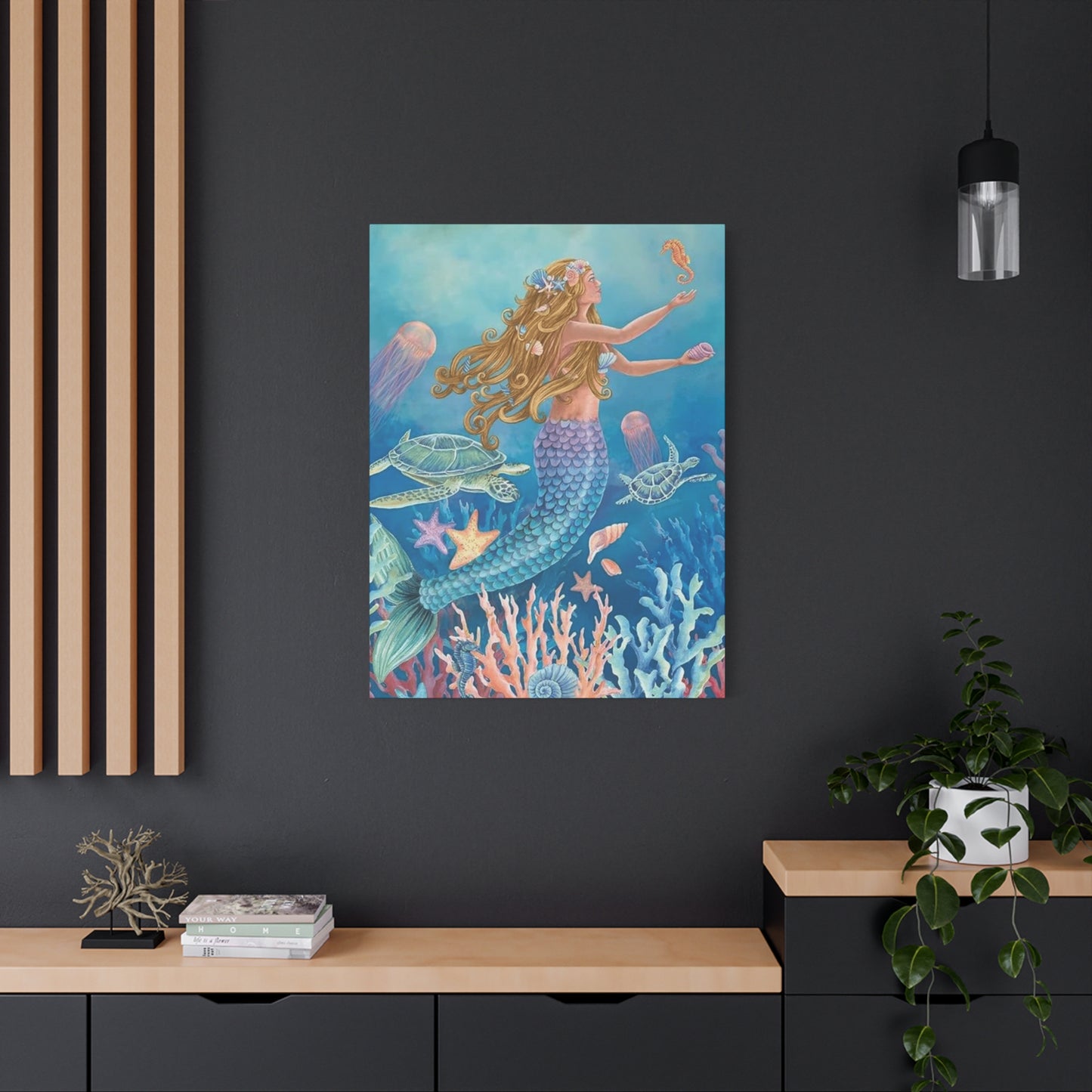
A Mermaid Playing In The Ocean Wall Art & Canvas Prints
A Mermaid Playing In The Ocean Wall Art & Canvas Prints
Couldn't load pickup availability
Ethereal Coastal Canvas: Discovering the Magic Behind A Mermaid Playing In The Ocean Wall Art for Your Living Spaces
The enchanting allure of mythical sea creatures has captivated human imagination for millennia, weaving through folklore, literature, and artistic expression across countless cultures. Among these fantastical beings, the mermaid stands as a timeless symbol of mystery, beauty, and the untamed power of the sea. When this legendary figure is captured in visual form, particularly through A Mermaid Playing In The Ocean Wall Art, it transforms ordinary living quarters into realms of wonder and contemplation. This decorative medium transcends mere ornamentation, serving as a portal to aquatic dreamscapes that can fundamentally alter the atmosphere and energy of any room.
The resurgence of marine-themed interior decoration has witnessed an unprecedented surge in recent years, with homeowners and designers alike gravitating toward nautical elements that evoke tranquility, adventure, and connection to nature. Within this broader trend, mermaid imagery occupies a distinctive niche, appealing to diverse demographics from young children enchanted by fairy tales to adults seeking sophisticated coastal aesthetics. The specific depiction of a mermaid engaged in playful oceanic activities resonates with viewers on multiple levels, suggesting freedom, joy, and harmonious coexistence with the natural world.
Understanding the multifaceted appeal of such artwork requires examination from various perspectives, including artistic merit, psychological impact, cultural significance, and practical considerations for display and preservation. This comprehensive exploration delves into every aspect of acquiring, appreciating, and incorporating A Mermaid Playing In The Ocean Wall Art into contemporary living environments, offering insights that extend far beyond superficial decoration into the realm of meaningful personal expression through visual media.
Mythological Foundations That Shape Contemporary Marine Creature Artwork
The mermaid archetype possesses roots extending deep into ancient civilizations, with variations appearing in Assyrian, Greek, Celtic, and Asian mythologies. These aquatic humanoids have been portrayed alternately as benevolent protectors, dangerous seductresses, and symbols of feminine power throughout recorded history. The Assyrian deity Atargatis, often cited as the earliest mermaid figure, was worshipped as a fertility goddess who accidentally killed her human lover and threw herself into a lake, transforming into a creature with a fish's tail and a woman's upper body. This transformation narrative established themes of sacrifice, metamorphosis, and the liminal space between worlds that continue to resonate in contemporary mermaid imagery.
Greek mythology contributed the Sirens, though originally depicted as bird-women, they eventually merged with mermaid iconography in popular imagination. These beings used their enchanting voices to lure sailors to destruction, representing the dangerous allure of the unknown and the perilous nature of sea voyages. Conversely, Celtic traditions presented merrows and selkies as more nuanced figures capable of forming relationships with humans, sometimes beneficial and sometimes tragic. These cultural variations demonstrate the mermaid's adaptability as a symbolic vessel, capable of embodying diverse meanings depending on context and interpretation.
In Asian folklore, particularly within Japanese and Chinese traditions, ningyo and similar aquatic beings carried associations with longevity, wisdom, and sometimes ominous portents. The consumption of ningyo flesh was believed to grant extended life, while their appearance could herald storms or disasters. These Eastern interpretations added layers of complexity to the global mermaid mythos, introducing elements of prophecy and supernatural power that distinguish them from their Western counterparts.
The Victorian era witnessed a romanticization of mermaid imagery, with artists like John William Waterhouse creating idealized paintings that emphasized beauty, melancholy, and longing. This period established many visual conventions that persist in contemporary mermaid art, including flowing hair, graceful poses, and often wistful expressions that suggest yearning for something beyond reach. The Pre-Raphaelite movement particularly embraced these themes, producing works that influenced decorative arts and popular culture for generations.
Modern reinterpretations of mermaid mythology have expanded to include environmental themes, with these ocean dwellers frequently portrayed as guardians of marine ecosystems threatened by human activity. This ecological dimension adds contemporary relevance to ancient archetypes, allowing A Mermaid Playing In The Ocean Wall Art to serve as both aesthetic enhancement and subtle environmental statement. The playful aspect specifically suggests harmony and joy within the marine environment, contrasting with darker interpretations while maintaining the fundamental connection between mermaids and their aquatic realm.
Artistic Styles and Visual Approaches in Marine Fantasy Illustration
The creation of compelling mermaid artwork encompasses diverse artistic methodologies, each offering distinct visual qualities and emotional resonances. Realistic approaches attempt to render these mythical beings with anatomical precision and naturalistic detail, often employing techniques borrowed from wildlife illustration to depict convincing underwater environments. These pieces might feature careful attention to light refraction through water, accurate marine flora and fauna, and mermaid figures that, despite their fantastical nature, possess believable musculature and form. Such works appeal to viewers who appreciate technical skill and seek artwork that could plausibly depict an actual encounter with these legendary creatures.
Impressionistic interpretations prioritize mood and atmosphere over precise detail, using loose brushwork, vibrant color palettes, and abstract elements to evoke the feeling of oceanic movement and the ephemeral quality of underwater light. These pieces often emphasize the dreamlike aspect of mermaid mythology, creating compositions that feel more like half-remembered dreams than concrete depictions. The impressionistic approach particularly suits representations of playful mermaids, as the dynamic, flowing quality of the style naturally conveys motion and spontaneity.
Watercolor techniques offer unique advantages for marine subjects, as the medium's inherent fluidity mirrors the properties of water itself. Artists working in this medium can achieve luminous, translucent effects that beautifully suggest the play of light through ocean depths. The unpredictable nature of watercolor also introduces organic variations that enhance the natural feel of underwater scenes, with colors bleeding and blending in ways that echo actual aquatic environments.
Digital illustration has revolutionized fantasy art production, enabling artists to achieve effects impossible through traditional media alone. Digital tools allow for intricate layering, precise color control, and the seamless blending of photographic elements with painted components. Many contemporary creators combine hand-drawn elements with digital coloring and effects, producing works that retain artistic warmth while benefiting from digital precision and flexibility. This hybrid approach has become particularly popular for mermaid artwork intended for reproduction, as digital files facilitate consistent quality across multiple prints.
Minimalist and abstract approaches strip away narrative detail to focus on essential forms, colors, and compositions. These interpretations might reduce the mermaid to silhouette or suggestion, emphasizing graphic impact over descriptive content. Such works appeal to viewers seeking contemporary, design-forward decoration that nods to mythological themes without literal representation. The minimalist aesthetic pairs particularly well with modern interior schemes, where overtly detailed or narrative artwork might feel incongruous.
Folk art traditions from various cultures offer another avenue for mermaid depiction, incorporating regional artistic conventions, patterns, and symbolic systems. Scandinavian folk art might render mermaids with geometric precision and limited color palettes, while Caribbean-inspired works could employ vibrant hues and rhythmic patterns reflecting that region's artistic heritage. These culturally-specific interpretations add richness and diversity to the broader category of mermaid artwork, allowing collectors to connect with particular traditions or simply appreciate varied aesthetic approaches.
Mixed media pieces combine multiple materials and techniques, potentially incorporating fabric, found objects, metallic elements, or dimensional components alongside painted surfaces. These works possess tactile interest and physical presence that flat paintings cannot achieve, creating focal points with genuine sculptural qualities. For A Mermaid Playing In The Ocean Wall Art specifically, mixed media approaches might include actual shells, sea glass, or textured materials that enhance the maritime theme through both visual and sometimes tangible elements.
Psychological Effects of Aquatic Imagery on Interior Environments
The incorporation of water-themed visual elements within living spaces produces measurable effects on occupant mood, stress levels, and cognitive function. Research in environmental psychology has consistently demonstrated that exposure to nature imagery, particularly scenes featuring water, promotes relaxation responses and reduces physiological markers of anxiety. The color blue, predominant in oceanic artwork, possesses calming properties documented across numerous studies, with viewers reporting feelings of serenity and mental clarity when surrounded by blue hues.
Biophilic design principles posit that humans possess an innate affinity for natural elements, having evolved in environments rich with organic forms, patterns, and phenomena. This evolutionary inheritance means that even symbolic representations of nature, such as painted seascapes featuring mythical marine creatures, can satisfy psychological needs for connection with the natural world. Urban dwellers particularly benefit from such imagery, as it provides vicarious contact with environments that might otherwise be absent from their daily experience.
The specific depiction of playful activity within A Mermaid Playing In The Ocean Wall Art introduces additional psychological dimensions. Imagery depicting play, joy, and spontaneous movement activates mirror neurons in observers' brains, creating empathetic responses that can elevate mood and promote positive emotional states. This phenomenon explains why artwork featuring dynamic, joyful subjects often proves more emotionally engaging than static or somber compositions, regardless of technical quality.
Mythological subjects like mermaids also engage the imagination in distinctive ways, inviting viewers to mentally expand upon the depicted scene and contemplate the broader narrative context. This imaginative engagement provides a form of mental stimulation distinct from purely abstract or representational artwork. The presence of fantastical elements creates cognitive space for wonder and speculation, qualities increasingly valued in contemporary life dominated by concrete concerns and digital overstimulation.
Color psychology plays a crucial role in the impact of marine-themed artwork. Beyond blue's calming properties, other common oceanic hues contribute specific effects. Aquamarine and turquoise suggest freshness and rejuvenation, often associated with tropical waters and vacation mindsets. Deeper navy and indigo tones evoke mystery and depth, creating more contemplative or dramatic moods. Green undertones common in coastal waters connect to growth, renewal, and vitality. Artists' color choices therefore significantly influence the emotional atmosphere generated by their work, with playful mermaid scenes often employing brighter, more saturated palettes that enhance feelings of joy and energy.
Spatial perception within rooms can be altered through strategic artwork placement, with large-scale pieces creating focal points that draw the eye and establish visual hierarchies. Oceanic scenes specifically can create illusions of expanded space, as the depicted depths seem to extend beyond the physical wall surface. This effect proves particularly valuable in smaller rooms, where visual expansion counteracts feelings of confinement. The horizontal orientation common in seascapes reinforces this spatial effect, as horizontal compositions naturally suggest breadth and openness.
The symbolic associations viewers bring to mermaid imagery further shape its psychological impact. For some, mermaids represent freedom and escape from mundane concerns, their ability to inhabit two worlds (sea and air) suggesting liberation from ordinary constraints. Others connect mermaid symbolism with femininity, sensuality, or maternal qualities, viewing these figures as embodiments of feminine archetypes. Still others appreciate the ecological associations, seeing mermaids as representations of pristine marine environments worthy of protection. These varied interpretations mean that identical artwork can resonate quite differently with different viewers, each extracting personal meaning aligned with their individual psychology and life experience.
Material Considerations for Lasting Visual Impact and Preservation
The physical substrate upon which artwork is printed or painted dramatically influences its appearance, durability, and suitability for various display contexts. Canvas remains perhaps the most popular choice for reproduced artwork, offering texture that mimics original paintings while providing durability superior to paper-based alternatives. Canvas prints stretch across wooden frames, creating gallery-wrapped edges that eliminate the need for additional framing while providing a polished, professional appearance. The fabric's slight texture adds visual interest and reduces glare compared to smoother surfaces, making canvas particularly suitable for spaces with variable lighting conditions.
Paper prints, when produced on archival-quality stock, offer exceptional detail resolution and color accuracy, making them ideal for artwork featuring fine linework or subtle gradations. However, paper requires protective framing behind glass or acrylic to prevent damage from environmental factors. Museum-grade papers treated with acid-neutralizing compounds resist yellowing and deterioration over decades when properly displayed, while lesser-quality papers can show visible degradation within years. The choice between matte and glossy paper finishes affects both appearance and practical considerations, with matte surfaces minimizing reflections but potentially appearing less vibrant, while glossy finishes maximize color saturation at the cost of increased glare.
Metal prints represent a contemporary option gaining popularity for marine-themed artwork. The printing process infuses inks directly into specially-coated aluminum sheets, creating extraordinarily durable images with luminous quality and exceptional depth. The metallic substrate lends itself particularly well to underwater scenes, as its reflective properties enhance the illusion of water's shimmer and movement. Metal prints resist moisture, fading, and physical damage far better than traditional media, making them suitable for humid environments like bathrooms or coastal properties where other artwork might deteriorate. Their lightweight construction and built-in mounting systems also simplify installation.
Acrylic face-mounting involves bonding prints to clear acrylic sheets, creating depth and vibrancy that standard framing cannot match. The acrylic layer acts as a magnifying element, intensifying colors and adding dimensional quality to the image. This premium presentation method suits contemporary interiors and collectors seeking museum-quality display. The smooth, glossy surface requires regular cleaning to maintain clarity but provides unparalleled visual impact when properly maintained. The substantial weight and cost of acrylic-mounted pieces position them as investment-grade decoration rather than casual ornamental accessories.
Wood panel prints offer rustic charm particularly compatible with coastal or cottage aesthetics. Printing directly onto prepared wood surfaces or mounting prints to wooden substrates creates organic warmth that complements marine themes beautifully. The visible wood grain adds texture and character, though it can also interfere with fine image details if too pronounced. Reclaimed or weathered wood enhances the maritime feel, suggesting driftwood or aged ship timbers that thematically align with oceanic subject matter.
Textile-based options including tapestries and fabric panels provide softness and sound-dampening qualities that hard-surfaced artwork cannot offer. These materials suit bedrooms and spaces where acoustic control is desirable. The fabric texture lends itself to more stylized or impressionistic imagery rather than photorealistic content, as the weave pattern becomes part of the visual presentation. Textile artwork generally weighs less than framed alternatives and can be easily changed or stored, offering flexibility for renters or those who frequently redecorate.
Glass prints, created by bonding images to tempered glass panels, offer sleek modernity and exceptional clarity. The glass protects the printed surface while its transparency creates floating visual effects when mounted with standoffs that create space between the print and wall. This presentation style suits minimalist contemporary spaces where clean lines and uncluttered aesthetics prevail. The fragility and weight of glass require professional installation and careful handling, positioning these pieces as permanent rather than temporary decorative elements.
Strategic Placement Within Residential and Commercial Spaces
Determining optimal locations for A Mermaid Playing In The Ocean Wall Art requires consideration of multiple factors including lighting conditions, room function, existing decoration, and desired emotional effects. Living rooms, serving as primary gathering spaces, benefit from substantial statement pieces that anchor the room's visual scheme. Large-scale mermaid artwork positioned above seating arrangements creates natural focal points that direct attention and conversation. The playful nature of such imagery suits the social, relaxed atmosphere typical of living areas, contributing to welcoming environments that put guests at ease.
Bedroom placement offers opportunities for more personal, intimate engagement with artwork. Positioning mermaid scenes opposite the bed allows for contemplation during quiet moments before sleep or upon waking, potentially influencing dream content and establishing calming bedtime routines. The tranquil associations of oceanic imagery align well with bedroom functions, promoting the relaxation necessary for quality rest. Size considerations in bedrooms typically favor medium-scale pieces that provide visual interest without overwhelming the space or creating overly stimulating environments unconducive to sleep.
Bathrooms present natural settings for marine-themed decoration, as the inherent water connection creates cohesive thematic unity. The humid environment characteristic of bathrooms necessitates careful material selection, with metal prints, sealed canvas, or acrylic-mounted pieces proving most durable. Mermaid imagery specifically enhances the escapist, self-care aspects of bathing rituals, transforming mundane daily hygiene routines into brief imaginative retreats. Smaller-scale pieces suit most bathroom dimensions, though spacious master baths can accommodate larger works without spatial discord.
Children's rooms offer ideal venues for more whimsical mermaid interpretations, as the fantastical subject naturally appeals to youthful imagination. Playful depictions encourage creative thinking and provide starting points for bedtime stories or imaginative play. The enduring popularity of mermaid mythology among children ensures that such decoration remains relevant across developmental stages, from toddlerhood through early adolescence. Multiple smaller pieces arranged in gallery configurations can create dynamic visual interest while allowing for gradual evolution as the child's tastes mature.
Home offices and creative workspaces benefit from artwork that inspires without distracting. Mermaid imagery suggesting freedom and exploration can counterbalance the structured demands of professional work, providing brief mental escapes during intensive tasks. Positioning such artwork within peripheral vision rather than direct line of sight allows for glance-based mental refreshment without creating continuous distraction. The balance between inspirational content and functional focus determines successful office artwork selection.
Entryways and hallways, often neglected in decorative schemes, provide excellent opportunities for impactful artwork placement. These transitional spaces benefit from pieces that establish thematic direction for adjacent rooms while creating positive first impressions for visitors. Vertical orientations suit narrow hallways, while entryways can accommodate larger horizontal pieces depending on available wall space. The brief engagement typical of passing through these areas favors bold, immediately comprehensible imagery that registers impact without requiring extended viewing.
Dining areas present interesting opportunities for conversation-starting artwork. The social nature of meals encourages discussion of surrounding decoration, with unusual or imaginative subjects like playful mermaids providing natural talking points. The color palette of mermaid artwork should harmonize with dining ware and table settings to create cohesive visual experiences during meals. Large-scale pieces positioned on walls perpendicular to seating arrangements allow diners to appreciate the artwork without uncomfortable neck positions during extended meals.
Commercial establishments including restaurants, hotels, and retail spaces increasingly incorporate thematic artwork to establish ambiance and brand identity. Coastal-themed restaurants naturally benefit from marine creature imagery, while boutique hotels might use such pieces to suggest luxury vacation experiences. Medical and dental offices sometimes employ calming oceanic artwork to reduce patient anxiety, with playful rather than threatening imagery proving most effective. The durability and maintenance requirements of artwork in high-traffic commercial environments necessitate professional-grade materials and installation methods.
Outdoor living spaces including covered patios and screened porches can display weather-resistant artwork that extends interior decoration into exterior areas. Specially treated pieces designed for outdoor display must withstand temperature fluctuations, humidity, and indirect light exposure. The natural light in these spaces often reveals artwork differently than interior artificial lighting, requiring consideration during selection. Outdoor mermaid artwork creates thematic bridges between interior decoration and surrounding landscapes, particularly effective in coastal properties or homes with water features.
Complementary Decorative Elements That Enhance Marine Themes
Creating cohesive interior schemes around A Mermaid Playing In The Ocean Wall Art involves thoughtful selection of supporting decorative elements that reinforce without overwhelming the primary artwork. Color palette coordination forms the foundation of successful thematic decoration, with shades drawn from the artwork itself extending throughout the space via textiles, accessories, and accent walls. Blues ranging from pale sky tones to deep navy provide obvious choices, but incorporating complementary colors like coral, seafoam green, and sandy beige prevents monotonous single-color schemes while maintaining oceanic coherence.
Textile selections including throw pillows, blankets, and window treatments offer relatively inexpensive means of reinforcing marine themes. Fabrics featuring subtle wave patterns, nautical stripes, or organic textures reminiscent of sea creatures complement mermaid artwork without literal duplication. Natural fiber textiles like linen, cotton, and jute enhance coastal aesthetics through their inherent textures and informal qualities, contrasting effectively with the more polished finish of framed artwork. Layering multiple textile elements in varying scales of pattern and texture creates visual depth and tactile interest.
Sculptural elements and three-dimensional objects provide physical counterpoints to flat artwork, creating fully realized thematic environments. Coral specimens, shells, driftwood pieces, and glass floats serve as organic accents that extend the underwater theme into tangible form. Contemporary interpretations might include abstract wave-form sculptures, metal fish schools, or ceramic sea creatures that reference marine life without literal representation. The key lies in achieving balance between thematic reinforcement and restraint, as excessive ocean-themed objects can create cluttered, themed-restaurant aesthetics rather than sophisticated residential spaces.
Furniture selection influences how effectively mermaid artwork integrates into overall room design. Organic shapes with curved lines echo the flowing forms typical of underwater scenes, while pieces featuring blue or green upholstery create direct color connections. Natural wood furniture, particularly pieces with weathered or driftwood-like finishes, enhance coastal aesthetics without overly literal interpretation. Wicker and rattan furniture provide textural interest and informal comfort associated with seaside living, though their strong stylistic character requires careful consideration to avoid overwhelming artwork or creating dated-looking spaces.
Lighting design dramatically affects artwork presentation while contributing to overall ambiance. Picture lights or adjustable track lighting can highlight mermaid pieces while allowing flexibility to redirect illumination as needed. Ambient lighting with dimming capabilities enables mood variation throughout the day, with softer evening light creating intimate atmospheres that differ from brighter daytime illumination. The color temperature of light sources influences perceived colors within artwork, with warmer tones (2700K-3000K) creating cozy feelings while cooler temperatures (4000K+) produce more energizing effects. Some artwork benefits from backlighting techniques that create glowing effects, though this advanced approach requires professional installation.
Flooring materials and area rugs ground decorative schemes while offering substantial surface area for color and texture expression. Light-colored flooring in woods, tiles, or vinyl suggests sandy beaches, while deeper blue-grey tones evoke stormy seas or river stones. Area rugs in organic shapes or those featuring abstract wave patterns extend marine themes without overwhelming spaces with overly matched decoration. Natural fiber rugs including jute, sisal, and seagrass provide texture and informal character appropriate to coastal aesthetics, while remaining neutral enough to complement rather than compete with artwork.
Window treatments balance practical light control with decorative contribution. Sheer curtains in whites or light blues filter harsh sunlight while maintaining breezy, coastal feelings. Heavier curtains in complementary colors provide privacy and light blocking when needed while contributing color to the overall scheme. Hardware selections including rods, finials, and tiebacks offer opportunities for metallic accents that suggest nautical elements, with options ranging from literal anchors and ship wheels to more abstract interpretations in brushed nickel or aged bronze finishes.
Botanical elements bring living nature into dialogue with depicted aquatic scenes. While literal seaweed displays prove impractical, terrestrial plants with flowing forms or blue-green foliage create visual bridges between mermaid artwork and three-dimensional space. Palms, ferns, and trailing plants like pothos suggest tropical maritime environments, while succulents in shades of blue-green require minimal maintenance while contributing appropriate coloration. Planters in ceramic or woven materials extend textural themes, with choices ranging from smooth glazed pottery to rough-hewn baskets.
Color Theory Principles for Maximum Visual Harmony
Understanding color relationships enables more intentional, visually successful integration of mermaid artwork into existing spaces or the creation of new color schemes based on artwork selections. The color wheel provides the foundational framework for these relationships, with primary colors (red, blue, yellow), secondary colors (orange, green, purple), and tertiary colors (intermediate hues) occupying specific positions that determine their interactions. Oceanic artwork naturally emphasizes blues and greens, colors occupying adjacent positions on the wheel, creating analogous color schemes characterized by harmony and cohesion.
Complementary color theory identifies opposite wheel positions as creating maximum contrast and visual excitement. Blue's complement is orange, meaning that incorporating warm orange accents alongside blue-dominant mermaid artwork creates vibrant, energizing schemes. This principle explains why sunset-themed ocean scenes with orange-gold skies appear particularly striking against blue waters. Controlled use of complementary colors prevents overwhelming environments while providing focal points and visual interest that single-color schemes cannot achieve.
Triadic color schemes employ three equidistant wheel positions, such as blue, red-orange, and yellow-green. These combinations create vibrant yet balanced palettes when one color dominates while others serve as accents. Mermaid artwork featuring predominantly blue oceanic backgrounds might incorporate coral and seafoam as triadic elements, with room decoration echoing these accent colors in controlled doses. The mathematical precision of triadic relationships creates inherently pleasing visual balance even when using unconventional color combinations.
Monochromatic schemes utilize variations in saturation and value of single hues, creating sophisticated, cohesive environments with built-in harmony. A room built around A Mermaid Playing In The Ocean Wall Art might employ multiple blue shades from pale powder to deep navy, with tints, tones, and shades creating depth without introducing additional hue families. This approach suits those seeking calm, unified spaces without the potential discord of multiple colors, though it risks appearing monotonous without careful attention to value contrast and texture variety.
Warm versus cool color distinctions influence perceived temperature and emotional atmosphere of spaces. Blues and greens read as cool, creating calm, refreshing environments associated with water and shade. Even within cool palettes, variations exist, with blue-greens appearing slightly warmer than pure blues, and aquamarines suggesting tropical warmth despite their fundamental coolness. Introducing warm accent colors like coral, sandy beige, or golden yellows prevents cool schemes from feeling cold or unwelcoming, particularly in spaces lacking natural sunlight.
Color saturation, distinct from hue, describes intensity or purity of color. Highly saturated colors appear vivid and energizing, while desaturated or muted versions create sophisticated, restrained effects. Artwork featuring saturated colors makes bold statements that demand corresponding visual weight in surrounding decoration, while pieces with muted palettes integrate more easily into varied schemes. Mermaid artwork depicting playful scenes might employ higher saturation to convey energy and joy, requiring balance with calmer elements in room design to prevent overstimulation.
Value contrast, the relationship between light and dark elements, creates visual hierarchy and depth perception. High-contrast compositions with deep darks and bright lights appear dramatic and attention-grabbing, while low-contrast, tonal pieces create subtle, sophisticated effects. The value range within mermaid artwork should inform surrounding decoration, with high-contrast pieces benefiting from simpler surroundings that allow the artwork to dominate, while lower-contrast pieces might require additional visual interest in furnishings and accessories.
Undertones within seemingly neutral colors dramatically affect their compatibility with colored artwork. Whites range from warm (cream, ivory) to cool (blue-white, grey-white), with each undertone creating different effects alongside blue oceanic artwork. Cool-toned whites enhance the freshness of marine themes, while warm whites soften and balance predominantly cool schemes. Similar considerations apply to greys, beiges, and other neutrals that serve as background elements in interior design. Testing paint and fabric samples alongside artwork before committing to large purchases prevents costly mismatches.
Cultural color associations vary significantly across societies, influencing how viewers interpret color choices in artwork and decoration. While blue universally suggests water and sky, its emotional associations differ, with Western cultures linking it to calm and trustworthiness while some Eastern traditions associate it with immortality or mourning. These varied interpretations rarely create problems in personal spaces, but awareness of cultural context proves valuable when selecting artwork for commercial environments serving diverse populations or when decorating homes where multiple cultural backgrounds converge.
Framing Choices That Enhance Rather Than Overpower Imagery
The frame surrounding artwork functions as transitional element between the piece itself and surrounding architecture, ideally complementing both without overwhelming either. Frame selection involves decisions about material, profile, width, finish, and matting that collectively determine how artwork presents itself. The adage that frames should be seen but not noticed captures the ideal balance, where appropriate framing enhances without drawing attention from artwork content.
Material choices for frames include wood, metal, composite materials, and occasionally more unusual options like bone, shell, or stone. Wood frames offer warmth and traditional appeal, available in countless species from light maple to dark walnut, each contributing distinct character. The grain patterns and natural color variations in wood create organic interest that complements nature-themed artwork particularly well. Metal frames, typically aluminum, provide sleek contemporary aesthetics with clean lines and minimal visual weight, suiting modern interiors and artwork with graphic qualities. Composite materials mimic wood or metal appearances at lower costs, enabling frame coordination on budgets that preclude premium materials.
Profile refers to frame cross-sectional shape, ranging from simple flat surfaces to elaborate multi-stepped moldings. Simple profiles suit contemporary artwork and spaces, avoiding visual competition between frame complexity and image content. Traditional profiles featuring multiple stepped layers and decorative elements complement classical artwork and formal interiors but can overwhelm simpler contemporary pieces. The depth of frame profiles affects how artwork relates to wall surfaces, with shallow frames creating minimal projection while deeper frames create substantial shadow lines and dimensional presence.
Frame width involves both visual and practical considerations. Narrow frames (1-2 inches) create minimal borders that emphasize artwork over framing, suiting large pieces or spaces where wall color should remain visible around artwork. Medium widths (2-4 inches) provide balanced proportions for most artwork sizes and room scales. Wide frames (4+ inches) make strong decorative statements, adding substantial visual weight and creating more formal presentations. Oversized frames can overwhelm small artwork but effectively anchor large pieces, particularly in spacious rooms with high ceilings.
Finish options range from natural wood (clear-coated or oiled) through painted finishes, metallic applications, distressed treatments, and specialty effects. Natural finishes showcase wood's inherent beauty while maintaining warm, organic character. Painted frames in white, black, or colors coordinate with artwork content or room decoration, with color choice dramatically affecting overall presentation. Metallic finishes in gold, silver, copper, or bronze add luxury and formality, though they require restraint to avoid dated or gaudy appearances. Distressed or antiqued finishes suggest age and character, complementing vintage-style artwork or shabby-chic decorative schemes.
Matting, when employed, creates breathing room between artwork and frame while preventing direct glass contact with print surfaces. Mat selection involves color, width, and potentially multiple layers creating visual steps toward the artwork. Neutral mats in white, cream, or grey suit most artwork and prevent color clashes while providing clean transitions. Colored mats can extend specific hues from artwork, creating cohesive presentations, though they risk appearing dated as color preferences shift. Multiple mats in contrasting colors create formal, museum-quality presentations but add cost and visual complexity unsuitable for casual settings.
Mat width affects artwork's perceived importance and breathing room. Narrow mats (1-2 inches) provide minimal separation while maintaining emphasis on artwork itself. Standard mats (2-4 inches) offer balanced proportions comfortable to most viewers. Wide mats (4-6+ inches) create formal presentations suggesting valuable or important content, while providing substantial negative space that can enhance smaller artwork's presence. The relationship between mat width and frame width requires consideration, with harmonious proportions avoiding top-heavy or bottom-heavy imbalances.
Float mounting techniques suspend artwork within the frame, creating visible space between the image edge and mat or frame, suggesting the piece hovers within its housing. This presentation suits artwork with irregular edges, hand-made papers, or pieces where the full sheet including deckled edges contributes to overall aesthetic. Float mounting requires specialized materials and techniques but creates distinctive, contemporary presentations that differentiate from standard framing.
DIY framing versus professional services involves trade-offs between cost and quality. Simple frames from craft stores enable budget-friendly presentation of prints and posters, suitable for temporary arrangements or spaces where investment-grade presentation isn't required. Professional framers offer expertise in material selection, preservation techniques, and custom solutions for unusual artwork sizes or formats. Their services command premium prices but ensure proper treatment of valuable pieces and create polished results difficult to achieve without specialized equipment and experience. Many framers offer design consultations where they present physical samples alongside artwork, enabling informed decisions before committing to custom framing investments.
Caring for Your Investment: Preservation Best Practices
Proper artwork care ensures longevity and maintains visual quality throughout years of display, protecting financial investments while preserving aesthetic enjoyment. Environmental factors including light exposure, humidity, temperature, and air quality collectively determine how well artwork withstands time's effects. Understanding these factors enables informed decisions about display locations and protective measures.
Light damage represents the most significant threat to artwork preservation, with both natural sunlight and artificial illumination causing cumulative harm. Ultraviolet radiation breaks down pigments and substrates, causing fading, yellowing, and brittleness over time. Direct sunlight proves especially destructive, capable of noticeably damaging artwork within months. UV-filtering glass or acrylic in frames blocks most harmful radiation while allowing visible light transmission, providing essential protection for valuable pieces. Window treatments including curtains, blinds, or UV-filtering films reduce ambient UV levels in rooms where artwork displays. Even indirect natural light carries UV radiation, necessitating protection for any artwork exposed to daylight.
Artificial lighting choices affect preservation alongside aesthetic presentation. Incandescent bulbs produce minimal UV but generate substantial heat that accelerates chemical degradation processes. Fluorescent lighting varies widely in UV output depending on specific products, with some producing damaging levels while specialty museum fluorescents minimize harmful radiation. LED lighting produces virtually no UV radiation and minimal heat, making it the preferred choice for artwork illumination from preservation perspectives. The increasing affordability and availability of LED technology has made it practical for residential applications, not just institutional settings.
Humidity fluctuations cause expansion and contraction in artwork materials, potentially leading to warping, cracking, and adhesive failure. Organic materials including paper, canvas, and wood prove particularly vulnerable, while metal and acrylic surfaces tolerate wider humidity ranges. Ideal relative humidity ranges between 40-55%, with consistency more important than precise levels. Dehumidifiers in damp climates and humidifiers in arid regions help maintain appropriate conditions. Avoid displaying artwork in bathrooms or other high-humidity areas unless specifically constructed from moisture-resistant materials.
Temperature extremes and rapid fluctuations stress artwork materials, accelerating chemical reactions that cause deterioration. High temperatures speed degradation processes while low temperatures can make materials brittle. Ideal temperatures range between 65-75°F, with stability more important than specific settings. Artwork should never be positioned near heating vents, radiators, fireplaces, or air conditioning outlets where temperature extremes or rapid changes occur. Unheated spaces including garages and attics subject artwork to seasonal temperature swings harmful to long-term preservation.
Air quality factors including pollution, dust, and chemical vapors affect artwork surfaces and materials. Urban environments with high pollution levels contain particulates and gases that deposit on artwork or react chemically with materials. Smoke from cigarettes, fireplaces, or cooking creates residues and odors that permanently affect artwork. Regular dusting with soft, dry cloths removes surface particulates before they become embedded or cause abrasive damage. Air purifiers with HEPA filters reduce airborne contaminants, particularly beneficial in locations with poor outdoor air quality.
Physical handling requires care to prevent fingerprints, tears, scratches, and other mechanical damage. Always handle artwork by frame edges rather than touching print surfaces or glass. Wear clean cotton gloves when handling unframed prints to prevent skin oils from transferring. When moving framed pieces, support from beneath rather than gripping frames by their sides, which stresses joints. Never touch artwork surfaces directly, as even clean hands contain oils that damage materials over time.
Cleaning procedures depend on artwork materials and framing methods. Glass or acrylic-covered pieces can be cleaned with appropriate glass cleaners applied to cloths rather than sprayed directly, preventing fluid from seeping under edges. Unframed canvas should only be dusted with soft brushes, never cleaned with liquids that could damage paint or fabric. Metal and acrylic prints tolerate gentle cleaning with damp microfiber cloths, though harsh chemicals should be avoided. Professional conservation cleaning is recommended for valuable pieces showing significant soil or damage.
Final Thoughts
The Ethereal Coastal Canvas: A Mermaid Playing In The Ocean Wall Art is more than just a beautiful piece of décor—it's a glimpse into a fantastical world where the ocean meets myth and nature collides with imagination. This artwork captures the enchanting essence of the sea, blending a sense of wonder with the serene beauty of coastal life. Whether you're looking to bring a touch of magic into your living room, bedroom, or even a beach house, this mermaid-inspired wall art has the power to transform your space into an oceanic escape.
One of the most captivating aspects of this wall art is its ethereal quality. The mermaid, often depicted in graceful motion, surrounded by the shimmering ocean waves, invites the viewer into a dreamlike realm. The flowing colors and fluid brushstrokes mimic the movement of the water and the mermaid's playfulness, creating a sense of calm and beauty that reflects the tranquility of the sea. The combination of soft blues, greens, and whites creates a harmonious atmosphere that evokes the cool, refreshing feel of being near the ocean. For anyone drawn to the beach or the mysteries of the deep blue, this piece serves as a constant reminder of the magic that lies just beyond the shore.
The design of this wall art can easily complement a variety of interior styles. Its coastal and whimsical theme works beautifully in spaces that embrace a light, airy, and natural aesthetic. Whether you're designing a seaside retreat, a modern living room with nautical accents, or a relaxed coastal-inspired bedroom, the mermaid playing in the ocean creates a sense of tranquility and wonder. The gentle curves of the mermaid's figure and the swirling waves offer both visual and emotional flow, adding an element of peaceful movement to the room. It's a perfect way to create an inviting, laid-back vibe that reminds you of the carefree joy of being by the sea.
This piece also has the ability to evoke a deeper connection with nature and mythology. Mermaids, as mythical creatures, have long been symbols of mystery, freedom, and the untamed beauty of the ocean. By incorporating this art into your home, you're bringing a piece of folklore and wonder into your daily life. The mermaid in the artwork symbolizes a connection to nature, the power of the ocean, and the boundless possibilities of the imagination. For those who love the symbolism of the sea, this art piece speaks to the imagination, creativity, and the allure of adventure.
The Ethereal Coastal Canvas also serves as a perfect escape from the chaos of modern life. Its calming palette and whimsical subject matter create a sanctuary of peace and relaxation in any room. Whether you're unwinding after a long day or simply seeking inspiration, the mermaid in the ocean reminds you to embrace the serenity of the natural world. It's a piece that invites contemplation, allowing you to mentally drift away to a peaceful, magical place with every glance.
Ultimately, the Mermaid Playing in the Ocean Wall Art is more than just a stunning visual—it’s a gateway to a serene, magical world that enriches your living space. It captures the beauty of the ocean, the enchantment of mermaid mythology, and the calming essence of nature. Whether you display it in a prominent spot to create a focal point or use it as a calming accent piece, this artwork will elevate the atmosphere of any room. It’s a perfect addition for those who want to infuse their home with a touch of magic, tranquility, and coastal charm.
Share