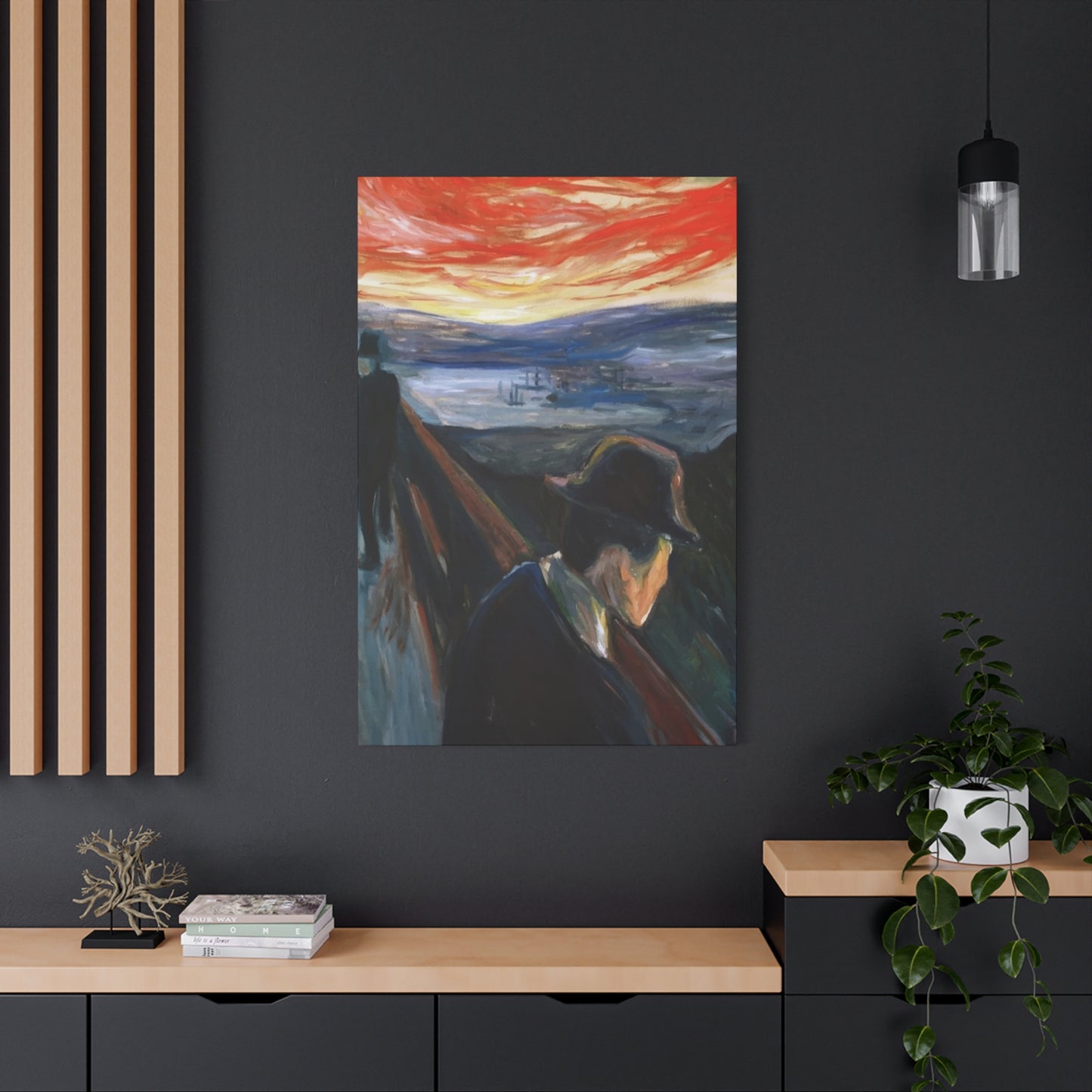


A Man Wall Art & Canvas Prints
A Man Wall Art & Canvas Prints
Couldn't load pickup availability
Elevating Your Living Space with A Man Wall Art That Speaks Volumes
Creating a living environment that resonates with personal identity has become increasingly significant in contemporary interior design. The selection of visual elements adorning vertical surfaces plays a crucial role in establishing atmospheric ambience and reflecting individual character. Among various decorative possibilities, masculine canvas prints and sophisticated A Man Wall Art pieces have emerged as powerful tools for transforming residential and commercial spaces into domains of distinctive personality.
The journey toward curating an exceptional interior begins with recognizing how vertical surfaces serve as blank canvases waiting to capture stories, emotions, and aspirations. When thoughtfully selected, these decorative elements transcend mere ornamentation, becoming conversation starters and sources of daily inspiration. The masculine aesthetic in particular offers a rich tapestry of styles ranging from rugged minimalism to refined sophistication, each capable of anchoring a room's visual narrative.
Discovering the Magnetic Appeal of Masculine Visual Expression Through Canvas Mediums
The allure of masculine-themed canvas works lies in their capacity to project strength, confidence, and refinement simultaneously. Unlike mass-produced posters or generic prints, canvas pieces carry an inherent substance and texture that commands attention without overwhelming a space. The tactile quality of canvas material adds dimensional depth that flat paper prints simply cannot replicate, creating shadows and highlights that shift throughout the day as natural illumination changes.
Masculine visual expression manifests through numerous aesthetic lenses. Some compositions embrace raw industrial elements—exposed brick textures, metallic accents, and architectural blueprints rendered in monochromatic palettes. Others channel natural wilderness through landscapes depicting mountain ranges, dense forests, or stormy seascapes that evoke adventure and exploration. Portrait-style pieces featuring stoic figures, athletes in motion, or philosophical thinkers add human connection to spaces while maintaining dignified composure.
The psychological impact of surrounding oneself with imagery reflecting personal values cannot be understated. Spaces adorned with carefully chosen masculine artwork tend to foster environments conducive to focused thinking, creative problem-solving, and personal reflection. The visual weight of these pieces grounds a room, providing stability and structure that influences occupants' emotional states and productivity levels.
Canvas as a medium offers particular advantages for masculine aesthetics. The material's durability ensures longevity, resisting fading and maintaining color vibrancy far longer than paper alternatives. Gallery-wrapped canvas—where the image extends around the frame edges—eliminates the need for additional framing, presenting a clean, modern appearance that aligns perfectly with masculine design principles emphasizing functionality and understated elegance.
Identifying Authentic Masculine Visual Elements That Resonate With Personal Identity
Determining which specific pieces will harmonize with your existing environment requires introspection and spatial awareness. Begin by assessing the room's current color scheme, furniture style, and overall mood. A modern loft with exposed concrete and steel beams calls for different artwork than a traditional study lined with wooden bookshelves and leather furnishings.
Consider the emotional resonance you seek to cultivate. Vintage automotive imagery might appeal to those passionate about mechanical engineering and classic design. Abstract geometric compositions in neutral tones suit individuals who appreciate mathematical precision and contemporary minimalism. Wildlife photography showcasing predators in natural habitats connects with those drawn to primal strength and untamed nature.
Scale proportions dramatically affect visual impact. A single oversized canvas measuring five feet wide can serve as a room's focal point, commanding immediate attention upon entry. Alternatively, curated collections of smaller pieces arranged in geometric patterns create visual interest through repetition and rhythm. The rule of thirds applies effectively—positioning artwork at eye level with its center approximately sixty inches from the floor ensures optimal viewing angles.
Authenticity matters tremendously in masculine spaces. Mass-produced prints recognizable from countless other homes lack the personal connection that makes spaces truly memorable. Seek pieces from independent artists, limited edition runs, or unique photographic captures that tell specific stories. Even abstract works gain significance when their creation process or conceptual foundation resonates with your personal philosophy.
Color psychology plays a subtle yet powerful role. Deep charcoal grays project sophistication and mystery. Rich burgundy tones add warmth without sacrificing masculinity. Navy blues evoke nautical heritage and steadfast reliability. Burnt umber and sienna earth tones ground spaces with organic authenticity. While masculine palettes traditionally favor these subdued hues, strategic pops of crimson, emerald, or amber can inject vitality without compromising overall aesthetic coherence.
Exploring Diverse Stylistic Approaches Within Masculine Canvas Compositions
The spectrum of masculine visual styles accommodates virtually every personality type and preference. Industrial modernism celebrates the beauty of utilitarian objects—vintage tools, machinery components, architectural elements—rendered with photographic clarity or artistic abstraction. These pieces particularly suit converted warehouse spaces, bachelor pads, or home offices seeking to project professional competence.
Rustic wilderness themes transport viewers beyond urban confines into natural landscapes. Mountain vistas shrouded in morning mist, weathered barns standing against dramatic skies, or close-up bark textures revealing nature's intricate patterns all fall within this category. Such imagery pairs beautifully with reclaimed wood furniture, stone accents, and organic textiles, creating cohesive environments that feel both grounded and expansive.
Urban photography capturing cityscape silhouettes, rain-slicked streets reflecting neon lights, or architectural details of iconic skyscrapers appeals to metropolitan sensibilities. These compositions celebrate human achievement and cosmopolitan sophistication while maintaining the graphic boldness characteristic of masculine aesthetics. They work exceptionally well in contemporary apartments, modern offices, or entertainment areas designed for social gatherings.
Motivational text-based designs featuring philosophical quotes, literary excerpts, or personal mantras rendered in striking typography offer daily inspiration without sacrificing visual appeal. When executed with restraint—avoiding cliché phrases in favor of profound wisdom—these pieces become powerful reminders of core values and aspirations. Pairing meaningful words with complementary imagery or abstract backgrounds prevents the composition from feeling purely decorative.
Sports and athletic imagery captures human bodies in peak performance moments, celebrating physical prowess and competitive spirit. Whether depicting classic boxing scenes, surfers conquering massive waves, or rock climbers defying gravity, these pieces infuse spaces with dynamic energy. They particularly suit home gyms, man caves, or entertainment rooms where active lifestyles are celebrated.
Abstract expressionism offers intellectual stimulation through non-representational forms, colors, and textures. Bold brushstrokes, geometric fragmentation, or controlled chaos in monochromatic schemes challenge viewers' perceptions while maintaining masculine visual weight. These compositions suit individuals who appreciate art's conceptual dimensions and prefer spaces that provoke thought rather than provide literal narratives.
Mastering Strategic Placement Principles for Maximum Visual Impact and Spatial Harmony
Positioning artwork correctly transforms good pieces into exceptional room elements. The primary focal wall—typically the first surface visible upon entering a room—deserves the most striking composition. In living rooms, this often sits above the sofa; in bedrooms, behind the headboard; in offices, behind the desk where it reinforces professional identity during video calls.
Balancing visual weight prevents spaces from feeling lopsided or chaotic. If placing a large canvas on one wall, consider adding smaller complementary pieces or substantial furniture items on adjacent walls to maintain equilibrium. Alternatively, symmetrical arrangements of matching or coordinating pieces create formal harmony suited to traditional or professional environments.
Negative space—the empty wall area surrounding artwork—is equally important as the pieces themselves. Overcrowding diminishes each individual work's impact, creating visual noise rather than curated sophistication. Allow breathing room around pieces, especially larger canvases, so eyes can rest and appreciate boundaries between art and architecture.
Lighting dramatically alters artwork perception. Natural illumination from windows provides ideal viewing conditions but changes throughout the day, revealing different aspects of textured canvas surfaces as angles shift. Supplemental picture lights, track lighting, or strategically positioned floor lamps ensure pieces remain visible and impactful during evening hours. Avoid direct lighting that creates glare on canvas surfaces, which can obscure details and cause visual discomfort.
Layering techniques add dimensional interest to wall compositions. Leaning smaller canvases atop console tables, shelving units, or mantels creates casual sophistication while maintaining flexibility for seasonal rotations. This approach works particularly well in eclectic spaces blending multiple style influences or for collectors who enjoy refreshing their displays periodically.
Thematic cohesion across multiple rooms reinforces overall design narratives while allowing individual spaces to maintain distinct identities. A color palette might thread through various pieces, or conceptual themes could evolve from room to room—wilderness imagery in personal quarters transitioning to urban scenes in public entertaining spaces, for instance.
Navigating Quality Considerations When Acquiring Masculine Canvas Artwork
Investment in superior canvas works pays dividends through enhanced visual appeal and extended lifespan. Canvas quality itself varies significantly—professional-grade cotton or linen canvases maintain color accuracy and resist warping far better than synthetic alternatives. Giclee printing processes utilizing archival inks ensure color stability for decades, preventing the fading and yellowing that plague inferior reproduction methods.
Stretcher bar construction affects both presentation and longevity. Solid wood stretchers resist humidity-related warping better than composite materials. Gallery-wrapped canvases with images extending over sides eliminate visible staples and create seamless presentations suitable for frameless display. Depth variations—typically ranging from three-quarters of an inch to two inches—influence visual presence, with thicker stretcher bars projecting greater dimensional weight.
Resolution quality in printed images determines whether compositions appear crisp or pixelated, especially in larger formats. Professional photographers and digital artists provide files with sufficient pixel density to maintain clarity at intended display sizes. Inquiring about source file specifications before purchasing ensures you receive museum-quality reproductions rather than enlarged snapshots.
Limited edition status and artist signatures add collectible value while ensuring exclusivity. Numbered prints from small production runs carry greater prestige than unlimited reproductions available to mass markets. Original paintings or unique mixed-media works represent the pinnacle of investment, though quality limited editions offer accessible entry points into serious collecting.
Frame quality, when applicable, should match canvas caliber. Solid wood frames with hand-applied finishes reflect craftsmanship worthy of the artwork they surround. Floating frames—which create visible gaps between canvas edges and frame borders—add contemporary sophistication while drawing attention to canvas depth.
Protective coatings guard against environmental damage without altering visual appearance. UV-resistant varnishes prevent sun exposure from degrading pigments, while moisture barriers protect against humidity-related deterioration. These treatments prove especially valuable in bathrooms, kitchens, or other high-moisture environments where unprotected canvases might suffer premature aging.
Curating Cohesive Collections That Tell Compelling Visual Stories
Transitioning from isolated pieces to curated collections elevates interior design from functional to exceptional. Thematic progression creates narrative arcs that guide viewers through conceptual journeys. A collection might explore a single subject from multiple perspectives—mountain landscapes captured in different seasons, lighting conditions, and weather patterns, for instance—building comprehensive visual essays rather than presenting scattered impressions.
Stylistic consistency across multiple pieces establishes recognizable aesthetic signatures while allowing individual works to maintain distinctiveness. Choosing canvases that share color palettes, compositional approaches, or artistic mediums creates cohesion without monotony. Conversely, intentional contrasts—pairing photographic realism with abstract interpretations of similar subjects—generates dynamic tension that sustains visual interest.
Grid arrangements of uniform-sized canvases impose mathematical order that appeals to analytical minds. Nine small canvases arranged in a three-by-three grid, for example, create substantial visual presence while maintaining individual piece legibility. This approach works beautifully with sequential imagery, photographic series, or abstract compositions designed as coordinated sets.
Asymmetrical gallery walls embrace organic creativity over rigid structure. Mixing canvas sizes and orientations while maintaining consistent spacing between pieces creates visually rich displays that feel both curated and spontaneous. This style suits eclectic personalities and spaces blending multiple design influences, though achieving successful asymmetry requires careful planning to avoid appearing haphazard.
Seasonal rotations keep spaces feeling fresh without requiring complete redesigns. Maintaining a reserve collection allows periodic swapping of pieces to reflect changing moods, seasons, or life circumstances. Stormy seascapes might dominate during introspective winter months, giving way to vibrant wilderness scenes celebrating summer vitality.
Provenance documentation for significant pieces adds both monetary and sentimental value. Maintaining records of artist information, purchase dates, limited edition numbers, and authenticity certificates protects financial investments while preserving stories behind acquisitions. These details become increasingly meaningful as collections mature and individual pieces accumulate personal history.
Examining Canvas Production Methods and Their Effects on Final Presentation
Understanding how canvas artwork gets produced illuminates quality differences between pieces at various price points. Traditional oil painting on canvas represents the original form—artists applying pigment-suspended oils directly to prepared canvas surfaces through brushwork. These originals carry unique value but command premium prices reflecting time, skill, and singular nature.
Giclee printing revolutionized fine art reproduction by utilizing archival inkjet technology that sprays microscopic pigment droplets with remarkable precision. High-quality giclee prints rival original paintings in color accuracy and detail rendering, making museum-grade reproductions accessible to broader audiences. The process accommodates various canvas textures, allowing reproduction of artwork with tactile qualities approaching hand-painted originals.
Screen printing or serigraphy applies ink through mesh stencils in layered applications, creating bold graphics with distinct visual characteristics. This method excels at producing limited edition runs of graphic designs, abstract compositions, and stylized imagery. Screen-printed canvases often feature visible ink texture that adds dimensional quality distinguishing them from flat digital prints.
Mixed media approaches combine multiple techniques—painting, collage, digital manipulation, photographic elements—into unified compositions. These hybrid works occupy fascinating middle ground between pure painting and reproduction, offering unique qualities impossible to achieve through single methods. Limited edition mixed media pieces provide collecting opportunities at intermediate price points between mass reproductions and original paintings.
Canvas transfers involve applying painted surfaces or printed images onto canvas through heat or adhesive processes. While less expensive than traditional painting, quality transfers can create textured surfaces resembling brushwork. However, lower-end transfers may exhibit artificial appearance lacking the authenticity serious collectors seek.
Hand-embellished prints bridge reproduction and original art by adding painted details, texture, or dimensional elements to printed bases. Artists might highlight certain areas, add brushstrokes, or incorporate three-dimensional components, transforming standard prints into unique pieces. These works appeal to those desiring original elements while maintaining relative affordability.
Addressing Practical Considerations for Long-Term Canvas Preservation
Protecting canvas investments ensures they retain visual appeal and monetary value across decades. Environmental factors pose primary threats—direct sunlight contains ultraviolet radiation that degrades pigments over time, gradually fading colors and yellowing whites. Positioning canvases away from windows or treating them with UV-protective coatings mitigates this damage. When sunlight exposure proves unavoidable, UV-filtering window films offer additional protection while maintaining natural illumination.
Humidity fluctuations cause canvas materials to expand and contract, potentially leading to cracking, warping, or paint separation. Maintaining consistent relative humidity between forty and sixty percent through climate control systems or dehumidifiers protects against moisture-related degradation. Avoid hanging canvas works in bathrooms, laundries, or other high-moisture environments unless specifically sealed against humidity.
Temperature extremes similarly threaten canvas integrity. Positioning pieces away from heating vents, fireplaces, and radiators prevents heat damage while avoiding exterior walls susceptible to temperature fluctuations reduces expansion-contraction cycles. Ideal storage and display environments maintain temperatures between sixty-five and seventy-five degrees Fahrenheit.
Dust accumulation dulls canvas surfaces and can embed particles into textured paint or ink layers. Regular gentle cleaning using soft, dry microfiber cloths removes surface dust without damaging delicate surfaces. For more stubborn dirt, slightly dampened cloths can be used sparingly, always testing inconspicuous areas first and avoiding excessive moisture that might penetrate canvas or loosen pigments.
Physical damage from impacts, punctures, or abrasions requires immediate attention to prevent further deterioration. Small tears can sometimes be repaired using archival adhesives applied from canvas backs, though significant damage warrants professional restoration. Protective glazing—glass or acrylic sheets mounted in front of canvases—offers maximum protection for especially valuable pieces, though it alters viewing experience and adds weight requiring stronger hanging hardware.
Insect infestations, though rare with modern materials, can occur in environments with existing pest problems. Canvas beetles and other fabric-damaging insects may target natural fiber canvases, especially older works using animal-based glues or sizing. Regular inspections and prompt pest control interventions protect against infestations before they cause irreparable harm.
Investigating Hanging Methods That Ensure Security While Minimizing Wall Damage
Proper mounting prevents dangerous falls while avoiding unnecessary wall damage. Canvas weight determines appropriate hardware—lightweight pieces under five pounds can hang from standard picture hooks, while heavier works demand wall anchors or stud mounting. Always err toward stronger hardware than seemingly necessary, as hidden factors like hollow walls or weakened plaster may compromise support.
Stud finders locate solid wood framing behind drywall, providing ideal anchor points for substantial canvases. Screwing directly into studs offers maximum security without requiring special anchors. When stud positioning doesn't align with desired artwork placement, hollow wall anchors distribute weight across larger drywall sections, providing adequate support for medium-weight pieces.
Wire hanging systems attached to canvas backs with D-rings or eye screws offer flexibility in positioning and leveling. Quality braided steel wire resists corrosion and breakage while handling substantial weights. Center wire attachment points one-third down from top edges to achieve optimal hanging angles that tilt canvases slightly forward, reducing glare from overhead lighting.
French cleat systems provide exceptional security for heavy or valuable pieces. These interlocking beveled brackets mount one component to walls and matching pieces to canvas backs, creating gravity-assisted connections resistant to accidental displacement. Once installed, canvases simply lift onto wall brackets and seat securely, allowing easy removal for cleaning or repositioning without requiring hardware adjustments.
Adhesive hanging strips offer damage-free alternatives for lightweight canvases in rental properties or frequently rearranged spaces. Industrial-strength strips now support surprising weights when applied according to manufacturer specifications. However, they function best on smooth, painted surfaces and may fail on textured walls or in humid environments where adhesive bonds degrade.
Picture rail moldings installed near ceiling height provide traditional hanging solutions maintaining wall surface integrity. S-hooks and adjustable cables suspend from rails, allowing infinite positioning flexibility without driving nails into walls. This method suits period homes with existing rails or modern spaces where frequent artwork rotation justifies rail installation.
Exploring Color Theory Principles That Enhance Masculine Visual Schemes
Strategic color utilization amplifies emotional impact while ensuring visual coherence across spaces. Monochromatic palettes built around single color families create sophisticated, unified looks emphasizing tonal variations rather than contrasting hues. Charcoal to silver gradients, for instance, establish refined atmospheres suitable for contemporary urban aesthetics.
Analogous color schemes employ adjacent color wheel positions—blues, greens, and teals together, or reds, oranges, and yellows in combination. These harmonious relationships feel naturally cohesive while offering sufficient variety to maintain interest. Masculine applications might favor cooler analogous ranges like navy, slate, and steel blue for calming, professional environments.
Complementary colors positioned opposite on color wheels create maximum contrast and visual vibration. Orange and blue, purple and yellow, or red and green combinations generate dynamic tension when skillfully balanced. Masculine spaces typically employ muted complementary schemes—burnt orange with dusty blue rather than neon alternatives—maintaining sophistication while leveraging color psychology.
Neutral foundations anchor masculine palettes, with black, white, gray, beige, and brown providing versatile backdrops for bolder accent colors. Canvas works might feature predominantly neutral compositions with strategic color pops drawing eyes to focal points, or inverse arrangements where neutral backgrounds allow colorful subjects to dominate attention.
Metallic accents add luxurious dimension without introducing chromatic complexity. Gold, silver, bronze, copper, and gunmetal tones catch light dynamically, creating visual interest through reflective properties rather than flat color. Canvas works incorporating metallic leaf, inks, or paints inject premium aesthetics elevating perceived value.
Color temperature affects spatial perception and emotional response. Warm hues—reds, oranges, yellows—advance visually, making walls appear closer and spaces feel cozier. Cool colors—blues, greens, purples—recede, creating impressions of expanded space and calm atmosphere. Balancing warm and cool tones within individual canvases or across collections creates spatial dynamics that subtly influence room experience.
Analyzing How Masculine Canvas Works Complement Various Interior Design Movements
Industrial design aesthetics celebrate raw materials, exposed structure, and utilitarian objects elevated through context. Canvas works reflecting this movement feature architectural photography, vintage machinery, weathered textures, and monochromatic palettes. These pieces harmonize with exposed brick, concrete floors, metal fixtures, and reclaimed wood furniture, reinforcing thematic consistency throughout industrial-styled spaces.
Mid-century modern design emphasizes clean lines, organic forms, and functional beauty. Abstract geometric canvases, vintage automotive photography, and minimalist landscapes complement iconic furniture pieces from this era. Color palettes featuring mustard yellow, burnt orange, avocado green, and chocolate brown connect contemporary canvas works with mid-century heritage.
Scandinavian minimalism prioritizes simplicity, functionality, and connection to nature. Canvas selections favoring muted color palettes, natural landscapes, and clean composition styles align with this philosophy. Black-and-white photography, subtle abstracts, and organic subject matter maintain the uncluttered serenity central to Nordic design principles.
Rustic lodge aesthetics embrace natural materials, wildlife themes, and cozy warmth. Canvas works depicting forests, mountains, wildlife, and outdoor adventure scenes enhance these environments. Rich earth tones, textured canvas surfaces, and substantial wooden frames reinforce connections to wilderness and heritage craftsmanship.
Contemporary eclecticism mixes diverse influences into cohesive personal statements. This flexible approach accommodates varied canvas styles—pairing abstract expressionism with photorealism, vintage finds with modern graphics. Unifying elements like consistent framing styles, shared color accents, or thematic threads prevent eclectic collections from appearing chaotic.
Transitional design bridges traditional and contemporary aesthetics, balancing classic elegance with modern simplicity. Canvas selections for transitional spaces might feature timeless subjects rendered in contemporary styles—classical architecture photographed with dramatic modern perspectives, for instance. Neutral color palettes and understated framing allow these pieces to complement both antique and modern furnishings.
Examining Sizing Strategies That Optimize Visual Impact Across Different Room Dimensions
Scale relationships between artwork and surrounding space dramatically affect perceived balance and visual comfort. The fundamental principle suggests artwork width should span roughly sixty to seventy-five percent of furniture width beneath it. A six-foot sofa pairs ideally with canvas works measuring forty-two to fifty-four inches wide, creating proportional harmony without overwhelming furniture or appearing insignificant.
Ceiling height influences vertical scale appropriateness. Standard eight-foot ceilings accommodate most canvas sizes comfortably, though exceptionally tall pieces may create top-heavy imbalance. Ten-foot and higher ceilings welcome larger vertical formats that fill expanded wall space without cramping. Conversely, low ceilings benefit from horizontal formats that emphasize width over height, preventing spaces from feeling compressed.
Room purpose affects optimal sizing choices. Intimate spaces like home offices or reading nooks suit smaller, more contemplative pieces encouraging focused attention. Larger social areas—living rooms, entertainment spaces—demand substantial canvases with sufficient visual presence to anchor expansive walls and command attention across greater viewing distances.
Multiple small canvases arranged together create collective visual weight rivaling single large pieces. This approach offers flexibility—individual components can be rearranged periodically while maintaining overall impact. Four twelve-inch squares arranged in a two-by-two grid, for instance, create twenty-four-inch aggregate dimensions with dynamic internal composition.
Oversized statement pieces measuring four feet wide or larger establish immediate dominance, functioning as room centerpieces around which other design elements orbit. These dramatic canvases work best in spaces with sufficient viewing distance—at least eight to ten feet—allowing viewers to appreciate entire compositions without requiring head movement to scan edges.
Miniature collections of small canvases measuring six to twelve inches suit specialized display areas—shelving vignettes, gallery walls incorporating three-dimensional objects, or layered arrangements on mantels and console tables. These intimate pieces reward close inspection while contributing to larger compositional arrangements.
Delving Into Subject Matter Categories That Resonate With Masculine Sensibilities
Architectural imagery celebrates human engineering achievement through dramatic perspectives of iconic structures, abstract building details, or urban landscapes. These subjects appeal to analytical minds appreciating design precision, geometric beauty, and functional elegance. Black-and-white architectural photography emphasizes form and shadow, creating timeless sophistication suitable for professional environments.
Automotive subjects ranging from vintage car portraits to abstract motion blurs capture mechanical beauty and speed's exhilaration. Classic vehicles photographed in dramatic lighting showcase sculptural qualities while evoking nostalgia for automotive golden ages. Modern supercar imagery projects cutting-edge performance and technological prowess.
Nautical themes connect viewers to maritime heritage, adventure, and oceanic vastness. Sailing vessels battling dramatic seas, weathered lighthouse portraits, or abstract wave studies suit coastal homes and those drawn to seafaring traditions. Navy blues, weathered wood tones, and rope details in framing reinforce thematic consistency.
Aviation subjects from vintage aircraft to modern fighters celebrate flight's freedom and engineering marvel. These pieces particularly resonate with aviation enthusiasts, military veterans, or anyone captivated by conquest of the skies. Sepia-toned historical aviation photography adds nostalgic depth, while contemporary jet photography emphasizes raw power.
Wildlife portraiture featuring apex predators—lions, bears, wolves, eagles—symbolizes strength, independence, and natural majesty. Close-up animal photography revealing intricate detail creates intimate connections with wild subjects. These powerful images suit spaces emphasizing primal energy and untamed spirit.
Landscape panoramas transport viewers to remote wilderness, mountain peaks, desert expanses, or dense forests. These scenes provide visual escape from urban environments while celebrating natural beauty's grandeur. Dramatic weather conditions—stormy skies, fog-shrouded valleys, golden-hour illumination—add emotional intensity transcending simple scenery documentation.
Understanding How Canvas Texture Variations Influence Visual Character and Perceived Quality
Canvas weave patterns significantly affect both visual appearance and perceived value. Fine weaves with tight thread counts create smooth surfaces ideal for detailed photographic reproductions and precise imagery. These refined canvases suit formal spaces and contemporary aesthetics valuing clean presentation over rustic texture.
Coarse weaves featuring visible thread patterns add pronounced texture creating dimensional interest. These canvases particularly enhance abstract works, impressionistic styles, and compositions benefiting from visible fabric structure. The interplay between printed or painted imagery and underlying canvas texture generates complexity impossible with smooth surfaces.
Linen canvases represent premium options offering superior strength, longevity, and refined appearance compared to cotton alternatives. Natural linen's characteristic slubs and irregular threads create organic texture that enhances rather than detracts from imagery. Historical associations with fine art painting lend linen canvases perceived prestige.
Cotton canvases provide excellent quality at moderate prices, offering consistent weave patterns and reliable color retention. Modern cotton canvases rival linen in archival qualities while maintaining softer texture and brighter white base color that enhances color vibrancy.
Synthetic canvases incorporating polyester or blended fibers offer moisture resistance and dimensional stability superior to natural fibers. These materials suit humid environments or commercial applications requiring maximum durability. However, synthetic surfaces sometimes lack the organic character and prestige associated with natural fiber canvases.
Gesso priming creates receptive surfaces for pigment adhesion while adding subtle texture and ensuring archival qualities. Multiple gesso layers build smooth, luminous grounds for photographic prints, while single coats preserve canvas texture for more painterly effects. Primer quality significantly impacts color vibrancy and long-term pigment stability.
Investigating Framing Choices That Enhance Rather Than Compete With Canvas Content
Gallery-wrapped canvases eliminating traditional frames project contemporary sophistication through clean, unadorned presentation. Image continuation around sides creates three-dimensional objects rather than flat pictures, rewarding viewing from multiple angles. This frameless approach suits modern aesthetics valuing minimalism and architectural integration.
Floating frames create visible gaps between canvas edges and frame borders, producing shadow effects that enhance dimensional presence. These frames draw attention to canvas depth while providing protective borders and finished presentation. Black floating frames add graphic punch, while natural wood variations inject warmth without competing for attention.
Traditional wood frames ranging from simple profiles to ornate moldings suit classical interiors and formal spaces. Dark walnut or mahogany frames project gravitas and traditional masculinity, while lighter oak or maple varieties offer warmth without heaviness. Frame width should balance canvas size—narrow frames for smaller pieces, substantial moldings for larger works.
Metal frames in black, silver, bronze, or gunmetal finishes complement industrial and contemporary aesthetics. Sleek metal profiles emphasize clean lines and modern sensibilities while providing durable protection. Brushed or matte finishes reduce glare and maintain focus on artwork rather than reflective frames.
Distressed or reclaimed wood frames add rustic character aligning with lodge aesthetics, farmhouse styles, and vintage-inspired spaces. Weathered finishes, visible grain patterns, and imperfect surfaces contribute authentic aged appearance that new frames cannot replicate. These frames particularly enhance landscape photography, wildlife images, and nostalgic subjects.
Shadow box frames create deep recesses accommodating dimensional canvases or allowing space for matting and layered presentation. These substantial frames command attention while protecting valuable pieces behind glazing. Shadow boxes suit collections of smaller works arranged within single frames or three-dimensional mixed media pieces.
Examining Display Alternatives Beyond Traditional Wall Mounting Methods
Easel displays offer flexible solutions for spaces resisting permanent wall installations. Freestanding easels allow artwork rotation without repeated wall patching, appealing to renters and frequent redesigners. Decorative easels in wood or metal become design elements themselves, particularly in rustic or industrial settings.
Leaning large canvases against walls on floors, mantels, or console tables creates casual sophistication and accommodates enormous pieces that might overwhelm traditional hanging. This approach suits eclectic and contemporary spaces valuing relaxed elegance over formal presentation. Ensure adequate surface depth prevents forward tipping.
Picture ledges—narrow shelves specifically designed for artwork display—enable layered arrangements and easy rotation. Multiple canvases can rest on single ledges with forward pieces partially obscuring those behind, creating dimensional vignettes. This method particularly suits collections requiring frequent reorganization.
Track lighting systems with integrated artwork clips provide gallery-style presentation with adjustable positioning. Canvases hang from ceiling-mounted tracks via cables or rods, allowing height adjustments and horizontal repositioning without wall damage. This professional approach suits serious collectors and contemporary spaces.
Room dividers incorporating canvas panels serve dual purposes—defining spatial zones while displaying artwork. Freestanding screens, hanging panels, or bookshelf-integrated frames create functional art installations suitable for open-concept spaces requiring visual separation without solid walls.
Rotating display stands showcase artwork on turntables or motorized bases, allowing viewers to appreciate pieces from all angles. This unconventional approach suits three-dimensional canvases, works with significant side imagery, or spaces designed around single statement pieces.
Analyzing Lighting Techniques That Dramatize Canvas Displays and Control Visual Emphasis
Dedicated picture lights mounted above frame tops provide focused illumination highlighting artwork while creating ambient glow. Adjustable arm lengths and angle controls customize light distribution. LED picture lights offer energy efficiency and minimal heat output protecting sensitive canvases.
Track lighting systems deliver flexible, adjustable illumination suitable for multiple pieces or changing arrangements. Individual fixtures swivel and tilt, directing light precisely where needed. Dimmer controls allow intensity adjustments matching different times of day or desired moods.
Recessed spotlights create clean ceiling integration while delivering powerful focused beams. Narrow beam spreads concentrate attention on specific pieces, while wider floods illuminate larger canvases evenly. Directional trims allow angle adjustments after installation.
Wall washers produce broad, even illumination across entire wall surfaces, suitable for gallery walls or multiple adjacent pieces. These fixtures minimize shadows and hot spots while creating uniform brightness that doesn't favor individual artworks over others.
Uplighting from floor-mounted fixtures casts dramatic shadows and creates theatrical emphasis. This unconventional approach suits larger canvases and spaces designed for evening entertainment where dramatic lighting enhances atmosphere.
Natural lighting from windows provides ideal color rendering during daylight hours but requires careful positioning to avoid glare and UV damage. Sheer curtains or adjustable blinds control intensity while maintaining soft, diffused illumination that reveals canvas texture without harsh reflections.
Exploring Budget-Conscious Strategies for Building Impressive Canvas Collections
Starting collections needn't require enormous initial investment. Emerging artists offer original works at accessible prices while providing opportunities to support creative communities. Local art fairs, cooperative galleries, and online platforms connect collectors directly with creators, eliminating gallery markup.
Limited edition prints from established artists provide middle-ground options between mass reproductions and original paintings. Numbered prints from small production runs carry collectible cachet while remaining financially approachable. Early edition numbers sometimes command premium prices but all limited editions appreciate over time.
Print-on-demand services allow uploading personal photographs or licensed designs for custom canvas production. This approach suits those with photographic skills or specific imagery unavailable through commercial channels. Quality varies between providers, necessitating research into printing methods and material specifications.
Estate sales, auctions, and consignment shops yield unexpected treasures at fraction of retail prices. Patience and regular hunting uncover quality pieces from individuals liquidating collections or downsizing estates. Authentication challenges require knowledge or expert consultation before significant purchases.
DIY canvas creation from purchased stretcher bars, canvas fabric, and original painting or printing enables complete customization at material costs. This hands-on approach appeals to creatively inclined individuals willing to invest time developing skills. Even abstract compositions require minimal artistic experience while producing personalized unique pieces.
Strategic purchasing during seasonal sales, gallery clearances, or artist studio events captures substantial discounts on quality works. End-of-year tax incentives sometimes motivate sellers to reduce prices, while artists clearing inventory for new collections offer opportunities for savvy collectors.
Conclusion
Converting personal photographs into canvas prints creates deeply meaningful artwork impossible to purchase commercially. Travel photography documenting adventures, family portraits capturing milestones, or hobby-related images reflecting passions infuse spaces with authentic personal narrative.
Image quality requirements differ from casual sharing—canvas printing demands high resolution files maintaining clarity when enlarged. Modern smartphones capture sufficient detail for moderate-sized prints, though professional cameras produce superior results for larger formats. Minimum resolutions around 150 pixels per inch at intended print sizes ensure acceptable sharpness.
Composition considerations change when transitioning snapshots into displayed artwork. Cropping eliminates distracting background elements while emphasizing primary subjects. Rule-of-thirds positioning creates balanced, professional-appearing compositions. Converting color images to monochrome sometimes enhances dramatic impact while simplifying visual elements.
Editing software enables enhancements impossible during capture—adjusting exposure, increasing contrast, saturating colors, or applying artistic filters. Subtle improvements maintain photographic authenticity while correcting technical imperfections. Over-processing risks artificial appearance undermining genuine documentary quality.
Series development from multiple related photographs creates cohesive multi-panel installations. Sequential travel images documenting journeys, seasonal progressions in favorite locations, or multiple perspectives of single subjects generate narrative depth single images cannot achieve.
Sentimental value transcends technical perfection—images capturing emotionally significant moments carry importance independent of photographic excellence. Displaying these meaningful memories validates experiences while surrounding occupants with positive associations and personal history.
Certain symbols and motifs recur throughout masculine visual traditions, carrying layered meanings that resonate across cultures. Compass roses and nautical charts reference exploration, navigation, and journey's metaphorical significance. These elements suit those valuing direction, purpose, and life's adventurous aspects.
Mountain imagery symbolizes challenge, achievement, and perspective gained through effort. Peaks represent goals pursued, summits conquered, and elevated viewpoints achieved through perseverance. These powerful metaphors resonate with ambitious individuals embracing difficulty as pathway toward growth.
Share