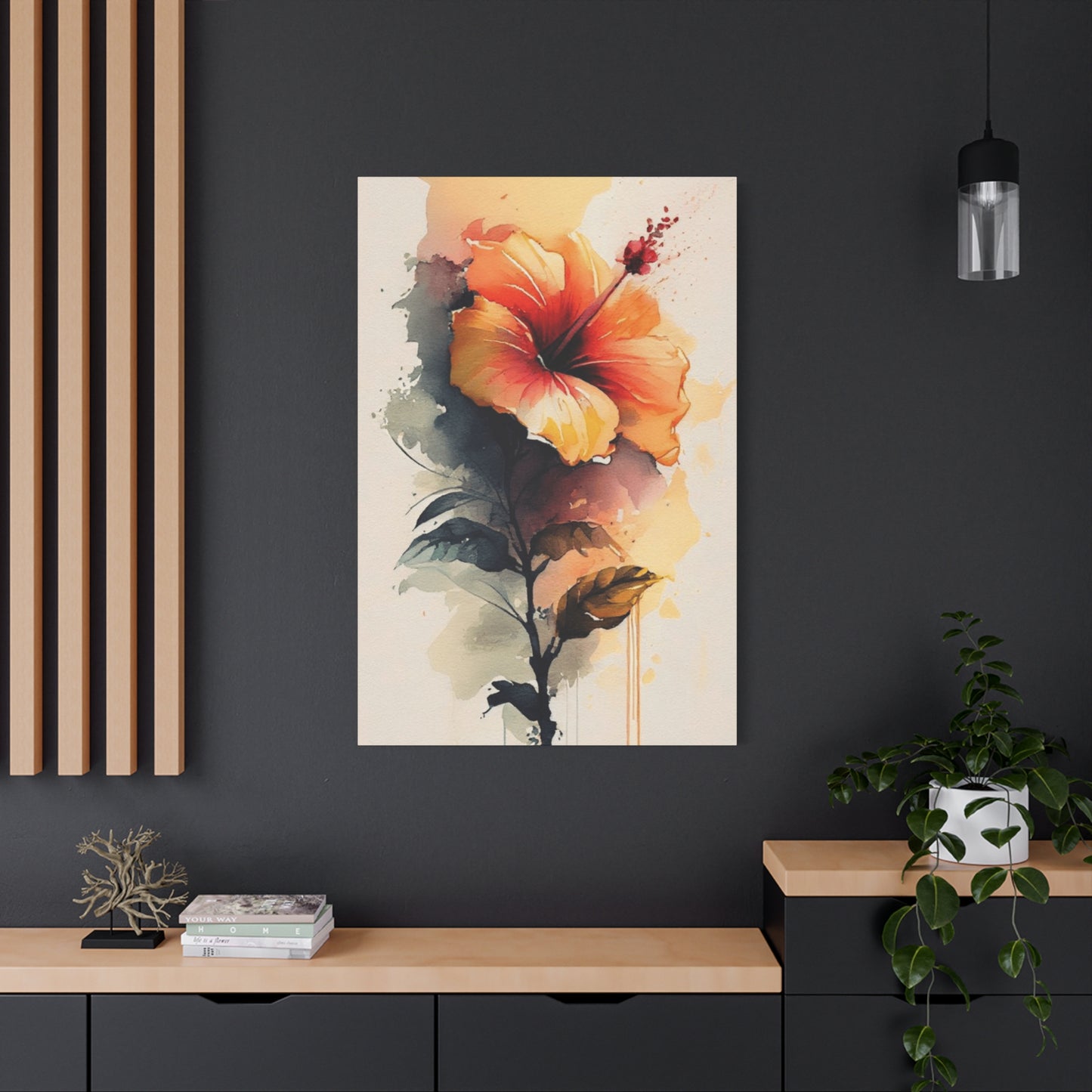
A Flower Painting Wall Art & Canvas Prints
A Flower Painting Wall Art & Canvas Prints
Couldn't load pickup availability
Bringing Nature's Beauty Inside: The Timeless Appeal of A Flower Painting Wall Art for Modern Living Spaces
Adorning walls with botanical imagery has remained a cherished practice throughout centuries, transcending cultural boundaries and design movements. The visual representation of blossoms and petals on canvas creates an immediate connection between indoor environments and the natural world outside. This comprehensive exploration delves into every aspect of selecting, displaying, and appreciating these captivating decorative pieces that transform ordinary rooms into extraordinary sanctuaries.
The human attraction to floral imagery runs deeper than mere aesthetic preference. Scientific studies have demonstrated that viewing botanical subjects triggers positive emotional responses, reducing stress hormones while simultaneously increasing feelings of contentment. When these subjects appear on canvas within residential or commercial spaces, they create focal points that draw the eye while soothing the mind.
Contemporary interior designers consistently recommend botanical canvas pieces for their remarkable versatility. Unlike many decorative elements that demand specific architectural styles or color schemes, floral canvas works adapt seamlessly to minimalist lofts, traditional cottages, industrial conversions, and everything between. The organic forms and natural color palettes complement rather than compete with existing furnishings.
The psychological impact of having nature-inspired imagery within sight throughout daily routines cannot be overstated. Urban dwellers particularly benefit from these visual connections to the botanical world, especially when outdoor green spaces remain inaccessible or limited. A well-chosen piece featuring roses, sunflowers, or cherry blossoms can serve as a daily reminder of seasonal changes and natural beauty that might otherwise go unnoticed in bustling city life.
Market research reveals that residential properties featuring thoughtfully selected botanical canvas decorations command higher valuations and attract more interested buyers. Real estate professionals have noted that rooms containing these pieces photograph exceptionally well, creating emotional connections with potential buyers before they even step inside. The investment in quality floral canvas works frequently returns dividends when properties change hands.
Exploring Various Artistic Approaches to Botanical Canvas Subjects
The world of floral canvas imagery encompasses an astonishing range of creative interpretations. Impressionist approaches capture the essence and feeling of gardens in bloom through loose brushwork and vibrant color combinations. These pieces often feature blurred edges and dappled light effects that evoke memories of spring afternoons spent wandering through botanical gardens.
Photorealistic renditions showcase every petal, stamen, and leaf vein with meticulous precision. These works appeal to those who appreciate scientific accuracy combined with artistic vision. The level of detail in photorealistic botanical canvas pieces often surprises viewers upon close inspection, revealing textures and subtle color variations that weren't immediately apparent from across the room.
Abstract interpretations deconstruct floral forms into their essential shapes and colors, creating dynamic compositions that suggest rather than depict botanical subjects. These pieces work particularly well in contemporary spaces where traditional representations might feel incongruous. The boldness of abstract floral canvas works makes them excellent conversation starters while maintaining the calming influence associated with botanical imagery.
Vintage-inspired botanical illustrations bring the charm of antique botanical prints into modern contexts. These pieces often feature classic composition styles reminiscent of 18th and 19th-century naturalist studies, complete with Latin nomenclature and detailed structural diagrams. Such works appeal to history enthusiasts and those who appreciate the intersection of science and artistry.
Watercolor-style botanical pieces offer softness and delicacy that suits bedrooms, nurseries, and spa-like bathroom retreats. The translucent quality of watercolor techniques creates ethereal effects, with colors bleeding and blending in ways that mimic the ephemeral nature of actual blossoms. These gentler interpretations provide visual interest without overwhelming smaller or more intimate spaces.
Selecting the Perfect Botanical Canvas for Different Room Environments
Living rooms demand botanical canvas pieces that can hold their own as focal points while complementing seating arrangements and entertainment zones. Large-scale works featuring abundant blooms work exceptionally well above sofas or mantels, creating dramatic statements that anchor the entire room's design scheme. Consider pieces measuring at least forty inches across for standard living room applications.
Bedroom spaces benefit from calming floral imagery in softer color palettes. Lavender, pale pink, cream, and sage tones promote relaxation and prepare the mind for restful sleep. Avoid overly stimulating reds and oranges in sleeping quarters unless balanced with substantial neutral areas. The botanical canvas positioned opposite the bed becomes the first sight upon waking, setting the emotional tone for each day.
Dining areas present unique opportunities for botanical canvas selections that enhance the culinary experience. Works featuring edible flowers, herb gardens, or fruit tree blossoms create subtle connections to the meals shared beneath them. The colors in dining room botanical pieces should complement tableware and stimulate appetite rather than clash with food presentations.
Home offices and study spaces gain inspiration from carefully chosen floral canvas imagery. Research indicates that having natural elements within view during work hours increases productivity, creativity, and problem-solving capabilities. Select pieces with colors that energize rather than sedate—vibrant yellows, fresh greens, and clear blues work particularly well in these environments.
Bathroom and powder room spaces often get overlooked in decorating plans, yet they offer wonderful opportunities for smaller botanical canvas pieces. Moisture-resistant treatments and proper ventilation protect these works from humidity damage. Orchids, water lilies, and other moisture-associated botanicals make thematically appropriate choices for these intimate spaces.
Hallways and entryways make strong first impressions with striking botanical canvas arrangements. Consider creating gallery walls featuring multiple smaller pieces arranged in cohesive groupings. These transitional spaces can handle bolder choices than primary living areas since occupants spend less continuous time in them.
Understanding Color Psychology in Floral Canvas Selections
The colors dominating a botanical canvas piece profoundly influence the emotional atmosphere of any space. Red blossoms ignite passion, energy, and warmth, making them excellent choices for social spaces but potentially overwhelming in sleeping quarters. When selecting red-dominant pieces, ensure sufficient white space or neutral backgrounds prevent visual fatigue.
Pink floral imagery ranges from barely-there blush tones to vibrant magenta, each creating distinctly different moods. Soft pinks promote nurturing feelings and gentle romance, perfect for bedrooms and nurseries. Brighter pinks inject playful energy into casual gathering spaces without the intensity of pure red.
Yellow botanical subjects radiate optimism, mental clarity, and cheerfulness. Sunflowers, daffodils, and forsythia blooms bring sunshine indoors regardless of weather conditions outside. Yellow-dominant pieces combat seasonal mood dips and brighten north-facing rooms that receive limited natural light.
Orange floral canvas works stimulate appetite, conversation, and creative thinking. These pieces suit kitchens, breakfast nooks, and casual dining spaces beautifully. The warmth of orange tones creates welcoming environments that encourage lingering over meals and lively discussions.
Blue botanical imagery, though less common in nature, creates serene, contemplative atmospheres. Hydrangeas, morning glories, and delphinium representations cool down spaces both physically and psychologically. Blue-dominant pieces work wonders in rooms receiving excessive natural light or facing southern exposures.
Purple floral subjects occupy a unique position, simultaneously conveying luxury, spirituality, and creativity. Lavender fields, iris gardens, and lilac sprays bring sophisticated elegance to any setting. Purple works particularly well in meditation spaces, creative studios, and master bedroom suites.
Green-heavy botanical pieces featuring foliage alongside blooms ground spaces with nature's most prevalent color. These works provide restful visual experiences that strain neither eyes nor minds. Green-dominant canvas pieces serve as neutral backdrops for rotating seasonal decorations while maintaining year-round relevance.
Sizing Considerations for Maximum Visual Impact
The relationship between wall dimensions and canvas size determines whether pieces achieve their full decorative potential or disappear into insignificance. A common mistake involves selecting works far too small for their intended locations. General guidelines suggest canvas pieces should occupy roughly two-thirds to three-quarters of the available wall space to achieve proper visual balance.
Large-scale botanical canvases measuring six feet or more create stunning focal points in spacious great rooms and open-concept living areas. These substantial pieces command attention while justifying their premium price points through sheer presence. When installing oversized works, ensure adequate viewing distance—at least eight to ten feet—allows viewers to appreciate the composition without feeling overwhelmed.
Medium-sized pieces between thirty and fifty inches suit standard residential rooms perfectly. These dimensions work equally well as standalone statements or as anchoring elements in multi-piece arrangements. Medium botanical canvases offer flexibility for future redecorating since they adapt to various wall configurations and furniture layouts.
Small-scale works under twenty inches function best in tight spaces, gallery walls, or as complementary pieces alongside larger primary artworks. Collections of small botanical canvases arranged in grids or organic clusters create visual interest through repetition and variation. These petite pieces allow collectors to explore different artistic styles without major financial commitments.
Vertical versus horizontal orientation dramatically affects how botanical canvas pieces interact with architectural features and furniture arrangements. Tall vertical works draw eyes upward, emphasizing ceiling height while creating elegant sophistication. Horizontal pieces spread visual weight laterally, perfect above lengthy sofas, console tables, or bed headboards.
Canvas Material Quality and Construction Methods
The substrate upon which botanical images appear significantly impacts longevity, appearance, and value. Premium cotton canvas offers superior texture, color absorption, and durability compared to synthetic alternatives. The tight weave of quality cotton prevents sagging and maintains dimensional stability across temperature and humidity fluctuations.
Linen canvas represents the apex of substrate quality, prized by serious collectors and galleries. Its characteristic texture adds dimensional interest even to digitally reproduced botanical images. Linen's natural resistance to mildew and superior aging characteristics justify the premium pricing for discerning buyers seeking heirloom-quality pieces.
Stretcher bar construction quality determines whether canvas pieces maintain taut, professional appearances or develop unsightly wrinkles and waves over time. Solid wood stretchers with cross-bracing support larger works, preventing the canvas from warping. Corner keys allow for future tightening should environmental conditions cause minor loosening over years of display.
Gallery-wrapped canvases extend printed or painted images around side edges, eliminating the need for frames while creating polished, contemporary presentations. This construction method works particularly well with botanical subjects where blossoms and foliage can flow naturally around corners. Gallery-wrapped pieces mount flush against walls, creating sleek, modern appearances.
Traditional framed canvas works suit classical interiors and valuable original artworks requiring additional protection. Frames provide opportunities to reinforce color schemes through careful finish selection while adding vertical dimension that enhances perceived value. Consider conservation-quality framing for particularly meaningful or valuable botanical pieces.
Lighting Strategies That Enhance Floral Canvas Displays
Proper illumination transforms good botanical canvas pieces into breathtaking focal points while protecting them from damage. Natural daylight showcases colors most accurately but poses risks through ultraviolet exposure. Position valuable works perpendicular to windows rather than directly opposite to minimize sun exposure while maintaining ambient illumination.
Picture lights mounted directly above frames provide targeted illumination that emphasizes texture and color depth. Modern LED picture lights offer adjustable color temperatures, allowing customization of how botanical subjects appear under different conditions. Choose warm-toned lighting for traditional pieces and neutral to cool tones for contemporary works.
Track lighting systems grant flexibility for highlighting multiple botanical canvas pieces while accommodating future rearrangements. Adjustable fixtures allow precise aim and beam spread control, ensuring even illumination across entire canvas surfaces without hotspots. Position track heads at approximately thirty-degree angles to minimize glare.
Recessed ceiling fixtures with adjustable trims create museum-quality lighting effects for premium botanical canvas displays. These integrated systems maintain clean ceiling lines while providing professional-grade illumination. Dimmer controls enable mood adjustment throughout day and evening hours.
Accent uplighting placed on floors or furniture below botanical pieces creates dramatic shadowing effects that emphasize texture and dimension. This unconventional approach suits contemporary spaces seeking dramatic flair. Combine uplighting with traditional overhead sources for balanced, multi-dimensional presentations.
Creating Cohesive Multi-Piece Botanical Canvas Arrangements
Diptych presentations split single botanical compositions across two separate canvases, creating modern interpretations of traditional subjects. The gap between panels adds contemporary edge while allowing larger overall dimensions than single pieces. Maintain consistent spacing between diptych elements—typically two to four inches—for professional appearances.
Triptych arrangements divide images across three panels, offering even more dramatic impact in spacious settings. The central panel typically features the composition's focal point, flanked by complementary elements that balance the overall design. Triptych botanical displays work exceptionally well in dining rooms and master bedroom suites.
Gallery wall arrangements group multiple smaller botanical canvas pieces into cohesive collections. Successful gallery walls balance frame sizes, color palettes, and subject matter while maintaining visual interest through controlled variety. Plan layouts on floors before installation to ensure satisfying compositions that avoid awkward gaps or crowding.
Symmetrical pairings of identical or mirrored botanical canvas pieces create formal, traditional presentations suited to classic interiors. Position matched pairs flanking architectural features like fireplaces, windows, or doorways to emphasize room symmetry. Ensure precise height alignment for professional results.
Asymmetrical groupings embrace contemporary design principles through deliberately unbalanced arrangements that nonetheless achieve visual harmony. Mix sizes, orientations, and subjects while maintaining common elements like color palettes or artistic styles. These collections evolve over time as new pieces join existing displays.
Seasonal Rotation Strategies for Year-Round Appeal
Changing botanical canvas displays with seasons keeps interiors feeling fresh while reflecting the natural world's rhythms. Spring rotations feature cherry blossoms, tulips, and daffodils that celebrate renewal and growth. These optimistic subjects lift spirits as winter releases its grip.
Summer collections showcase abundant roses, sunflowers, and wildflower meadows bursting with color and vitality. The exuberance of summer botanicals brings outdoor energy indoors during peak entertaining seasons. Vibrant palettes suit the longer daylight hours and warmer temperatures.
Autumn selections highlight chrysanthemums, dahlias, and harvest imagery that acknowledge changing seasons. Warmer color palettes featuring oranges, rusts, and deep reds create cozy atmospheres as temperatures drop. These pieces bridge the transition from summer's brightness to winter's introspection.
Winter botanical canvases might feature evergreens, winter berries, or stark branches that acknowledge the season's beauty rather than ignore it. Some collectors rotate to completely different subject matter during winter months, returning floral pieces when spring arrives. This strategy prevents botanical fatigue while maintaining visual interest.
Storage considerations for rotated pieces require climate-controlled environments protected from temperature extremes and moisture. Wrap canvas works in acid-free paper rather than plastic, which can trap humidity. Store pieces vertically rather than stacked to prevent warping and surface damage.
Caring for Canvas Pieces to Ensure Lasting Beauty
Regular dusting prevents particle accumulation that dulls colors and embeds in canvas texture. Use soft, clean microfiber cloths or specialized art dusters, working gently from top to bottom. Avoid feather dusters that can scratch surfaces or leave debris behind.
Humidity control protects canvas from mold, mildew, and dimensional changes that create warping. Maintain indoor relative humidity between forty and fifty percent year-round. Consider dehumidifiers in naturally damp climates and humidifiers in arid regions or during winter months when heating systems dry indoor air.
Temperature stability prevents canvas expansion and contraction that stresses fibers and loosens stretcher mounting. Avoid positioning botanical canvas pieces near heating vents, fireplaces, or exterior walls that experience significant temperature fluctuations. Maintain consistent indoor temperatures between sixty-five and seventy-five degrees.
Direct sunlight fades even the highest-quality inks and paints over time. Position valuable botanical pieces away from direct sun exposure or install UV-filtering window treatments. Museum-quality UV-protective glazing adds another defense layer for particularly precious works.
Professional cleaning services restore botanical canvas pieces that have suffered more serious soiling or damage. Conservators possess specialized knowledge and materials to safely treat valuable works without causing additional harm. Attempt only the gentlest home cleaning methods, reserving anything more aggressive for trained professionals.
Budget-Conscious Approaches to Building Botanical Collections
Reproduction prints of famous botanical works offer accessibility to iconic imagery without gallery pricing. Many museums license their collections for reproduction, ensuring accurate color rendering and appropriate sizing. These prints provide cultural enrichment while respecting budget constraints.
Emerging artists selling through online marketplaces offer original works at fraction of established gallery prices. Supporting beginning creators provides satisfaction beyond mere decoration while building collections with potential appreciation value. Research artist backgrounds and view multiple works before committing to ensure consistent quality.
Print-on-demand services allow custom sizing and substrate selection for favorite botanical images. Upload personal photographs of gardens or favorite blooms for truly unique pieces. Quality varies significantly between providers, so order samples before committing to large or expensive pieces.
Thrift stores, estate sales, and consignment shops occasionally yield remarkable botanical canvas treasures at bargain prices. Patience and regular visits reward hunters with unexpected finds. Even damaged pieces may merit purchase if imagery appeals and restoration costs remain reasonable.
DIY canvas projects transform blank canvases and craft supplies into personalized botanical displays. Numerous video tutorials and written guides explain various painting methods suitable for beginners. The satisfaction of creating original works adds emotional value beyond monetary considerations.
Cultural Significance of Floral Imagery Across Global Traditions
Asian artistic traditions have celebrated botanical subjects for millennia, imbuing specific flowers with symbolic meanings. Cherry blossoms represent life's transience in Japanese culture, while peonies symbolize prosperity and honor in Chinese tradition. Understanding these cultural associations adds depth to botanical canvas selections.
European still life traditions elevated floral painting to high art during the Dutch Golden Age. These historically significant works documented both native and exotic species while demonstrating technical virtuosity. Contemporary botanical canvases carrying forward these traditions connect modern spaces to centuries of artistic heritage.
Middle Eastern and Islamic artistic traditions feature stylized botanical motifs integrated into complex geometric patterns. These abstracted floral elements appear in architectural ornamentation, textile designs, and manuscript illuminations. Canvas pieces incorporating these design vocabularies bridge cultural divides through universal appreciation for natural beauty.
Indigenous cultures worldwide have developed rich traditions of botanical representation tied to spiritual beliefs and practical knowledge. Native American beadwork and painting traditions feature local flora imbued with ceremonial significance. Appreciating these traditions requires cultural sensitivity and appropriate attribution.
Contemporary global fusion styles blend botanical imagery from multiple cultural sources into exciting new visual languages. These cross-cultural creations reflect our increasingly interconnected world while celebrating diversity. Such pieces suit modern spaces embracing multicultural influences.
Matching Botanical Canvas Subjects to Personality Types
Extroverted individuals often gravitate toward bold, colorful botanical subjects featuring abundant blooms in vivid hues. Sunflowers, tropical flowers, and densely packed garden scenes reflect these personalities' outgoing natures. Large-scale pieces make statements that mirror extroverts' preference for being noticed.
Introverted types frequently prefer subtle botanical imagery featuring single blossoms, muted color palettes, and abundant negative space. Minimalist compositions create contemplative atmospheres that respect introverts' need for calm, uncluttered environments. Smaller pieces prevent overwhelming personalities that prefer observation to being observed.
Detail-oriented personalities appreciate photorealistic botanical canvas pieces showcasing precise rendering of intricate structures. These individuals notice and value the technical skill required to capture every subtle gradation and fine line. Complex compositions reward the extended observation these personalities naturally provide.
Creative free spirits embrace abstract and impressionistic botanical interpretations that prioritize emotional impact over literal accuracy. These personalities appreciate artistic risk-taking and unconventional perspectives. Bold color combinations and unexpected compositional choices resonate with their innovative thinking patterns.
Traditionalists favor classic botanical illustration styles reminiscent of vintage scientific drawings and formal garden portraits. These individuals value continuity with historical precedents and proven aesthetic principles. Framed pieces in conservative styles suit their preference for timeless rather than trendy choices.
Feng Shui Principles for Positioning Floral Canvas Works
Eastern spatial arrangement philosophies offer guidance for positioning botanical canvas pieces to maximize positive energy flow. The entrance or foyer benefits from welcoming floral imagery that invites beneficial chi into homes. Avoid placing thorny rose imagery near doorways where it might symbolically "prick" arriving energy.
Bedroom placements require special consideration in feng shui practice. Pairs of botanical canvas pieces promote relationship harmony when positioned symmetrically. Single large pieces above headboards should depict gentle, romantic subjects rather than dramatic, energetically intense compositions.
The wealth corner, located in the far left area from entrance perspectives, benefits from purple or red floral canvas pieces that activate prosperity energy. Abundant bloom imagery symbolizes flourishing abundance. Avoid wilting or dying botanical subjects that might represent declining fortunes.
The health and family area, typically the eastern section of spaces, corresponds to wood element energy that botanical subjects naturally enhance. Green-heavy foliage pieces particularly strengthen this sector. Avoid metal-framed pieces that feng shui theory suggests can damage wood element energy.
The fame and reputation sector in southern areas benefits from fire element colors like red, orange, and pink in botanical canvas selections. Vibrant blooms suggesting upward growth support aspirations for recognition and success. Triangle compositions strengthen fire element associations.
Combining Botanical Canvas Pieces With Other Decorative Elements
Living plant arrangements and botanical canvas pieces create powerful synergies that multiply their individual impacts. Position canvas works near container gardens or potted specimens that echo depicted species. This layering of two-dimensional and three-dimensional botanical elements creates immersive natural atmospheres.
Textile choices in cushions, throws, and draperies should complement rather than compete with botanical canvas colors and styles. Pull secondary or accent colors from canvas pieces into soft furnishings for cohesive looks. Avoid matchy-matchy approaches that feel forced, instead aiming for harmonious conversations between elements.
Sculptural elements featuring botanical forms extend themes into three dimensions. Bronze or wooden sculptures of branches, leaves, or blossoms arranged on surfaces below or beside canvas pieces create multi-sensory experiences. Mix materials and scales for the most interesting combinations.
Lighting fixtures with botanical motifs or organic forms reinforce nature-inspired design directions. Chandeliers suggesting vine growth or table lamps with floral bases create thematic consistency. Balance these embellishments carefully to avoid overwhelming spaces with too much of the same motif.
Wall treatments like botanical wallpapers can work alongside canvas pieces if carefully coordinated. Use wallpaper featuring small-scale patterns or muted colors that recede visually, allowing canvas pieces to remain focal points. Large-scale floral wallpapers typically compete with rather than complement canvas works.
Investment Value and Collecting Original Botanical Artworks
Original botanical paintings and drawings represent tangible assets that may appreciate significantly over time. Emerging artists with developing reputations offer entry points into collecting at accessible prices. Research artist exhibitions, education backgrounds, and critical reception before making significant investments.
Provenance documentation proving ownership history and authenticity substantially impacts resale values. Maintain all purchase receipts, certificates of authenticity, and correspondence with artists or galleries. Professional appraisals provide insurance documentation while establishing baseline values for future reference.
Conservation considerations affect long-term value preservation. Climate-controlled storage during periods when pieces aren't displayed prevents deterioration that diminishes worth. Professional restoration of any damage should occur only after consulting with experienced conservators familiar with contemporary art markets.
Market trends influence which botanical styles and subjects command premium prices. Contemporary abstract interpretations currently enjoy strong collector interest, while traditional representational works maintain steady demand from different buyer segments. Diversifying collections across styles provides protection against shifting market preferences.
Insurance coverage for valuable botanical canvas collections requires specialized fine art policies beyond standard homeowner provisions. Photography documentation of all pieces, professional appraisals, and detailed inventory lists facilitate claims processes should damage or theft occur. Update coverage amounts regularly to reflect current market values.
Sourcing Botanical Canvas Pieces From Various Venues
Gallery relationships provide access to curated selections where quality standards eliminate much guesswork. Knowledgeable staff offer guidance regarding artists, styles, and values while often permitting home trials before purchase commitments. Gallery prices include these services alongside overhead costs, resulting in higher price points.
Art fair attendance exposes buyers to numerous artists and galleries in concentrated timeframes and locations. The ability to compare multiple offerings side-by-side helps refine preferences while potentially uncovering undiscovered talents. Negotiation opportunities may arise, particularly during fair closing hours.
Online marketplaces democratize access to global botanical canvas offerings while introducing challenges around color accuracy and scale perception. Request detailed measurements, close-up photography, and information about return policies before purchasing sight-unseen. Read multiple customer reviews to assess seller reliability.
Studio visits directly to artists' working spaces provide insights into creative processes while often revealing works not yet available through galleries. The personal connection with creators adds meaningful backstory to pieces while supporting artists more directly. Studios may lack the polish of galleries but compensate through authenticity and price advantages.
Museum shop reproductions offer affordable access to historically significant botanical works from their permanent collections. Quality controls ensure color accuracy while licensing fees support museum missions. Limited edition reproductions signed by reproduction supervisors carry more value than open edition prints.
Custom Commission Opportunities for Perfectly Personal Pieces
Commissioning original botanical canvas works ensures pieces integrate seamlessly with existing color schemes, size requirements, and personal preferences. Initial consultations establish subjects, styles, and practical parameters before artists begin work. The collaborative process creates emotional investments beyond simple purchases.
Photography-based commissions transform personally meaningful images into canvas art. Favorite garden views, meaningful bouquets from special occasions, or heirloom family gardens become permanent wall displays. Work with artists experienced in translating photographs into painterly interpretations rather than simple photographic enlargements.
Composite designs combine elements from multiple botanical sources into impossible arrangements pleasing to eyes if not to botanists. Artists can integrate favorite flowers blooming in different seasons into single harmonious compositions. These fantastical gardens exist only in artistic imagination and on canvas surfaces.
Scale considerations for commissioned works allow perfect sizing for challenging wall dimensions or unusual architectural features. Artists create pieces fitting precisely within available spaces while maintaining proper proportions and compositional integrity. Provide exact measurements and photographs of intended locations for best results.
Collaboration parameters require clear communication regarding revision allowances, timeline expectations, and payment schedules. Detailed contracts protect both commissioners and artists by documenting all agreements. Deposit structures typically involve partial payment at commitment, progress payments at predetermined milestones, and final payment upon completion.
Botanical Canvas Pieces in Commercial and Hospitality Settings
Healthcare environments benefit measurably from botanical canvas installations that reduce patient stress and improve recovery outcomes. Studies demonstrate that views of nature, whether through windows or artistic representations, decrease pain medication requirements and shorten hospital stays. Waiting areas, patient rooms, and staff break rooms all gain from thoughtfully selected pieces.
Restaurant and hospitality venues create memorable dining experiences through carefully curated botanical canvas collections. The works should complement cuisine types and service styles while avoiding food color combinations that might diminish appetite. Large-scale installations in dining rooms become signature features that guests remember and photograph.
Corporate office spaces combat institutional sterility through botanical canvas pieces that humanize work environments. Reception areas make first impressions on clients and visitors, making them prime locations for impressive floral displays. Conference rooms benefit from calm botanical imagery that reduces meeting stress without distracting from discussions.
Retail environments use botanical canvas pieces as merchandising tools that reinforce brand identities while creating pleasant shopping atmospheres. Fashion boutiques, home furnishing stores, and specialty shops find that appropriate artwork encourages longer browsing times and increased purchase values. Coordinate pieces with seasonal merchandise rotations for maximum relevance.
Spa and wellness centers naturally embrace botanical themes that reinforce their relaxation and rejuvenation missions. Treatment room artwork should feature especially calming subjects and color palettes that promote deep relaxation. Staff areas deserve equal attention to support employee wellbeing and job satisfaction.
Children's Spaces and Age-Appropriate Botanical Canvas Selections
Nursery botanical pieces should feature soft colors and gentle subjects that create serene sleeping environments. Whimsical garden scenes with friendly insects and butterflies stimulate developing visual systems without overwhelming sensitive temperaments. Ensure secure mounting methods that prevent any possibility of pieces falling near cribs or changing areas.
Toddler rooms accommodate bolder, more colorful botanical subjects that encourage curiosity and learning. Oversized blooms and leaves introduce basic concepts about plant structures and growth cycles. Canvas pieces depicting gardens teeming with discoverable details reward extended observation while building concentration skills.
School-age children enjoy botanical canvas works reflecting their developing interests and growing sophistication. Pieces depicting specific flower varieties they've encountered in gardens or nature walks personalize spaces while reinforcing learning. Allow children to participate in selection processes to build ownership and pride in their environments.
Teen spaces present opportunities for more sophisticated botanical imagery that respects maturing aesthetics while maintaining appropriateness. Abstract or contemporary interpretations of floral subjects often appeal more than traditional garden scenes. Respect teenagers' preferences even when they diverge from parental tastes.
Playroom and classroom installations should withstand inevitable handling while continuing to provide visual enrichment. Canvas pieces mounted securely behind protective glazing survive active environments that would damage unprotected works. Educational botanical imagery can reinforce learning objectives while beautifying functional spaces.
Adapting Botanical Canvas Displays for Small Space Living
Vertical orientation maximizes visual impact in homes with limited wall space. Tall, narrow botanical canvas pieces draw eyes upward, creating the illusion of greater ceiling height while occupying minimal horizontal wall real estate. Position vertical pieces on the narrowest wall segments between windows, doors, or furniture pieces.
Multi-functional furniture integration incorporates botanical canvas pieces into headboards, room dividers, or folding screens. These dual-purpose installations save wall space while adding decoration and function simultaneously. Custom fabrication allows precise sizing for specific furniture pieces and spatial constraints.
Floating shelf displays combine three-dimensional objects with smaller botanical canvas pieces for layered visual interest. Rotate seasonal decorative elements around constant canvas backdrops to create changeable displays within static frameworks. This approach suits renters unable to create multiple wall mounting holes.
Corner placements utilize often-neglected spatial areas while creating cozy vignettes. Two botanical canvas pieces mounted perpendicular on adjoining walls create wraparound effects that define corners as destination areas rather than dead spaces. Appropriate scaling prevents overwhelming these smaller areas.
Leaning rather than hanging large botanical canvas pieces creates casual, changeable displays suitable for commitment-phobic decorators. Lean substantial pieces against walls on mantels, console tables, or floor-level positions. This approach works best with gallery-wrapped canvases that look finished from all visible angles.
Monochromatic Versus Multicolored Botanical Canvas Approaches
Single-color botanical works create sophisticated, restful displays that integrate seamlessly into neutral spaces. Black and white floral imagery offers timeless elegance while providing strong contrast and graphic impact. Sepia-toned pieces evoke vintage charm and historical connections to early botanical photography and illustration.
Limited palette pieces featuring two or three colors create cohesive looks that coordinate easily with existing furnishings. Blue and white botanical canvases channel classic porcelain designs and coastal aesthetics. Pink and green combinations feel fresh and naturally harmonious, mirroring many actual blossom and foliage pairings.
Rainbow spectrum pieces celebrate color diversity through botanical subjects displayed in full chromatic glory. These exuberant works suit eclectic interiors and creative personalities that embrace visual complexity. Garden riot scenes featuring dozens of different flower varieties demonstrate nature's incredible color range.
Gradation works transition through related color families from light to dark or cool to warm across single canvas surfaces. Ombré effects create modern, design-forward presentations of traditional botanical subjects. These pieces work particularly well in contemporary spaces with strong architectural elements and minimal competing decoration.
Accent color strategies use predominantly neutral botanical canvases punctuated by strategic bright color moments. A canvas of cream roses with single red blossom creates focal points while maintaining overall subtlety. This approach allows cautious color-phobes to experiment with brights in controlled doses.
Textile Arts and Embroidered Botanical Canvas Alternatives
Needlepoint and cross-stitch botanical pieces add tactile dimensionality that distinguishes them from painted or printed canvases. The raised texture of embroidery thread catches light differently throughout days as sun angles change. These labor-intensive works carry inherent value beyond their imagery through the visible time investment their creation required.
Appliqué fabric collages build botanical images from layered textile pieces in various colors and patterns. The quilted aesthetic brings folk art charm and handcrafted warmth to spaces. These pieces suit country, cottage, and farmhouse design schemes particularly well while adding cozy textural interest.
Punch needle and tufting create high-relief botanical surfaces that blur boundaries between wall art and sculpture. The plush, carpet-like texture invites touching despite wall-mounted positioning. These contemporary craft renaissance pieces appeal to younger collectors seeking alternatives to traditional canvas paintings.
Tapestry-style botanical pieces evoke medieval wall hangings while showcasing modern color palettes and design sensibilities. The woven structure creates subtle texture variations and color blendings impossible in painted works. Large-scale tapestries make dramatic statements in great rooms and formal living spaces.
Mixed media combinations integrate embroidered elements into primarily painted or printed canvases. Dimensional flowers with fabric petals project from flat backgrounds, creating shadow effects and tactile interest. These hybrid works occupy middle ground between textile arts and traditional canvas paintings.
Conclusion
Rose imagery dominates botanical canvas offerings across all price points and artistic styles. The universal recognition and symbolic associations of roses ensure broad appeal. From tight bud studies to full-blown garden specimens, rose varieties appear in countless interpretations suited to every design aesthetic.
Sunflower canvases radiate optimism and warmth that transforms spaces instantly. The dramatic scale of sunflower heads creates natural focal points even in relatively small canvas sizes. Fields of sunflowers stretching toward distant horizons evoke pastoral idealism and connection to agricultural heritage.
Cherry blossom pieces capture springtime's fleeting beauty and cultural significance across Asian traditions. The delicate pink and white petals against dark branches create striking contrast and compositional elegance. These works suit both traditional and contemporary spaces through their timeless appeal.
Tulip canvases showcase the extraordinary variety within this single genus, from simple single-color specimens to complex parrot varieties with fringed, multicolored petals. Dutch still life traditions featuring tulips connect contemporary pieces to art historical precedents. Massed tulip field scenes capture the agricultural beauty of spring in bulb-growing regions.
Orchid imagery conveys exotic elegance and horticultural sophistication. The architectural structure of orchid blooms provides strong compositional elements, while their association with luxury positions them as status symbols. Phalaenopsis, cattleya, and dendrobium varieties appear most frequently in botanical canvas interpretations.
Peony representations celebrate these lush, full-bodied blooms beloved by gardeners and artists alike. The almost excessive abundance of peony petals challenges artists to capture their complex folded structures. Pink, white, and coral varieties appear most commonly, though dramatic tree peonies in yellow and red create exceptional focal points.
Lavender field canvases bring Provençal charm and aromatic associations to spaces despite canvas' inability to convey scent. The repetitive rows of purple blooms create rhythmic patterns and depth through perspective. These works suit French country, shabby chic, and romantic design schemes particularly well.
Hydrangea pieces showcase these shrubs' impressive mop-head or lace-cap flower clusters in blues, pinks, whites, and purples. The rounded forms and abundant blooms fill rectangular canvases pleasingly. Hydrangea canvases suit coastal, cottage, and traditional spaces while bringing significant color impact.
Poppy imagery ranges from delicate California poppies to bold oriental varieties. The tissue-paper petal texture and vibrant colors of poppies create eye-catching displays. Poppy field scenes reference both natural wildflower meadows and the powerful symbolism these flowers carry in remembrance contexts.
Share